Your front door is one of the first things you notice when you arrive home, yet it is easy to overlook when planning improvements. It plays an important role in the overall appearance of a property, but it also has practical responsibilities, from keeping out draughts and rain to providing security and helping maintain a comfortable indoor temperature.
Replacing an old or tired entrance can therefore make a surprisingly noticeable difference. The key is to choose a front door that works with the character of your property while also meeting your practical needs.
Start With the Style of Your Home
The best front door does not necessarily have to be the most striking option available. It should complement the architectural character of your property.
A traditional home may suit a classic panelled design, while a contemporary property could work better with a cleaner, more minimalist style. Period properties can also benefit from designs that reflect their existing proportions and detailing rather than introducing an entrance that looks completely disconnected.
Colour is another opportunity to add personality. Neutral shades can create a subtle and timeless appearance, while deeper greens, blues, greys or other stronger colours can make the entrance more distinctive.
Before choosing a door, look at the wider exterior. Brickwork, render, roof tiles, windows, paving and landscaping can all influence which colours and finishes will look most natural.
Consider the Material Carefully
The material of a front door affects its appearance, maintenance requirements, durability and performance.
Timber remains popular because of its natural appearance and traditional character, but it can require regular maintenance to keep it protected from the elements. uPVC offers a practical and often lower-maintenance alternative, while composite doors combine several materials to create a robust external door.
A composite design can provide the appearance of traditional or contemporary doors while offering a combination of durability, insulation and weather resistance. The construction and specification will vary between products, so it is important to look beyond appearance when comparing options.
The right choice ultimately depends on the property, budget, preferred style and level of maintenance you are prepared to undertake.
Think About Security
A front door should look good, but it also needs to provide a secure barrier between your home and the outside world.
When comparing doors, look at the locking system as well as the door itself. Features such as multi-point locking mechanisms, reinforced construction and appropriate security hardware can all contribute to a more secure entrance.
Glazing should also be considered. If you want natural light without compromising privacy or security, there are various types of decorative and privacy glass available.
It is worth discussing security requirements with the installer rather than selecting a door based solely on its appearance. The quality of the frame, hinges, locks and installation can all influence the overall performance of the finished entrance.
Don’t Overlook Energy Efficiency
An external door forms part of your home’s overall thermal envelope. If an existing door is poorly sealed, damaged or outdated, replacing it may help reduce draughts and improve comfort.
Modern composite doors can incorporate insulating cores and weather seals designed to reduce heat transfer. However, performance depends on the complete installation rather than the door panel alone.
The frame, threshold and surrounding structure all need to be properly fitted. Even a high-performance door will not perform as intended if there are gaps around the frame or problems with the installation.
When comparing options, ask about the door’s thermal performance and how it will be fitted rather than concentrating solely on the advertised material.
Choose Glazing With Purpose
Glazing can completely change the appearance of a front door. A small decorative panel can add character, while larger glazed sections can introduce more daylight into a hallway.
However, think about privacy as well as appearance. Clear glass may not be appropriate for every entrance, particularly where the hallway is directly visible from the street.
Decorative, frosted and textured glazing can provide different levels of privacy while still allowing natural light through. The choice should reflect how much daylight you want, how private the entrance needs to be and the overall style of the property.
The range of glazing designs available today also makes it easier to personalise a door without making the entrance look overly elaborate.
Pay Attention to Hardware
Small details can have a considerable impact on the finished look.
Door handles, letterboxes, knockers and other hardware should ideally complement each other. Black hardware can create a contemporary appearance, while chrome, brass or other finishes may work better with traditional properties.
Think about practicality too. The handle should be comfortable to use, while the letterbox should be positioned appropriately and fitted to prevent unnecessary draughts or water ingress.
These details may seem minor when choosing a new door, but they can help create a much more cohesive entrance.
Get the Installation Right
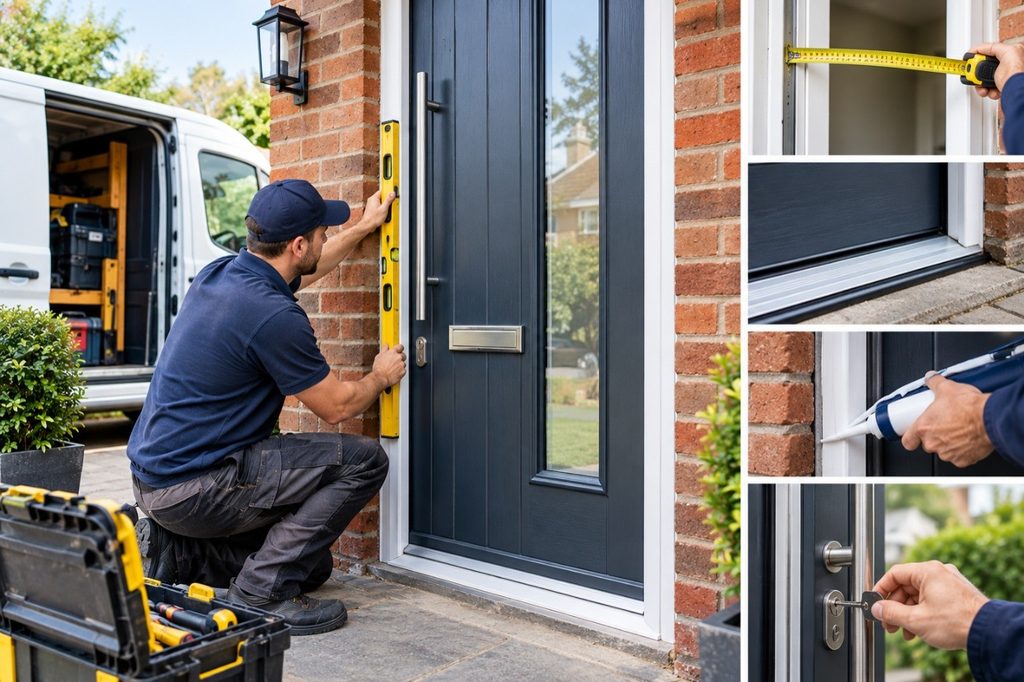
Choosing the right door is only part of the process. Professional installation is essential to ensure that the door operates correctly and provides the expected levels of security, insulation and weather protection.
Accurate measurements are particularly important. The installer needs to account for the existing opening, frame, threshold and surrounding structure before the new door is ordered.
Poor installation can lead to problems such as draughts, sticking, uneven gaps, water penetration or difficulty locking the door.
For homeowners considering composite front door installation, it is therefore sensible to look at the installer as carefully as the product. Ask about previous work, guarantees, installation procedures and what is included in the quoted price.
Think About Accessibility
A front entrance should work for everyone who uses the home.
Threshold height, door weight, opening width and handle position can all affect accessibility. If someone in the household has mobility requirements, these factors should be discussed before selecting a particular design.
Some modern doors can be specified with lower thresholds or other features designed to make access easier. Planning these details at the beginning is considerably simpler than trying to modify an unsuitable entrance later.
Accessibility can also be useful for the future. A home that is easy to enter and navigate can remain practical as the needs of its occupants change.
Match the Door With the Wider Entrance
A new door will have a greater visual impact when it works with the rest of the entrance.
Consider the surrounding windows, porch, walls, lighting and landscaping. A beautifully designed door can look out of place if the surrounding area is neglected.
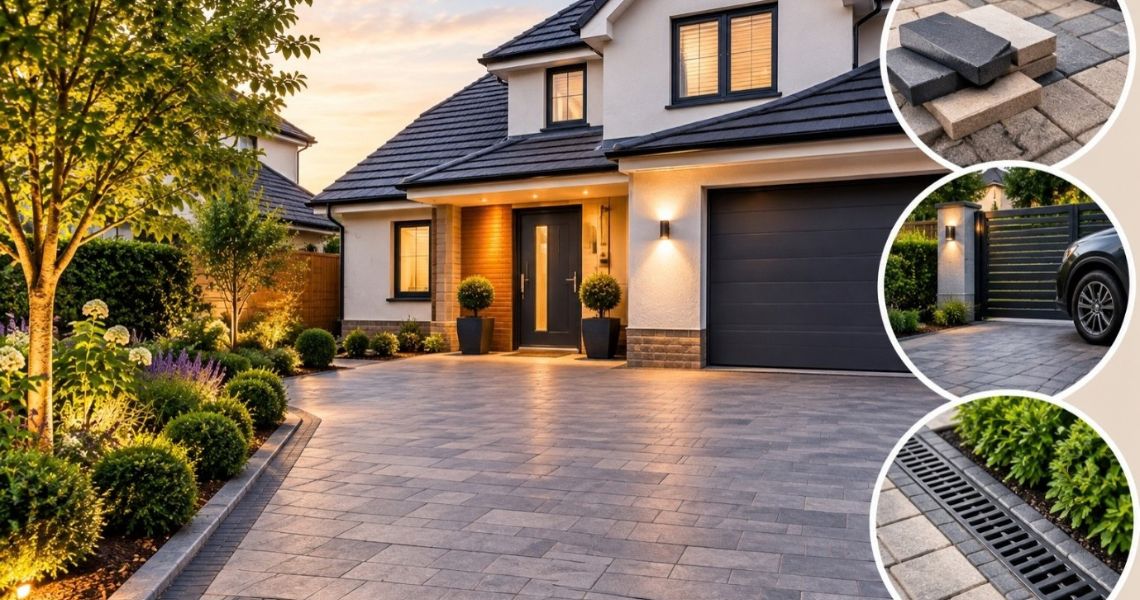
Simple improvements can help complete the transformation. Fresh exterior paint, suitable outdoor lighting, attractive house numbers, planters or a well-maintained pathway can all contribute to a more welcoming entrance.
There is no need to redesign everything at once. Sometimes a carefully selected door combined with a few small improvements is enough to refresh the entire front of a property.
Consider Long-Term Maintenance
It is easy to focus on how a door looks on the day it is installed, but consider how it will appear several years later.
Different materials and finishes have different maintenance requirements. Some doors require periodic painting or treatment, while others can generally be maintained with simple cleaning.
Ask what cleaning products are recommended and whether any components will require periodic adjustment or maintenance. Also check what guarantees are provided and which parts of the installation they cover.
A little research at the purchasing stage can help avoid unnecessary maintenance costs later.
Make the Entrance Work for Your Home
Choosing a front door is about balancing appearance with performance. The right option should complement the architecture of the property, provide appropriate security, help protect against the weather and contribute to a comfortable interior.
It is also an opportunity to express some personality. Whether you prefer a traditional timber-inspired appearance, a bold contemporary colour or a simple minimalist design, there are plenty of ways to create an entrance that feels right for your home.
Rather than choosing a door simply because it is fashionable, consider how it will work with the property as a whole. With careful attention to style, materials, security, glazing, energy efficiency and installation, a new front door can become one of the most worthwhile improvements you make to your home’s exterior.
Images supplied