A well-designed garden should feel like a natural extension of the property rather than a separate feature. The relationship between a house, its garden and the surrounding landscape can have a significant effect on how the entire property looks and functions.
Whether planning a complete garden renovation or making improvements to an existing outdoor space, it is important to consider more than planting and decoration. Layout, drainage, materials, access, maintenance and the architectural character of the property should all influence the design.
Start With the Property and Site
Before choosing plants, paving or garden furniture, take time to understand the site. The size and shape of the garden, changes in ground level, existing structures, access points and surrounding properties can all influence what is practical.
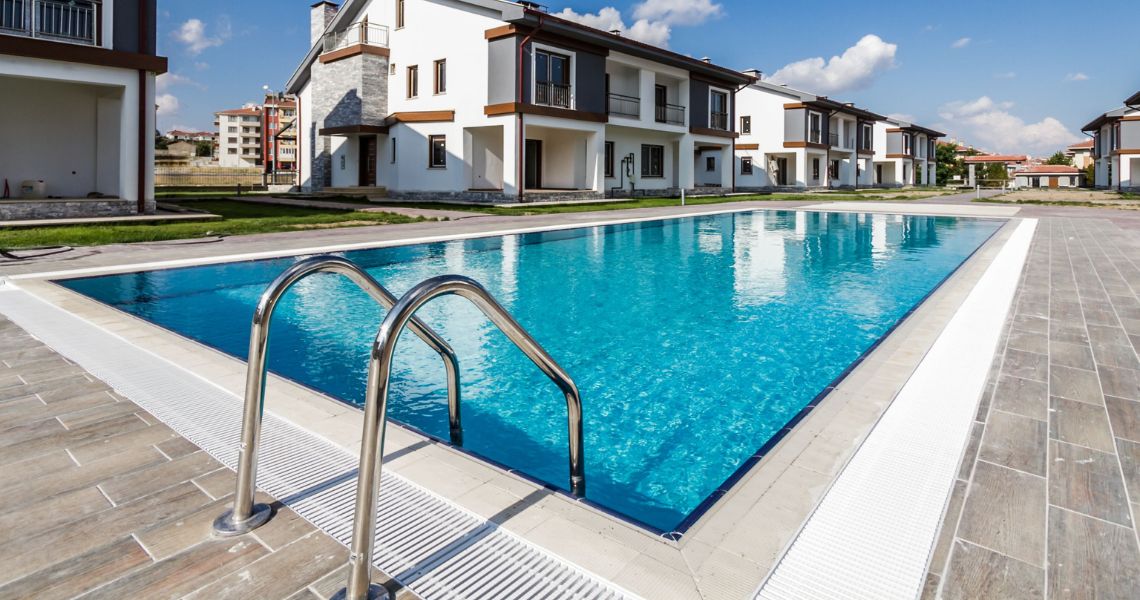
The architecture of the house should also inform the design. A traditional property may suit natural materials and softer planting, while a contemporary home could work well with clean lines, structured planting and modern paving.
This does not mean every element needs to match. Instead, the garden should complement the property’s proportions, materials and overall character.
Plan the Layout Around How the Space Will Be Used
A successful garden needs to work for everyday life. Consider what you want the space to provide before deciding where individual features should go.
For example, a family garden might need lawn space, play areas, seating and storage, while a smaller urban garden may benefit from a dedicated dining area, planting beds and carefully positioned lighting.
Creating different zones can make a garden feel larger and more organised. Paths can connect the main areas, while planting, changes in paving or low walls can provide subtle separation between spaces.
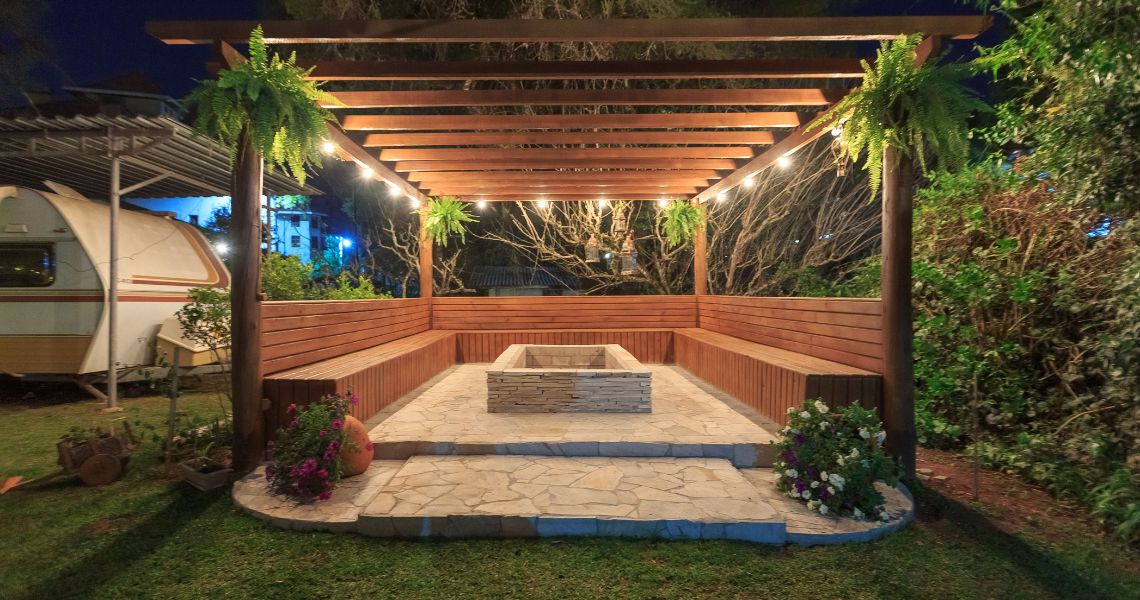
Outdoor living has become increasingly important in residential design, with homeowners looking for gardens that provide usable areas for dining, entertaining and relaxing.
Consider Ground Levels and Drainage
Drainage should be considered from the beginning of a landscaping project, particularly where paving, patios, retaining walls or changes in ground level are involved.
Poorly planned surfaces can allow rainwater to collect close to buildings or create standing water in frequently used parts of the garden. The position of existing drainage infrastructure, soil conditions and natural water flow should therefore be assessed before construction begins.
Where significant changes to levels are proposed, professional advice may also be appropriate. Landscaping can involve technical considerations similar to other construction work, particularly when retaining structures, substantial earthworks or drainage systems are required.
Choose Materials That Complement the House
Hard landscaping provides much of the structure within a garden. Paving, walls, steps, paths and edging can define different areas and create visual links between the building and the outdoor space.
Material selection should take account of both appearance and performance. Consider factors such as durability, slip resistance, weather exposure, maintenance and how the material will look alongside existing brickwork, render, stone or timber.
Using too many unrelated materials can make an outdoor space feel disjointed. A smaller selection of complementary finishes will often create a more cohesive result.
Select Planting for the Conditions
Plant selection should be based on the conditions within the garden rather than appearance alone. Sunlight, shade, soil type, moisture levels and available space all affect how successfully plants will establish.
It is also worth thinking about how planting will change over time. A garden can look very different once shrubs mature and trees become established.
Layering different heights can add depth without overwhelming the space. Ground cover, herbaceous plants, shrubs and carefully positioned trees can create structure while maintaining visual connections between different parts of the garden.
Local and climate-adapted plants can also help create a more resilient landscape while potentially reducing maintenance requirements.
Create a Strong Connection Between Indoors and Outdoors
The transition between the house and garden is particularly important. Patios, terraces, paths and planting can be positioned to create a natural visual route from indoor living areas into the garden.
Large glazed doors can strengthen this relationship, but the landscaping around them matters too. A level terrace, carefully positioned planting and consistent materials can make the outdoor area feel like an extension of the interior.
The same principle can apply to garden rooms, outdoor dining areas and sheltered seating. These features should be considered as part of the overall layout rather than added independently.
Include Lighting and Practical Features
Garden lighting can improve both usability and appearance after dark. Rather than illuminating every part of the garden equally, lighting can be used selectively to highlight paths, planting, steps, architectural features and seating areas.
Practical features should also be included during the planning stage. Outdoor power supplies, water access, storage and suitable areas for bins or equipment can prevent these necessities from becoming afterthoughts.
Planning these details early can produce a cleaner and more functional finished garden.
Think About Long Term Maintenance
A garden should be designed with the time and resources available for its upkeep. A planting scheme that requires extensive pruning or a large lawn that needs frequent maintenance may not be suitable for every household.
The balance between planting and hard landscaping can influence ongoing work. Materials that are durable and straightforward to maintain can be useful in busy households, while carefully selected plants can reduce watering and pruning requirements.
The goal is not necessarily to create a completely maintenance-free garden. Instead, the design should reflect how much time the homeowner is realistically able to spend maintaining it.
Consider Professional Garden Planning
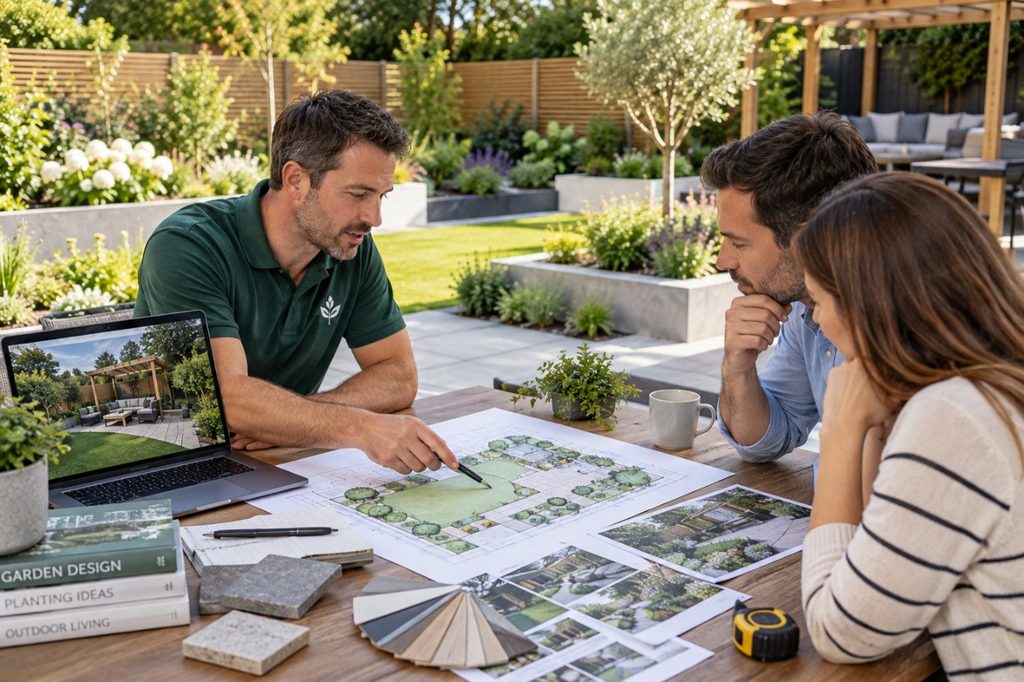
For straightforward projects, homeowners may be able to plan and complete many improvements themselves. More complex schemes can benefit from professional input, particularly where the project involves substantial changes to levels, drainage, structural features or extensive planting.
When researching garden design in Chelmsford, homeowners should consider not only the visual style they prefer but also the practical requirements of the site. A good design should take account of existing conditions, intended use, materials, planting and long-term maintenance.
Professional planning can also help ensure that different elements of the project work together rather than being treated as separate improvements.
Create a Garden That Works With Your Home
The best garden designs balance appearance with practical performance. A beautiful planting scheme will have limited value if drainage problems develop, while a durable patio may feel out of place if it does not relate to the architecture of the house.
By considering the property, layout, ground conditions, materials, planting and intended use from the beginning, homeowners can create an outdoor space that feels integrated and purposeful.
Good landscaping is not simply about making a garden look attractive. It is about creating an outdoor environment that complements the building, works for everyday life and remains practical for years to come.
Images supplied