Heating plays a fundamental role in the comfort and performance of a home. During colder months, homeowners rely on their heating systems not only to maintain comfortable indoor temperatures but also to provide hot water for everyday use.
As boilers age, their performance can gradually decline. Replacing an older system with a modern, appropriately sized boiler can provide an opportunity to improve efficiency, reliability and control while also addressing wider heating requirements within the property.
Recognising the Role of an Efficient Heating System
A heating system needs to do more than simply produce heat. It should distribute warmth effectively, respond to changing requirements and work efficiently without unnecessary energy consumption.
Older boilers can become less efficient over time, particularly when components begin to deteriorate or the system has not been properly maintained. Modern boilers incorporate improved technology designed to make better use of fuel and provide more controlled heating.
For homeowners planning a refurbishment, heating should therefore be considered alongside other improvements such as insulation, glazing and ventilation rather than treated as an entirely separate project.
Choose the Right Boiler for the Property
There is no single boiler type that is suitable for every home. The size of the property, number of occupants, hot water requirements and existing heating system should all be considered before a replacement is selected.
Combination boilers provide heating and hot water on demand without requiring a separate storage cylinder. Their compact design can make them particularly useful where space is limited.
System boilers use a separate hot water cylinder and can be appropriate for larger properties with greater hot water requirements. Conventional systems, meanwhile, generally involve a separate cylinder and cold water storage arrangement and may be suitable where an existing system already uses this configuration.
Getting the specification right is important because an oversized or unsuitable system may not operate as efficiently as one properly matched to the property.
Improve Heating Efficiency
One of the main reasons homeowners consider replacing an ageing boiler is to improve energy efficiency. Modern systems can use fuel more effectively than many older installations, potentially reducing unnecessary energy consumption.
However, the boiler is only one part of the overall heating system. Insulation, radiators, pipework, controls and the building’s thermal performance all influence how effectively heat is retained and distributed.
For this reason, a boiler upgrade can be an ideal opportunity to assess the wider heating system and identify areas where improvements could provide additional benefits.
Improve Temperature Control
Modern heating systems can also provide greater control over indoor temperatures.
Programmable thermostats and smart controls can allow homeowners to adjust heating schedules according to when rooms are occupied. This can prevent the heating from running unnecessarily while ensuring that the property is comfortable when occupants return.
Zoned heating can provide further control in larger properties, allowing different areas to be heated according to their use. These approaches can be particularly useful in homes where bedrooms, living areas and home offices have different heating requirements.
Consider Hot Water Requirements
Heating is only part of a boiler’s role. Hot water demand should also be considered when selecting a replacement system.
A small household with one bathroom may have different requirements from a larger family using several bathrooms at the same time. The available space for cylinders and tanks can also influence which system is practical.
Discussing these requirements with a qualified heating professional can help homeowners select a system that provides sufficient hot water without unnecessary capacity.
Think About Installation From the Start
Installing a new boiler is not simply a matter of removing the old appliance and connecting a replacement. The location, pipework, flue arrangements, controls and wider heating system may all need to be considered.
The cost of installation can vary depending on factors including the boiler type, brand, location and amount of additional work required.
For this reason, homeowners should obtain a clear assessment before work begins. A professional survey can identify potential complications and provide a more accurate understanding of what the project involves.
Use Qualified Professionals
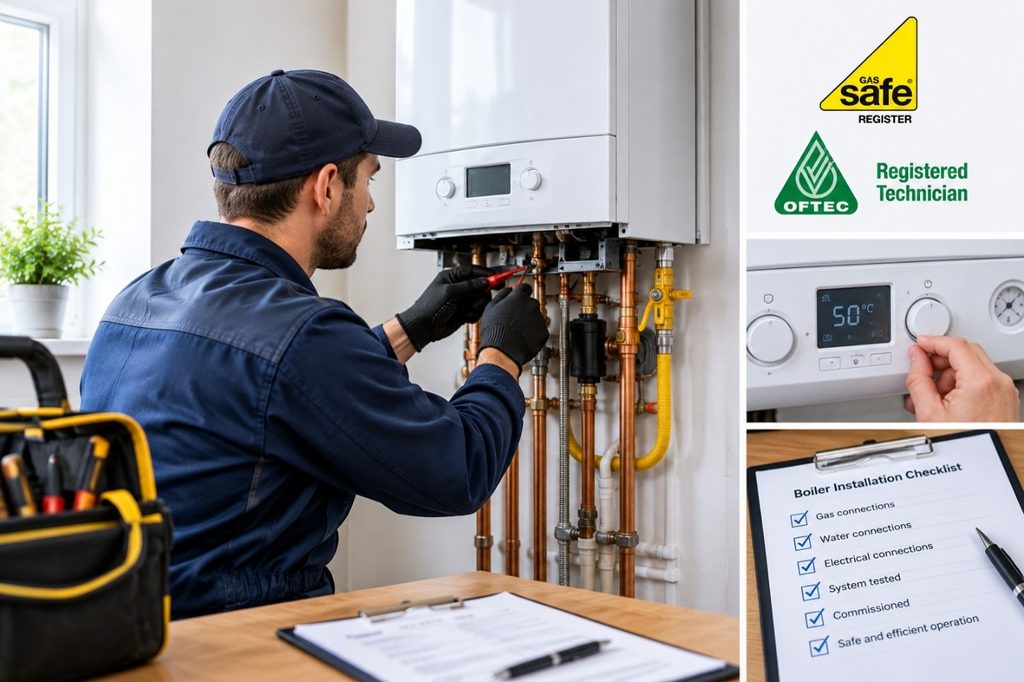
Boiler installation involves gas, water and electrical connections, making professional installation essential.
When researching boiler installation in Oldham, homeowners should check that the engineer carrying out gas work is appropriately qualified and registered. Using a qualified professional helps ensure that the installation is completed safely and according to the relevant requirements.
A properly installed boiler should also be commissioned and checked so that it operates correctly from the outset.
Consider the Boiler Location
The location of a boiler can influence both the practical installation and the appearance of the property.
Modern boilers are often more compact than older systems, potentially providing greater flexibility when planning a replacement. However, the location still needs to provide suitable access for servicing and comply with installation requirements.
During a renovation, it may be tempting to relocate the boiler to improve the appearance of a room. This can be possible in some circumstances, but the additional pipework, flue requirements and installation costs should be assessed before making a decision.
Combine Heating Improvements With Renovation Work
Major home improvement projects provide an opportunity to coordinate several upgrades at once.
If walls, floors or ceilings are already being opened up, it may be easier to address pipework, insulation or heating controls during the same project. Similarly, extensions and conversions may require the existing heating system to be reassessed to determine whether it can accommodate the additional space.
Planning these elements together can help avoid unnecessary disruption and reduce the likelihood of having to revisit recently completed work.
Remember Ongoing Maintenance
A new boiler is an investment that still requires regular attention. Annual servicing can help identify developing issues and ensure the system continues to operate safely and effectively. Some manufacturers also require regular servicing to maintain warranty conditions.
Homeowners should also pay attention to changes in performance, unusual noises, pressure problems or inconsistent hot water. Addressing potential issues early can help prevent more significant breakdowns.
A heating system should be viewed as part of the property’s ongoing maintenance plan rather than something that only requires attention when it stops working.
Look Beyond the Boiler
Improving home comfort does not depend on the boiler alone. Insulation, draught reduction, glazing, ventilation and heating controls can all contribute to the overall performance of a property.
For example, improving insulation can reduce heat loss, allowing the heating system to maintain comfortable temperatures more efficiently. Better windows can also reduce draughts and improve the thermal performance of rooms.
Taking a whole-property approach can therefore produce better results than focusing exclusively on the heating appliance.
A Practical Upgrade for Modern Homes
A modern boiler can contribute to improved comfort, efficiency and reliability, but the benefits depend on selecting the right system and installing it correctly.
Homeowners should consider the size and layout of the property, hot water demand, existing heating infrastructure, energy performance and future renovation plans before making a decision.
By treating the heating system as an important part of the property’s overall construction and performance, it becomes easier to create a home that remains warm, efficient and practical for years to come.
Images supplied