

Running out of space at home is a familiar problem. The kids need somewhere to do homework. You need somewhere to work. The exercise bike is living in the hallway. When moving house feels like too much upheaval or expense, most homeowners land on one of three options. Build out, build up or build in the garden.
Each route has its strengths, so the right answer depends on your budget, your patience and what you actually want the space to do. So extensions. lofts or garden rooms?
The Case for an Extension
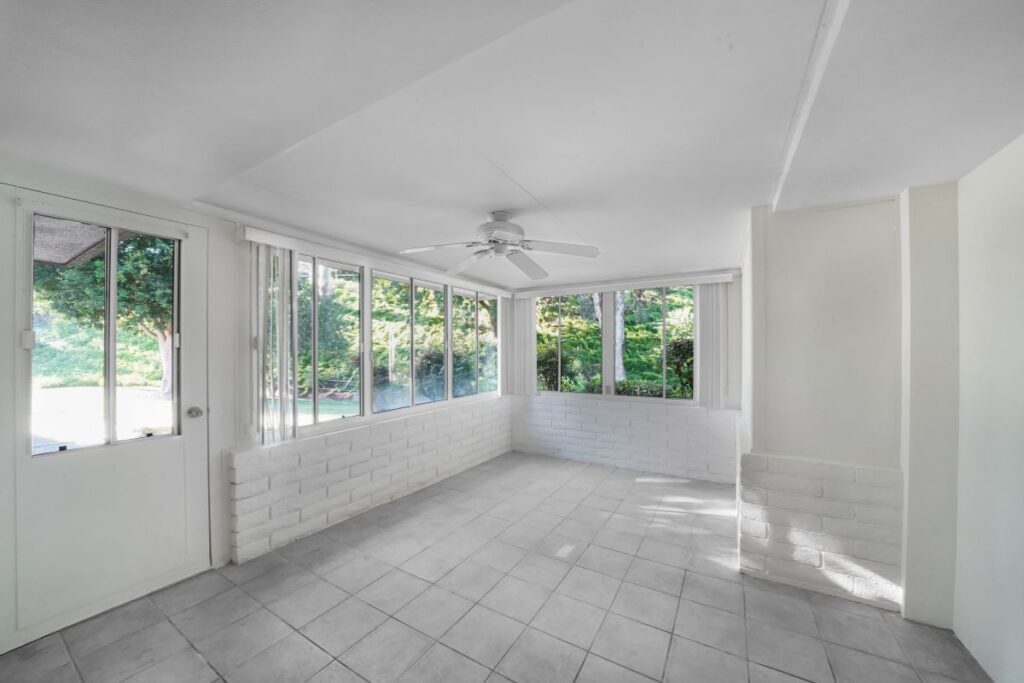
A single or double storey extension is the traditional route to more room. It adds space directly onto your home, which makes it a strong choice for enlarging a kitchen or creating an open plan living area. Done well, it can transform how your ground floor works.
The trade-offs are significant, though. Extensions usually need planning permission, and the build itself means months of living alongside dust, noise and trades coming through your home. Budgets have a habit of creeping too, particularly once groundworks begin and surprises appear.
The Loft Conversion Route
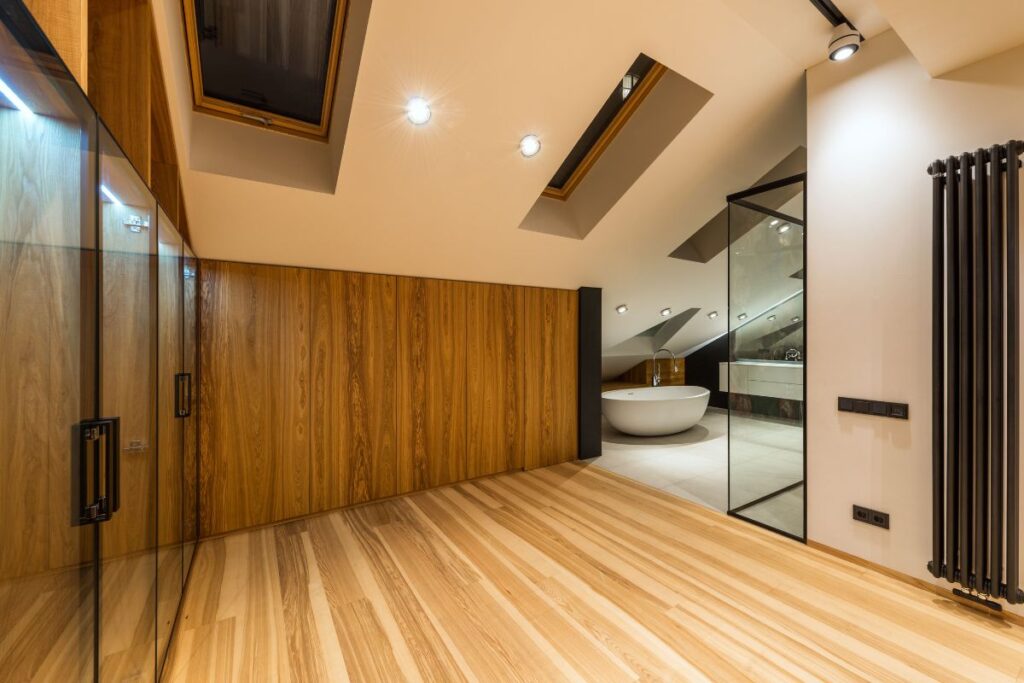
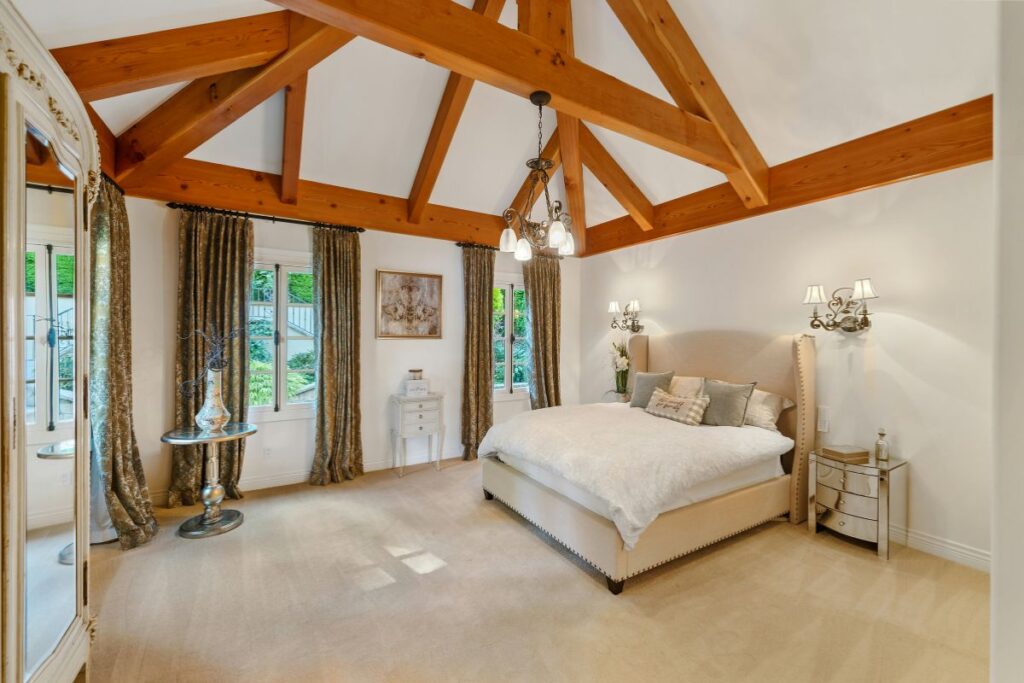
Converting the loft makes use of space you already own. It suits bedrooms and bathrooms well, and because the work happens above your head rather than through your living space, disruption is somewhat contained.
That said, not every loft is suitable. Head height, roof structure and stair access all come into play, and the costs of strengthening floors and adding dormers can climb quickly. You also lose storage, which has a way of mattering more than people expect.
Where Garden Rooms Come In

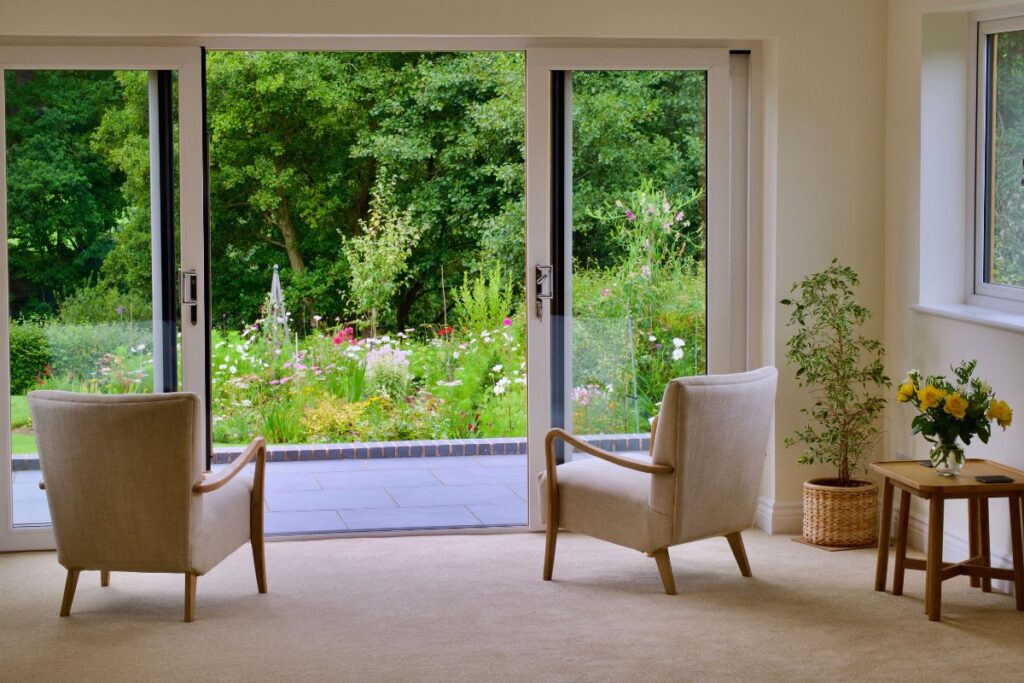
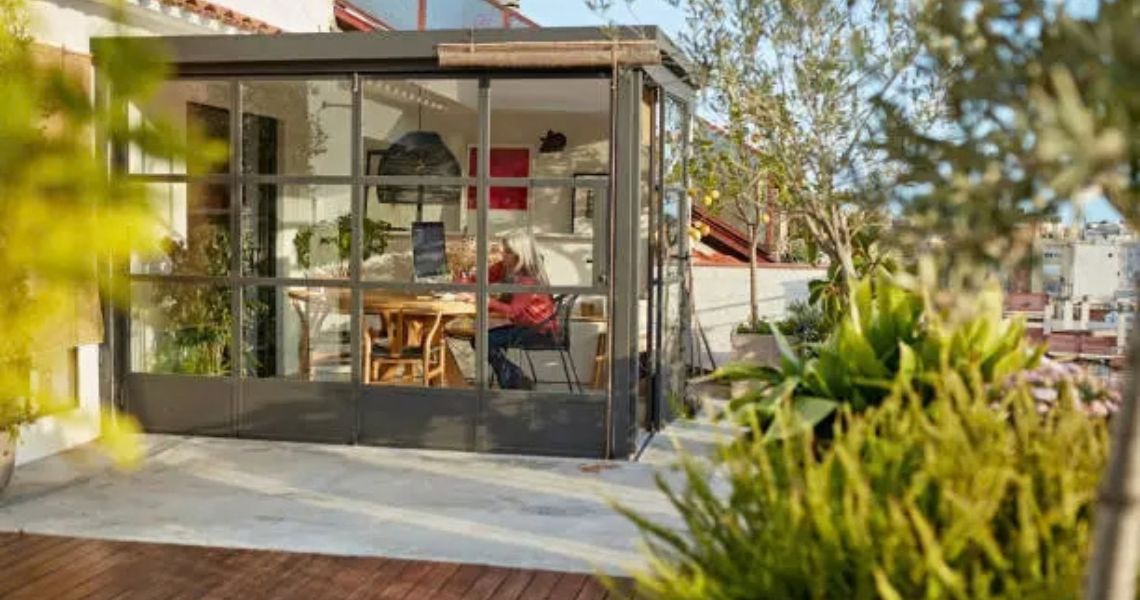
The third option takes the pressure off the house entirely. A garden room is a fully insulated, self-contained building at the bottom of the garden, and it has become a serious contender rather than a compromise. Companies specialising in Essex garden rooms now build to a standard that matches indoor living, with heating, plastered walls, full electrics and proper foundations as standard.
Because the building sits apart from the house, there is no knocking through, no scaffolding and no living in a building site. Most garden rooms also fall under permitted development, so planning permission is often not needed at all. For many households, that alone settles the argument.
Comparing Costs and Disruption

Price is where things get interesting. Extensions in the South East regularly run beyond £2,000 per square metre once fees, finishes and the inevitable extras are counted. Loft conversions are cheaper but rarely simple, and both options come with hidden costs that only surface once work starts.
Garden rooms tend to be more predictable. A build designed as an Essex garden office arrives with insulation, lighting, sockets and internet connection included, so the price you agree is closer to the price you pay. The build happens outside, timescales are measured in weeks rather than months, and your kitchen stays usable throughout.
Matching the Space to Its Purpose
Think hard about what the space is for, because that should drive the decision. A new bedroom belongs in the loft. A bigger kitchen means an extension. But if you need a place to work, train or create, separation from the house is a genuine advantage rather than a drawback.
Anyone who has tried a video call while the washing machine spins will understand. The same logic applies to fitness. An Essex garden gym room gives you somewhere to train without dragging equipment through the house or paying membership fees for a gym you visit twice a month. A short walk down the garden creates a boundary between home life and everything else, and that boundary is precisely what makes the space work.
Making Your Decision
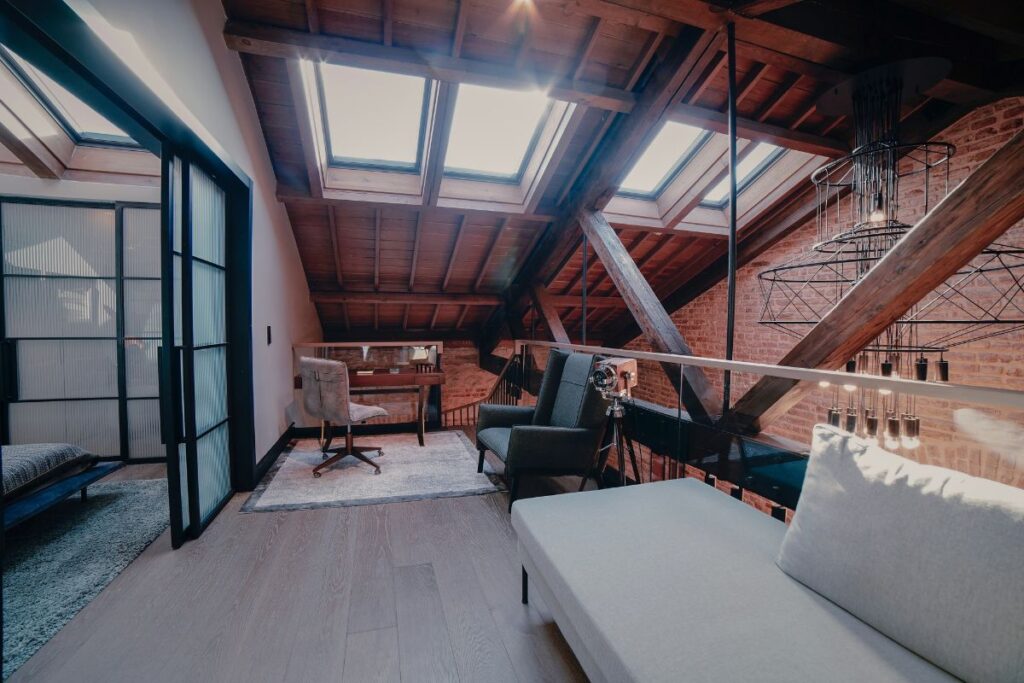
There is no single right answer, but there is a right answer for you. Choose extensions if you want to reshape how your home flows and you can stomach the disruption. Choose a loft conversion if you need another bedroom and your roof allows it. Choose a garden room if you want usable space quickly, at a predictable cost, with the bonus of a building that serves one clear purpose brilliantly.
Whichever way you go, get detailed quotes, ask what is included in the price and speak to people who have made the same choice. More space should make life better. The route you take to get there should not make it worse first.
Images courtesy of pexels.com and unsplash.com








1 thought on “Extensions, Lofts, and Garden Rooms: Which Is Right For You?”
Comments are closed.