

What Makes a Kitchen Worktop Last for 10 Years?
A worktop’s lifespan is determined by more than its price or thickness. Material quality matters, but so do fabrication, fitting and the way the surface is treated after installation. A dependable kitchen worktop should tolerate everyday food preparation, spills, cleaning and the occasional knock without quickly losing its appearance or structural integrity.
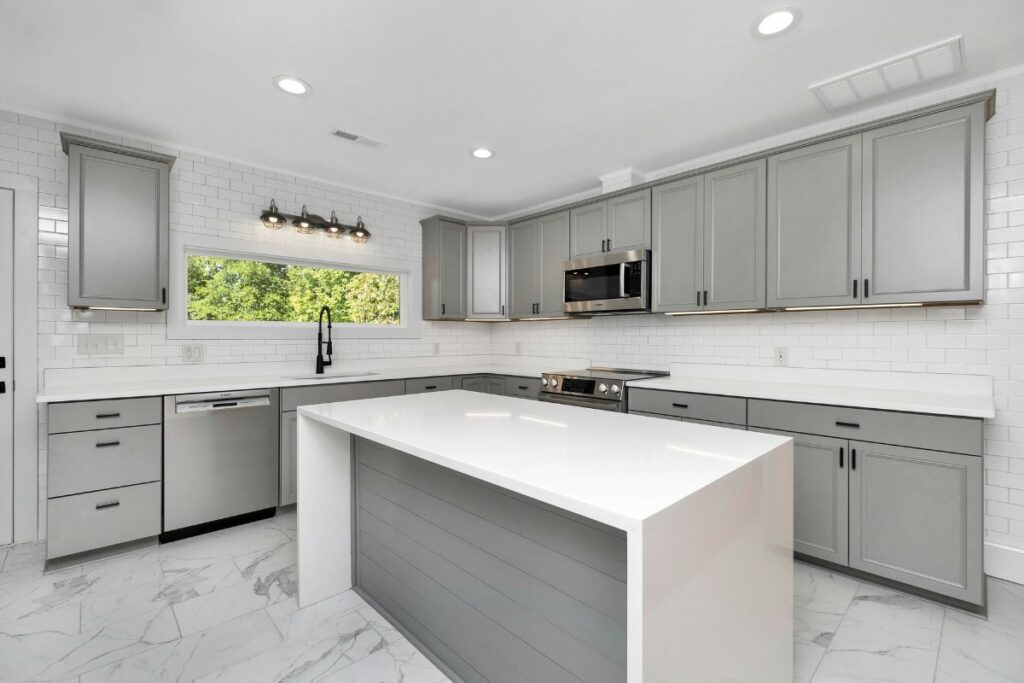
Homeowners should begin by thinking about the pressures their surface will face. A keen cook may prioritise resistance to stains and scratches, while a family with young children might value a non-porous material that is easy to wipe clean. No surface is completely indestructible. Even durable materials can be damaged by hot pans, harsh chemicals or repeated cutting directly on the worktop.
The design also affects longevity. Poorly positioned joints, unsupported overhangs and unsuitable cut-outs around sinks or hobs can create weak points. Choosing quality kitchen worktops in Essex therefore involves assessing the entire specification rather than selecting a colour alone. A surface chosen for the household’s habits, professionally fabricated and maintained according to its manufacturer’s guidance has a much stronger chance of looking and performing well after a decade of regular use.
Comparing Long-Lasting Kitchen Worktop Materials
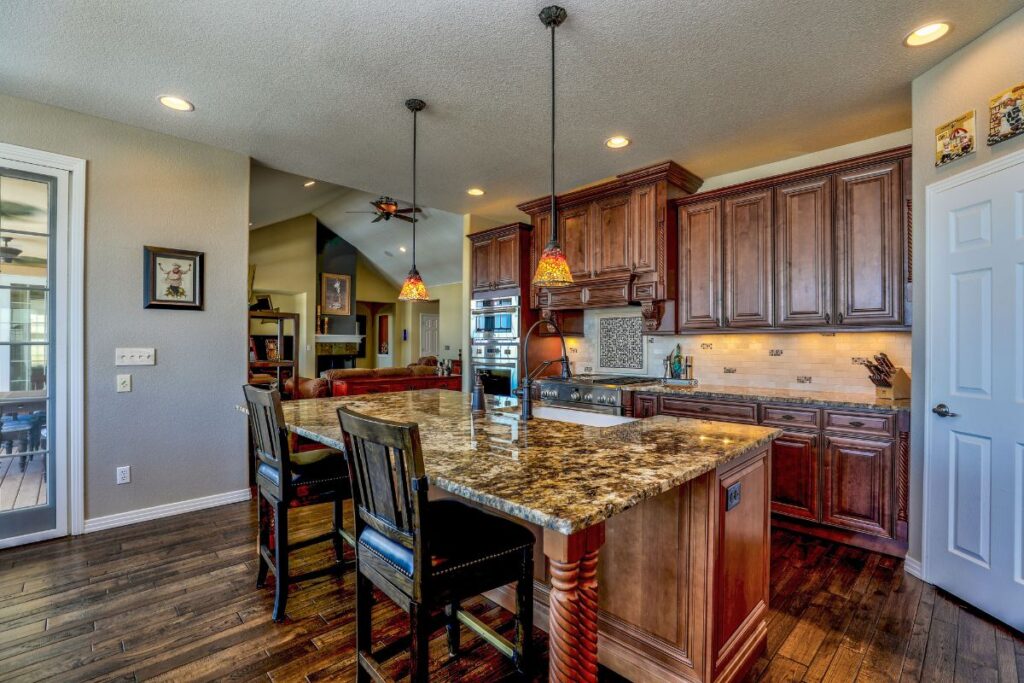
Several materials can remain functional for at least a decade when correctly fitted and maintained. The best choice depends on the level of care a household is prepared to provide and the types of wear the surface will face.
| Material | Long-term strengths | Care considerations |
| Quartz | Non-porous, resistant to most stains and available in many consistent colours and patterns. | Use trivets for hot cookware and avoid strong chemicals. |
| Granite | Hard-wearing natural stone with distinctive colours, veins and markings. | Some varieties require periodic sealing to reduce staining. |
| Corian | Non-porous, easy to clean and suitable for inconspicuous joins and integrated sinks. | Use chopping boards and seek specialist repair for deeper damage. |
| Tristone | Offers design flexibility, inconspicuous joins and a broad selection of finishes. | Protect the surface from direct heat, scratches and harsh cleaners. |
| Minerva | Provides solid-surface styling, practical maintenance and repairable joins | Follow the manufacturer’s guidance for heat exposure and cleaning. |
Price alone does not indicate which material will last longest. Homeowners should compare resistance to stains, scratches and heat alongside maintenance requirements, repair options and warranty protection. The selected surface should also suit the household’s cooking habits and willingness to complete routine care.
Match Your Worktop to the Way You Use Your Kitchen
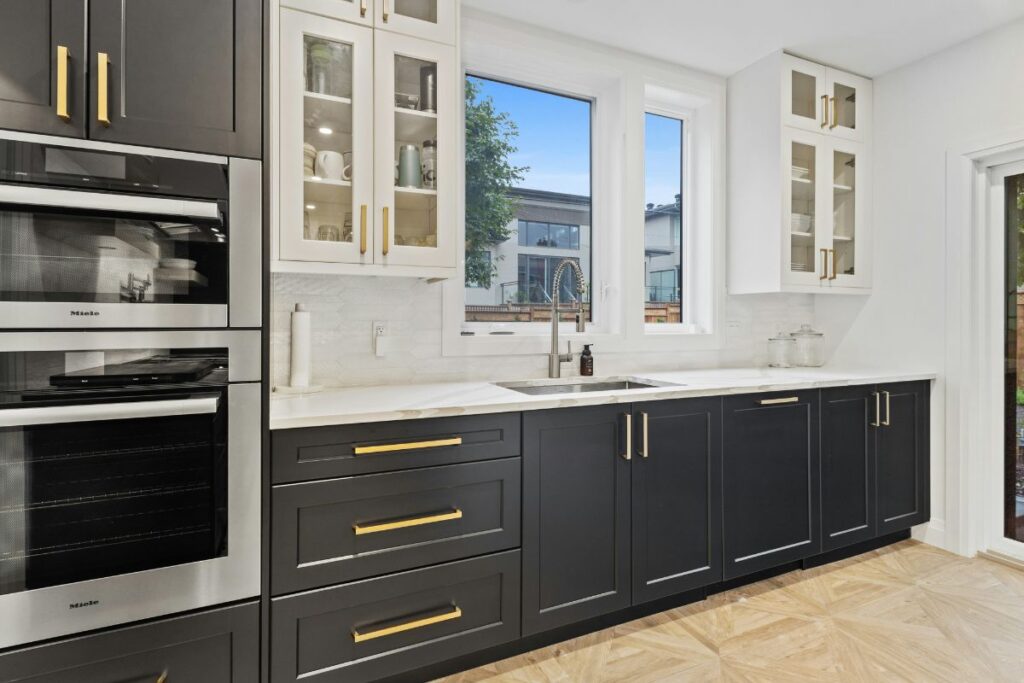
A surface that lasts in one home may be less suitable in another. Before comparing samples, homeowners should consider how often they cook, who uses the kitchen and how much maintenance they are willing to complete. This creates a clear brief and helps prevent appearance from becoming the only deciding factor.
Households that prepare food several times a day may favour a low-maintenance, non-porous surface such as quartz or a solid-surface product. People who want the individual markings of natural stone may prefer granite and accept its particular care requirements. Corian, Tristone and Minerva may appeal where flowing shapes, coordinated splashbacks or inconspicuous joints are important to the design.
Colour and finish deserve practical consideration too. Very dark, highly polished surfaces can make dust, fingerprints or watermarks more noticeable, while heavily patterned designs may disguise crumbs and minor marks. Samples should be viewed in the kitchen’s natural and artificial light because colours can look different from showroom displays.
The budget should cover fabrication, templating and fitting as well as the slab or sheet itself. Spending sensibly on the complete project is usually better than selecting an expensive material and then compromising on the preparation or fitting needed to support it correctly.
Why Professional Fitting Affects Longevity
Even a strong surface can fail early if it is measured, cut or fitted incorrectly. Professional worktop installation helps ensure the material is properly supported and protected from avoidable stress. Important parts of the process include:
- Accurate templating accounts for walls that are not perfectly straight and ensures cut-outs, joints and overhangs are positioned correctly.
- Level base units provide consistent support, reducing pressure points that could cause movement, separation or cracking over time.
- Carefully formed sink and hob cut-outs avoid weak areas, while suitable sealing helps prevent water from reaching the cabinets below.
- Material-specific adhesives, fixings and sealants create secure joins without restricting any natural movement caused by changes in temperature.
- Correct appliance clearances protect the surface from excessive heat and ensure hobs, sinks and other fittings sit safely within the worktop.
Heavy surfaces such as quartz and granite also require specialist handling equipment and experienced fitters to reduce the risk of injury or breakage. Before agreeing to a quotation, homeowners should confirm who will complete the templating, fabrication and fitting. The quotation should also identify any cut-outs, upstands, sink fitting and removal work included.
Checks to Make Before Choosing Your Worktop
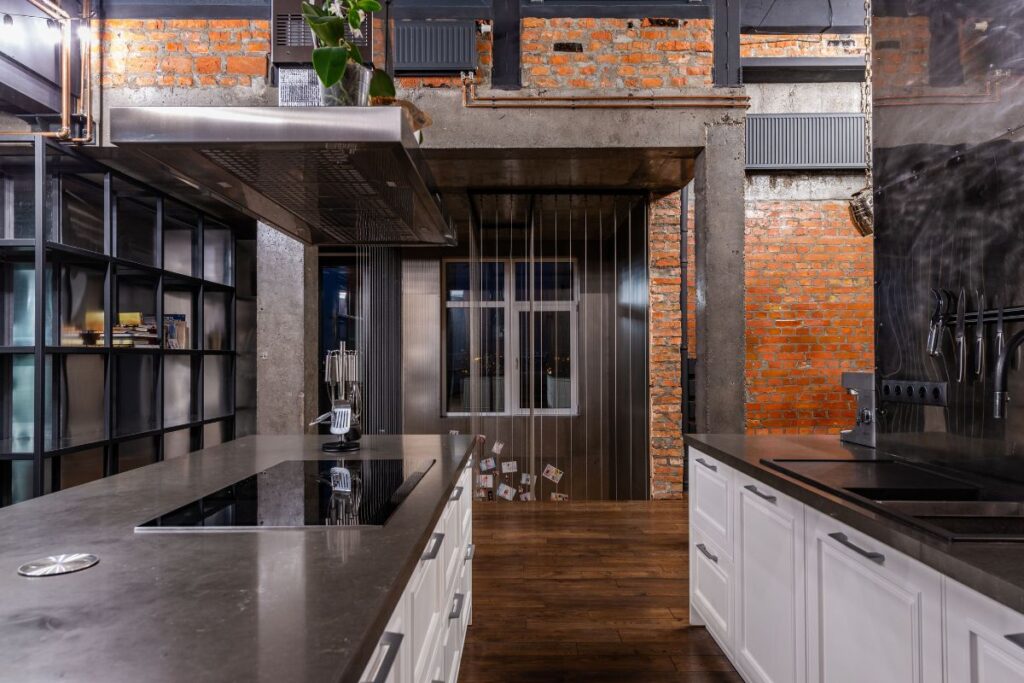
A final decision should be made after seeing physical samples rather than relying only on website photographs. If possible, homeowners should visit a showroom and compare colours, textures, edge profiles and full-size displays. Small samples may not reveal the movement in granite or the overall pattern of a quartz design.
Ask the supplier for written details about the warranty, recommended cleaning products, heat limitations and repair options. Confirm whether templating, fabrication, delivery, fitting and removal of the old surface are included in the quotation. Comparing like-for-like specifications makes different prices easier to assess.
After fitting, simple habits can protect the investment. Use chopping boards instead of cutting directly on the surface, place trivets beneath hot pans and wipe spills away promptly. Avoid abrasive pads or strong chemicals unless the manufacturer approves them. Any failed sealant, movement or damaged joint should be investigated before moisture causes a larger problem.
A ten-year lifespan cannot be guaranteed by appearance or price alone. The strongest choice combines a material suited to the household, careful bespoke fabrication, skilled fitting and consistent maintenance. Checking each of these areas gives an Essex homeowner a far better chance of enjoying a practical and attractive kitchen for many years.
Images courtesy of pexels.com and unsplash.com









1 thought on “How Essex Homeowners Can Choose a Kitchen Worktop That Will Last for 10 Years”
Comments are closed.