There is a noticeable difference between a home that simply feels naturally inviting and one masked by a hasty cloud of room spray seconds before the doorbell rings. When considering how to make your house smell nice for an evening of entertaining, the secret lies in quiet preparation.
Guests perceive an interior in gentle stages, moving from the threshold into the sitting room and beyond. Creating a truly welcoming atmosphere means setting each moment in advance so the house speaks for itself.
The Doorstep — A Welcome That Doesn’t Announce Itself
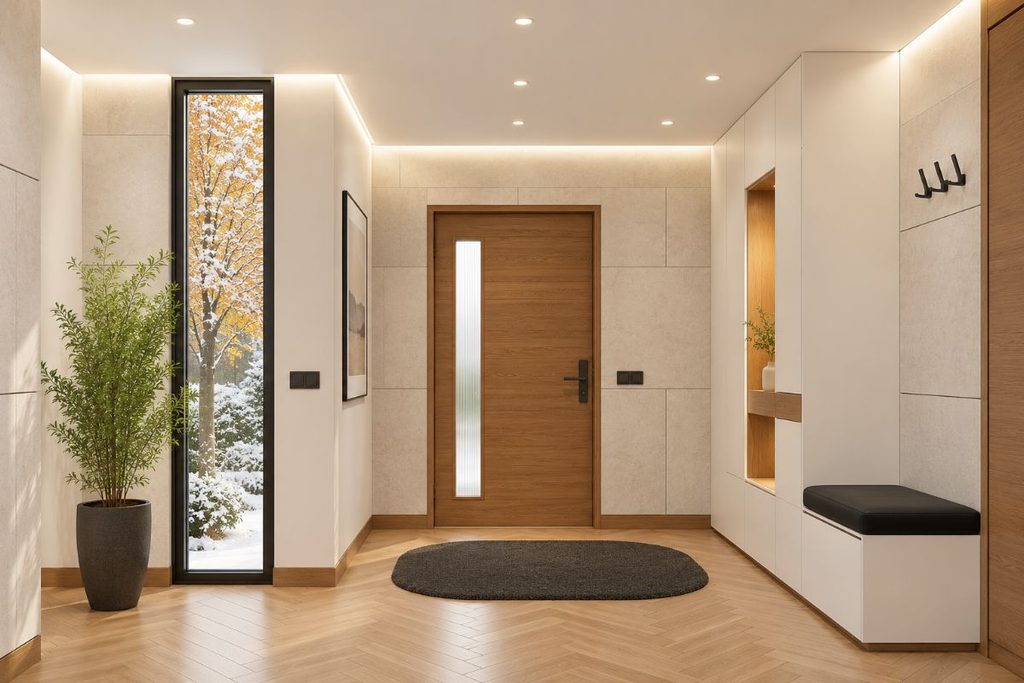
When the front door opens, the very first impression should be subtle—a clean, understated warmth rather than an overt declaration of fragrance. Yet hosts who have spent the afternoon indoors easily fall prey to olfactory fatigue; after hours in the same space, the senses naturally filter out background aromas. A scent that feels faint to you beside the mantelpiece may greet an arriving guest with startling intensity.
To make your home smell nice without overwhelming the senses, your single preparation here is simple: step to the threshold and evaluate the air from the doorway before anyone knocks. Assessing the entrance from a visitor’s perspective prevents the common mistake of turning diffusers up needlessly when the hall is already perfectly balanced.
The Living Room — Let the Fragrance Settle Before Everyone Gathers
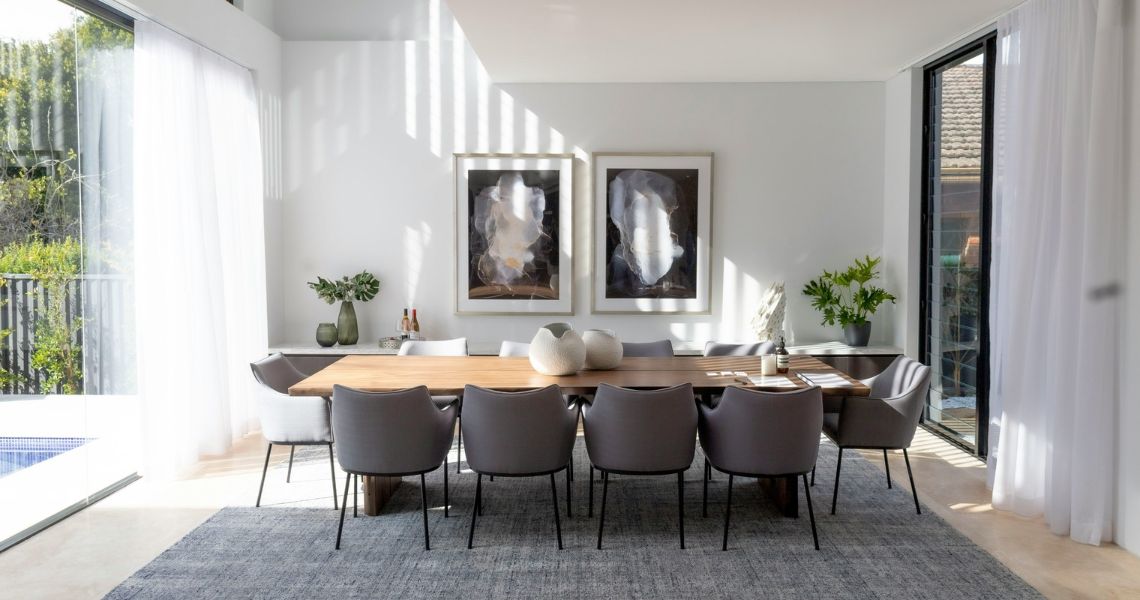
Once coats are taken and guests settle into the sitting room, the atmosphere should feel entirely at ease. This is not the moment for sudden bursts of aerosol or frantic wick-trimming; the fragrance should already be part of the furniture. Soft, grounding notes—perhaps an airy white tea or gentle cedarwood—work beautifully to anchor a sociable room without competing with conversation.
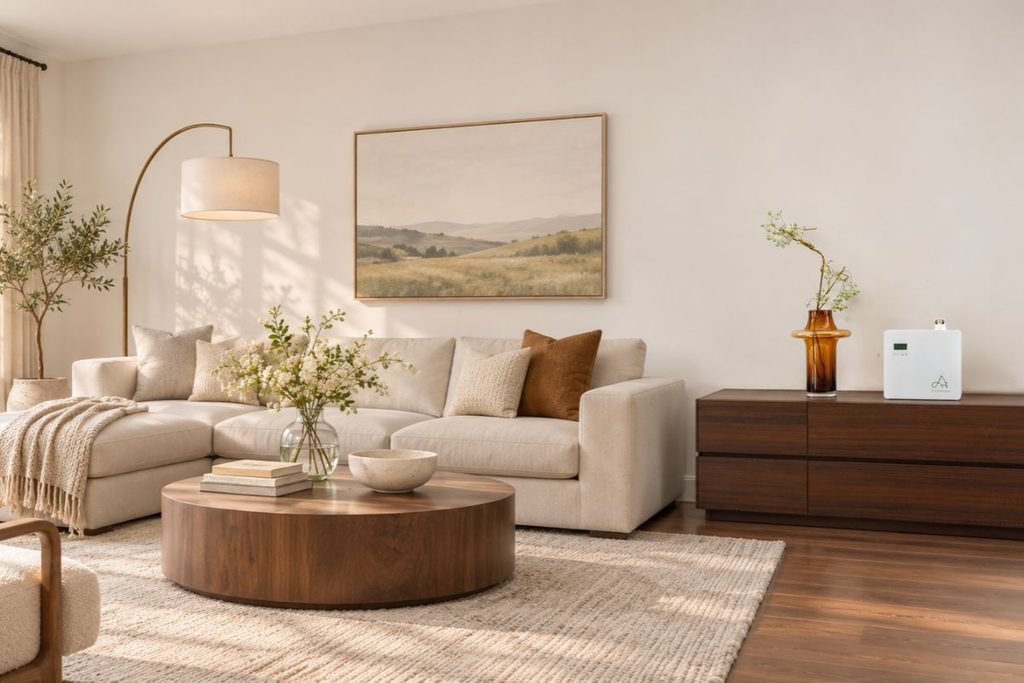
The best way to scent your home for an effortless gathering is to programme your fragrance source well before the first knock. Rather than relying on a last-minute fragrance fix, a programmed schedule allows the scent to develop in the room before guests arrive. For instance, Aromadd provides waterless cold-air diffusers that atomise compatible fragrance oil without adding water or using heat. Models equipped with customisable schedules and adjustable intensity allow hosts to establish a modest background output in advance, without having to adjust the diffuser during the visit. As fragrance reach depends on room layout and airflow, a gentle setting is a sensible place to start. If supper is planned for later in the evening, a restrained sitting room fragrance also leaves ample breathing room for the aromas of good food to follow.
The Bathroom — Where Freshness Matters More Than Fragrance
At some point during the gathering, guests will slip away to the downstairs bathroom. Here, expectations shift entirely. A guest does not need a second signature perfume competing with the living room; what matters is an uncompromised impression of genuine cleanliness and quiet care. Layering a heavy, perfumed reed diffuser or room spray over a poorly ventilated space rarely succeeds—it often draws attention to the very odours a host hopes to conceal.
When considering how to make a room smell fresh, the most effective host action is direct and unadorned: refresh the room’s baseline before arrivals. Empty the bin, provide crisp hand towels, wipe down surfaces, and open a small window or run the extractor fan to cycle the air. A neutral, thoroughly aired bathroom feels naturally hygienic, providing a restful interlude that sits comfortably alongside the rest of your home.
True hospitality is quiet and considerate. When each room is prepared in gentle harmony with your guests’ arrival, your home feels inherently welcoming long before the first glass is poured.
Images supplied