Is your lawn starting to resemble a patchy field rather than a vibrant green retreat? Don’t worry, green thumb hopefuls — restoring a struggling lawn is definitely within reach. No gardening degree required!
Whether it’s been hit by drought, neglect, or overenthusiastic foot traffic, turning things around is more manageable than it seems. With the right steps and a little patience, even the most tired-looking turf can bounce back. You don’t need fancy tools or expensive treatments — just some know-how and consistency. Ready to transform those brown patches into green pride? Let’s dig into the path to a healthier lawn together!
Assess the damage and take immediate action
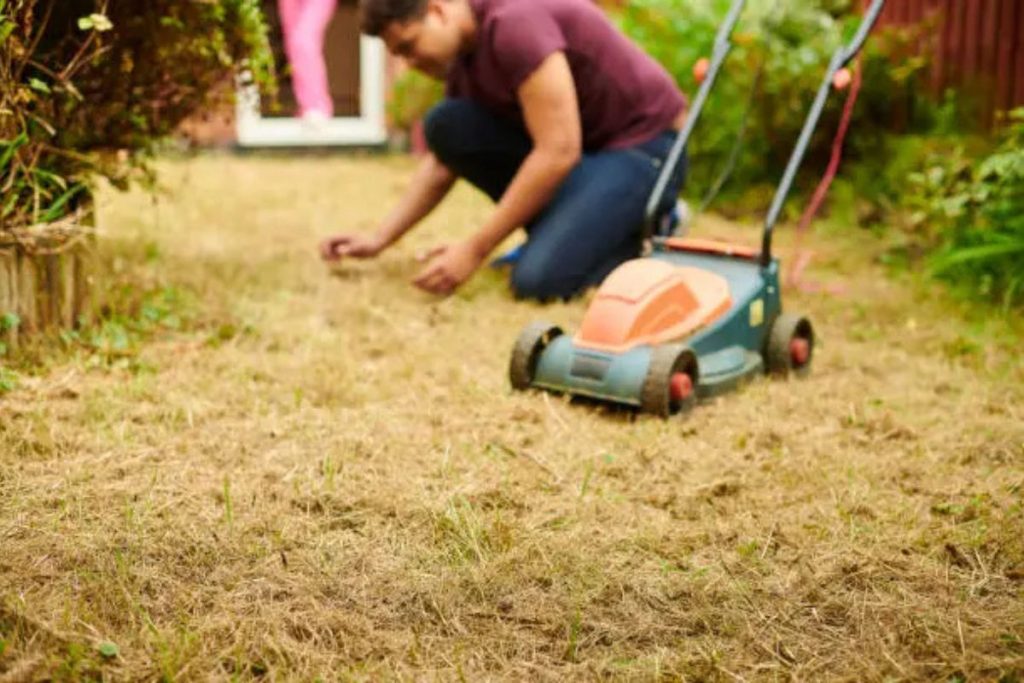

The first step to any great comeback is to assess the damage. Give your lawn a good once-over to determine the severity of its condition. If your lawn has brown spots or areas that resemble hay more than healthy grass, it’s not necessarily dead, it could just be dormant. Dormancy is a survival mechanism that allows grass to withstand periods of extreme weather by temporarily halting growth. The good news? With some TLC, you can coax your grass back into its vibrant state. Start by dethatching to remove layers of dead grass and other organic matter that might be suffocating the soil. Aerate the lawn to promote better air circulation and water absorption. Follow this by generously watering the area deeply, so the soil is moist but not soaked. These are the first aid steps for your grass, creating the perfect conditions for recovery.
Choose the right quality fertiliser for the season
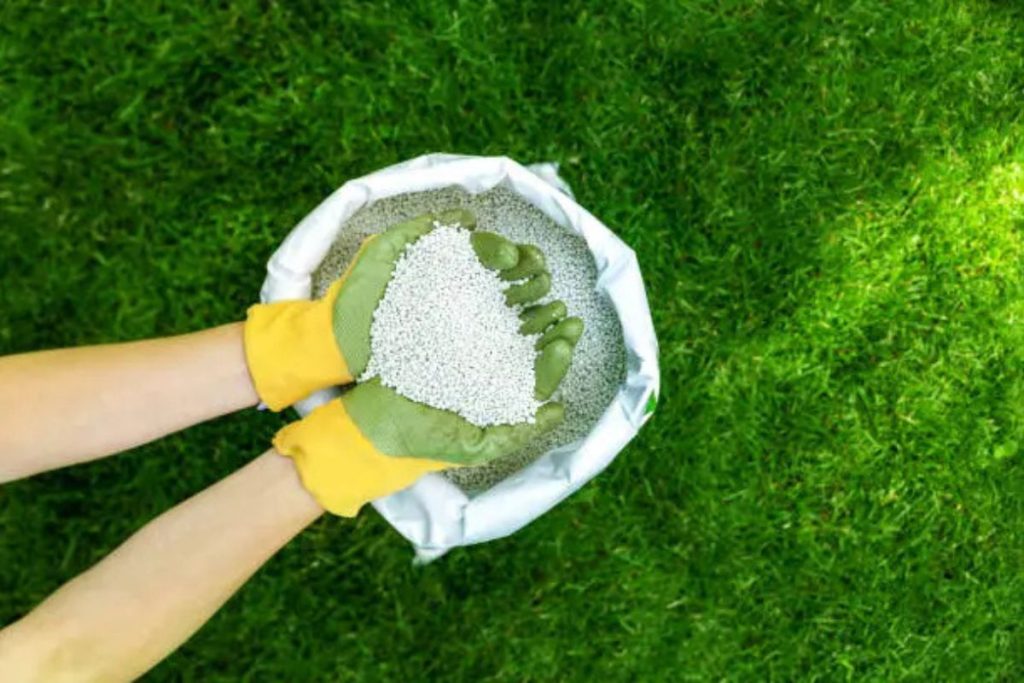
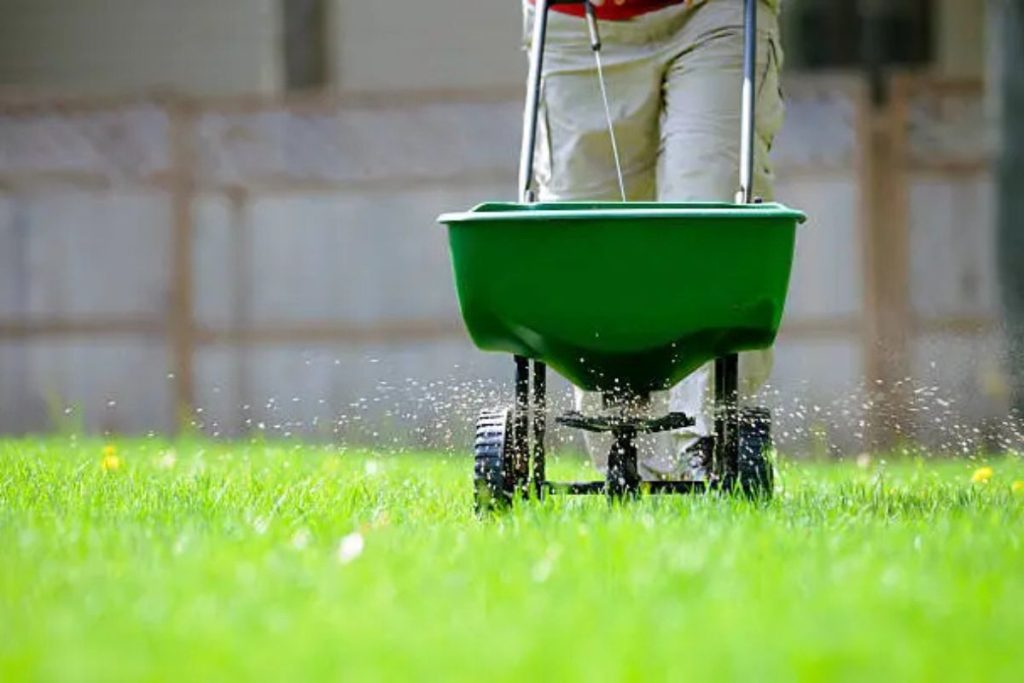
Now that you have cleared the path for growth, it’s time to give your grass the nutrients it needs with the right fertiliser. An important note here is quality over quantity. Not all fertilisers are created equal, and using a website as www.moowy.co.uk for example as your go-to for high-quality fertilisers ensures that you’re giving your grass exactly what it needs. When choosing fertilisers, consider the season. For instance, a spring fertiliser is high in nitrogen to kickstart growth, while an autumn fertiliser provides nutrients to prepare grass for winter dormancy. Apply the fertiliser according to the instructions, and don’t overdo it – more is not always better when it comes to fertilization. Water your lawn again after fertilizing to help the nutrients seep into the soil and reach the roots. Within 48 hours, you should start seeing signs of revival as your grass begins to take on a greener, more vibrant hue. Keep up with regular maintenance, and your once dead-looking lawn will soon be the talk of the town (in a good way).
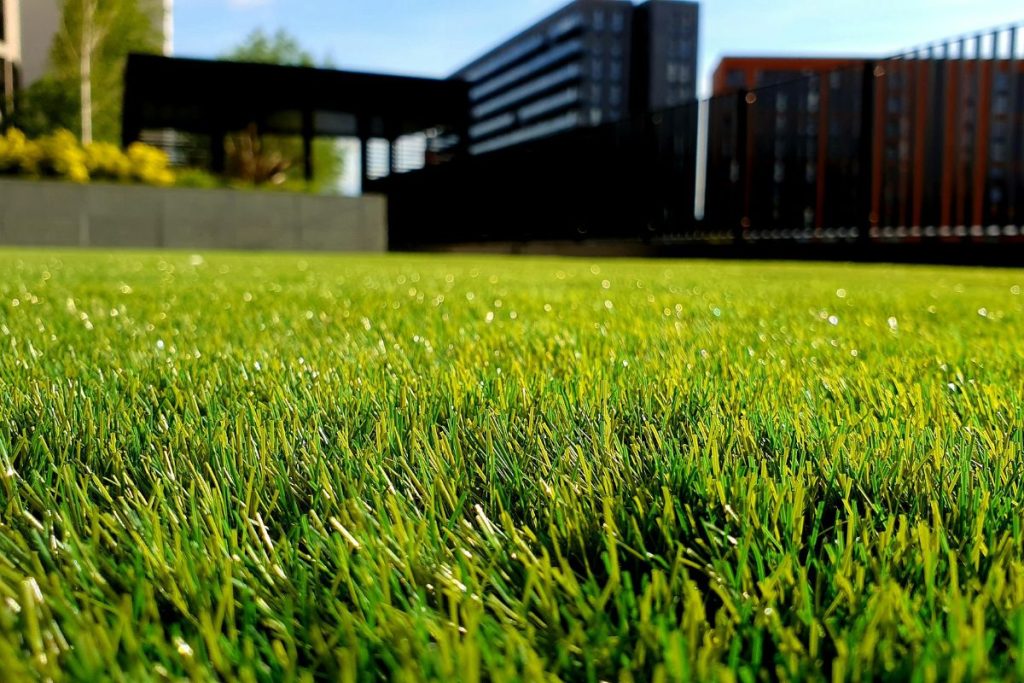
Remember, reviving dead grass might take a little elbow grease, but the results are well worth the effort. With immediate action, the right assessment, and high-quality fertilisers suited for the current season, your lawn can bounce back to life in no time. Keep this guide handy and say goodbye to lifeless lawns and hello to a verdant, thriving landscape.
Images courtesy of unsplash.com and pexels.com