A washing machine that stops mid-cycle with a code on the display, a dishwasher that leaves grit on the glasses, a fridge that feels warmer than usual. The fix is often five minutes of owner maintenance. The catch is that the five minutes differ from one model to the next.
European home appliances manuals give the exact cleaning steps and error-code meanings for your machine, and with Electrolux, AEG and Bauknecht the label tells you which manual that is. Here is how to read it and what to check before you call a technician.
Find European home appliance manuals using the rating label
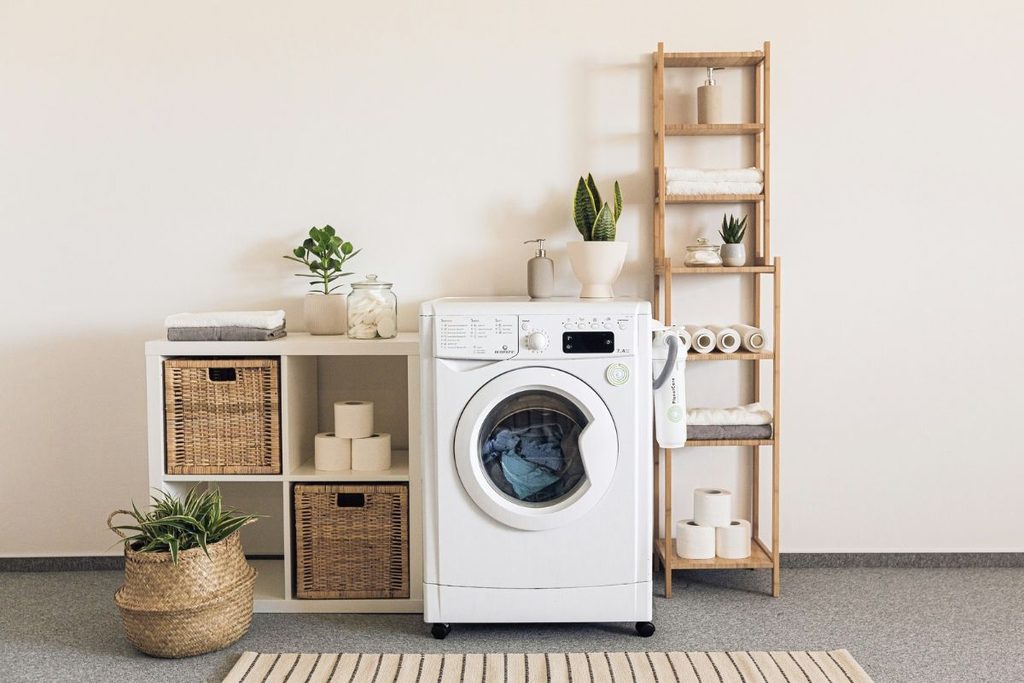
The rating label is usually on the door frame, inside the appliance or on an inner wall. Some are on the rear panel. If you cannot reach it, the invoice or installation paperwork may list the same numbers. Do not move a heavy or connected appliance just to read a label.
What to record
- The brand and the complete model name.
- Any product or service number, such as a PNC or 12NC.
- The serial number.
Photograph the label. The marketing name on the front often covers several variants with different controls, and a photo lets you, and later a technician, compare every character.
Check that the manual for your home appliances lists your full model and product number and, where relevant, your market and language. If the control panel in the manual looks different from yours, stop and find the right document, or ask the manufacturer’s support service with the label details.
| Brand | Identifiers to look for on the label |
| Electrolux | Model number and PNC (product number code) |
| AEG | Model designation and PNC |
| Bauknecht | Model designation and 12NC service code |
Use Electrolux manuals for the exact version
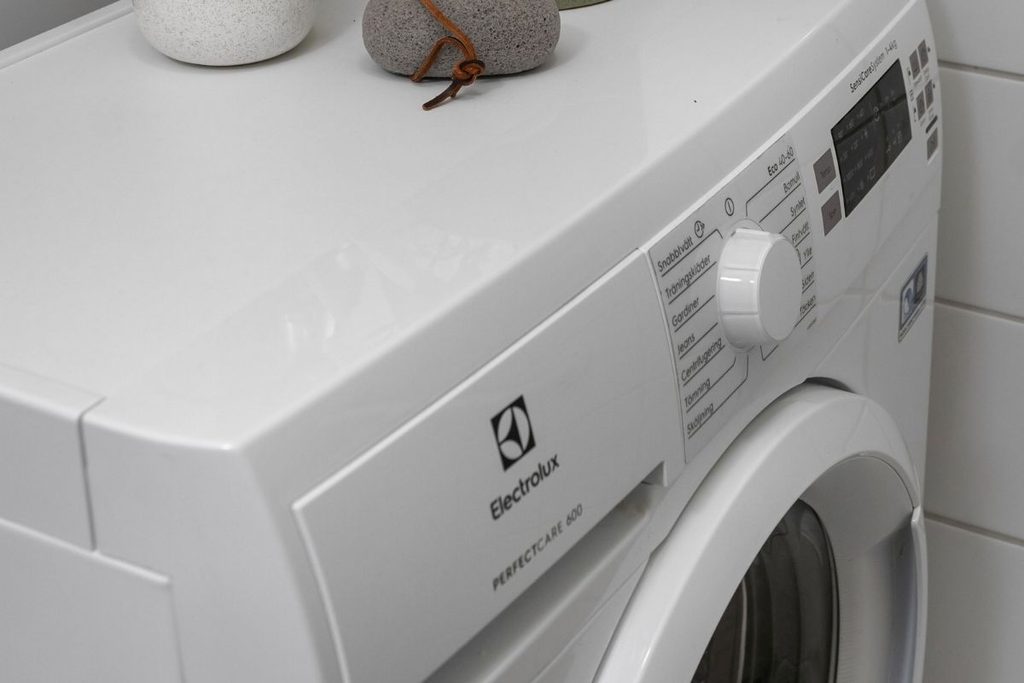
An Electrolux label usually shows a model number and a PNC. Use both: the model alone may not identify the version in your kitchen. Search electrolux manuals by model, then check the PNC against the list of covered models. If the PNC is missing from the document, ask Electrolux to confirm the match.
Cleaning a washing machine pump filter
If your manual says the owner may clean the drain pump filter:
- Let hot wash water cool.
- Unplug the machine.
- Drain residual water as the manual describes, with towels or a shallow tray ready.
- Clean and inspect the filter, then refit it firmly.
- Run the leak check the manual prescribes.
On a dishwasher, the cleaning section shows how to remove the filter and spray arms. Do not force a part that will not release as shown.
Check AEG identifiers before cleaning or resetting
AEG is part of the Electrolux group, and its labels also carry a model designation and a PNC. Record both before searching aeg manuals. A matching control panel picture is helpful, but it does not replace checking the product number.
Detergent drawer
Detergent and softener residue builds up in the drawer and can stop products from flushing properly. If the manual shows the drawer as removable, unplug the machine, take out the drawer or insert as shown, rinse it and refit it. Removal methods and permitted cleaners differ by model.
Record the error before resetting
Write down any error code before you reset the machine. A reset clears the display, not the cause: a blocked drain will still be blocked on the next cycle.
Match Bauknecht service codes to the right manual
Bauknecht labels often include a 12NC, a twelve-digit service code that identifies the exact version for parts and documentation. Copy every number exactly as printed rather than assuming a format.
The bauknecht manuals collection can help you find the model or service variant. If the document does not list your 12NC, send the label details to Bauknecht support or an authorized service provider and ask them to confirm it applies.
On a Bauknecht dishwasher, as with the other brands, remove and rinse the filter only in the way your confirmed manual shows, and refit it before running the machine.
Check error codes and simple causes first
Write down the exact code, the home appliances identifies and what the machine was doing when the fault appeared. Look up that code in your matching manual and follow its permitted checks. The same code can mean something different on another model, so do not rely on a list for a different machine.
| Symptom | Owner checks | Call service if |
| Washer will not drain | Pump filter and a kinked drain hose, as the manual allows | The filter is clear and the fault returns |
| Dishes still dirty | Filter, spray arms, loading pattern in the manual | Cleaning and correct loading do not help |
| Fridge feels warm | Temperature setting, door seal, blocked air vents | The temperature stays high |
| Error code returns | The code’s meaning in your manual | It is missing from the manual or keeps returning |
Refrigerator temperature
Measure the inside temperature with an appliance thermometer rather than guessing. Food safety agencies recommend keeping the fridge at 5°C (UK Food Standards Agency) or 40°F (US Department of Agriculture) or below, and the freezer at −18°C (0°F). If food safety is in doubt, move perishables to safe storage.
Know when to stop
Stop if you find damaged electrical parts, a leak you cannot contain or a fault beyond the user instructions. Do not open electrical panels or attempt refrigerant or gas repairs. If you smell gas, do not touch switches or use naked flames: leave and call the gas emergency service from a safe place.
Keep a simple maintenance record
Store the label photo with a link to the manual, the date of each cleaning task and any recurring codes. Use the intervals in your manual rather than a general timetable. If routine care does not solve a problem, that record gives a technician a head start.
Images courtesy of unsplash.com and pexels.com