Verifying vehicle details before making important decisions like purchasing, insuring, or transferring ownership is more crucial than ever. Accessing reliable data using the registration plate ensures that you’re informed about a vehicle’s background, ownership, and specifications. A quick plate reg check can provide essential details such as make, model, engine type, tax status, and MOT history.
This article outlines how to efficiently verify vehicle details using registration information, so you can make confident and well-informed decisions.
Understanding the importance of vehicle verification
Checking the details of a vehicle is fundamental for anyone involved in buying, selling, or insuring cars. Verifying information through registration reduces the risk of fraud, such as cloned plates or disguised accident damage. It helps potential buyers ensure the car isn’t stolen, written off, or has outstanding finance. Using just the registration number, it’s possible to uncover the official records maintained by authorities.
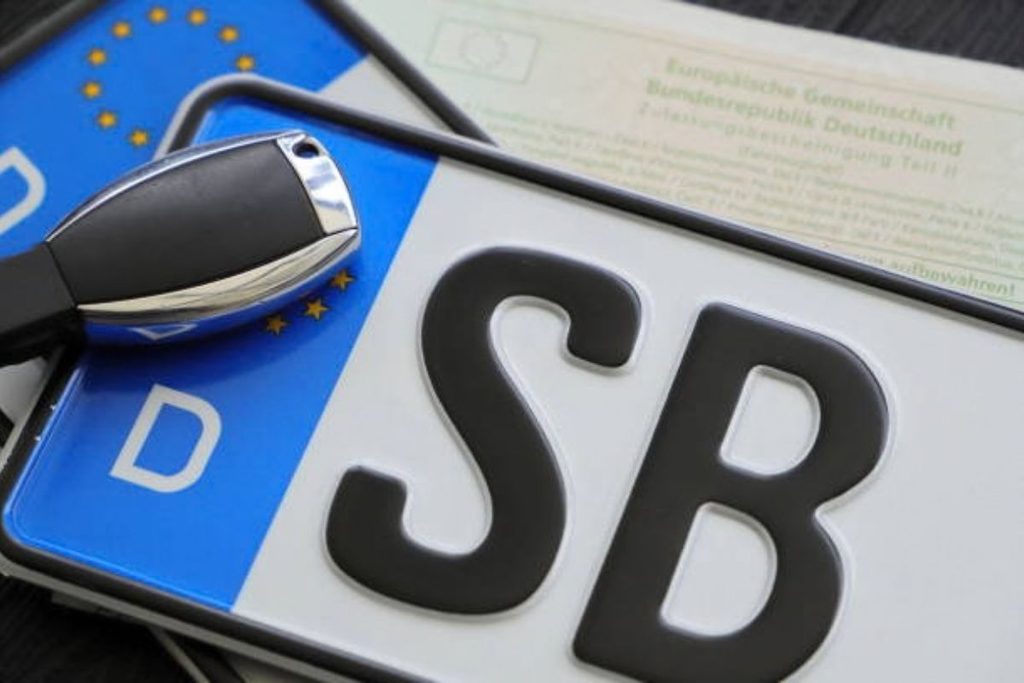
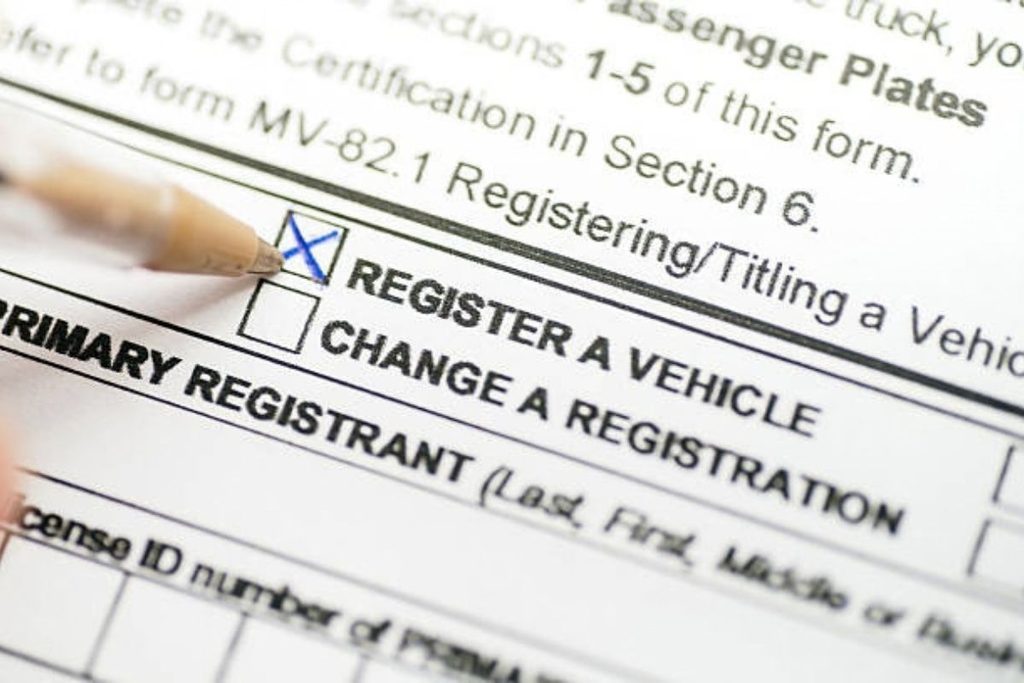
Besides purchasing, insurance companies and lenders also rely on these details to assess a vehicle’s authenticity and worth. A thorough check can reveal mileage inconsistencies, previous use as a taxi, or import history. In the event of legal or administrative issues, having verified details can also speed up the resolution process. For fleet managers and private individuals alike, consistent checks help maintain trust and transparency.
Steps to check vehicle information with registration details
Start by taking note of the complete registration number as displayed on the vehicle. It’s critical to accurately record this information, as even a small typo could produce misleading results. Once you have the correct registration, use an established online platform or government database to enter the number and request an information report. Services typically provide details like MOT expiry date, road tax status, engine specifications, emissions data, and colour of the car.
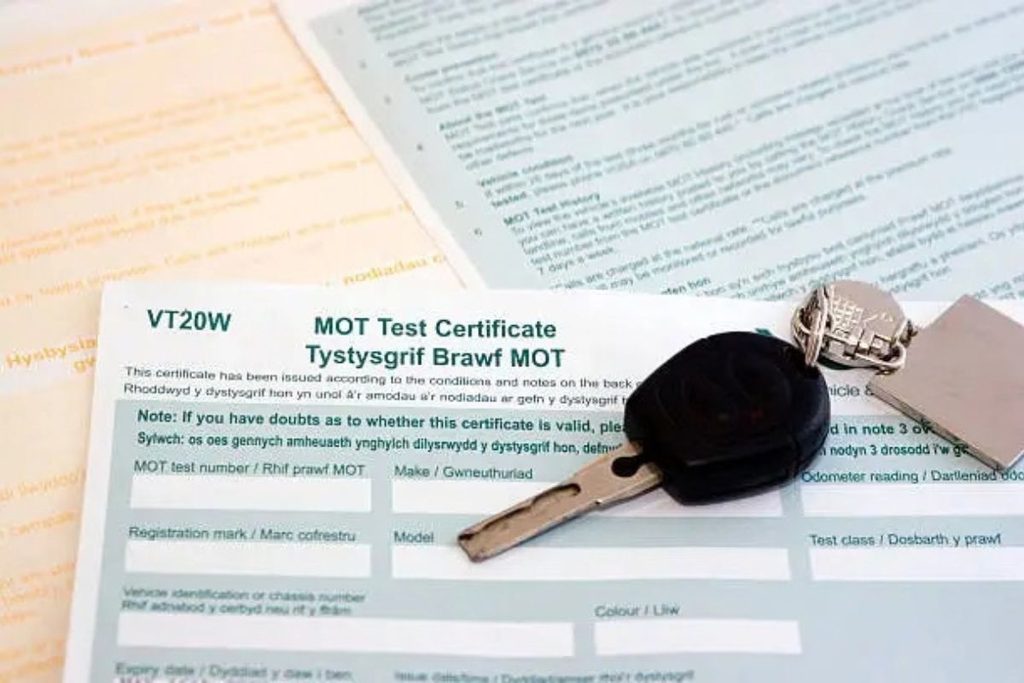
Some checks are freely available, while others require a small fee for full history reports, including accident or finance history. Compare the obtained details with those provided by the seller or the vehicle’s logbook (V5C). Any discrepancies, such as mismatched colours, invalid MOT records, or changed registration numbers, should be treated with caution. Always double-check that the documented information aligns with what you observe physically on the car, such as VIN plates and tax disc numbers.
Common red flags when verifying vehicles
While most vehicles will match their official records, you should stay alert for certain warning signs that may arise during your check. A change of registration or frequent changes in ownership over a short period can indicate potential issues with the car. If the MOT or tax records are missing or have large gaps, it’s wise to investigate further before proceeding. Inconsistent details, like mismatched VINs or discrepancies in mileage, can suggest possible tampering or illegal activity.
Another concern could be if the vehicle was previously written off or exported. These events are reflected in official reports and should be taken seriously, as they affect insurance premiums and legal status. The absence of service records or irregular maintenance history can also signal neglect or hidden problems. For peace of mind, always consider supplementing an online check with a professional inspection, especially for high-value vehicles or private sales where documentation may be incomplete. Being thorough helps you avoid costly mistakes and promotes safer transactions for all parties involved.
Images courtesy of unsplash.com and pexels.com