Over-ear headphones can be comfortable for all-day wear when their design supports long listening sessions instead of creating pressure points. The main advantage is simple: the ear cups surround the ears rather than pressing directly on them. which often feels gentler that on-ear styles over time.
Comfort, however, depends on more than size alone. Ear cup padding, breathable materials, clamping force, headphone shape, overall weight and adjustability all affect how headphones feel after several hours. Heat build up and listening volume also matter, especially during work, travel or study. If you want a clear answer, well-designed over-ear headphones are usually a strong choice for extended use, but the best experience comes from proper fit, smart adjustments and regular breaks.
What Makes Over-Ear Headphones Comfortable for Long Hours?
Ear Cup Design, Cushioning and Breathable Materials
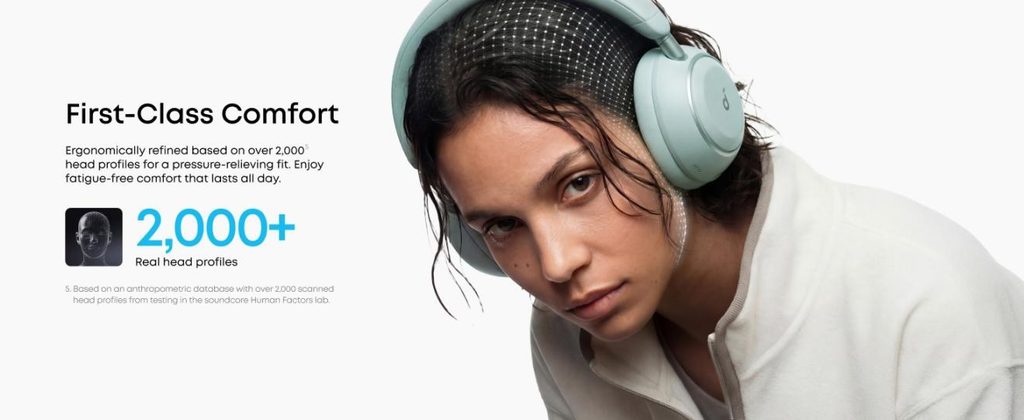
Ear cup design plays a major role in long-term comfort because it determines how evenly pressure is distributed around the ears. Well-shaped over-ear cups should sit around the ear instead of pressing against it, reducing soreness during extended wear. Soft cushioning also matters. Thick padding with slow-rebound memory foam can adapt to the side of the head and help limit hot spots. Materials make a difference too. Breathable coverings can reduce sweat and trapped heat, while smoother finishes feel less irritating over long sessions. A useful example is the Anker soundcore Space 2, which uses upgraded protein leather ear cushions with slow-rebound memory foam. That combination is designed to create a pressure-relieving fit for fatigue-free listening over longer periods.
Headband Pressure, Weight and Adjustable Fit
A comfortable pair of over-ear headphones should feel secure without squeezing too hard. Headband pressure affects comfort just as much as ear pad softness, because too much clamp can cause tension around the jaw and temples after a few hours. Weight also matters. Heavier Wireless Headphones can become tiring if the load is not spread evenly across the top of the head. That is why an ergonomic headband and a balanced frame are so important for all-day wear. Adjustability completes the fit. When the ear cups can slide to the right height, they align more naturally around the ears and reduce uneven force. A proper fit should feel stable while walking, sitting or working without creating constant pressure points.
Are Over-Ear Headphones Better for Extended Listening?

How Over-Ear Design Affects Ear Pressure and Heat
Over-ear headphones are often better for extended listening because they reduce direct pressure on the ears themselves. Instead of resting on the outer ear, they place contact around it, which usually feels less irritating over long sessions. This design can make a noticeable difference during flights, office work or long study periods. However, over-ear models can also trap warmth more easily than open designs, especially when the ear cushions form a close seal. Heat buildup may cause discomfort even when the padding feels soft at first. Choosing ear cups with enough interior space and supportive cushioning helps limit that problem. A fit that seals gently rather than tightly can improve comfort while still keeping the headphones secure through the day.
Sound Isolation and Listening Volume During Long Sessions
Good sound isolation can make over-ear headphones more comfortable in a less obvious way: it helps you listen at lower volume. When outside noise is reduced, you do not need to keep raising the sound to hear music, podcasts or calls clearly. That matters during long sessions because lower listening levels can feel less tiring and are generally easier on your ears. Noise cancelling can improve this effect further by cutting constant background sounds such as engine rumble or air conditioning. For example, Space 2 uses a 4-stage low-frequency noise cancelling system to block a wider range of environmental noise. Combined with clear audio from 40mm double-layer diaphragm drivers, that setup supports relaxed listening without pushing volume unnecessarily high.
Ways to Make Over-Ear Headphones More Comfortable

Adjust the Headband and Choose the Right Ear Cup Fit
The easiest way to improve comfort is to fine-tune the fit before a long listening session starts. Begin with the headband. Adjust it so the ear cups sit evenly around your ears without pulling upward or hanging too low. The headband should rest securely on the top of your head without creating a sore spot. Next, check the ear cup position. Your ears should fit fully inside the openings, with the padding resting against the head rather than pressing on the ear itself. If one side feels tighter, readjust instead of tolerating uneven pressure. A small fit correction can make a major difference over several hours. Proper alignment reduces clamp-related discomfort, improves stability and helps maintain a more consistent seal.
Take Listening Breaks and Keep Your Ears Cool
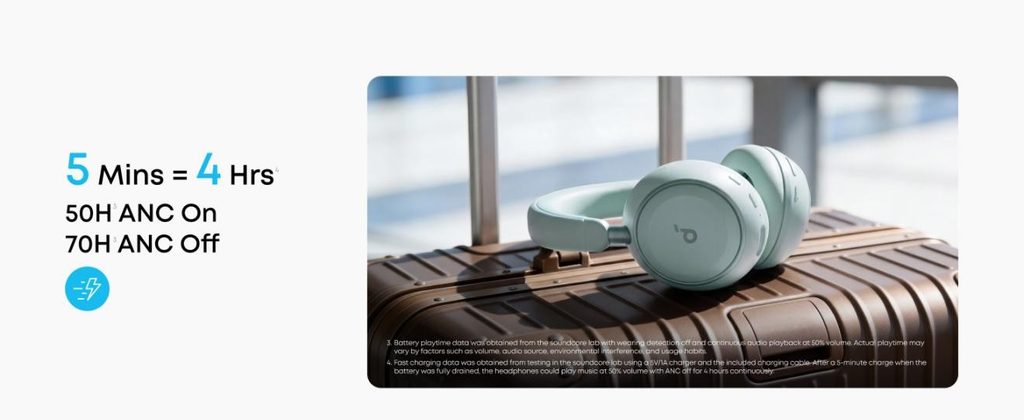
Even very comfortable over-ear headphones feel better when you use them with a few practical habits. Take short listening breaks throughout the day to relieve pressure, reduce warmth and give your ears time to rest. Removing the headphones for a few minutes each hour can help prevent soreness from building gradually. Keeping your ears cool also improves comfort. If you notice heat or moisture, lift the ear cups briefly and let air circulate before continuing. Lowering the volume can reduce listening fatigue as well. Battery life can support these longer routines too. Space 2 offers up to 50 hours with ANC on or 70 hours with ANC off, plus a 5-minute fast charge for 4 hours of playback, which helps avoid unnecessary interruptions.
Conclusion
Over-ear headphones can be comfortable for all-day wear, and they are often one of the best options for longer listening sessions. Their around-the-ear design usually reduces direct ear pressure, while soft cushioning, balanced weight and a well-shaped headband improve comfort over time. The most comfortable experience comes from headphones that fit properly, stay breathable and provide enough isolation to keep listening volume lower. Features such as memory foam ear cushions, ergonomic support and effective noise cancelling can make a noticeable difference during work, travel or relaxation. Just as important, small habits like adjusting the fit correctly and taking brief breaks help prevent fatigue. If comfort is your priority, a well-designed over-ear model is a practical choice for extended daily use.
Some images supplied. Some images courtesy of unsplash.com and pexels.com