Glasses wearers should check six things before buying ANC headphones: ear cup depth, ear cup size, cushion material, lamping force, headband adjustability, and how well noise cancellation still works when frames break the seal.
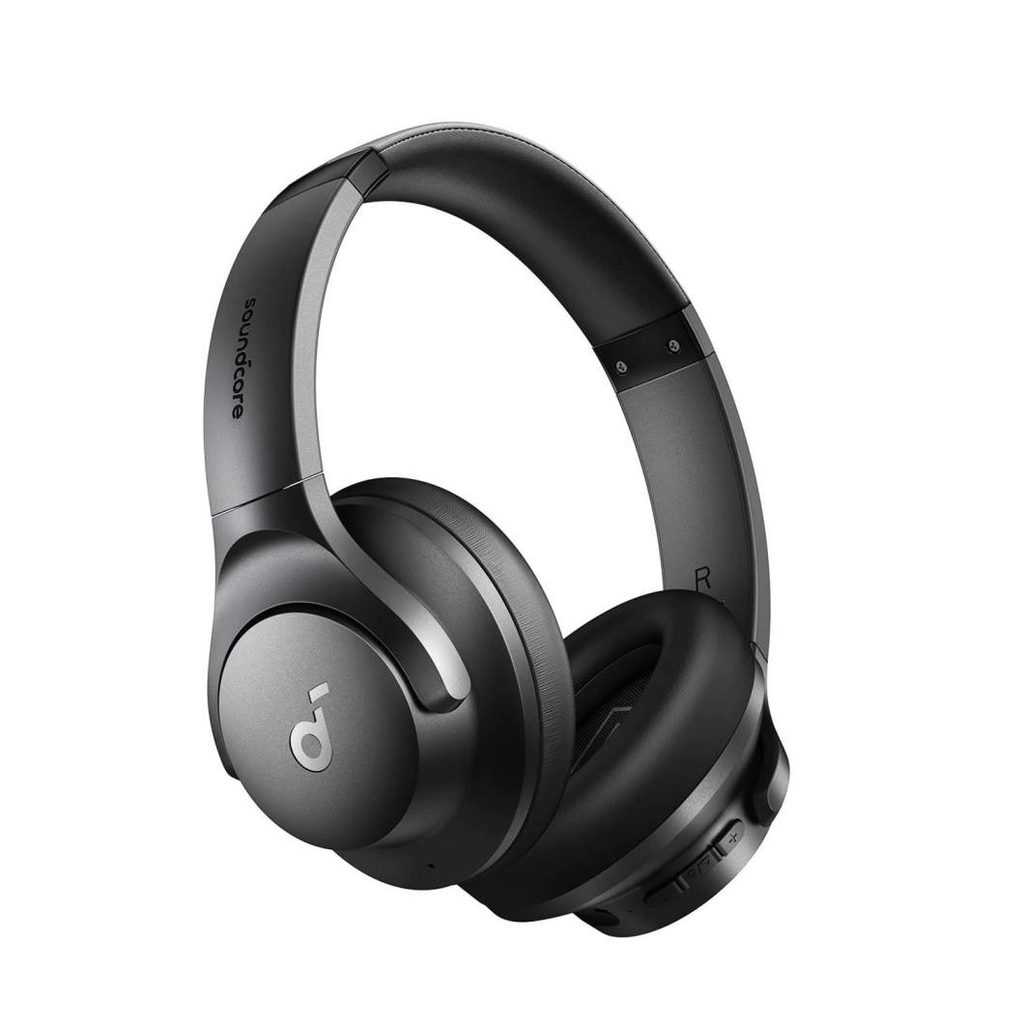
These details affect comfort more than marketing claims about sound alone. If the pads press your temples or squeeze your frames against your head, even strong ANC can become tiring within an hour. A better choice of headphones balances pressure, padding, and fit so you get quiet listening without soreness. It also helps to look at practical features that support daily use. For example, the Anker Q20i offers hybrid ANC, oversized 40mm drivers, app EQ control, multipoint Bluetooth 5.0, and up to 40 hours of battery life with ANC on.
Why Can ANC Headphones Feel Uncomfortable with Glasses?
How Ear Cup Pressure Affects Glasses Frames
Ear cup pressure matters because over-ear pads sit directly around the area where glasses arms rest. When the clamp is too strong or the padding is too firm, the cushions push the frames into the skin near the temples and above the ears. That pressure can create hot spots, soreness, and headaches during longer listening sessions. Thicker plastic frames usually make the problem more noticeable because they occupy more space between the pad and your head. Even lightweight metal frames can become uncomfortable if the ear cups compress unevenly. Glasses wearers should look for pads that distribute force broadly instead of creating a narrow pressure line where the frame arms meet the side of the head.
Why Headband Fit and Wearing Position Matter
Headband fit changes how weight and pressure are distributed across your head, which directly affects comfort with glasses. If the headband sits too high, the ear cups may pull upward and press harder on the top part of your frames. If it sits too low or the sliders do not adjust evenly, the pads can pinch around the ears and shift your glasses out of position. A stable fit helps the cups rest naturally around the ears instead of fighting against the frame arms. Glasses wearers should check whether the headband extends smoothly, stays balanced on both sides, and keeps the headphones secure without excessive squeeze. Small fit adjustments often make a noticeable difference.

Design Features Glasses Wearers Should Compare
Ear Cup Depth, Size and Cushion Materials
Ear cup depth is one of the first things glasses wearers should compare. Shallow cups can let your ears touch the inner surface while also pressing the pads harder against your frame arms. Deeper, wider cups usually create more room for both ears and glasses, which reduces concentrated pressure. Size also matters because a cup that fully surrounds the ear tends to feel more stable than one that partly rests on it. Cushion material influences both comfort and seal. Softer memory foam can adapt around thin frame arms better than stiff padding, while smooth coverings reduce friction during long sessions. Look for cushions that feel supportive, compress gradually, and recover shape without becoming overly dense.
Clamping Force, Headband Adjustability and Weight
Clamping force should feel secure, not tight. For glasses wearers, excessive clamp is often the fastest route to discomfort because it magnifies pressure where the pads meet the frame arms. Moderate clamp paired with good adjustability usually works better than a loose fit that slides around. Check whether the headband offers enough extension, even left and right adjustment, and stable positioning while seated or walking. Weight also matters during long sessions. Heavier headphones can increase downward pressure and make glasses shift more often. A practical way to judge this is to wear the headphones for at least fifteen minutes with your usual frames. If you notice temple pain early, the fit is probably too aggressive.
How to Evaluate ANC Performance Without Sacrificing Comfort
Passive Isolation vs Noise Cancellation
Passive isolation comes from the physical seal created by the ear cups and padding, while active noise cancellation uses microphones and processing to reduce outside sound. Glasses wearers need both working together. A comfortable headphone with weak passive isolation may let in too much noise, forcing ANC to do more work. On the other hand, a tight seal that hurts after thirty minutes is not a good solution either. Aim for a model that blocks steady low-frequency noise effectively without relying on extreme clamping force. On the Anker Q20i, hybrid ANC uses 2 internal and 2 external microphones to reduce up to 90% of external noise, and Transparency mode helps when you need to hear announcements or traffic.
How Glasses Can Affect the Ear Cup Seal and Noise Reduction
Glasses can weaken noise cancelling headphones performance because the frame arms create a small gap between the ear pad and your head. That gap reduces passive isolation first, then limits how effective noise cancellation feels in real use. The impact is often strongest with low, steady sounds such as engines, HVAC hum, and road noise, where a consistent seal helps a lot. Thin metal frames usually interfere less than thick acetate arms, but fit and pad softness matter just as much. To test this, wear your usual glasses, turn ANC on, and compare the result with and without slight cup repositioning. If moving the cups improves quietness noticeably, the pads may not be sealing well around your frames.
Conclusion
Before buying ANC headphones, glasses wearers should focus on fit details that directly affect both comfort and noise reduction. Start with ear cup depth, size, and cushion softness, then check clamping force, headband adjustment, and overall weight. These six points reveal far more than a feature list alone. A good pair should surround the ears comfortably, avoid pressing frame arms into your temples, and maintain a reliable seal without excessive squeeze. It should also deliver effective ANC in the way you actually wear it, with your everyday glasses on. If you test headphones with your own frames and pay attention to pressure and seal, you can find a model that stays comfortable longer and keeps your listening experience quieter and more enjoyable.
Some images supplied. Some images courtesy of unsplash.com and pexels.com