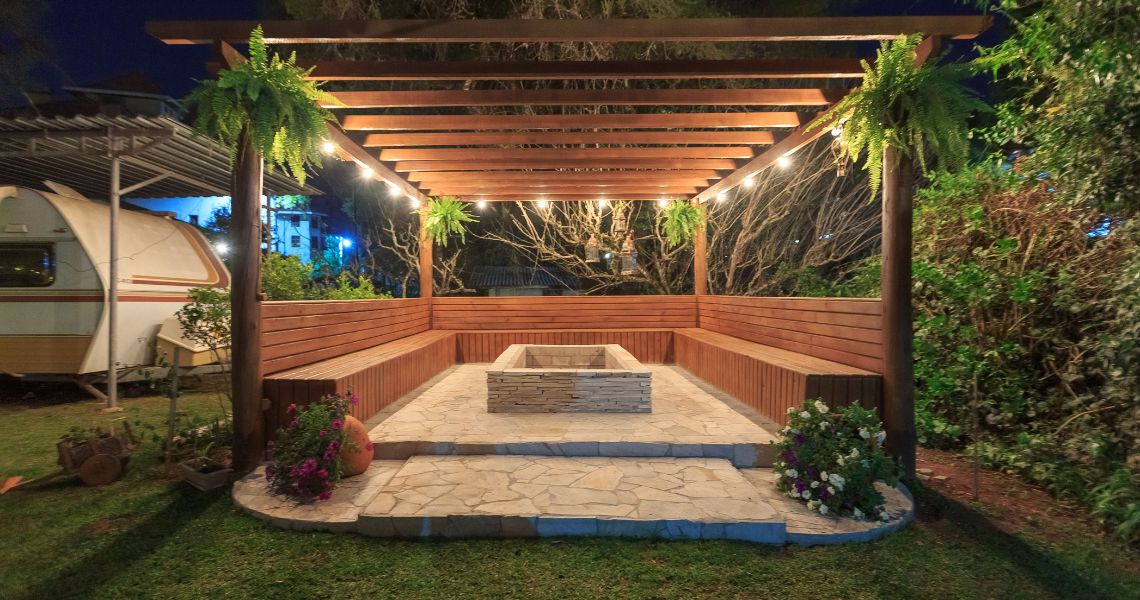
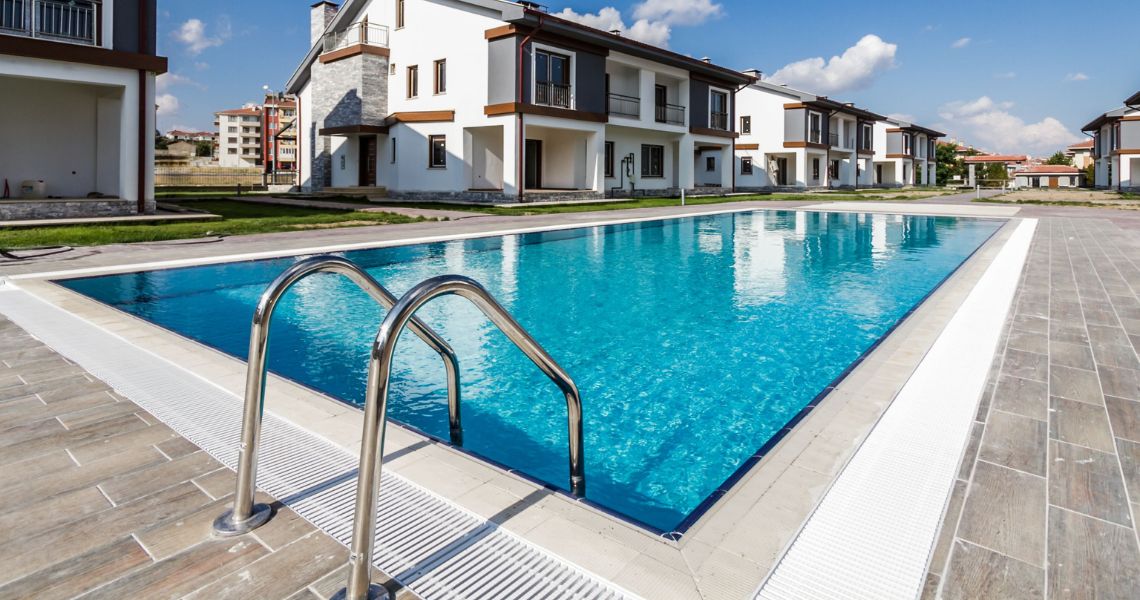
It always starts the same way with the new fence standing straight and the decking shining in the sun. The timber that you have bought for your project looks fresh, solid, and promises years of use. Then winter hits and warping begins, corners lift, and moisture seeps in. By the time spring returns, the project you thought was done needs doing all over again.
This is a common issue of choosing timber based on appearance or price alone often guarantees one thing: replacement. This guide unpacks where things go wrong and how choosing timber from a knowledgeable timber merchant helps you build once and build right.
The Real Price of Timber Mistakes Nobody Warns You About
That inexpensive timber might look like a bargain, but hidden costs appear within months.
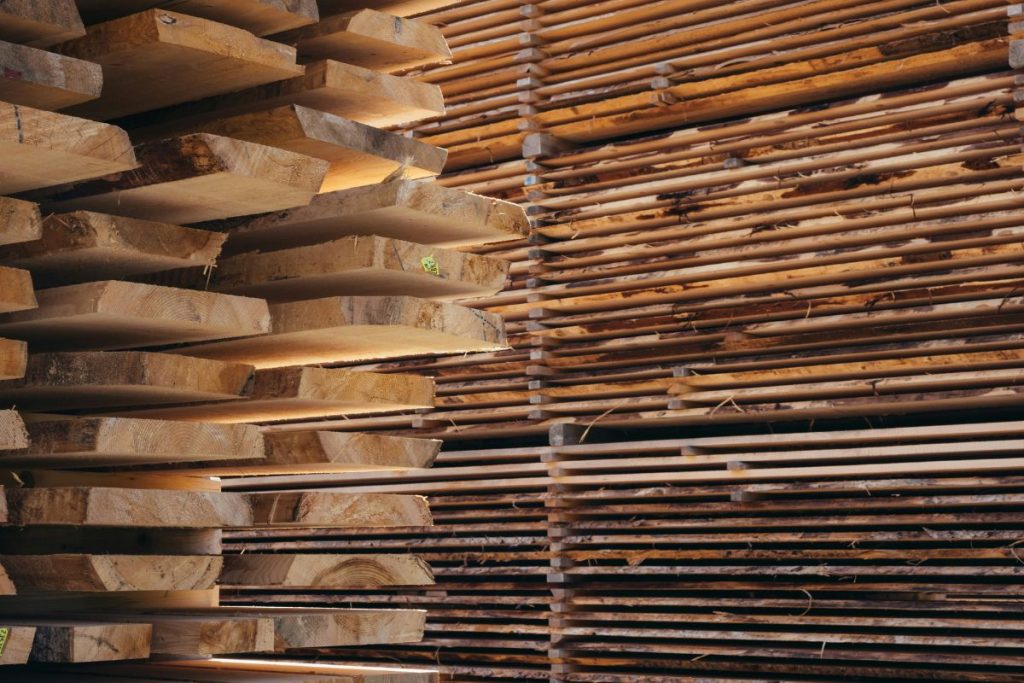
Boards begin to swell from frost, exterior panels loosen or come away, and what once felt solid begins to shift and rot. You’re left paying for replacement materials, new fixings, and the time to undo what shouldn’t have failed in the first place.
Even minor repairs become major when timber begins to degrade. For example, a raised planter built with the wrong grade of wood can collapse under moisture pressure, spilling soil and damaging paving or surrounding features.
But these issues can be avoided when the right timber is chosen from the start.
Choosing a regional timber merchant with stock suited to your climate and application protects your project from early failure.
How to Pick Timber That Won’t Fail
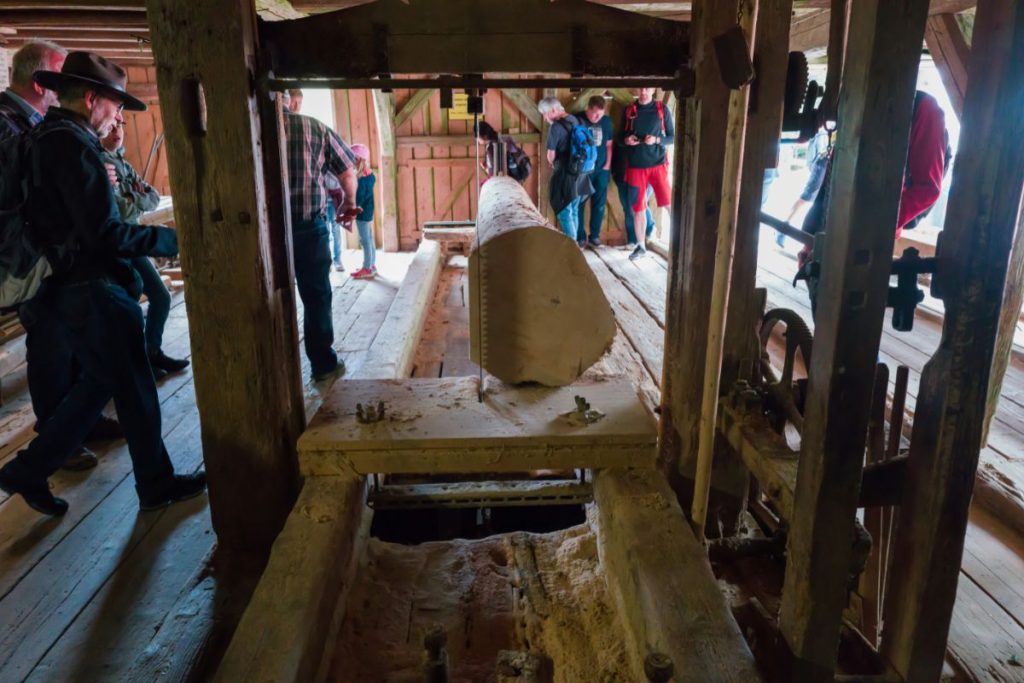
When you buy from a skilled regional timber merchant, they’ll ask where and how it’s being used, whether it will face rain, frost, soil contact, or direct sun.
This is because the difference between gradings like UC3 and UC4 may not be visible at a glance, but it decides how well your fence, decking, or outdoor fixtures withstand the elements.
UC3 timber is designed for above-ground use with minimal moisture exposure.
UC4, on the other hand, is pressure-treated for direct ground contact and wetter environments.
Choosing the wrong class means the timber starts to fail from the inside out.
These small details dictate which treatment class you need, and prevent a second purchase next season.
Weather & Ground Hacks: Make Your Timber Last Decades
You might not think of soil or wind when buying timber, but they decide how long your material lasts.
Clay-heavy areas like parts of Northamptonshire swell and shrink with moisture, putting strain on posts and boards.
Damp woodland locations cause slow rot, while exposed hills can weather timber fast.
Even urban gardens with paved surroundings retain more surface heat than open rural plots.
Timber sitting on poorly draining soil or near brickwork that retains moisture, such as areas close to downpipes or shaded foundations, will deteriorate faster.
This is where local knowledge matters. A timber supplier familiar with your region can suggest moisture-resistant profiles, sealing end grains, or even composite support points to reduce contact.
Remember: A trusted timber supplier understands how timber performs in your postcode and stocks accordingly. That regional awareness often means the difference between five years and fifteen.
Imported Wood May Look Good: But Here’s the Catch
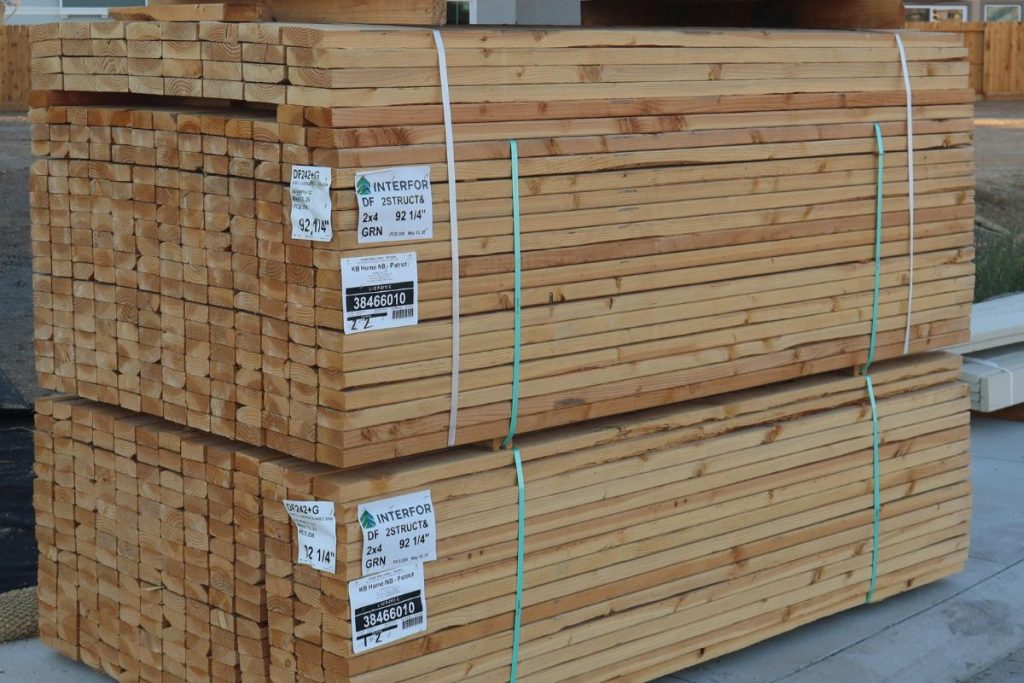
Mass-market timber might be convenient, but it comes with hidden risks as stock may be untreated beyond the minimum.
Large chains also move timber through multiple suppliers leading to inconsistency in treatment standards, shrinkage variations, and unexpected defects that only reveal themselves once your build is underway.
Local timber merchants curate their stock with their climate in mind. They offer varied profiles, accurate cuts, and timber treated beyond basic specs. More importantly, they understand the relationship between fixings, application, and treatment class.
TIP: One conversation with a local supplier often reveals smarter, longer-lasting options. It’s the kind of detail that prevents a rebuild after winter, and it’s not something a barcode scanner can offer.
The Silent Timber Mistakes That Wreck Your Build
Failures rarely happen because of one big oversight. It’s usually a collection of small, avoidable missteps.
- Cladding with no ventilation behind it causes moisture buildup, leading to potential failure.
- Decking laid flush to the ground leaves no airflow, which can trap moisture underneath and lead to accelerated rot and timber decay.
- End grains left unsealed act like straws for water.
- Using screws and fasteners meant for indoor use outdoors causes rust stains and joint failure.
The danger lies in these issues remaining hidden until it’s too late. Surface paint might hide rot, or fixtures might hold together long enough to lull you into false security. By the time visible signs appear, the failure is often beyond minor repair.
Remember: These mistakes often begin with sourcing. A quality local timber supplier flags these points early. They know that outdoor builds need airflow, that sealant matters, and that UV exposure changes everything. Their insight at the point of sale saves you from later issues.
Smarter Timber Starts With Smarter Questions: Ask These First
Choosing timber well isn’t about memorising product codes. It’s about asking the right questions:
- What is this timber treated for?
- Will it face ground contact or UV exposure?
- What fixings should I pair with it?
- Can this be cut to size for my frame?
- Is this wood likely to move or split with temperature shifts?
Five minutes with the right supplier avoids five months of regret.
A dependable timber merchant answers those questions clearly, with experience, not guesswork.
Stop Rebuilding: Choose Timber That’s Right the First Time
If there’s one thing every homeowner learns the hard way, it’s this: timber fails when you choose it for cost, not for context.
Projects don’t always fall apart because of bad builders, they can often fall apart because the wrong materials were used in the wrong place.
A fence post with the wrong treatment or a deck board laid without spacing leads to costly winter surprises.
Images courtesy of unsplash.com and pexels.com