For many UK families, home maintenance is no longer viewed as an occasional chore that can be postponed indefinitely. Rising repair costs, unpredictable weather conditions, increasing energy bills, and growing awareness of property value protection are all changing how homeowners approach looking after their homes.
Instead of waiting for something to go wrong, more families are adopting a preventative mindset. Small maintenance tasks that once seemed easy to delay are now being treated as essential investments in long-term financial security and household comfort. Recent surveys show that many homeowners have underestimated the true cost of home upkeep, with home maintenance expenses becoming a major concern across the UK.
Rising Repair Costs Are Encouraging Earlier Action

One of the biggest reasons preventative home maintenance is becoming more important is the rising cost of repairs and tradespeople. Labour shortages, material inflation, and increasing demand for specialist contractors have significantly pushed up the cost of emergency home repairs in recent years.
Research suggests homeowners are now spending thousands of pounds annually on maintenance and upkeep, with repair costs representing one of the largest ongoing expenses associated with homeownership.
As a result, many families are recognising that small preventative jobs often cost far less than large-scale emergency repairs. Fixing a minor roof issue, replacing damaged sealant, or servicing a boiler early can prevent much larger and more expensive problems later.
Energy Efficiency Has Become a Household Priority
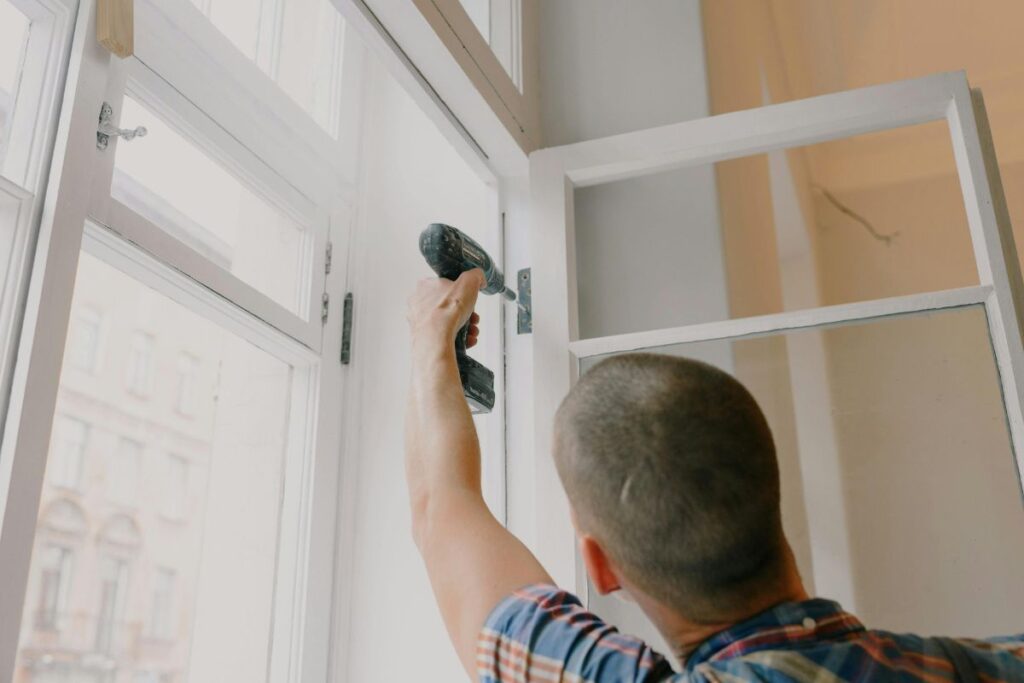
The sharp rise in household energy bills has encouraged families to pay much closer attention to how efficiently their homes operate. Preventative maintenance now plays a major role in reducing wasted energy and improving household comfort.
Draft-proofing windows, checking insulation, servicing heating systems, and repairing damaged gutters or roofs all contribute to better energy efficiency. Government guidance increasingly encourages homeowners to improve insulation, reduce heat loss, and maintain heating systems properly to lower bills.
For many households, maintenance is no longer simply about avoiding damage. It is also about controlling monthly living costs.
Water Damage Is One of the Biggest Concerns for Homeowners
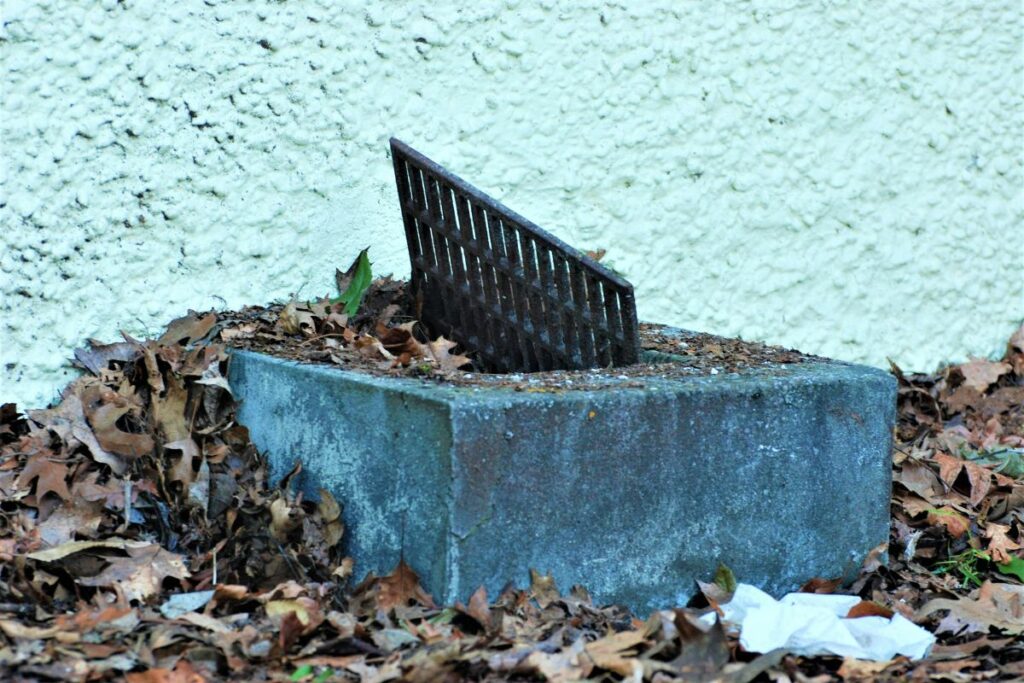
Water damage remains one of the most destructive and expensive issues affecting UK homes. Small leaks, blocked drainage systems, and damaged gutters can quietly cause major structural problems if ignored for too long.
Many families are becoming more proactive about inspecting roofs, plumbing, and external drainage systems as part of their home maintenance, because they understand how quickly moisture problems can escalate into mould, damp, and costly structural repairs. Property experts frequently warn that even minor leaks can create significant long-term damage if left unresolved.
This has led to growing demand for preventative exterior maintenance services, including professional gutter repairs, which help protect homes from rainwater overflow, drainage failures, and hidden water ingress.
Extreme Weather Is Creating New Maintenance Challenges
UK weather patterns have become increasingly unpredictable, with storms, prolonged rainfall, heatwaves, and freezing conditions placing additional pressure on homes throughout the year.
Heavy rainfall can overwhelm blocked gutters and drainage systems, while strong winds can damage roofing materials and exterior structures. At the same time, fluctuating temperatures place stress on brickwork, pipes, and seals around windows and doors.
Families are becoming more aware that preventative inspections before winter and after major storms can help identify vulnerabilities early and reduce the risk of sudden repair emergencies.
Families Want to Protect Property Value
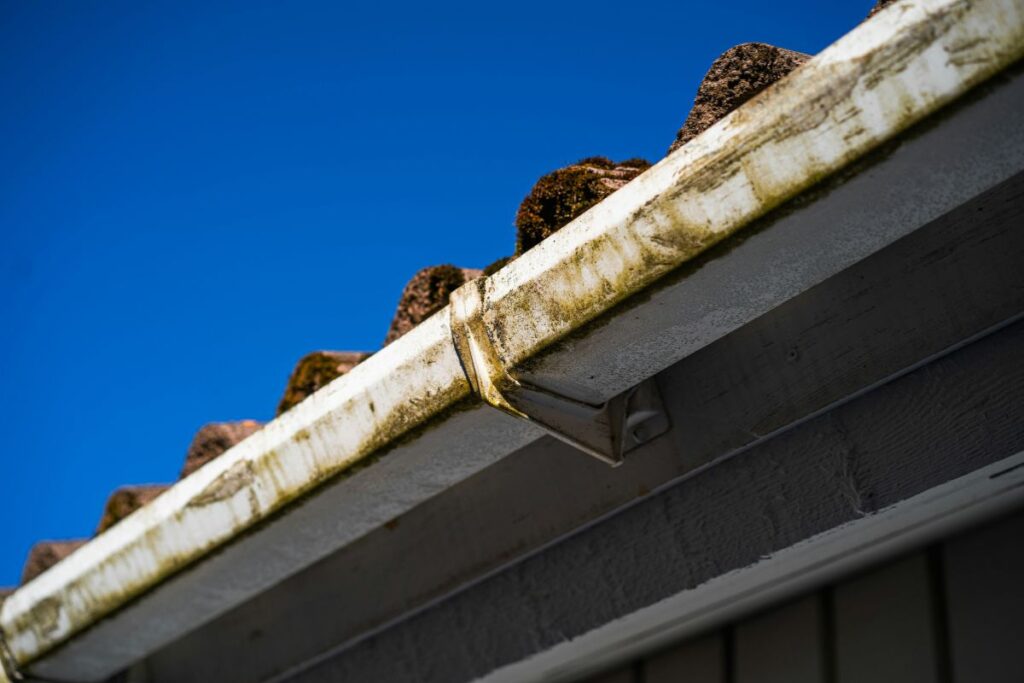
For many households, their home is their largest financial asset. Preventative maintenance helps preserve that investment by preventing visible deterioration and protecting structural integrity over time.
Properties that show signs of neglect often become harder to sell and may require significant remedial work before entering the market. Damp, roof damage, outdated electrics, and unresolved structural issues can all reduce buyer confidence.
Preventative maintenance allows homeowners to retain the appearance, safety, and long-term value of their property while avoiding the financial shock of large, unexpected repair bills.
More Families Are Taking a Long-Term Financial View
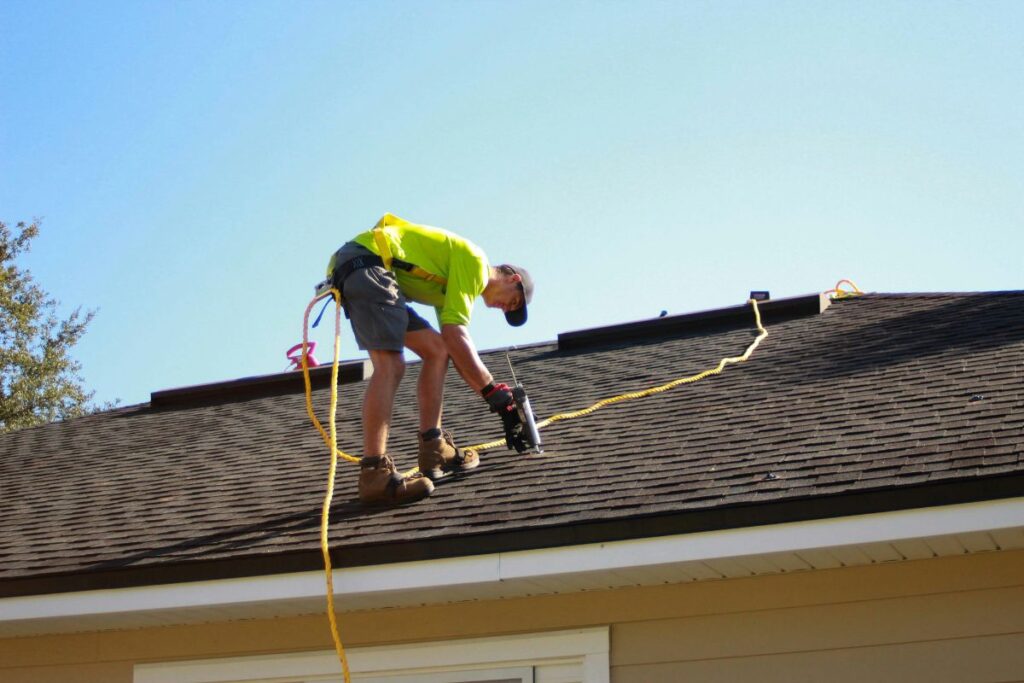
The cost-of-living crisis has changed how many households think about spending. Instead of viewing maintenance as an inconvenience, families are increasingly treating it as part of responsible financial planning.
Preventative maintenance spreads costs more evenly across the year and reduces the likelihood of major emergency expenses. Regular servicing, inspections, and upkeep create more predictable household spending patterns compared to sudden breakdowns or urgent structural repairs.
This mindset shift is encouraging homeowners to schedule annual maintenance routines rather than waiting for visible problems to appear.
Home Safety Is Becoming More Important
Families are also placing greater emphasis on creating safe living environments. Preventative maintenance plays a key role in reducing risks associated with faulty electrics, damaged roofing, mould growth, poor ventilation, and ageing heating systems.
Routine checks on boilers, smoke alarms, electrical systems, plumbing, and drainage can help identify hazards before they become serious threats to household safety. Guidance from housing and maintenance organisations consistently recommends regular inspections to avoid preventable problems.
For households with children or elderly family members, this proactive approach to safety is becoming increasingly important.
Images courtesy of unsplash.com, pexels.com and freepix.com