The UK’s weather has always been unpredictable, but in recent years, many homeowners have noticed increasingly extreme conditions throughout the year. Heavy rainfall, stronger storms, heatwaves, and sudden temperature changes are becoming more common, creating new challenges for property owners across the country.
While the changing weather conditions cannot be controlled, there are many practical steps homeowners can take to protect their properties from potential damage.
Step 1: Consider the Impact of Extreme Weather
Weather-related property damage can take many forms. Heavy rain can lead to flooding and damp issues; strong winds may damage roofs and fences; and prolonged heat can affect building materials and garden landscaping. Even relatively minor weather events can have a significant impact if a property is not properly maintained. Small weaknesses that go unnoticed during mild conditions often become more apparent when exposed to severe weather. Regular inspections and preventative maintenance are among the most effective ways to reduce the likelihood of weather-related damage.
Step 2: Inspect Your Roof (and do so Regularly)
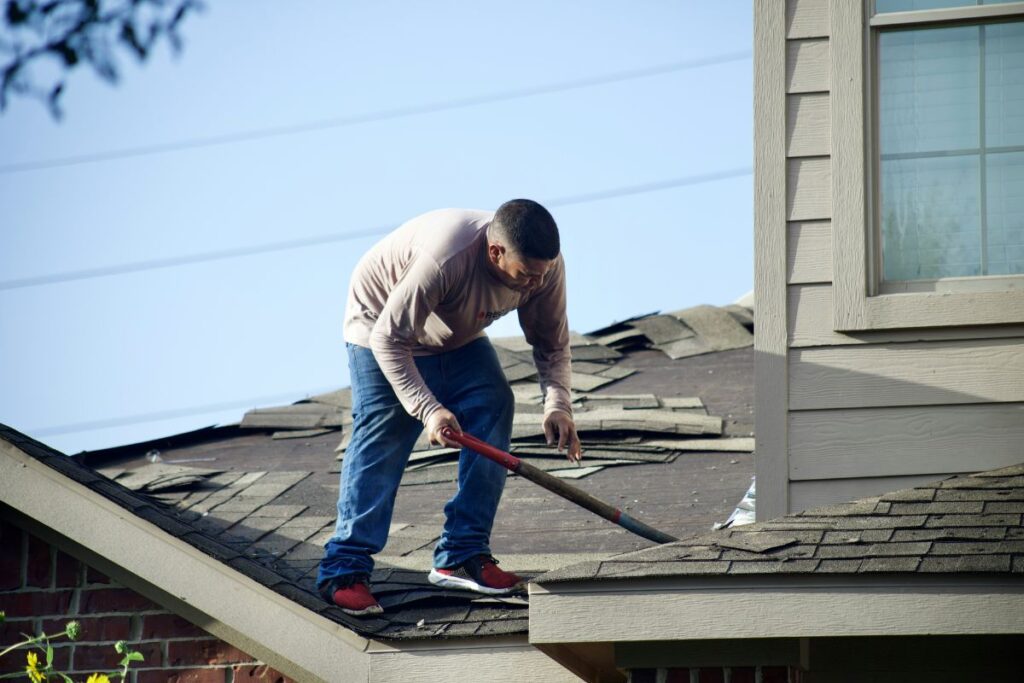
Your roof serves as the first line of defence against the elements. Any weaknesses in the roofing system can quickly allow water to enter the property, leading to expensive repairs. Property owners should check for missing tiles, damaged flashing, cracked mortar, and any signs of sagging or deterioration. Following periods of strong winds or heavy storms, it is particularly important to inspect the roof for damage. Professional roof inspections can identify issues that may not be visible from ground level and help prevent small problems from becoming major concerns.
Step 3: Maintain Your Gutters and Drainage Systems
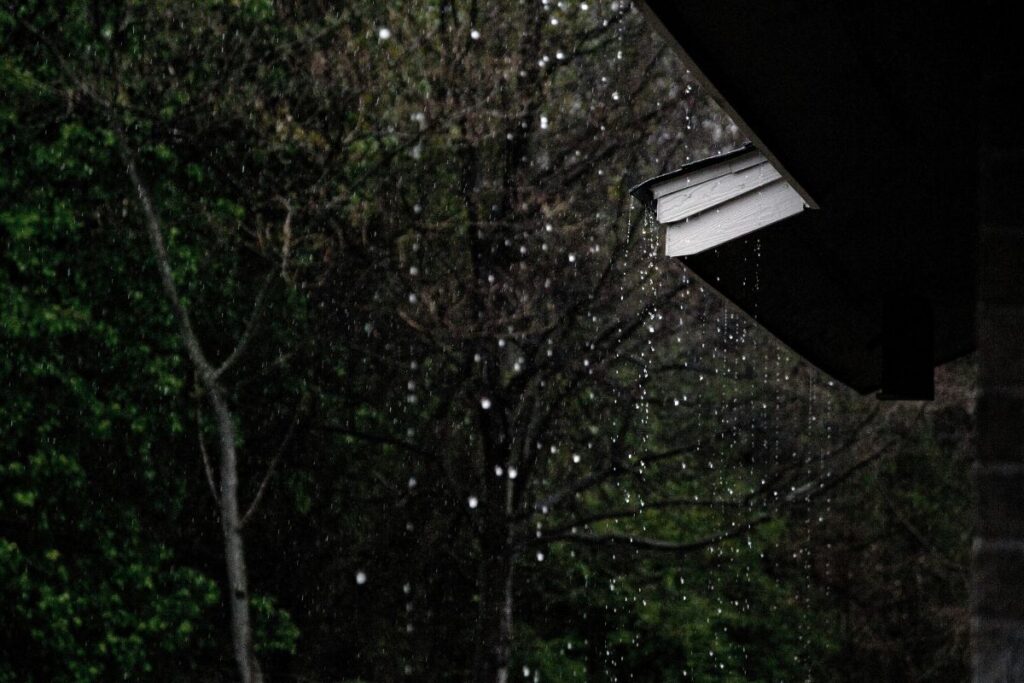
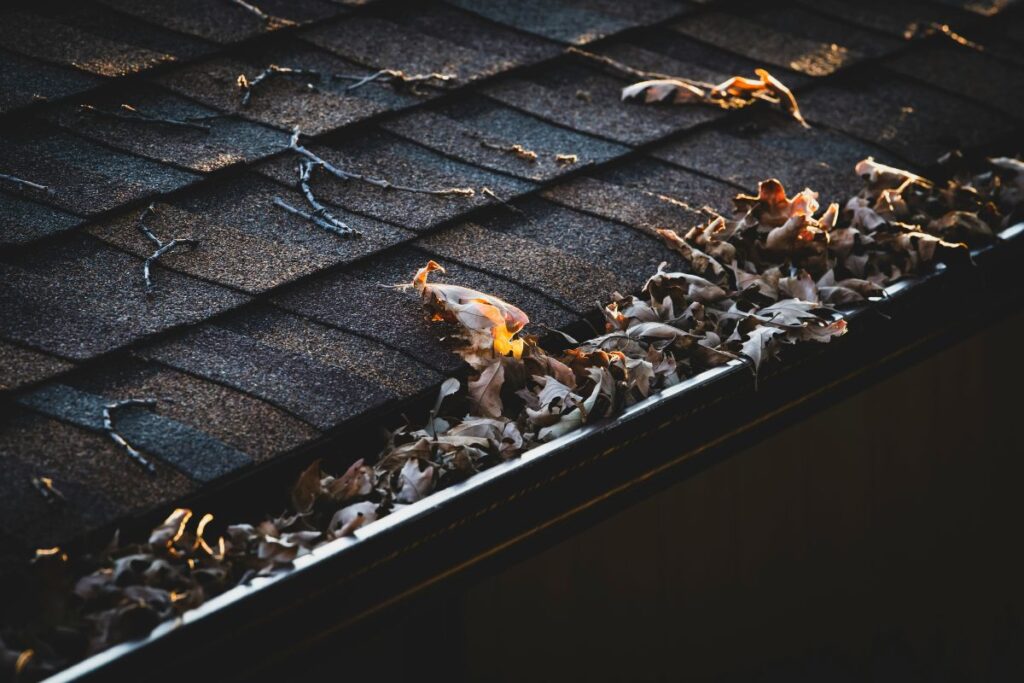
One of the most important yet often overlooked aspects of weather preparation is ensuring rainwater can flow away from the property effectively. Blocked gutters can cause water to overflow and run down external walls, increasing the risk of damp, mould, and structural damage. Similarly, blocked drains can lead to standing water and localised flooding during periods of heavy rainfall.
Regular professional gutter cleaning helps remove leaves, moss, and debris that can restrict water flow. By keeping gutters and drainage systems clear, homeowners can significantly reduce the risk of water-related property damage throughout the year.
Step 4: Check Doors and Windows
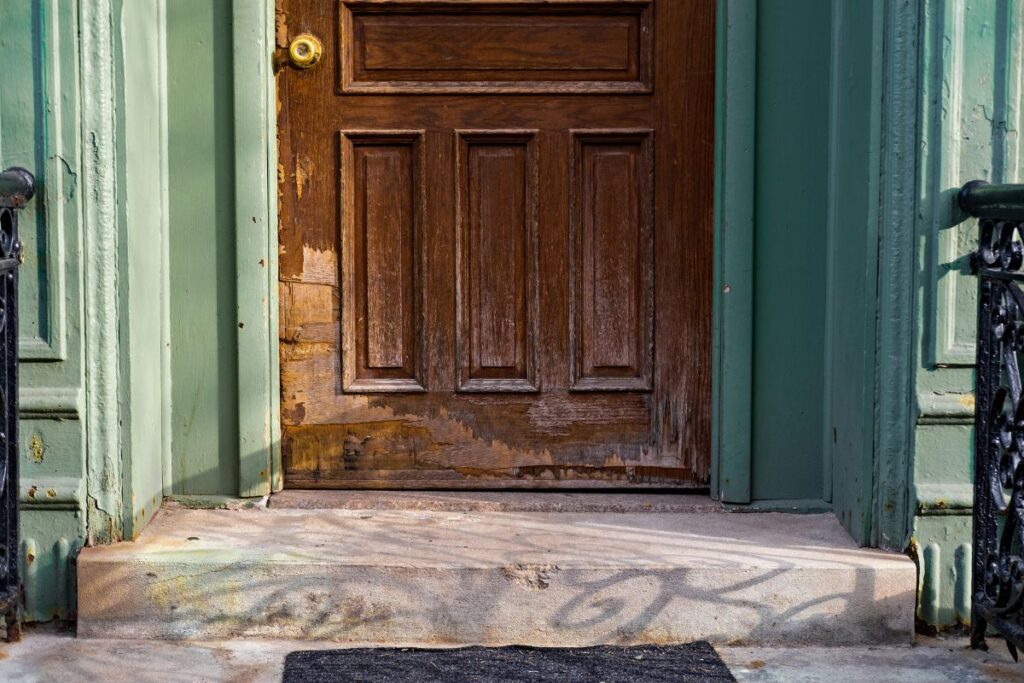
Doors and windows are vulnerable points within any property. Damaged seals, cracked frames, or gaps around fittings can allow water, drafts, and heat loss to become a problem.
Inspecting seals regularly and replacing any that show signs of wear can improve energy efficiency while helping to prevent moisture from entering the property. During periods of heavy rain and strong winds, well-maintained doors and windows provide valuable protection against the elements. Simple maintenance tasks can often make a noticeable difference to both comfort and heating costs.
Step 5: Prepare for Strong Winds
Storms and high winds can cause considerable damage if outdoor areas are not properly secured. Loose garden furniture, decorative items, and poorly maintained fences can all become hazards during severe weather. Homeowners should inspect fences, gates, sheds, and other external structures for signs of weakness. Trimming overhanging tree branches can also help reduce the risk of storm-related damage. Taking these precautions before severe weather arrives can help prevent unnecessary repair costs and improve safety around the property.
Step 6: Protect Outdoor Spaces
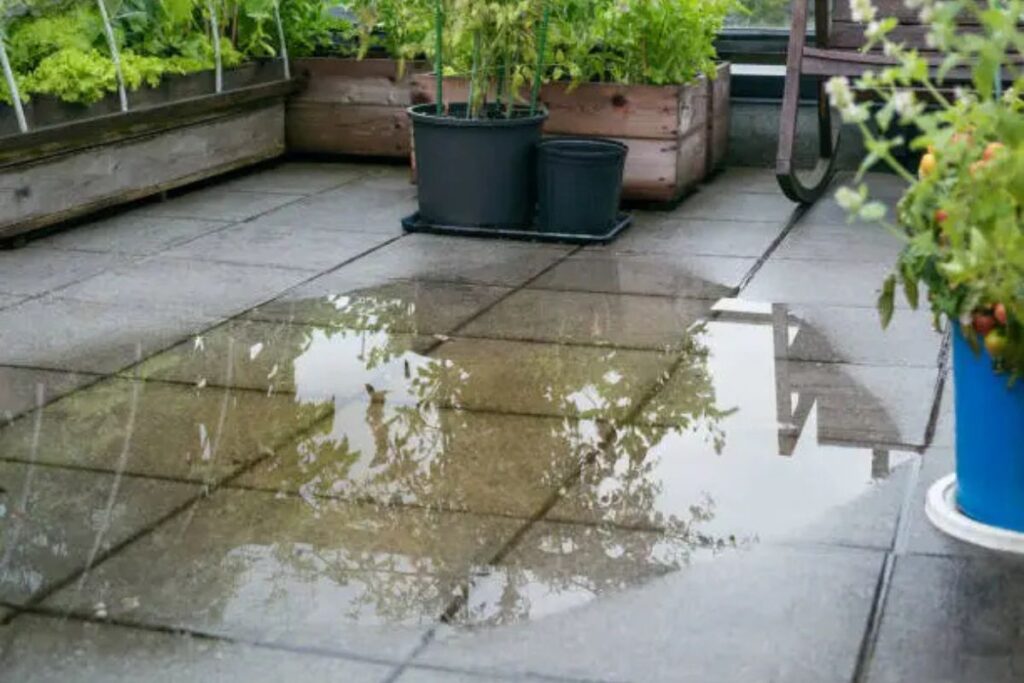
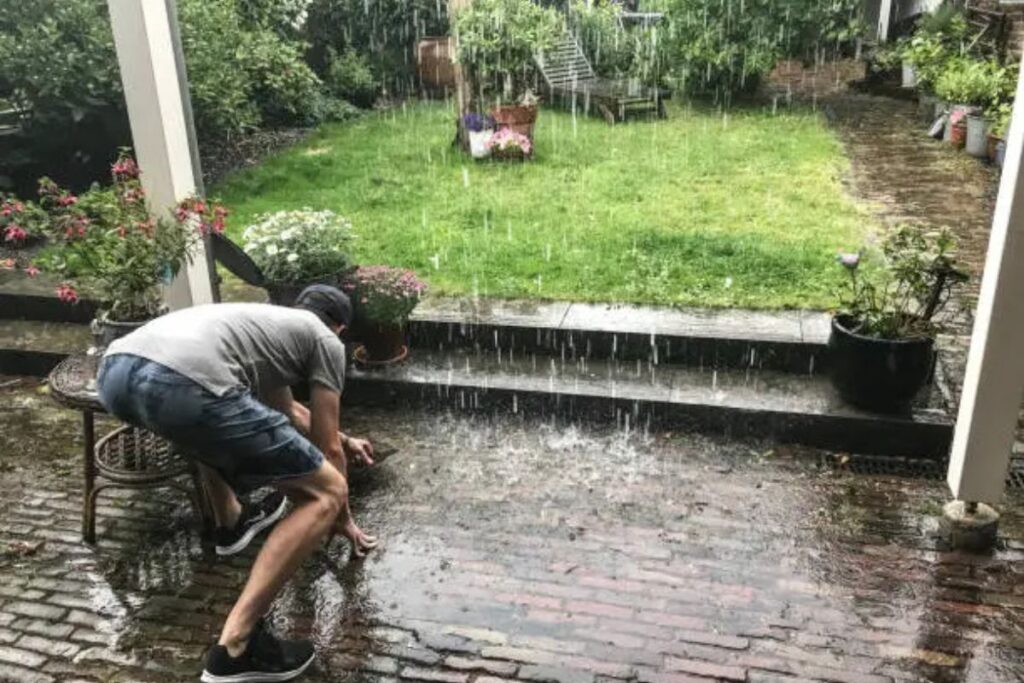
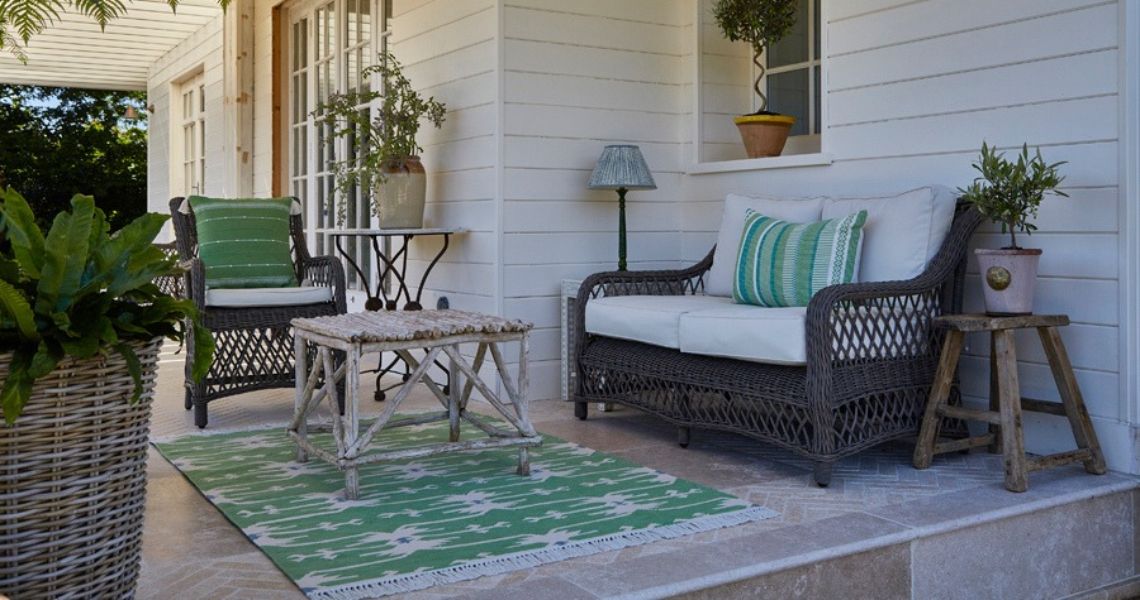
Gardens, patios, and outdoor living areas can be particularly vulnerable to extreme weather. Heavy rainfall may cause drainage issues, while strong sunlight and heat can affect plants, lawns, and outdoor furniture. Property owners should ensure patios and decking areas remain well-maintained and that garden drainage systems function correctly. Choosing weather-resistant materials for outdoor furniture can also help extend its lifespan. A little preparation can help ensure outdoor spaces remain enjoyable throughout the changing seasons.
Step 7: Be Ready for Winter Conditions
Although severe winters are less common than in some parts of the world, freezing temperatures and occasional snowfall can still create challenges for homeowners. Insulating exposed pipework, servicing boilers, and checking heating systems before winter arrives can help prevent breakdowns during colder periods. Homeowners should also ensure they have access to basic winter supplies in case adverse weather disrupts travel or services. Preparing early often helps avoid the inconvenience and expense associated with emergency repairs during the winter months.
Staying Prepared Throughout the Year
Britain’s changing weather conditions are unlikely to become more predictable in the coming years, making preparation increasingly important for homeowners. While it is impossible to prevent every weather-related issue, a well-maintained property is far better equipped to withstand changing conditions. Ensure you follow these essential steps.
Images courtesy of unsplash.com, pexels.com and freepix.com