

Do you want to find out what is really causing havoc with your home’s plumbing?
Rarely is it a storm damaging your pipes. Or tree root. Or plain ol’ bad luck. It’s the little things. Habits you never gave any thought. Dumping bacon grease in the sink. Swiping and flushing. Listening to that toilet hiss at you at 2am and walking away.
None of it seems like much at the time. Pipes have long memories.
Here’s the problem:
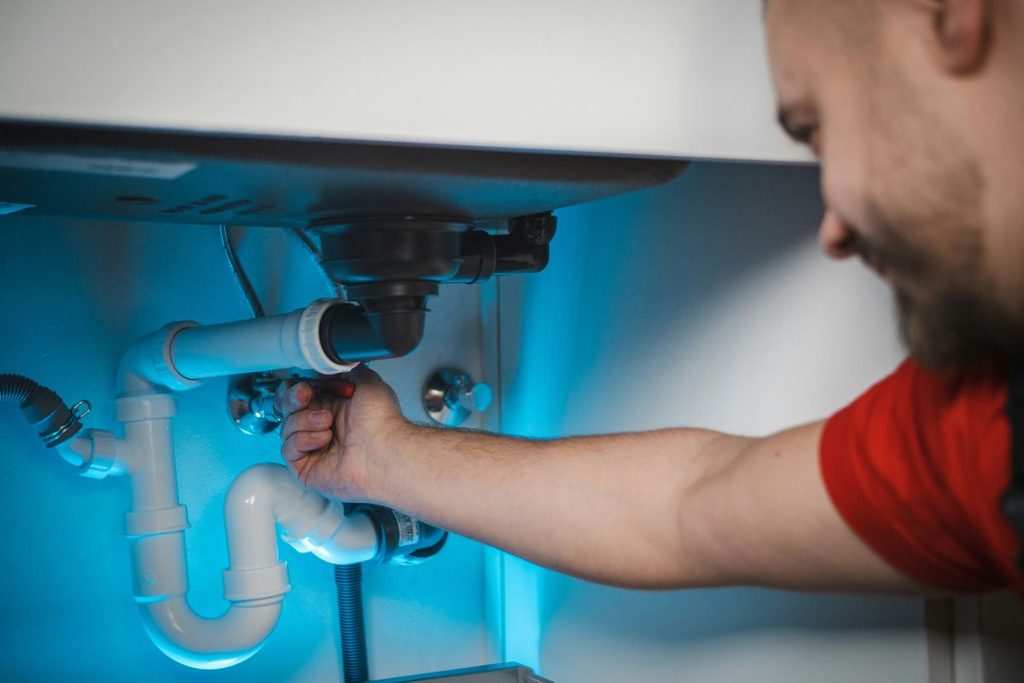
Incremental damage occurs silently over time. By the time it’s noticed it’s no longer a $12 fix. Now its breaking the wall apart.
The good news? You can replace nearly all of these habits today and it won’t cost you a dime.
What you’ll pick up:
- Why Small Habits Cause Big Plumbing Bills
- 6x Everyday Habits That Damage Your Pipes
- Why Running Toilet Repair Can’t Wait
- Easy Habit Swaps That Protect Your Plumbing
Why Small Habits Cause Big Plumbing Bills
Plumbing fails the way a tyre goes flat… slowly, then all at once.
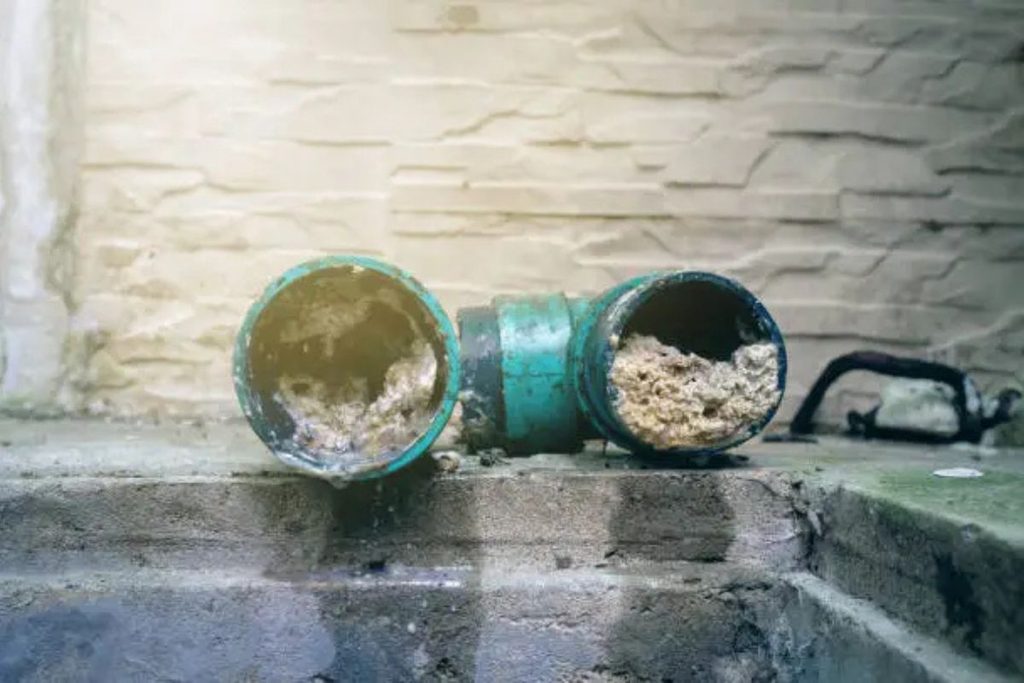
Every time grease solidifies in a drain line, a residue film remains. Every time a wipe snaggs on a stubbed joint, it pulls the next one. Every time a flapper leaks, water flows through components never intended to operate 24/7.
Then the toilet backs up, or the water bill triples. It seems like it came out of nowhere. It didn’t.
Did you know that the EPA says the average family wastes 9,400 gallons each year due to leaks we generally don’t see? That’s not a ruptured pipe. That’s a thousand tiny catastrophes no one cared to notice.
That’s precisely why plumbing experts treat fixing a running toilet as urgent instead of optional. It’s the loudest signal your home will send you, and yet we ignore it for months. The flapper is cheaper than dinner out. The ensuing water bill isn’t.
Small habit. Big consequence. That’s the pattern in every single one of these.
6x Everyday Habits That Damage Your Pipes
Here are the habits doing the most quiet damage in the average home.
Pouring Grease Down The Kitchen Sink
Hot bacon fat looks like a liquid. It isn’t. Not for long.
The second it enters the cool pipe under the sink, it solidifies and sticks to the sides. Then it traps coffee grinds, rice and bits of food. The hole becomes smaller each week until there is no passage.
Grease isn’t a little problem, either. It caused 47% of reported sewer blockages nationally, according to the EPA.
Do this instead: dump cooled grease into an old jar and let it harden. Throw the jar in the trash. Dry off greasy pans with a paper towel before washing.
Flushing “Flushable” Wipes
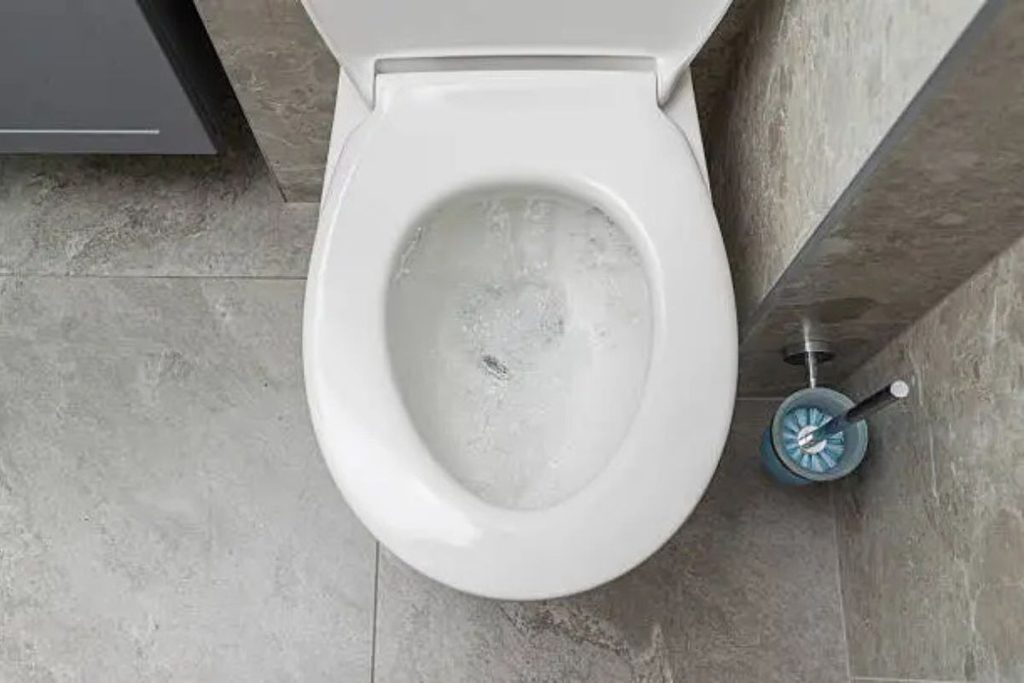
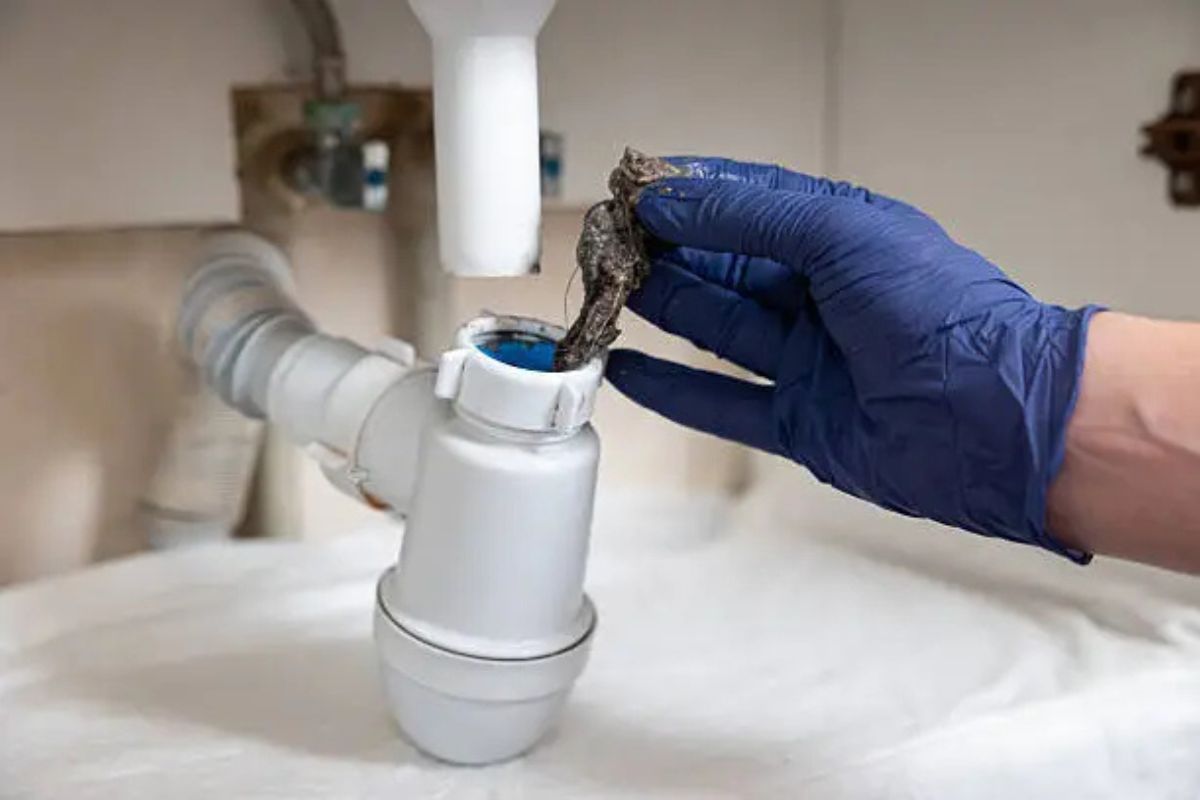
Flushable means it goes down. It does not mean it breaks apart.
TP disintegrates in seconds. Wipes don’t. They remain intact, wind around any abrasive material in the line, and create a pile that obstructs everything upstream.
The same goes for:
- Cotton buds and pads
- Dental floss
- Paper towels
- Cat litter (even the “flushable” kind)
- Hair
Three things belong in a toilet. Number One, Number Two, and toilet paper. Water, waste, and toilet paper. Those are the only things that belong in a toilet.
Reaching For Chemical Drain Cleaner
That bottle under the sink is not a solution. It’s a postponement for a price.
Chemical cleaners generate heat to dissolve a clog. The problem is they don’t stop at the clog. They continue to work away at the pipe itself, damaging plastic pipes by softening them and older metal pipes by corroding the inside.
Even worse, most of the liquid just sits on top of the clog collecting dust. They dump in another bottle. Now you have a clog AND a ruined pipe.
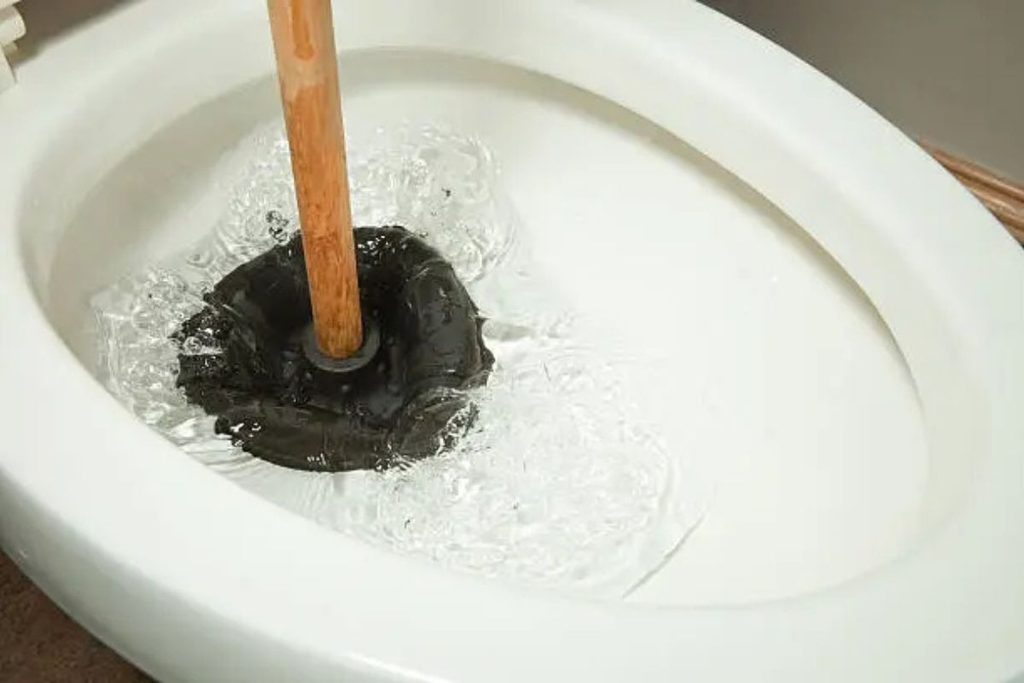
Do this instead: first try plunging or snaking it. If neither of those methods dislodge it you need someone to look at it.
Ignoring A Toilet That Keeps Running
A running toilet gets tuned out fast. After a week, nobody hears it.
However, a leaking flapper valve can waste up to 200 gallons per day. That’s an entire family’s average daily water consumption, down the drain, every day for no reason whatsoever.
Fixing a running toilet is literally one of the cheapest repairs in your home. Flapper, fill valve, twenty minutes. Running with it is costing you money.
Hanging Bleach Tablets In The Tank
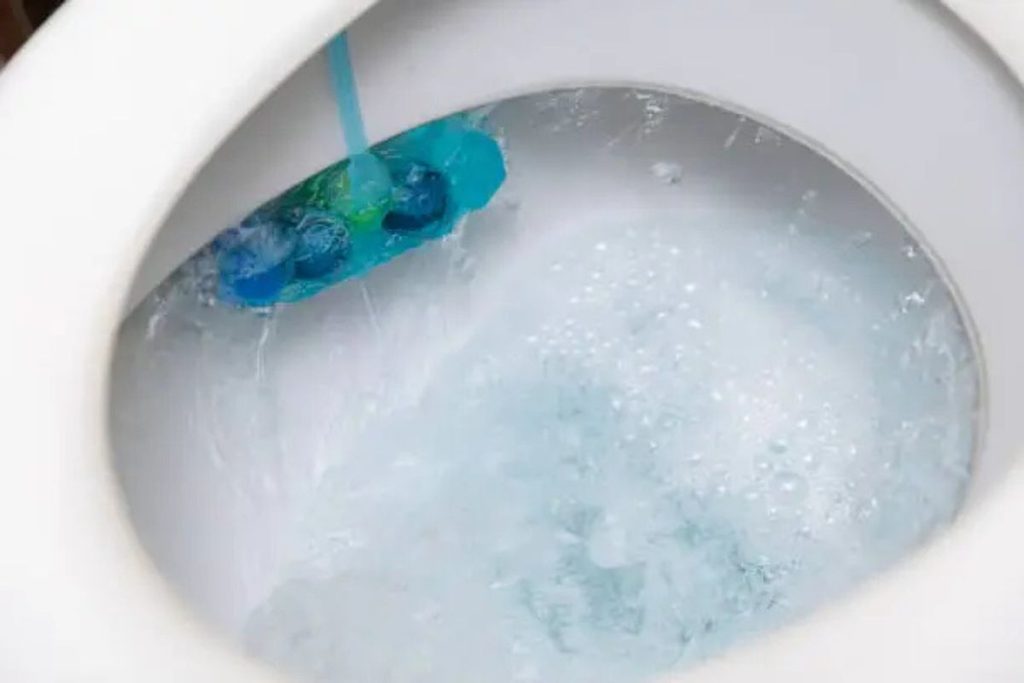
You know those blue tablets that make the water look a pretty colour? They quietly corrode every rubber component in the tank.
Flappers, seals and gaskets were never designed to be exposed to bleach 24/7. They become brittle and crack, causing leaks. Leaks are one of the biggest reasons you have a running toilet to begin with.
Do this instead: clean the bowl, leave the tank alone.
Turning The Water Pressure Up
Strong showers feel great. Pipes disagree.
Optimal comfort zone for most home systems is between 40 and 60 psi. When you go over 80 psi, everything has pressure on it at the same time. Water heaters won’t last as long. Washing machine hoses rupture.
A pressure gauge is cheap and screws onto an outside tap in seconds.
Why Running Toilet Repair Can’t Wait
Out of all of these habits, this is the one that wastes your money the quickest.
A slow flapper wastes about 30 gallons per day. A malfunctioning fill valve can gush thousands. And since it’s fresh water going directly into the bowl, there’s no puddle, stain or odor. Nothing to alert anyone that there’s a problem.
Two quick tests:
- Add a few drops of food colouring to the tank. Don’t flush. If you can see colour in the bowl in about 15 minutes, you have a leak.
- Get a meter reading at night, then first thing in the morning WITHOUT using water. If it goes up, you have a leak somewhere.
The majority of running toilet repair issues can be attributed to three culprits: a deteriorated flapper, an adjustment needed on the fill valve to a lower height, or a chain that is too tight. Easy. Inexpensive. Repairable in one afternoon.
What isn’t inexpensive is 12 months of paying for water that was just flushed away.
Easy Habit Swaps That Protect Your Plumbing
None of this needs a free weekend. It just needs a few new defaults:
- Keep a grease jar by the stove — bin it, never rinse it
- Put a bin in the bathroom — wipes need somewhere else to go
- Fit drain screens — hair is the number one bathroom clog
- Run cold water with the disposal — and skip fibrous scraps
- Check water pressure twice a year — it drifts over time
- Fix drips the week they start — not the month after
Six swaps. In and out.
Locking It All Down
The pipes in a house aren’t fragile. They just don’t forgive repeated abuse.
Grease, wipes, caustic chemicals, excess pressure and ignored leaks – they’re all silent killers. Separately, they don’t appear dangerous. Add them up over several years and you’ve got a recipe for the kinds of emergencies unsuspecting homeowners never anticipate.
Quick recap:
- Grease goes in the bin, never the sink
- Wipes are not flushable, whatever the box says
- Skip the chemical drain cleaner
- Treat running toilet repair as urgent
- Keep pressure under 80 psi
- Fix small leaks the week they appear
Change the habits, and the pipes mostly take care of themselves.
Images attributed to Unsplash.com and Pexels.com.









1 thought on “Small Household Habits That Quietly Damage Your Pipes”
Comments are closed.