When you’re tackling home improvement, have you considered the implications of your choices on the environment?
Nowadays, plumbers are taking steps towards providing eco-friendly solutions to contribute to sustainable living.
Services such as Dan’s Plumbing offer green alternatives for plumbing systems, from installation to maintenance. These options not only help conserve resources but also reduce your utility bills over time.
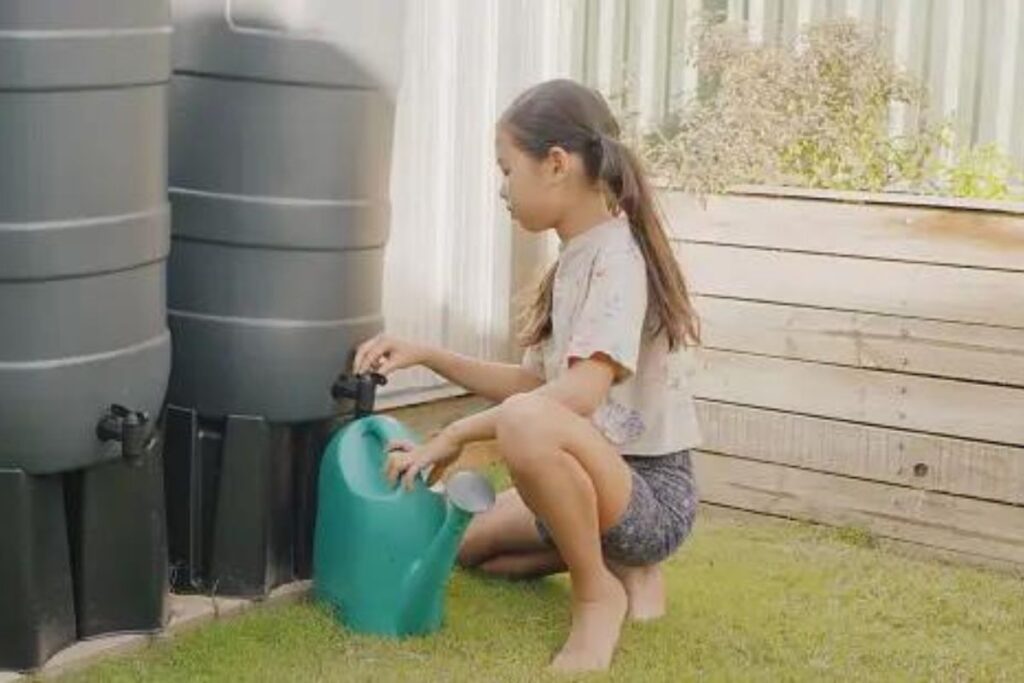
Avoiding water wastage and opting for sustainable materials make significant differences. They help you transform your conventional plumbing into an environmentally friendly system, thus becoming part of the solution.
The Role of Green Plumbing in Sustainable Development
Green plumbing is a form of green infrastructure which helps our communities on many levels. From the neighbourhood scale right up to landscape or watershed scales, it plays a vital role.
It includes elements like rain barrels and rain gardens, bioswales, and permeable pavements which help manage stormwater. These elements store and infiltrate stormwater, reducing flows to sewer systems.
Green plumbing also extends to green roofs and urban tree canopies. These designs not only beautify our spaces, but provide cleaner air and diverse habitats for local flora and fauna.
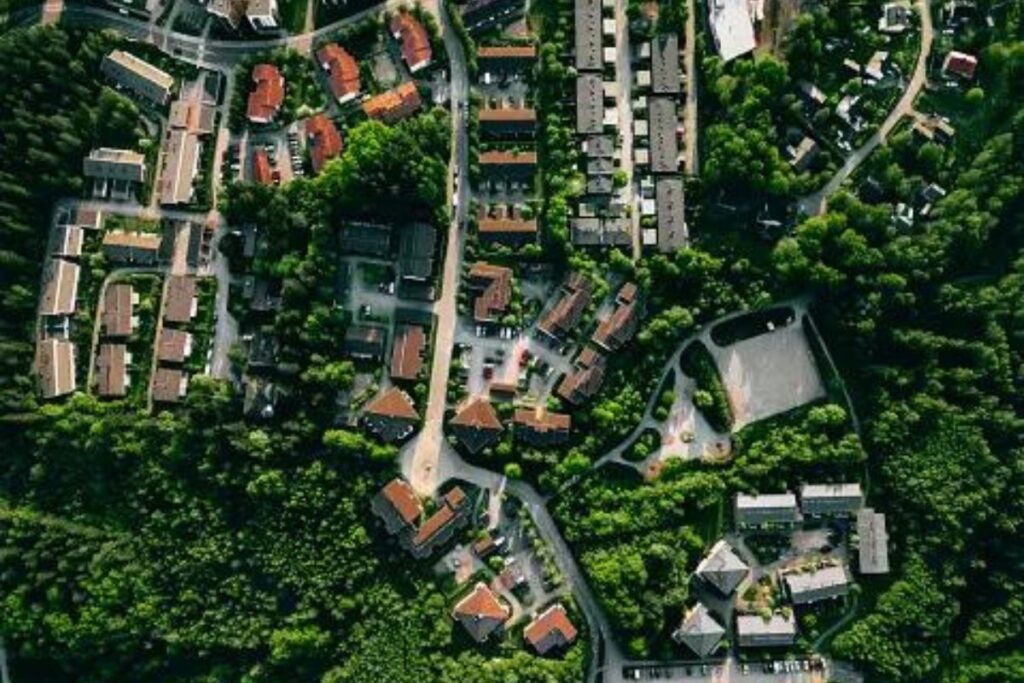
Embracing green plumbing is more than just an environmental move. It is a cost-effective approach that brings savings and resilience to communities wanting sustainable living by reducing the need for large-scale water supply infrastructure.
| Element | Function | Benefit |
| Rain Barrels | Collects Rainwater | Saves Water |
| Permeable Pavements | Infiltrates Stormwater | Limits Sewer Flows |
| Bioswales | Aides Infiltration | Curtails Erosion |
| Green Roofs | Holds Rainwater, Provides Habitat | Cleans Air, Encourages Biodiversity |
| Table showing green plumbing elements, their functions and benefits | ||
Additionally, the benefits extend to public health aspects by encouraging outdoor physical activity and improving mental health.
Communities can pair green plumbing with traditional grey infrastructure for extensive development that caters to environmental needs. This hybrid approach from the EPA encourages sustainable growth and conservation of water resources.
Water-Efficient Fixtures and Their Benefits
Modern faucets and fixtures are expertly designed to maximize water conservation. Yet, how we use these tools is equally important.
Squeezing Every Drop
New technologies offer more water-saving capabilities. Nonetheless, conscious usage will always remain paramount.
Ensure any fixtures you use are WERS-compliant, standing for water efficiency and resourcefulness.
Outdoor Water Use
Water conservation should extend to outdoor areas as well. A significant percentage of household water consumption often goes into lawn irrigation.
Implementing native landscaping, rainwater harvesting, greywater systems, and smart irrigation controls can notably reduce water wastage.
Faucet Function: A Glimpse into Better Technology
In the world of modern faucets, ceramic washers are rapidly replacing rubber ones. This superior technology should provide a lasting fixture lifespan.
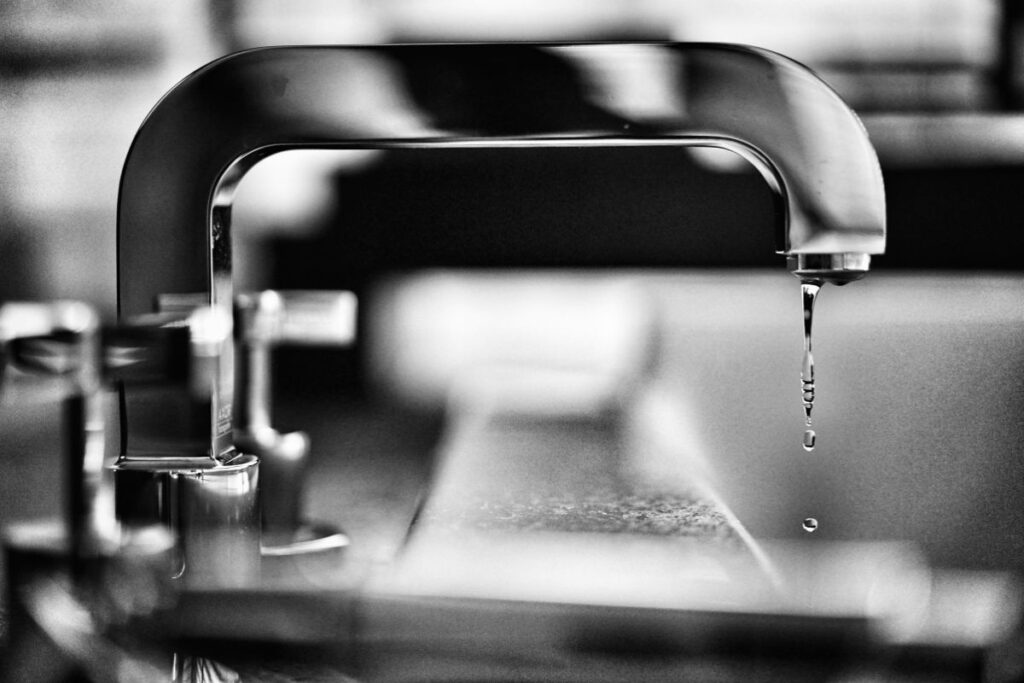
However, it’s not uncommon for cheaper faucets and shower handles to develop leaks within a couple of years.
Invest in Durability
Choosing high-quality brands that prioritize their reputation will likely result in durable and reliable products. Focus on features such as solid stainless steel Bodies and finish,
This guarantees a resilient, hygienic faucet that resists chipping and scratching. Internal stainless steel components outlast plastic counterparts by a mile.
The Role of Bidets in Water Conservation
Bidet toilets operate through water pressure rather than habitual toilet paper usage; this simple switch can greatly reduce your household’s overall water consumption.
Bidet attachments also eliminate the need for toilet paper production – a process that guzzles extensive amounts of water.
Make the Switch to Water Efficiency
Switching to water-efficient fixtures, along with maintaining conscious usage habits, can drastically cut down on household water consumption.
This doesn’t merely benefit the environment – it will also save considerable amounts of money in the long run.
Remember, every drop counts – let’s do our part in conserving this vital resource to enable sustainable living.
Sustainable Materials in Plumbing: A Close Look
The plumbing industry has significant potential to support a sustainable future by making use of recycled materials during construction and renovation projects.
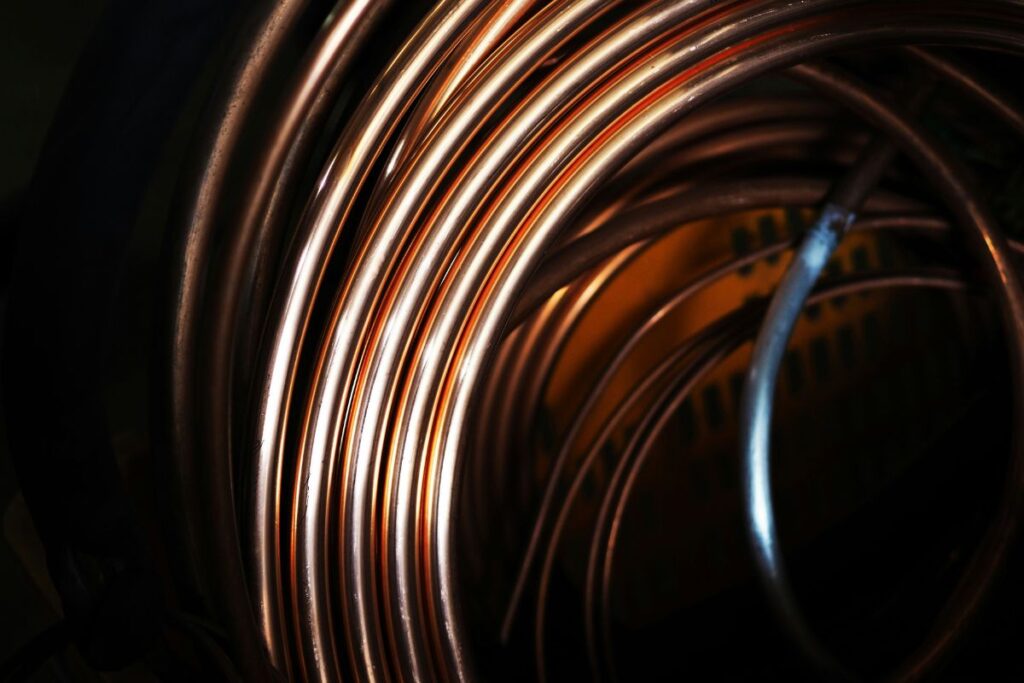
- Recycled copper piping: This resource-efficient choice is widely accessible and plays a pivotal role in promoting sustainability.
- Waste piping with a recycled inner lining: Selecting sustainable options during the design phase, such as waste piping lined with recycled material, can spur improved eco-friendliness.
- Mechanical jointing methods like Pro-Press and Victaulic: These techniques help minimize Volatile Organic Compounds (VOCs) and enhance indoor air quality, backing up sustainability.
- Water-conserving fixtures: Implementing low or no-flow fixtures can lessen water consumption drastically, reducing waste and promoting conservation.
- Greywater or stormwater reuse systems: Utilizing this technique leads to significant reduction in potable water consumption for sewage conveyance.
In addition to specifying sustainable materials, plumbing designers play a vital role in educating building users about water conservation. It’s a comprehensive approach—integrating informed design with user education—that can lead to profound impacts on sustainability.
A well-specified and properly installed plumbing system not only maintains indoor environment productivity but also lowers absenteeism rates. This approach respects local water resources, landscape considerations, weather conditions, and owner’s requirements. Thus, an effective sustainable design strategy is able to flourish.
If you wish to delve deeper into the details of sustainable designing for plumbing engineers, feel free to explore this comprehensive resource.
Energy-Efficient Systems and Cost Savings
Many homeowners are looking for ways to lower their energy consumption to save money and be more eco-friendly.
How can I efficiently use my air conditioner?
To use your air conditioner efficiently, set the temperature at a comfortable level during peak hours.
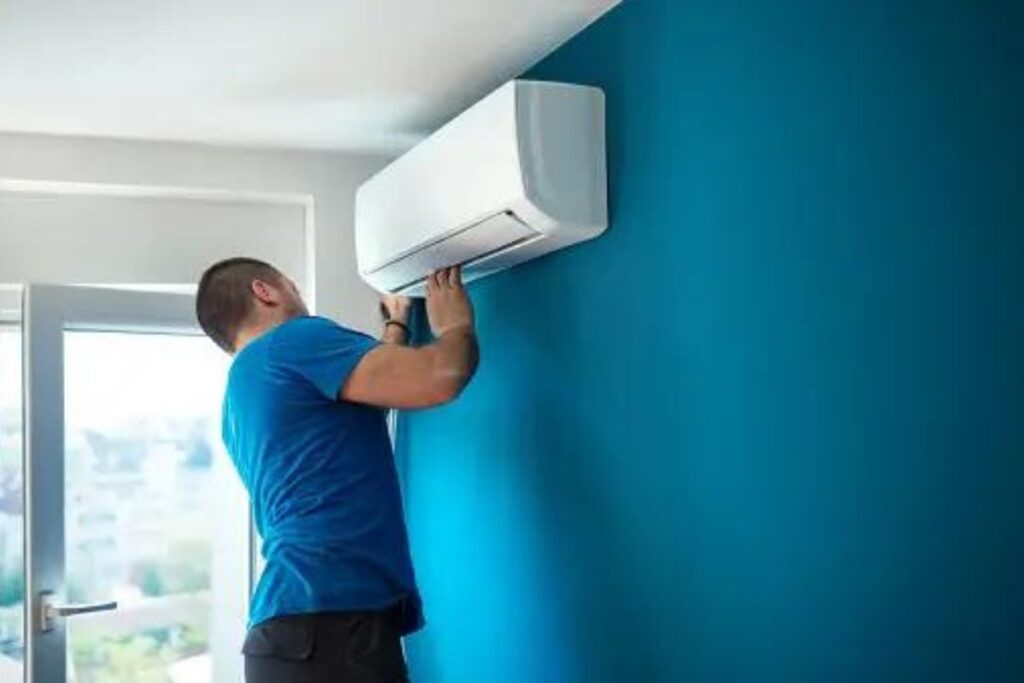
Schedule regular upgrades and maintenance.
What is evaporative cooling and whole-house fans?
Evaporative coolers, or swamp coolers, provide a natural way of cooling your home, utilizing water’s natural ability to cool air through evaporation.
A whole-house fan pulls air in from open windows and exhausts it through the attic or roof.
Why do I need to maintain my heating system?
Maintaining your heating system helps it operate at its top efficiency, leading to significant energy savings over the life of the furnace or boiler.
You can do this by regularly cleaning or replacing the filters and ensuring ductwork is properly insulated.
What are the benefits of heat pumps?
Heat pumps can provide energy-efficient heating and cooling for your home, they also help in maintaining optimal indoor temperature.
The different types of heat pumps are air-source, geothermal, and absorption heat pumps. They all have their unique characteristics that fit varying household requirements and conditions.
Tips to Save on Water Heating?
Tankless water heaters provide hot water on-demand without a storage tank.
Their effective functioning can reduce unnecessary energy expenditure. Utilizing solar water heating techniques can also lead to significant cost savings.
Environmental Impact of Sustainable Plumbing
Attaining sustainable living greatly depends on the type of plumbing material used during home construction.
- Low Cost: Eco-friendly products might initially seem costlier, but they save money in the long run through reduced water and energy consumption.
- Sustainability: The sustainability of a home is significantly influenced by the choice of plumbing materials. Eco-friendly pipe materials decrease both energy expenses and the overall environmental footprint of your home.
- Environment-Friendly Materials: While traditionally, iron and copper have been widely used, a more eco-friendly alternative has emerged – plastics such as polyethylene and polypropylene. Recognized by Greenpeace as future-friendly materials, these have minimal environmental impact while still providing longevity comparable to metal piping.
According to a study in 2011, residential plumbing systems made of PVC demonstrated 5% less energy waste than PEX systems and 17% less than copper.
This study also highlighted that PVC systems required 30% less water than copper and 15% less than a PEX system.
The numbers are likely attributed to the differences in thermal conductivity between these materials. Copper, for example, has thermal conductivity hundreds of times higher than plastics.
PEX materials, being least thermally conductive among the three, results in better conservation of water and energy. You can learn more from this detailed report on Ecomena.
In contrast, PVC piping, despite being recyclable, contributes to the rise in “greywater” due to contamination with harmful chemicals.
The recycling process for PVC is not only expensive but also less preferred due to the lower cost of new PVC.
Metal piping, on the other hand, offers a longer lifespan with minimal risk of water contamination, despite vulnerability to corrosion over long periods of usage.
In summary, it’s pivotal that proper plumbing materials are chosen to enhance not only home sustainability, but also reduce costs and promote environmental resilience.
Sustainable Living: Transitioning to Green Plumbing
Have you ever considered the environmental impact of your home’s plumbing? In recent years, green plumbing has emerged as a vital aspect of sustainable living.
The Concept of Green Plumbing
Green plumbing encompasses practices and products aimed at environmental friendliness and conservation of water and energy.
Bountiful Benefits of Green Plumbing
Going green in your plumbing doesn’t only benefit the environment but also us as individuals.
It helps mitigate pressure on natural resources by using less water, thus reducing pollution and preserving resources for the future.
Eco-friendly Plumbing Materials
Alternative piping options like cross-linked polyethylene (PEX) and copper are far more sustainable than traditional PVC pipes because of their low environmental impact during production.
Select sealants and adhesives devoid of volatile organic compounds (VOCs) to enhance indoor air quality while also reducing toxic emissions.
Water Conservation through Green Plumbing
Installation of low-flow fixtures such as faucets, showerheads, and toilets can indeed bring about a drastic reduction in water use without compromising on performance.
The concept of green plumbing isn’t confined to residential spaces. Commercial establishments can also profit from implementing green plumbing practices like greywater systems which result in water and energy savings hence lower operational costs.
DIY Modifications towards Green Plumbing
You don’t need an overhaul for your home’s entire plumbing system. Initiating with simple upgrades like fixing leaks swiftly can make an enormous difference.
Maintaining Efficiency Though Regular Checks
To maintain efficiency ensure regular check ups for leaks, clean the faucets aerators, flush your water heater to get rid of sediment build up.
Employing a Green Plumbing Service
If you’re hiring a green plumbing service, do remember to check for their certifications and experience in green plumbing.
Future Prospects in Green Plumbing
With constant evolution in technologies, we look towards a future with more efficient desalination processes and the use of smart plumbing technologies.
Dispelling Misconceptions about Green Plumbing
Green Plumbing isn’t necessarily expensive or less effective than conventional methods. On the contrary, many local plumbing companies now offer green plumbing solutions that deliver long-term cost efficiency and superior performance.
How to Find a Qualified Green Plumber
Finding a qualified green plumber might seem challenging at first, but platforms like Angi have simplified the process significantly.
- Search Filters: Use search filters that allow you to find professionals with green plumbing certifications or positive ratings from homeowners.
- Home Services Categories: Explore categories like ‘Plumbing’ and ‘Environmental Services’ for services aligning with your eco-friendly needs.
- Professional Reviews: Base your decision not only on ratings, but also on verified reviews that provide a reliable insight into the professional’s work quality.
- Project Details: Information regarding completed projects and clear before-after images can aid in making an informed choice.
The listed information assists in understanding the level of service being provided and the efficacy of their green practices.
Pricing and Communication
- Fair Pricing: Browse through competitive quotes and utilize Angi’s pricing guides for an affordable experience.
- Communication: Directly message professionals about your projects to gain deeper clarity about their services.
Additional Verification Measures
- Screening: Validate the authenticity of licenses, insurance papers, and background checks of chosen professionals.
- Certifications: Check for specific certifications like WaterSense or EPA WaterSense to ensure alignment with green plumbing practices.
The above guidelines can help homeowners efficiently navigate through their platform and find a suitable, qualified green plumber.
Your Green Impact
By choosing environmentally responsible plumbers, you’re actively contributing to sustainable living in the future. Plumbers are now employing green practices, reducing their environmental footprint.
In your search for the right plumber, consider Dan’s Plumbing, a service committed to sustainability. Their work embodies the essence of going green. Your choices shape our planet. Let’s all strive for a greener tomorrow with sustainable plumbing.
Images courtesy of unsplash.com and pexels.com