You need your appliance fixed, so you search online and find dozens of repair companies. They all claim to be the best, fastest, most affordable. How do you choose without just guessing and hoping for the best?
Asking the right questions before hiring someone to conduct an appliance repair makes all the difference. Good questions reveal which companies are professional and qualified versus which ones cut corners or overcharge. You’ll avoid horror stories about botched repairs, hidden fees, and technicians who create more problems than they solve.
This guide covers exactly what to ask appliance repair services before hiring them. These questions protect you from bad experiences and help you find reliable professionals who fix things properly the first time.
Questions About Qualifications and Experience
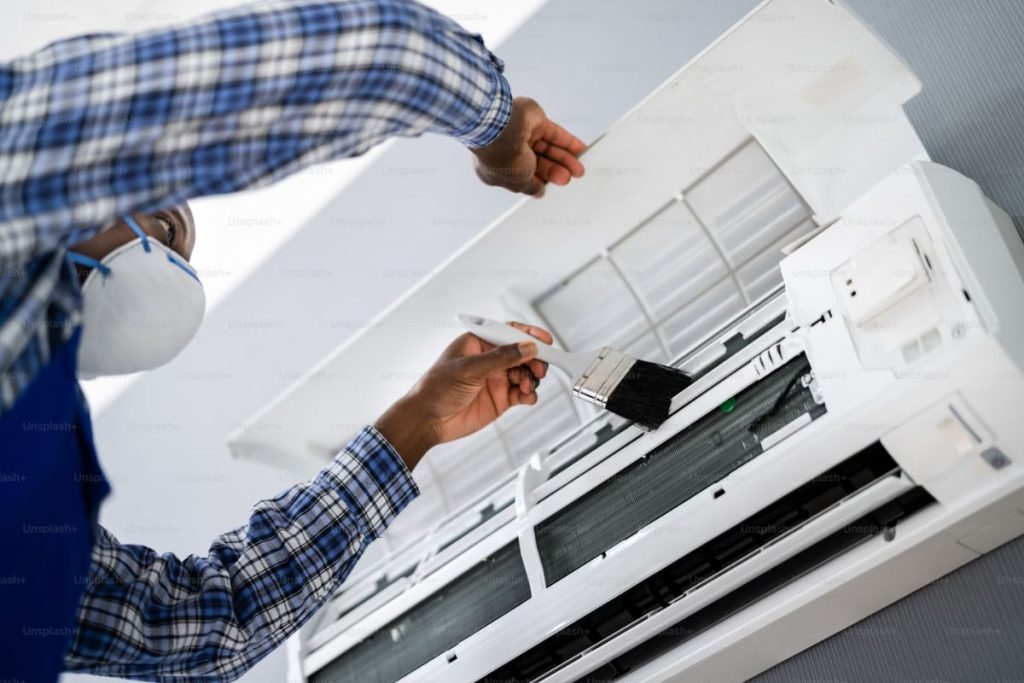
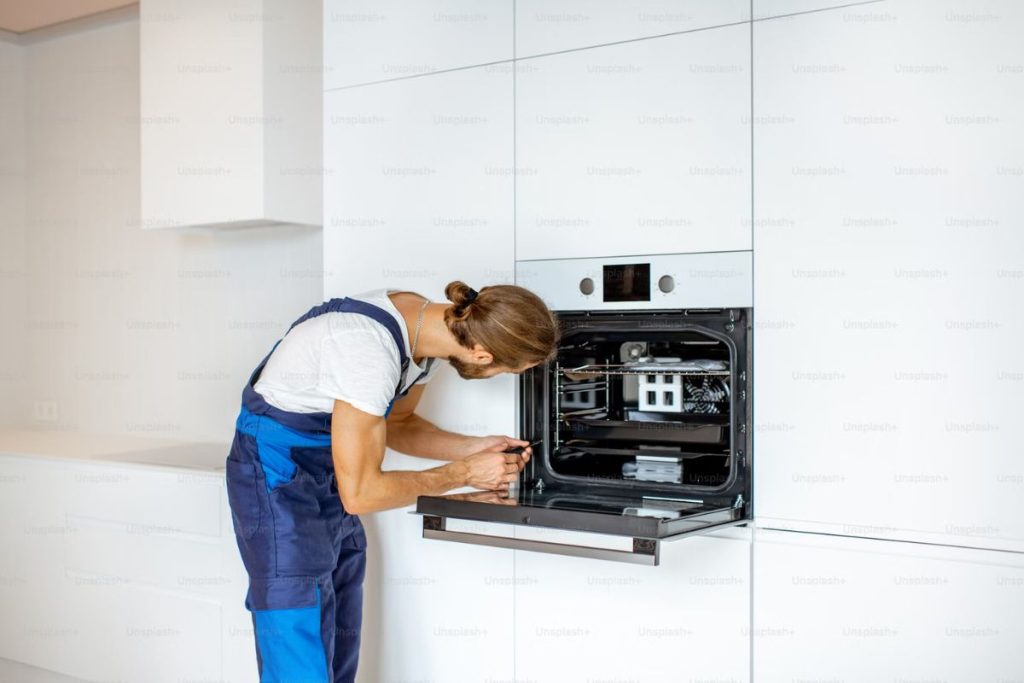
Start with the basics. You need to know whether the company and their technicians are actually qualified to work on your appliances safely and effectively.
Are You Licensed and Insured?
This is the first and most important question. Licensed technicians have met professional standards and legal requirements. Insurance protects you if something goes wrong during repairs.
Ask specifically what licenses they hold. Electrical work requires electrical licenses. Gas appliance work requires gas fitting licenses. Refrigeration work needs refrigeration handling licenses. Don’t accept vague answers about being qualified or experienced. Ask for specific license numbers you can verify.
Insurance matters because accidents happen. If a technician damages your property, floods your home, or injures themselves on your property, proper insurance covers these situations. Without insurance, you might be liable for damages or injuries.
Request proof of both licensing and insurance. Legitimate companies provide this information readily. Companies that hesitate or make excuses are red flags you shouldn’t ignore.
How Long Have You Been in Business?
Experience matters in appliance repair. Companies operating for years have proven track records. They’ve survived because they provide good service and satisfied customers.
New companies aren’t automatically bad, but established businesses demonstrate reliability. They’ve built reputations worth protecting. They understand that poor service spreads through reviews and word of mouth.
Ask specifically about the company’s history, not just individual technician experience. A company operating for ten years with high technician turnover differs from one with stable, long-term technicians.
What’s Your Experience With My Appliance Brand and Model?
Not all technicians have equal experience with all appliances. Some specialize in certain brands or types. Ask whether they regularly work on your specific appliance.
Technicians familiar with your brand understand common failure points, have relevant parts contacts, and work more efficiently. Someone who rarely works on your brand might take longer and make more mistakes.
For specialized appliances like commercial ovens or high-end European brands, specific experience becomes crucial. You want professional oven repair specialists who understand your specific appliance type rather than general technicians learning on your equipment.
Similarly, climate control systems require specific expertise. Generic appliance repair companies might not have the specialized knowledge that aircon repair specialists bring to refrigerant systems and complex climate control diagnostics.
Questions About Pricing and Costs
Understanding costs upfront prevents surprises and helps you budget appropriately. Don’t be shy about asking detailed pricing questions. Legitimate companies provide clear, upfront information.
What’s Your Call-Out Fee?
Most services charge call-out fees covering the technician’s travel and initial diagnosis. These typically range from 80 to 150 dollars depending on your location and the company.
Ask whether call-out fees apply toward repair costs if you proceed with repairs. Some companies waive call-out fees when you book repairs. Others charge them regardless. Know this before scheduling.
Understand what the call-out fee includes. Does it cover diagnosis time? How long will the technician spend diagnosing problems? What happens if diagnosis takes longer than expected?
Also ask about call-out fees for different times. Evening, weekend, or holiday calls often cost more. Emergency same-day service typically adds premium charges. Know these costs before committing.
How Do You Charge for Repairs?
Repair pricing structures vary between companies. Some charge flat rates for specific repairs. Others charge hourly rates plus parts. Understanding their pricing model helps you evaluate quotes.
Ask for estimates based on likely problems. If you describe symptoms, experienced technicians often identify probable causes and estimate costs. These aren’t guarantees but give you ballpark figures.
Find out how parts pricing works. Do they charge retail prices, marked-up prices, or wholesale costs? Can you supply your own parts if you find them cheaper elsewhere? Most companies won’t install customer-supplied parts due to warranty concerns, but asking reveals their flexibility.
Clarify labor charges clearly. Hourly rates? Flat fees per repair type? Minimum charges? The more specific information you get, the fewer surprises you’ll face.
Are There Any Additional Fees I Should Know About?
Hidden fees ruin budgets and create frustration. Ask explicitly about potential additional charges beyond call-out fees and quoted repair costs.
Do they charge extra for parking in paid areas? Travel fees for properties outside normal service areas? After-hours premiums? Disposal fees for old parts? Credit card processing fees?
Legitimate companies disclose all potential fees upfront. If a company hesitates or claims they can’t know until they arrive, that’s a warning sign. Professional services know their fee structures and communicate them clearly.
Do You Provide Written Quotes?
Always get written quotes before agreeing to repairs. Written documentation protects both parties and prevents misunderstandings about agreed prices.
Ask whether quotes are binding or estimates. Binding quotes don’t change unless you approve additional work. Estimates might increase if technicians discover complications.
Clarify what written quotes include. Parts, labor, fees, taxes? All-inclusive quotes prevent surprise additions when receiving final bills.
Good companies provide detailed written quotes listing specific repairs, parts needed, labor time, and total costs. Vague quotes suggesting approximate prices are less protective and potentially problematic.
Questions About Warranties and Guarantees
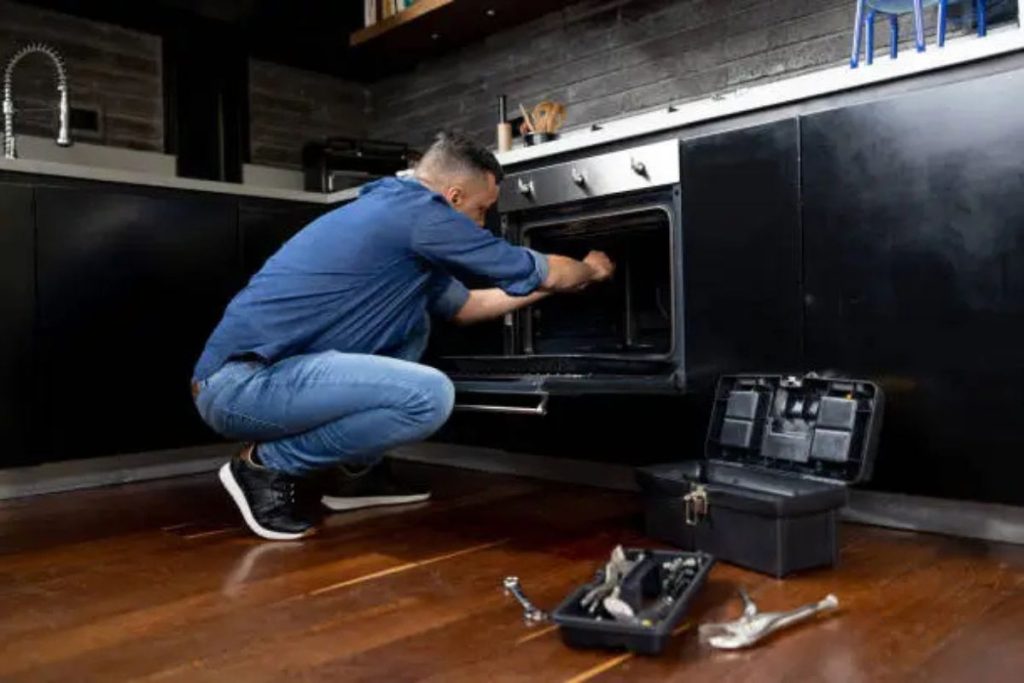

Warranties protect you if repairs fail or problems recur. Understanding warranty coverage before hiring helps you choose services standing behind their work.
What Warranty Do You Offer on Repairs?
All reputable repair services warranty their work. Typical warranties cover labor for 30 to 90 days. Ask specifically what their warranty includes and how long it lasts.
Clarify what the warranty covers. Does it include return visits if the same problem recurs? Does it cover related problems that arise from the repair work? What about parts versus labor coverage?
Understand limitations too. Most warranties don’t cover damage from misuse, neglect, or unrelated failures. Know what voids warranties so you don’t accidentally invalidate coverage.
What About Parts Warranties?
Parts typically carry separate warranties from manufacturers. Ask about parts warranty lengths and what they cover.
New manufacturer parts usually include 90 days to one year warranties. Refurbished or aftermarket parts might have shorter coverage. Know what you’re getting.
Find out who handles warranty claims for parts. Do you contact the repair company or deal directly with parts suppliers? Easier warranty processes matter when problems occur.
What Happens If the Problem Isn’t Fixed?
Despite best efforts, sometimes repairs don’t solve problems completely or issues recur quickly. Ask what happens in these situations.
Will they return at no charge to reassess? Do they offer refunds if repairs fail? What’s their policy on repeat problems within warranty periods?
Companies confident in their work have clear policies for these situations. Vague answers or defensive responses suggest potential problems with accountability.
Questions About Timing and Process
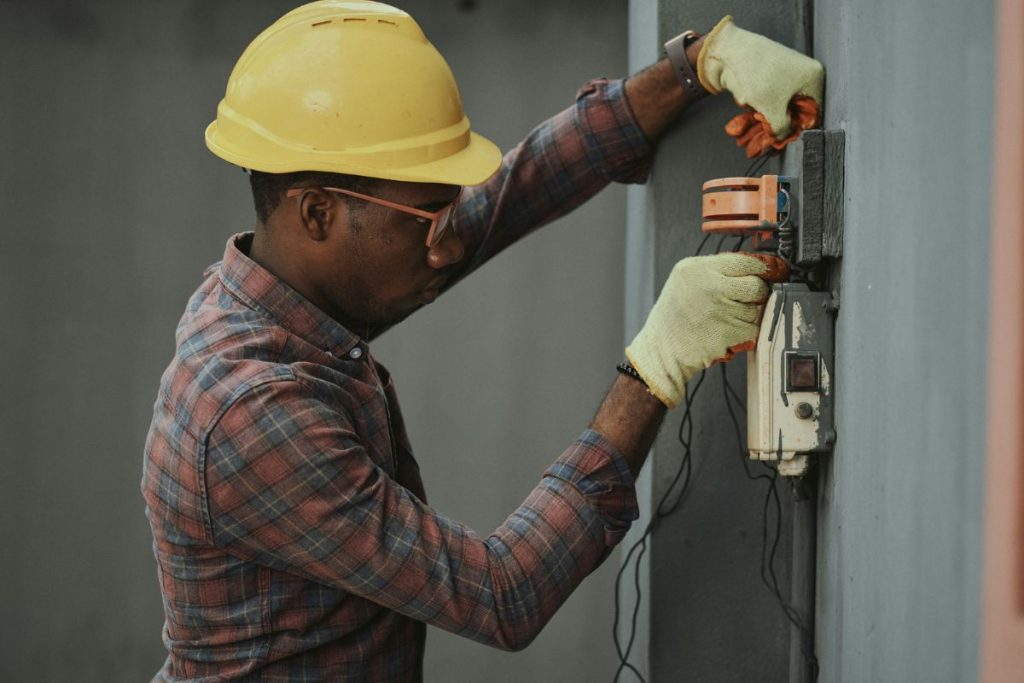
Understanding repair timelines and processes helps you plan and sets realistic expectations.
How Soon Can You Come Out?
Availability varies by company size, season, and demand. Ask about realistic scheduling for non-emergency repairs.
Can they accommodate your schedule preferences? Are evening or weekend appointments available? What about same-day emergency service if needed?
Understanding their typical response times helps you decide whether their availability meets your needs. Some situations require fast service. Others allow more flexible scheduling.
How Long Will Repairs Take?
Ask for estimated repair duration once they understand your problem. While they can’t guarantee exact times without diagnosis, experienced technicians estimate reasonably well.
Clarify whether estimates include just repair time or total visit duration including diagnosis. Know whether you need to be home the entire time or just for beginning and end.
Ask what happens if repairs take longer than expected. Do they complete work the same visit or schedule returns? How do they handle discoveries of additional problems during repairs?
What If You Need to Order Parts?
Many repairs require parts not carried on service vehicles. Ask about their parts acquisition process and typical timelines.
Do they have local parts sources for quick turnaround? Do they order from manufacturers? What are typical wait times for parts?
Clarify whether they charge storage fees if parts arrive while you’re unavailable for installation appointments. Understand the complete process from diagnosis through parts arrival to installation.
Questions About Their Service Standards

These questions reveal company professionalism and customer service approaches.
Do You Guarantee Appointment Times?
Vague appointment windows frustrate customers. Ask whether they provide specific times or just morning versus afternoon windows.
Do they call before arriving? How much notice do they give? What happens if technicians run late from previous appointments?
Professional services communicate clearly about scheduling and notify customers of delays. Poor communication about appointments suggests overall service quality issues.
What’s Your Cancellation Policy?
Understand cancellation terms before booking. Life happens and sometimes you need to reschedule. Know the rules.
Do they charge cancellation fees? How much notice is required for fee-free cancellations? Can you reschedule easily?
Also ask about their cancellation policies. If they need to cancel or reschedule, what notice do they provide? Do they prioritize rescheduling your appointment?
Can I See Reviews or References?
Social proof matters. Ask where you can read customer reviews and whether they provide references.
Check Google reviews, Facebook, and industry-specific review sites. Look for patterns in feedback. Every company gets occasional negative reviews, but overall patterns reveal service quality.
Ask if they’re members of professional associations or have industry certifications. These indicate commitment to professional standards.
Don’t just look at star ratings. Read actual review content. Look for mentions of specific issues that matter to you like punctuality, cleanliness, communication, and problem resolution.
Questions About Payment
Payment terms affect your planning and protection. Ask these questions before work begins.
When Is Payment Due?
Most companies expect payment upon completion. Some require deposits for expensive parts orders. Know payment timing before committing.
Ask whether they accept payment plans for expensive repairs. Some companies offer financing options. Others require full payment immediately.
What Payment Methods Do You Accept?
Cash, credit cards, electronic transfers, checks? Know your payment options. Credit card payments often provide additional consumer protections.
Ask about credit card processing fees. Some companies charge extra for card payments. Factor these into cost comparisons.
Do You Provide Detailed Invoices?
Request detailed invoices showing exactly what you’re paying for. Good invoices list specific parts with part numbers, labor time, and all fees separately.
Detailed invoices help with warranty claims, insurance claims, and understanding exactly what work was performed. They’re also useful for tax purposes if repairs relate to rental properties or home offices.
Red Flags to Watch For
While asking questions, watch for warning signs suggesting you should look elsewhere.
Companies refusing to answer questions or becoming defensive about basic inquiries raise concerns. Legitimate businesses expect questions and answer them readily.
Pressure to decide immediately suggests questionable practices. Good companies let you think, get other quotes, and make informed decisions without pressure.
Prices significantly lower than competitors might indicate poor quality work, unlicensed technicians, or hidden fees appearing later. Extremely low prices rarely represent good value.
Poor communication during inquiry stages predicts poor communication throughout the repair process. If they’re hard to reach, slow to respond, or unclear now, expect worse later.
Get Your Appliances Fixed Right the First Time
Hiring appliance repair services requires more than finding the cheapest option or whoever can come soonest. Asking the right questions upfront prevents problems, ensures you hire qualified professionals, and protects you from unexpected costs or poor service.
Don’t feel awkward asking these questions. Reputable companies expect informed customers to ask about licensing, experience, pricing, warranties, and processes. They answer confidently because they’re proud of their qualifications and service standards.
Take time to ask questions before hiring. Compare answers between companies. Choose based on complete information rather than guessing. The few minutes spent asking questions saves hours of frustration and potentially hundreds of dollars in poor service or repeat repairs.
Good appliance repair services welcome your questions because they know informed customers become satisfied customers who leave positive reviews and refer friends. Companies avoiding questions or providing vague answers tell you everything you need to know. Trust companies that communicate clearly, provide detailed information, and demonstrate professionalism from your first contact. Your appliances and your wallet will thank you.
Images supplied courtesy of unsplash.com and pexels.com