

Your home might look good, but does it meet your needs? A home should actively support the way that you live your life. However, many homes fall short on this aspect. Often, homeowners don’t even realise this until they keep coming home feeling overwhelmed, or keep hitting friction points around the home. It can be hard to know what to do when you can’t quite put your finger on what needs to change.
Most houses tend to be designed with a generic layout, or it might be that your life has changed over time. This might be why your home feels awkward or cluttered. Making your home meet your needs isn’t about chasing a trend or committing to a big or expensive renovation. It is about identifying friction points in your daily routine and making thoughtful adjustments that improve how your space works. You want to make it work for you, not against you. With the right strategy and approach, small changes can make a noticeable difference.
To help you on your journey, here are some top tips to help your home meet your needs.
Start with how you actually live

Before you jump quickly into moving furniture or buying storage solutions, take a moment to zoom out and observe your life and habits. Which rooms feel underused, and which ones feel too cluttered and busy? What tasks feel more difficult than they should? Where do things pile up in your home?
For example, if your laundry is piling up all around the home, it might be that a central sorting area or centralising baskets could be a simple way to fix this. If your dining room has become your temporary workspace, it might be time to create a dedicated area for your work.
It all starts with being honest and realistic. Considering your lifestyle and habits helps you to design your home around your real routines, not the ideal ones. This can help you shift your home from feeling frustrating to effortless.
Make your storage work smarter


More storage solutions are often seen as the answer to reducing clutter. While this is true, adding more storage may be counterproductive in some cases. Not all storage is created equal, and you don’t just want to hide things away, as you may end up making the room feel smaller or making things hard to access and maintain. However, the goal shouldn’t be to just hide things away.
Think about rooms in layers. Everyday items should be within easy reach, while less-used belongings can be stored higher up or further away. Clear containers, labels and drawer dividers all help reduce the mental load of searching for things.
It’s also worth reassessing what you are storing. If cupboards are overflowing, it may not be a storage issue, but a volume issue. Keeping only what you use and need makes every storage system more effective.
Create spaces that have multiple uses
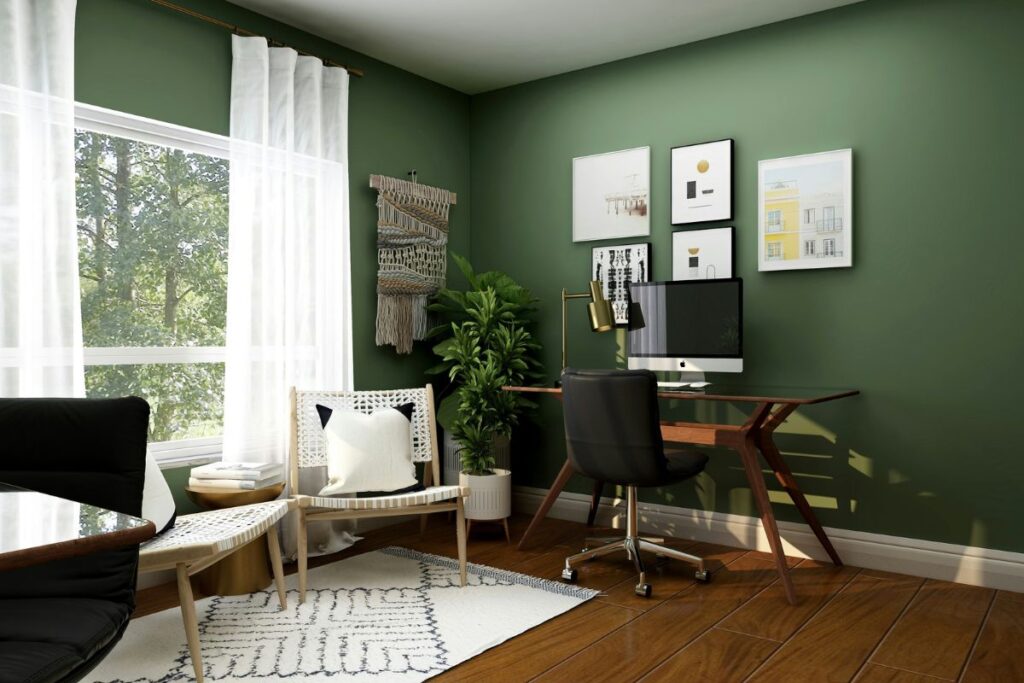
Modern homes often need to serve multiple purposes. A living room might double as a workspace, a guest room, or even a workout space. The key is setting it up so it can be used flexibly.
Furniture can be extremely helpful for this purpose. Sofa beds, foldable desks, and extendable tables allow spaces to adapt throughout the day. Even simple additions, like a stylish storage trunk that doubles as seating, can increase functionality without adding clutter.
Using zones within a room is also a great strategy. Rugs, shelving, lighting, and other elements in a room can help to subtly divide a room into different functional areas, making it easier to switch between activities without feeling cramped or disorganised.
Create flow with better layouts
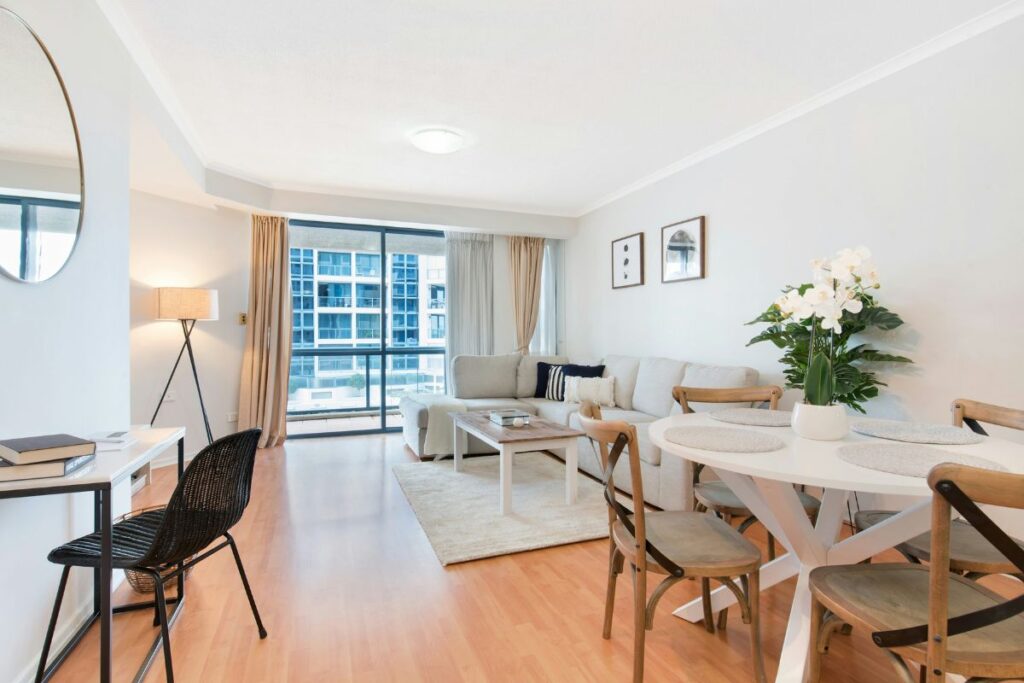
Sometimes, the biggest improvements come from simply rearranging what you already have. Poor layouts can make even large spaces feel restrictive, while thoughtful arrangements can open up smaller rooms.
Consider how you move through each area. Are there obstacles in your path? Do you have to walk awkwardly around furniture to get around? Consider what the friction points are in different rooms, so you can begin to move things around to adjust the flow to create a better layout.
Take this a step further, and think beyond just moving around the room and include what the purpose of the room is. For example, in social spaces, you might want to aim for a layout that encourages interaction. Work areas may consider how focus and accessibility can be created.
Design a bedroom that supports rest
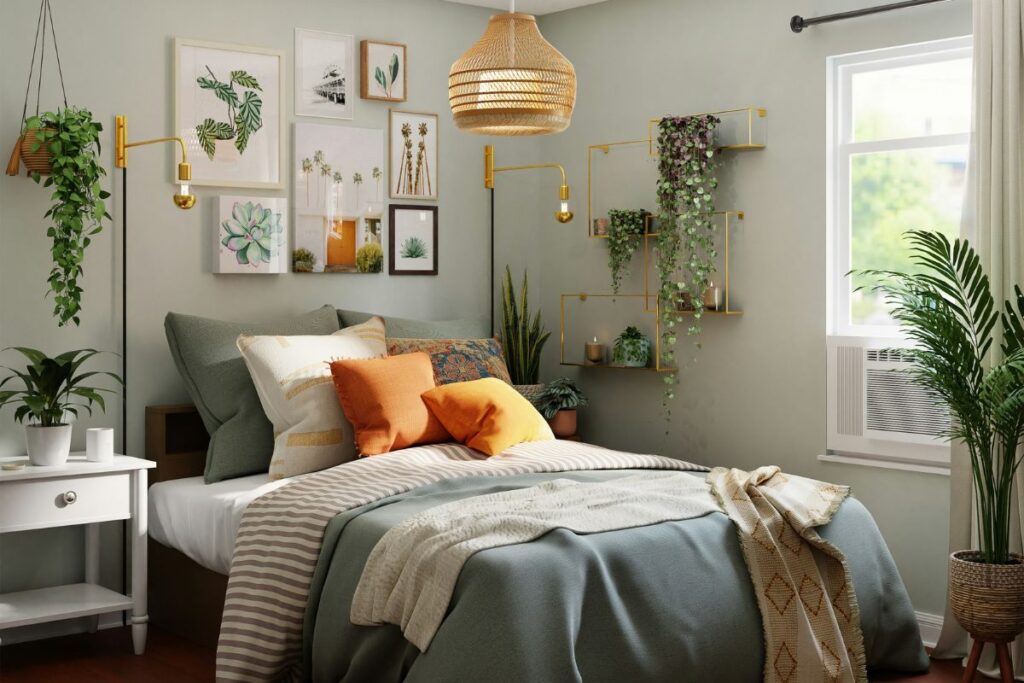
Your bedroom should feel like a retreat, but it also needs to function well on a daily basis and meet your needs. Start with the essentials: comfortable bedding, accessible storage, and lighting that suits both relaxation and practicality.
Overloaded bedrooms can be stressful without you even noticing. It is important to focus on furniture and elements of the room that offer function and style, so that you can organise and store things properly.
Then, consider your daily routine, as this will help you make the room meet your specific needs. If you get changed in your bedroom in the mornings, then you want to ensure there is adequate space, storage and lighting to make this easy for you. If you like to unwind at night with a book, then soft lighting in a comfortable spot is key.
Leveraging your loft space
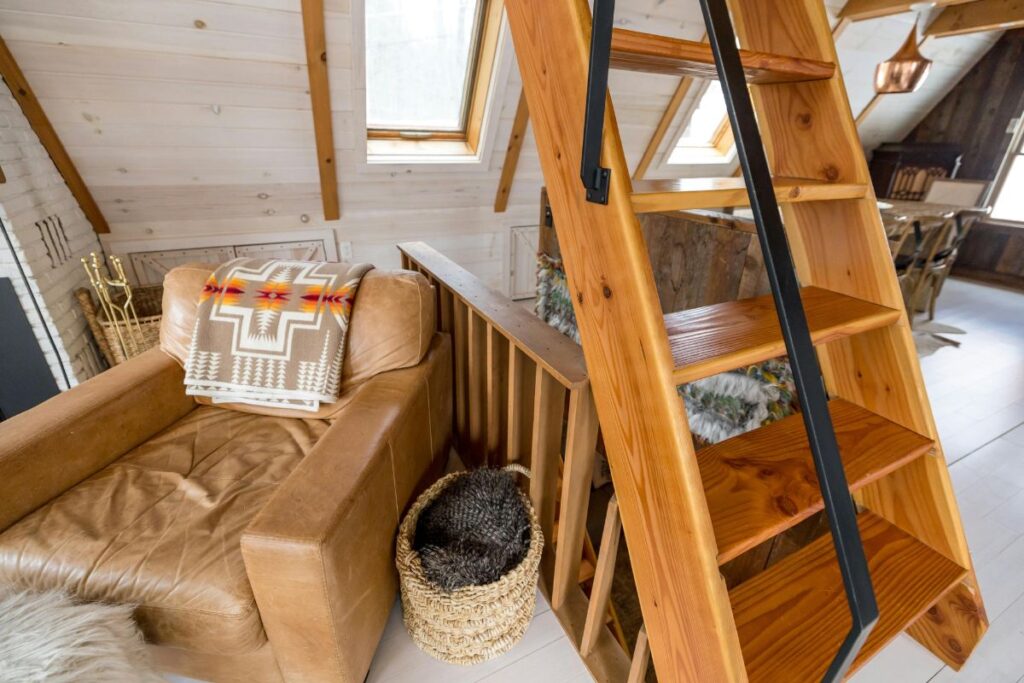
Loft spaces are always the last to be considered in a home, but they can be leveraged to meet your needs. These tend to be hard-to-reach spaces; however, with the right access and strategy, they can be a really useful part of your home.
You want to create a loft that you can safely access. This starts with a hatch and a ladder, while creating a stable surface for better storage, or for you to walk on and use as another room.
Lofts don’t have to be dead space; they can be an excellent extension of your home.
Making your home meet your needs is an ongoing process, not a one-time project. Your home should evolve as your life does.
Images courtesy of unsplash.com, pexels.com and freepix.com










1 thought on “How to Make Your Home Meet Your Needs”
Comments are closed.