Living in a rental property often means working within boundaries you didn’t set. From strict tenancy agreements to limitations on renovations, it can sometimes feel like your home isn’t fully yours.
But with the right mindset and a few practical strategies, you can still create a comfortable, functional, and even stylish living space in your rental property without upsetting your landlord.
1. Embrace Temporary Solutions Over Permanent Changes
One of the biggest adjustments renters must make is letting go of permanent upgrades. Instead, focus on reversible improvements that allow you to personalise your space without risking your deposit. Adhesive hooks, peel-and-stick wallpaper, removable tiles, and tension rods can all make a significant difference.
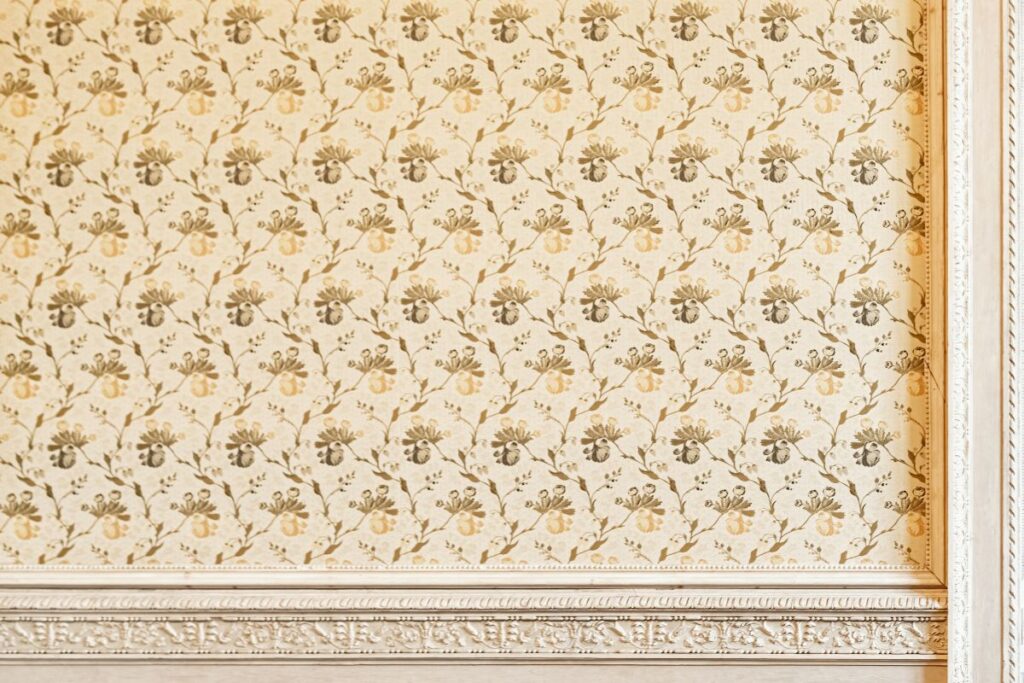
For example, peel-and-stick wallpaper can add colour or texture to a bland room, while removable backsplash tiles can give a kitchen a more modern feel. Even swapping out small details, like lampshades, rugs, or curtains, can create a noticeable transformation. The key is to think of your home as flexible rather than fixed.
2. Get Creative with Furniture and Layout
When structural changes aren’t an option, your furniture becomes your most powerful tool. Multi-functional furniture is especially valuable in rental properties, where space is often limited. Items like sofa beds, extendable tables, and storage benches can help you get more out of every room.
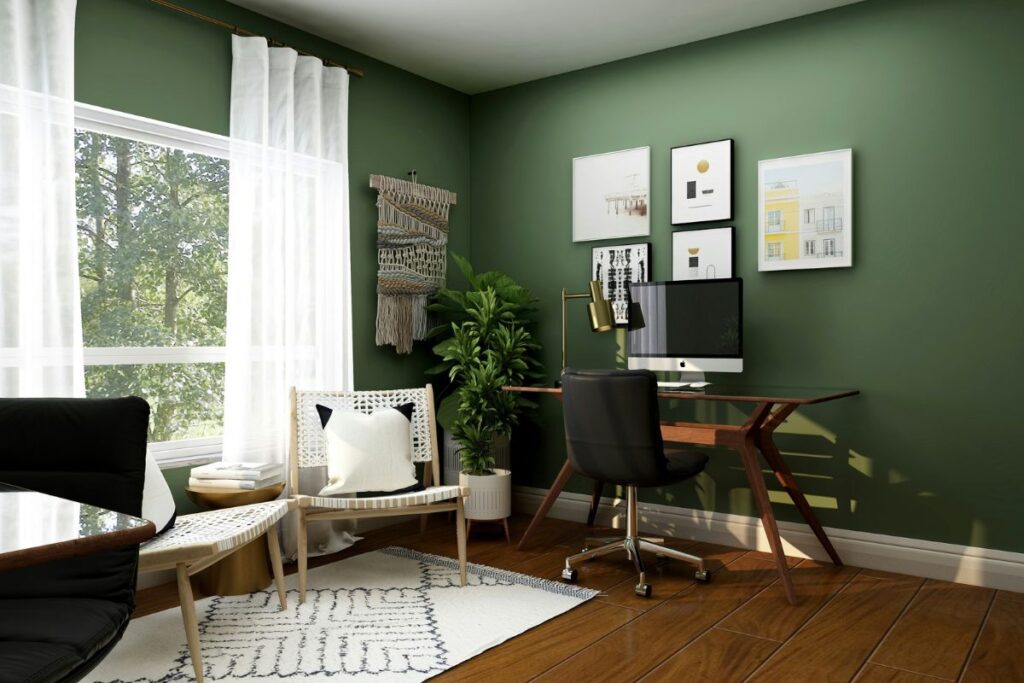
Rearranging furniture can also have a surprisingly big impact. Positioning pieces to maximise natural light, improve flow, or create defined zones (such as a workspace within a living room) can make your home feel more spacious and purposeful. Even small adjustments, like angling a sofa or repositioning a desk, can refresh a room without spending any money.
3. Improve Comfort Without Breaking Rules
Temperature control is a common frustration in rental properties, particularly in the UK, where many homes lack built-in cooling systems. Summers are becoming warmer, and relying solely on fans or open windows isn’t always enough.

Fortunately, there are modern solutions that don’t require external modifications. Air conditioning without an external unit, such as internal or water-cooled systems, offers a practical workaround. These systems house all components inside the property and don’t require an outdoor condenser, making them ideal for flats, listed buildings, or homes with strict planning restrictions.
Some models vent through discreet wall grilles or use water cooling instead of external airflow, allowing installation without altering the building’s exterior. This makes an air conditioning without an external unit UK product, especially appealing for renters who want a long-term comfort solution without breaching tenancy agreements. While portable air conditioners are another option, built-in internal systems tend to be quieter, more efficient, and less intrusive once installed.
4. Work Around Storage Limitations
Storage is one of the most common pain points in rental homes, especially in older properties that weren’t designed with modern living in mind. Without the ability to install fitted wardrobes or cabinets, renters need to think creatively.
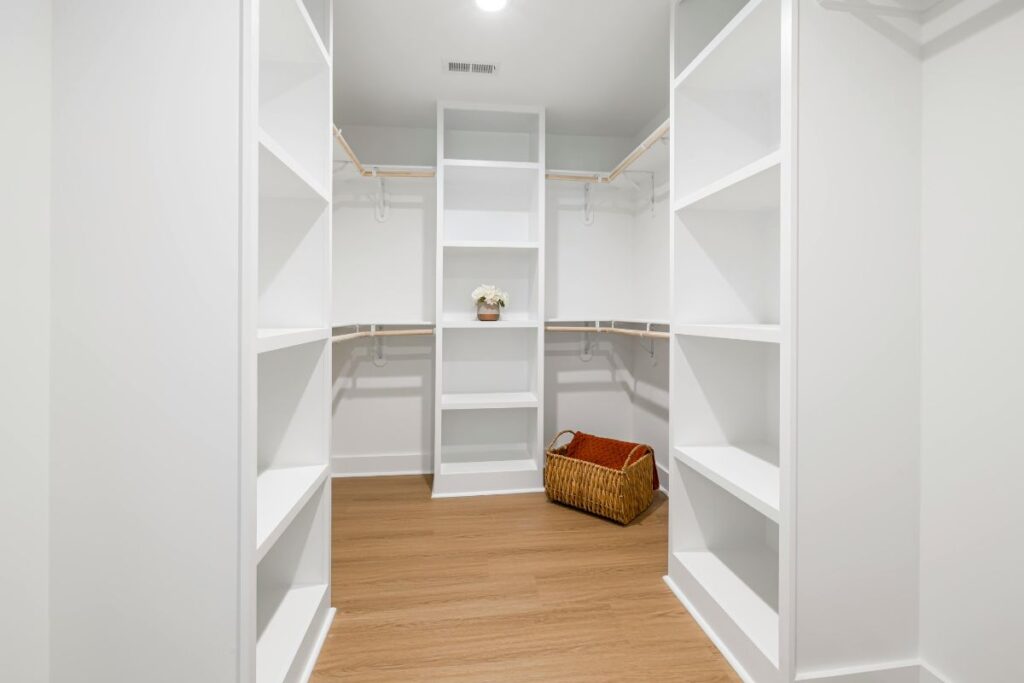
Start by making use of vertical space. Tall shelving units, wall-mounted organisers (where permitted), and hanging storage can significantly increase capacity. Under-bed storage boxes are perfect for seasonal items, while vacuum-sealed bags can reduce the space bulky clothing takes up. You can also look for “hidden storage” opportunities, like ottomans with compartments or coffee tables with shelves. By choosing furniture that doubles as storage, you can keep your home organised without adding clutter.
5. Focus on Atmosphere Rather Than Structure

If you can’t change the structure, change the feel. Creating a welcoming atmosphere is one of the easiest and most effective ways to make a rental feel like home. Lighting plays a major role here. Many rental properties come with harsh overhead lighting, but adding floor lamps, table lamps, or warm LED bulbs can completely change the mood of a room. Don’t underestimate the impact of scent and sound, either. Candles, diffusers, or even a carefully chosen playlist can enhance how a space feels. These small touches don’t require permission, but they can make a big emotional difference.
6. Maintain Good Communication with Your Landlord
Sometimes, tenants assume the answer will be “no” without even asking. In reality, some landlords are open to reasonable improvements, especially if they enhance the property’s value. If you’re considering a change that isn’t strictly allowed in your tenancy agreement, it’s worth having a conversation. Present your idea clearly, explain the benefits, and reassure your landlord that the work will be done professionally. In some cases, they may even agree to cover part of the cost.

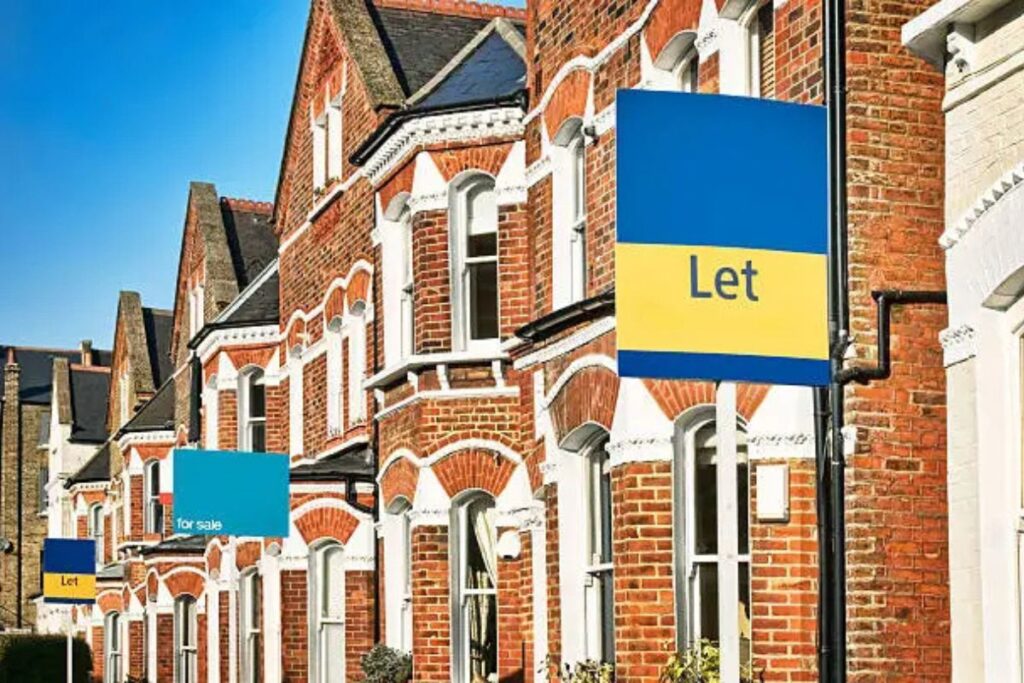
Building a positive relationship with your landlord can also make day-to-day living easier. When issues arise, such as repairs or maintenance, good communication helps ensure they’re resolved quickly.
7. Personalise Within Limits
Even with restrictions, there are plenty of ways to make a rental property feel uniquely yours. Artwork, photographs, books, and decorative accessories can all reflect your personality without requiring permanent changes.
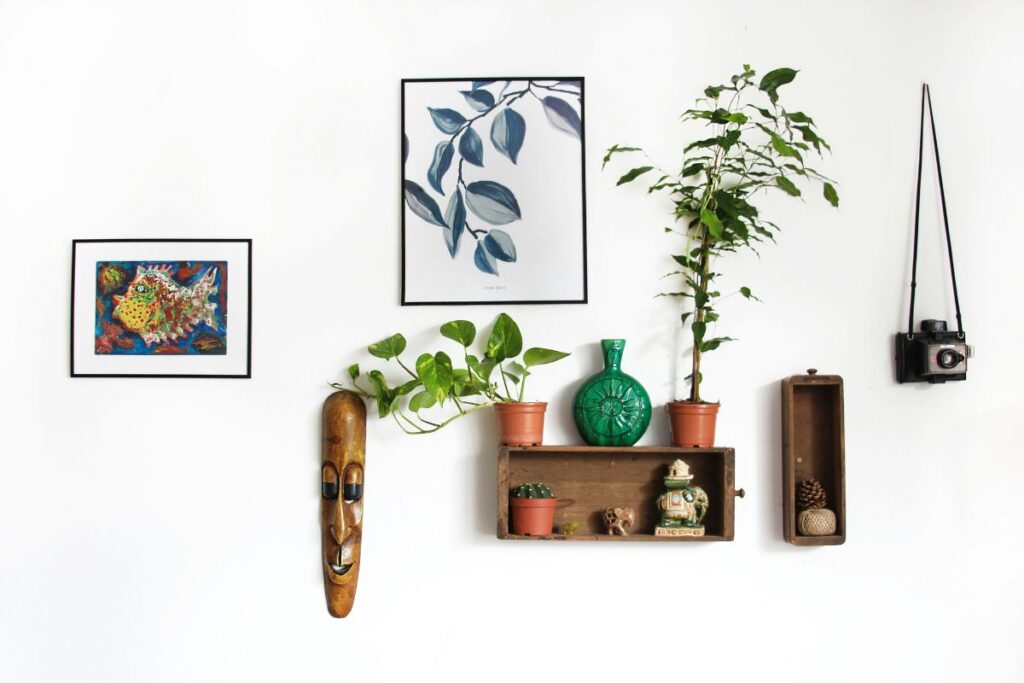
Gallery walls using removable hooks, freestanding mirrors, and statement pieces like bold rugs or accent chairs can all add character. Plants are another excellent option, as they bring life into a space and can improve air quality at the same time.
Whatever you choose to bring in, the goal is to create a sense of identity within the space, even if you don’t own it.
8. Accept the Trade-Offs and Make Them Work for You
At its core, renting is about compromise. You may not be able to knock down walls, replace flooring, or redesign a kitchen, but renting also comes with advantages. Maintenance responsibilities are often handled by the landlord, and you have the flexibility to move without being tied down.
By shifting your perspective, these trade-offs can feel less restrictive and more like part of a balanced arrangement. Instead of focusing on what you can’t do, focus on how you can make the most of what you have.
Final Thoughts
Coping with the limitations of a rental property isn’t about settling; it’s about adapting. With smart choices, creative thinking, and modern solutions, renters can enjoy comfort and style without stepping outside the rules.
Over time, these small, intentional changes can transform even the most restrictive space into a home that feels comfortable, practical, and personal. Renting may come with limitations, but it doesn’t have to limit how you live.
Images courtesy of unsplash.com, Freepix and pexels.com