A blocked sink is rarely a one-off inconvenience. When the same kitchen or bathroom basin starts draining slowly every few months, it usually points to habits, plumbing conditions, or maintenance gaps that have not been addressed at the source.
For homeowners across Essex, repeat sink blockages can be particularly frustrating. Older properties may have ageing pipework, while newer homes are not immune to problems caused by food waste, soap residue, hard-water deposits, and unsuitable products being washed down the drain. The good news is that most recurring sink blockages are preventable once you understand what is building up inside the pipes.
Why Sink Blockages Keep Coming Back
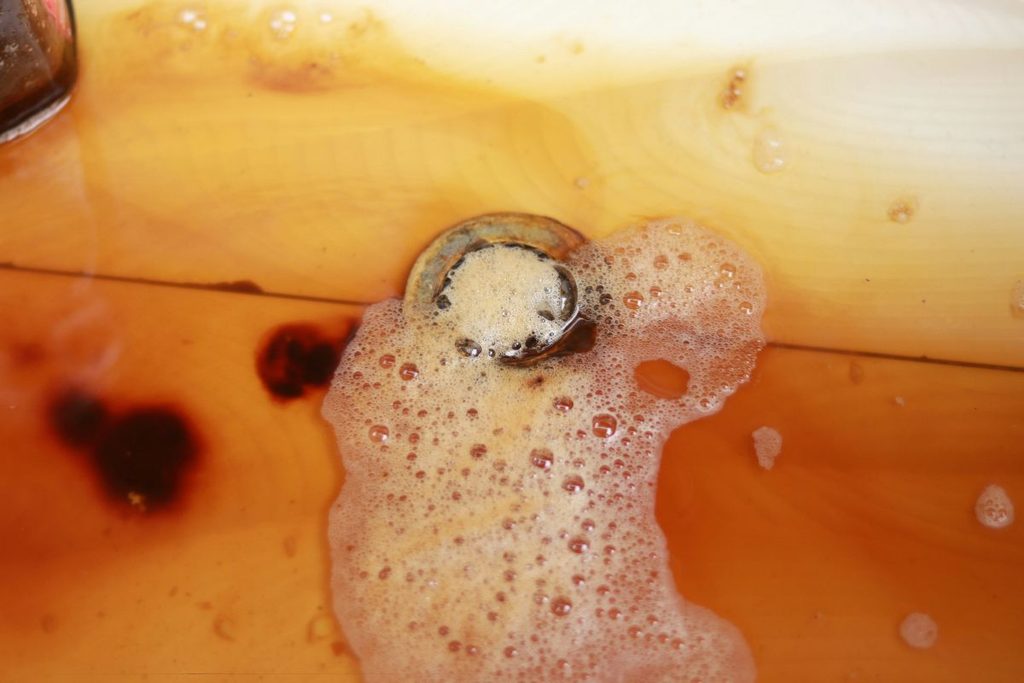
A sink that blocks repeatedly is often treated with a quick chemical cleaner or a plunge. That may restore drainage temporarily, but it does not necessarily remove the material coating the pipe walls further along the system.
Kitchen and bathroom sinks clog for different reasons. In kitchens, the main offenders tend to be grease, oil, coffee grounds, food scraps, and starchy residues. Hot fat may look harmless when poured into a sink, but as it cools inside the pipe it solidifies and catches other debris. Over time, a narrow layer becomes a stubborn restriction.
Bathroom sinks face a different mix: hair, toothpaste, soap scum, shaving foam, moisturiser, and mineral deposits. Essex has predominantly hard-water areas, which means limescale can be a contributing factor. Calcium deposits create a rough surface inside the pipe, giving soap and hair more opportunity to cling on.
The “Temporary Fix” Trap
Store-bought drain chemicals can be useful in limited circumstances, but they are not a long-term maintenance plan. Repeated use may fail to reach the blockage properly, especially if it sits beyond the trap or in a shared waste pipe. Some harsher products can also be unkind to older pipework, seals, and fittings.
If a sink slows down again shortly after treatment, the issue may be a partial obstruction rather than a complete blockage. In other words, water still gets through—but not well enough. This is the ideal stage to act, before the sink backs up entirely.
Build Better Everyday Habits Around the Sink

Prevention begins with what goes into the plughole. Small changes in daily routines can make a noticeable difference, especially in busy family homes where sinks are used constantly.
In the kitchen, avoid treating the sink as a disposal route for anything that is not liquid. Even if a household has a waste disposal unit, fats and fibrous food materials can still cause difficulties further down the line. In bathrooms, a simple hair catcher can prevent a surprising amount of debris from entering the waste pipe.
The following habits are worth making routine:
- Scrape plates and pans into the food bin before washing them.
- Collect cooking oil and fat in a container, then dispose of it with household waste once cooled.
- Use sink strainers to catch food particles and hair.
- Run hot water after washing greasy pans, ideally with a small amount of washing-up liquid.
- Remove hair from bathroom plugholes regularly rather than waiting for drainage to slow.
- Keep wipes, cotton pads, dental floss, and similar items out of the sink and toilet.
For households already dealing with sluggish drainage, it can help to understand how to fix slow-draining kitchen and bathroom sinks before the problem develops into a complete blockage. The important point is to match the response to the likely cause rather than repeatedly relying on a single quick fix.
Give Pipes a Simple Maintenance Routine
Most homes benefit from light, consistent maintenance. This does not need to involve aggressive products or complicated equipment. Once a week, flushing sinks with hot water can help shift fresh soap and grease residues before they harden.
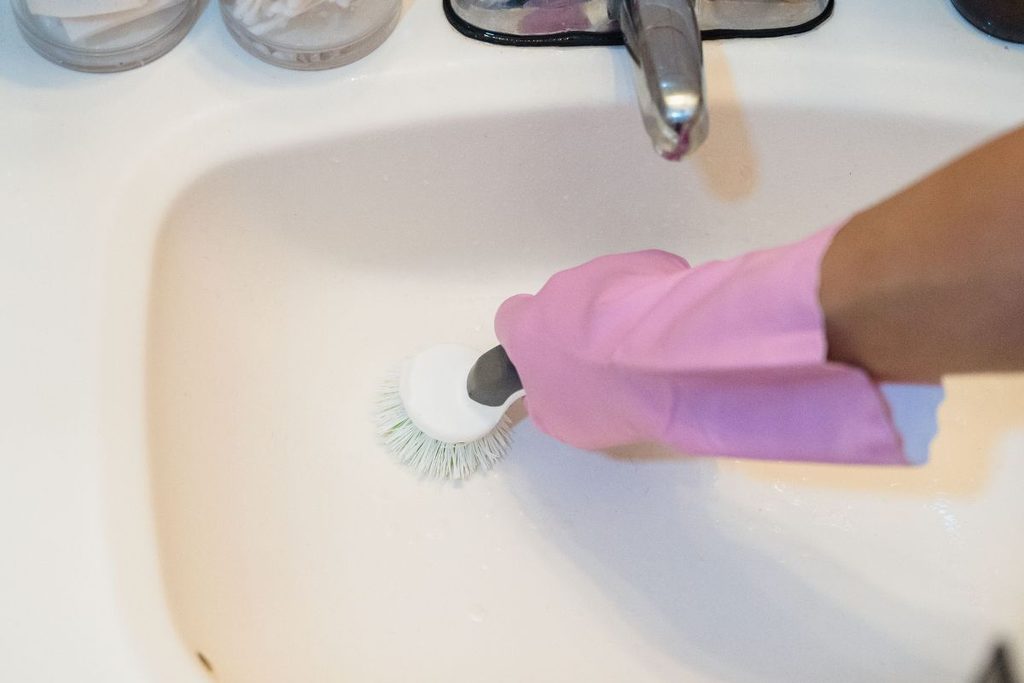
For kitchen sinks, a mild cleaning approach is often enough for preventive care. A little washing-up liquid followed by hot water can help break down grease near the plughole and trap. In bathrooms, cleaning the plug assembly and visible section of the waste regularly prevents hair and soap from accumulating where it can begin to form a plug.
Do Not Forget the U-Bend
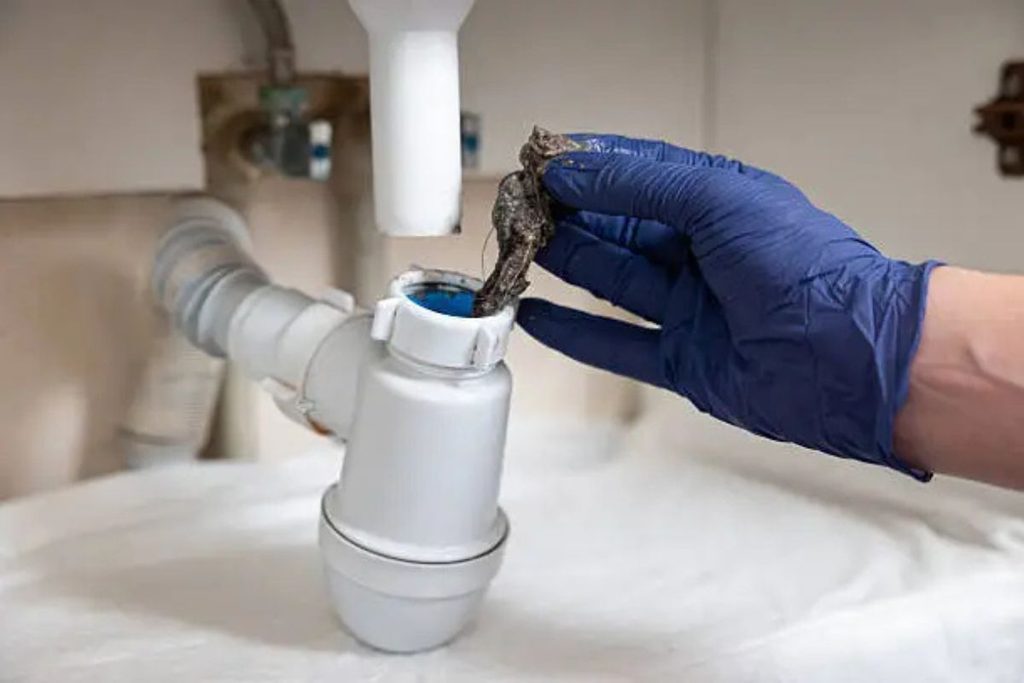
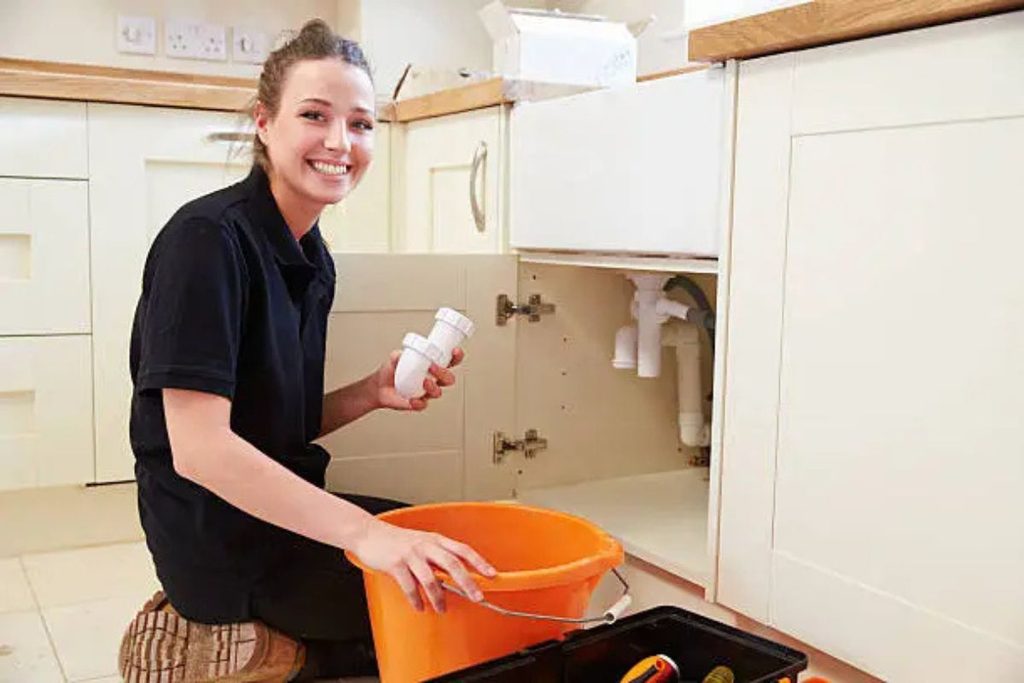
The U-bend, or trap, beneath the sink is designed to hold water and stop sewer odours entering the home. It is also a common place for debris to settle. If a blockage appears localised to one sink and access is straightforward, cleaning the trap may resolve the problem.
Place a bowl or bucket underneath first, loosen the fittings carefully, and clear any debris before reassembling it. However, take care with older plastic fittings, which can become brittle, and avoid forcing connections. If the pipework is difficult to access, leaking, or connected to an integrated unit, professional help is the safer option.
Recognise When the Issue Is More Than a Sink Problem
A recurring blockage can sometimes indicate a wider drainage issue. If several fixtures drain slowly at once—such as the kitchen sink, washing machine, and downstairs basin—the obstruction may be further along the waste pipe or drainage system.
Other warning signs include unpleasant smells that persist after cleaning, gurgling sounds, water rising in another fixture, or frequent wastewater backups. These symptoms can point to poor pipe falls, damaged or displaced pipework, tree-root intrusion in external drains, or a blockage beyond the property’s internal plumbing.
Older Essex homes may also have pipe layouts that have been altered over decades of renovations. A kitchen extension, converted garage, or added utility room can introduce longer waste runs and more bends, all of which create places where grease and debris can settle. In these circumstances, tackling only the visible sink is unlikely to stop the cycle.
A Prevention-First Approach Saves Disruption
Repeat sink blockages are usually manageable, but they respond best to steady prevention rather than emergency action. Keep solids, oils, and unsuitable materials out of the drain; use strainers; clean plugholes and traps periodically; and take slow drainage seriously before it becomes a full backup.
Most importantly, pay attention to patterns. A blockage that returns in the same sink may be telling you something about household habits or a localised build-up. Problems affecting multiple drains may suggest a larger issue worth investigating. Addressing the cause early is cleaner, less disruptive, and far more likely to keep Essex homes draining as they should.
Images courtesy of unsplash.com and pexels.com