Welcoming others into your home can be one of the best things about having your own space. If you love to be around friends and family, especially as the host with the most, you can invite them to enjoy your home and everything it has to offer.
Entertaining might even be one of your favourite things, or maybe you’ve set a goal to do it more. From dinner parties and barbecues to birthdays and Eurovision get-togethers, your home can be the place of many happy memories. But you need it to have the right setup if you want to welcome everyone with open arms, here are some helpful tips to design the perfect home for entertaining.
Think About Your Preferences
Everyone has different ways they want entertaining, so it’s definitely worth thinking about your preferences before you do anything. What sort of gatherings do you like to host? What sort of people are you expecting to have in your home? You might be thinking about hosting formal dinner parties, getting people over to watch sport, hosting barbecues, or even having movie nights. Maybe you even want to have space for people to stay the night. Deciding exactly how you want your home to be set up to receive guests will help you make good decisions about its design.
Start with a Welcoming Entrance

No matter what sort of gathering you want to host, it all starts with a warm welcome. When people first come into your home, you want to be able to greet them and make them feel comfortable. Having a space to hang up coats and (if you want guests to take them off) tidy away shoes is one of the first steps you can take. Make your entranceway bright and open so it’s as welcoming as possible. Beyond practicalities, there could be some fun things you can do too. Put a drinks cart close to the entranceway, if you have space, so you can start entertaining straight away and serve guests drinks immediately.
Open Up the Kitchen
Dinner parties are one of the most fun ways to host guests and can be very entertaining, whether they’re casual or a little bit more formal. Whether your guests are your best friends, colleagues, or even a supper club, one thing you want to do is be there for them. If you’re shut away in the kitchen, they could feel abandoned.
To avoid this issue, think about how you could open up your kitchen. A more open-plan layout could allow you to pay attention to your food while still socialising with your guests. That might mean having an open kitchen-diner, but there could be other options too. You could open up the kitchen by having a half wall into the next room, so you’re still able to see and talk to your guests. Or the kitchen itself could have enough space to allow guests to gather without being in your way while you cook. If you’re planning on outdoor events, you can also open up the kitchen to outside.
Add Atmosphere to the Dining Room
The other significant space for dinner parties is, of course, the dining room. This space needs to have the right atmosphere to encourage conversation and enhance the experience of enjoying your food and drink. How you design it will depend on what you envision your dinner parties to look like. They could be casual affairs with close friends and family, but you might also be thinking about something more sophisticated. At the same time, your dining room is often a space for everyday meals, so it’s not just dinner parties you have to think about.

A stylish dining room could level up your dinner parties. Create the right atmosphere by looking at expensive dining tables, designer lighting, or even hand-crafted plates and cutlery. You might choose a specific interior style, from Japandi to maximalist, to get the look you want. But if you’re also designing a family dining room, you might need to think about it in a different way. One option is to get the best of both worlds. Design a room that can serve as an everyday place for your family, but can also be transformed into a sophisticated dining space when you need it.
Design a Space to Relax
Your guests might spend some of their time sitting around a dining table, but what happens when you’ve finished eating? If you’re not having dinner, you’ll also want somewhere for your guests to gather. The dining table can still be used for this purpose, but you might prefer somewhere more relaxed too. It could be a living room or den, or even somewhere like a home bar.
When you’re designing a space for relaxation, think about numbers and how you might use that space. How many people are you likely to have in the room at once? Is it mainly for conversation, or will you want to watch TV/movies, listen to music, or even do something like playing board games? Answering these questions will help you design the perfect setup for any kind of gathering. It will inform your furniture choices, as well as other decisions such as lighting and even the technology you install. You can create a space that helps people feel at home and allows them to really relax.
Pay Attention to the Guest Bathroom
Your guests will need somewhere to use the facilities while they’re in your home. Designating a bathroom for guests (if you have more than one) is a good way to provide what they need. You can make sure you have a toilet ready for them, making it clean and presentable, and providing anything they might need. As well as making it somewhere they can use the toilet or wash their hands, you might want to think about making sure it’s a comfortable space to reapply makeup or check their hair.
As well as keeping this space clean and tidy, it also needs to be well-stocked with essentials. Toilet paper is obvious, but you can also create spaces to stock up on other items that could be handy for your guests, such as tissues, feminine hygiene, and of course soap.
Your guest toilet could be a downstairs space for convenience. If you don’t already have one, a small WC could be added under the stairs or perhaps even in a utility room or laundry room. If you only have one upstairs, it can still provide everything your guests need.
Create a Social Outdoor Space
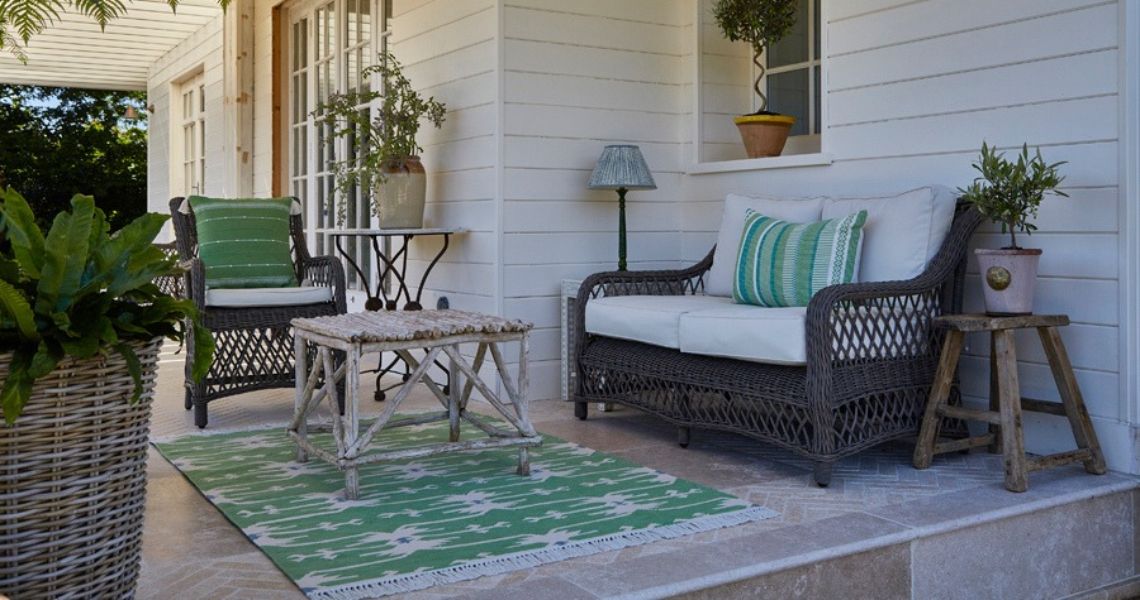
Entertaining and hosting guests can often involve opening up your outdoor space, especially during the summer (but also occasionally during colder months too). Your outdoor space should be just as welcoming as your indoor space, providing somewhere for people to socialise. The main focus might be on outdoor dining, including barbecues or other casual get-togethers. But you might also want to create a space for more general outdoor living.


If you want to be set up for outdoor dining, start by thinking about the actual cooking. Having a barbecue is definitely handy, but you have various options for cooking outdoors. Your options range from small and portable to much larger, permanent installations. Your outdoor cooking setup could even include features like a pizza oven. If you prefer to cook indoors, you could think about how to create flow from the kitchen to outside for a seamless transition.
Of course, once the food is prepared, you need somewhere to eat it. Sometimes everyone standing with their plates is fine, but it can get a little awkward. Somewhere to sit, or even a few little places to sit, will allow everyone to take a load off and concentrate on their food and drink without having to juggle it all. Whether you choose an outdoor dining table and chairs, some comfy sofas and armchairs with coffee tables, or bistro chairs, you should also think about creating some shade for sunny days. Use parasols, awnings or other options to make your seating spaces more comfortable.
Think About Multi-generational Get-Togethers
Finally, it’s important to think about the age of your guests. Entertaining can often mean not just having adults in your home, but also welcoming children. While the parents might have fun around the dining table, younger guests might prefer to do something else. You could think about creating a space for them, which will not only give them somewhere fun but will also allow the adults some peace and quiet. It might be a den, a games room, or a playroom, or maybe a home cinema.
It could also be smart to think about older guests too. Might they need somewhere comfortable and quiet to sit if they start to get tired? Are your chosen chairs supportive enough, or would they be hard for older people to get in and out of? When designing certain areas of your home, it can be helpful to consider the ease with which people can get around. Eliminating steps or tricky transitions between thresholds can make it easier for anyone with mobility issues.
Any home could be made perfect for entertaining, no matter how big or small. Think about your needs and those of your guests to create a space where everyone is welcome.
Images courtesy of unsplash.com and pexels.com