Choosing a door involves more than picking a style; it’s a decision about connection and separation, light and privacy. Should a barrier be absolute, or should it offer a glimpse beyond? This choice between solid and glazed designs shapes how a room feels and functions. One provides a blank canvas for colour and complete seclusion, while the other acts as a transparent frame for the world outside.
Understanding when to use each type transforms a simple selection into a strategic tool for crafting your home’s atmosphere with the correct doors.
Where Clarity Meets Efficiency
For entries that face the outdoors, the question isn’t just about vision—it’s also about defence. External openings must battle the elements while providing security. This is where the substantial benefit of double glazed external doors becomes essential. Their construction incorporates two panes of glass with an insulating layer of argon or krypton gas sealed between them. This sophisticated design delivers superior thermal performance, drastically reducing heat transfer to keep interiors comfortable. It also provides exceptional noise reduction, creating a quieter, more energy-efficient home.


Prioritizing Privacy and Quiet
Certain spaces demand solitude and acoustic isolation. Bedrooms, bathrooms, and home offices benefit immensely from the solid embrace of a regular door. Their opaque, often solid-core construction acts as a reliable shield against household sounds, allowing for concentration and rest without distraction. They offer a complete visual block, which is non-negotiable in private areas. In these rooms, the functional need for seclusion almost always outweighs the aesthetic desire for borrowed light.
Borrowing Light and Creating Flow
Conversely, many areas languish in dimness. Hallways, interior rooms without windows, and small spaces can feel confined and gloomy. Introducing a glazed interior door, perhaps with frosted or textured glass, solves this problem elegantly. It permits sunlight from adjacent sunlit rooms to filter through, brightening the entire floor plan without sacrificing all privacy. This technique enhances the feeling of spaciousness, making the home’s layout feel more open, connected, and airy, much like installing doggy door in glass door can improve convenience and flow in a home.

Balancing Aesthetics with Practicality
Sometimes the best solution isn’t strict either/or. Many beautifully designed doors masterfully combine both elements. A solid wood door might feature a single long, narrow window panel at the top to channel light. Another might use reeded or fluted glass to distort the view while still permitting a soft, diffused glow. These hybrid options offer a compromise, delivering on the desire for visual interest and illumination while maintaining a degree of necessary separation for the room behind them.
Considering Maintenance and Durability
Practical upkeep should influence your final decision. A fully glazed door, particularly a large one, requires regular cleaning to keep it looking its best. Solid surfaces generally need less frequent attention. For families with young children or high-traffic areas, the resilience of a solid door might be preferable to the potential vulnerability of a glass panel. Weigh the desire for light against your willingness to maintain the finished look over time.
The Final Guiding Principle
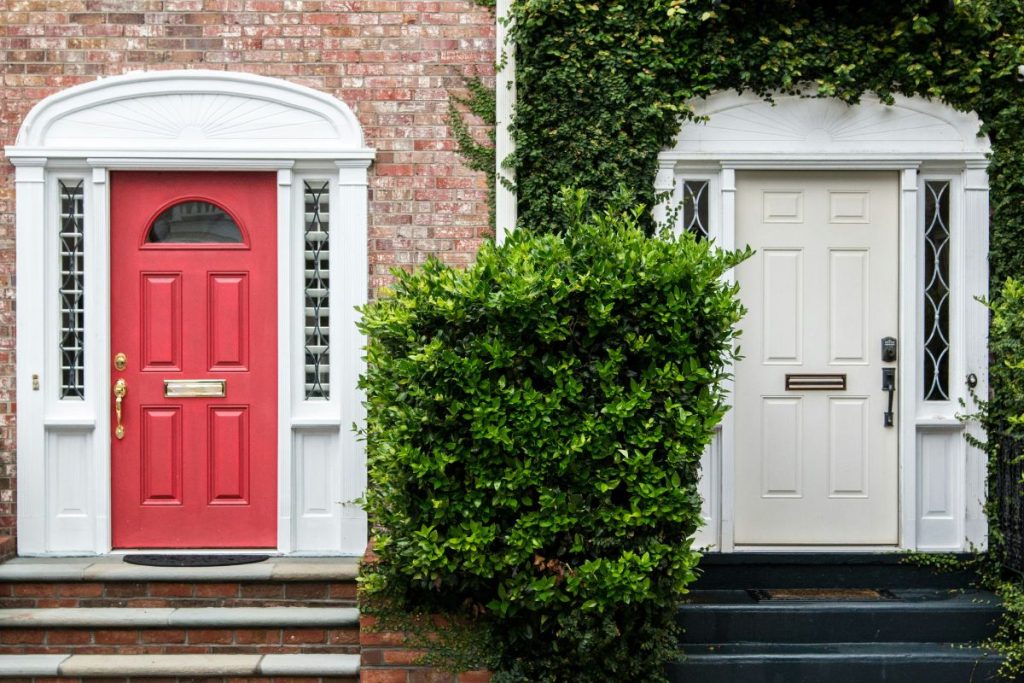
Let the room’s primary purpose be your ultimate guide. Ask what the space fundamentally requires. Is it a quiet retreat? A solid door is likely the answer. Is it a passive connector between living areas that benefits from shared light? A glazed model could be perfect. For the main home entrance, a double-glazed system offers the perfect marriage of durability, efficiency, and welcoming transparency. There are no universal rules, only what works best for how you live within each unique part of your home.
This decision is a powerful act of home curation. By thoughtfully assigning solid or glazed doors based on functional needs and desired ambiance, you actively shape your daily experience. You control the light, the sound, and the sightlines that define your environment. It’s a choice that moves far beyond the hardware store, reaching into the very heart of how your home feels to inhabit.
Images courtesy of unsplash.com and pexels.com