In any production environment, the smooth flow of operations hinges on properly documented inputs. These inputs serve as the foundation for efficient and consistent output. Without clear, accurate documentation, production can face costly delays, errors, and rework. Ensuring that inputs are well-documented reduces confusion and enhances communication and quality control.
This post explores practical ways to maintain production flow by focusing on the crucial role of properly documented inputs in your workflow.
Understanding the Role of Inputs in Production Efficiency
Every production process depends on inputs that fuel it. These can include raw materials, parts, technical specifications, data sets, or instructions. The quality and clarity of input documentation directly impact how smoothly production progresses. When inputs are well-documented, team members know exactly what to use, when to use it, and how to apply it. This minimizes guesswork and ensures consistent quality standards.

Poor documentation often leads to confusion. For example, incomplete specifications can result in parts that don’t fit or data that leads to incorrect outputs. Consequently, production halts while teams clarify, correct, or reorder inputs. This wastes time and increases costs. A deep understanding of input roles is the foundation of maintaining uninterrupted production.
Documenting Materials with a Focus on Accuracy
Accurate documentation of parts and materials is critical for maintaining production efficiency and ensuring product quality. In complex manufacturing environments, even a minor oversight in listing components can lead to significant delays or defective outcomes. A BOM checklist for precision engineering, for example, helps ensure that every nut, bolt, and circuit is accounted for before production begins. This level of detail minimizes the risk of missing or incorrect parts and supports clear communication across design, procurement, and assembly teams. Consistent documentation improves operational flow, lays the groundwork for quality assurance, and makes troubleshooting easier later in the process.
Leveraging Technology for Input Management
Modern technology offers powerful tools to streamline input documentation and tracking. Enterprise Resource Planning (ERP) systems, Manufacturing Execution Systems (MES), and digital workflow platforms can automate much of the input documentation process. These systems allow for real-time tracking of inventory, automatic updates of input specifications, and instant communication across departments.

Using technology reduces manual errors and enables faster access to input data. For example, barcode scanning or RFID tagging can verify that the right raw materials are used at the right time. Digital input documentation also integrates well with quality control systems, triggering alerts when inputs do not meet standards. Embracing technology thus helps production teams maintain flow without manual bottlenecks.
Training Teams to Follow Documentation Best Practices
No system works without people who understand and commit to it. Training employees on the importance of proper input documentation and how to do it correctly is vital. This training should cover how to document inputs, why it matters for production flow, and overall business success.
Encouraging a culture of accountability and precision can prevent careless mistakes. Employees who recognize the downstream impact of poor documentation are more likely to double-check their work. Regular refresher courses and clear communication from management help maintain these best practices, ensuring that input documentation remains a priority.
Implementing Regular Audits and Feedback Loops
To keep documentation standards high, organizations should regularly audit input records and workflows. Audits help identify recurring problems such as incomplete forms, outdated specifications, or miscommunication between teams. Addressing these issues promptly prevents small errors from escalating into production halts.
Feedback loops, where frontline employees can report challenges or suggest improvements in documentation processes, are equally important. These loops foster continuous improvement and adapt documentation practices to evolving production needs. By systematically reviewing and refining input documentation, companies can sustain smooth production flow and adapt to changing demands.
Aligning Input Documentation with Quality Control Processes
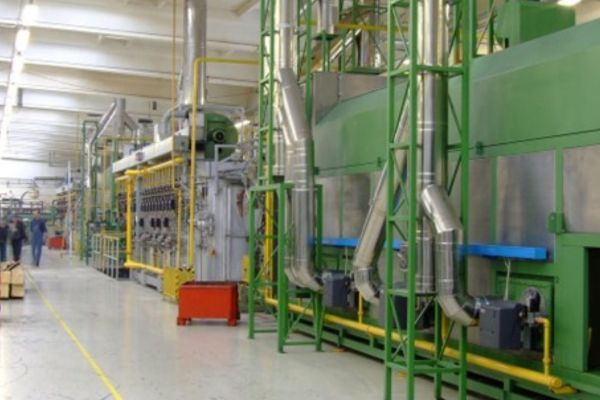
Input documentation is inseparable from quality control. Detailed records of input specifications and sources enable quality teams to trace issues back to their origin quickly. This traceability helps identify defective raw materials or data errors early, preventing defective products from reaching customers.
Integrating input documentation with quality control ensures that any deviations are caught and addressed before they affect production flow. Maintaining accurate input documentation supports compliance with industry standards and regulations, which often require thorough record-keeping. Properly aligned input and quality documentation thus safeguard production efficiency and product integrity.
Properly documented inputs form the backbone of efficient production processes. By understanding their critical role, standardizing documentation, leveraging technology, training teams, auditing regularly, and integrating with quality control, organizations can keep their production lines flowing smoothly. The investment in accurate input documentation pays off through reduced delays, improved product quality, and increased customer satisfaction. For any business aiming to optimize production, prioritizing input documentation is an indispensable step toward operational excellence.
Images courtesy of unsplash.com and pexels.com