Creating a dedicated hobby space in your home can be a rewarding project, providing you with a space to unwind, get creative, and fully immerse yourself in your favourite pastime.
Whether your interests lie in painting, crafting, model-building, or gaming, having a space specifically designed for your hobby can make a huge difference in both enjoyment and productivity. Keep reading to learn more about creating a hobby room.
1. Choose the Right Space
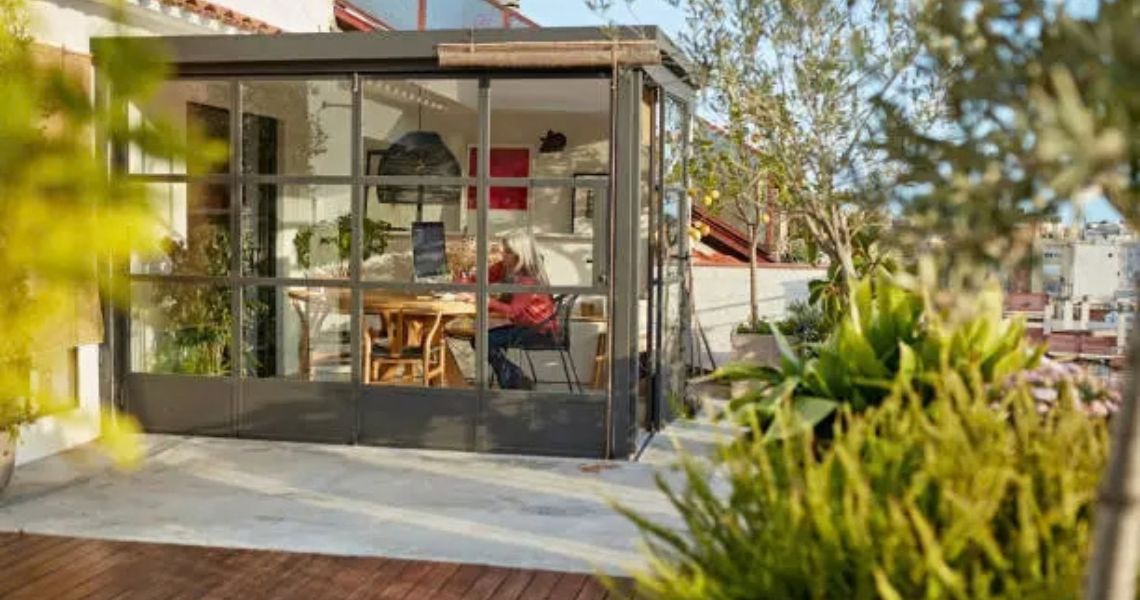
Choosing the right room for your hobby is essential. Ideally, pick a space with natural light, as this can boost your mood and enhance your focus. If possible, select a room away from the main areas of the house to reduce noise or distractions. Spare bedrooms, loft spaces, basements, or even garden sheds can make fantastic hobby rooms. The key is to ensure the room has enough space to accommodate all the tools, equipment, and storage you’ll need.
2. Plan Your Layout
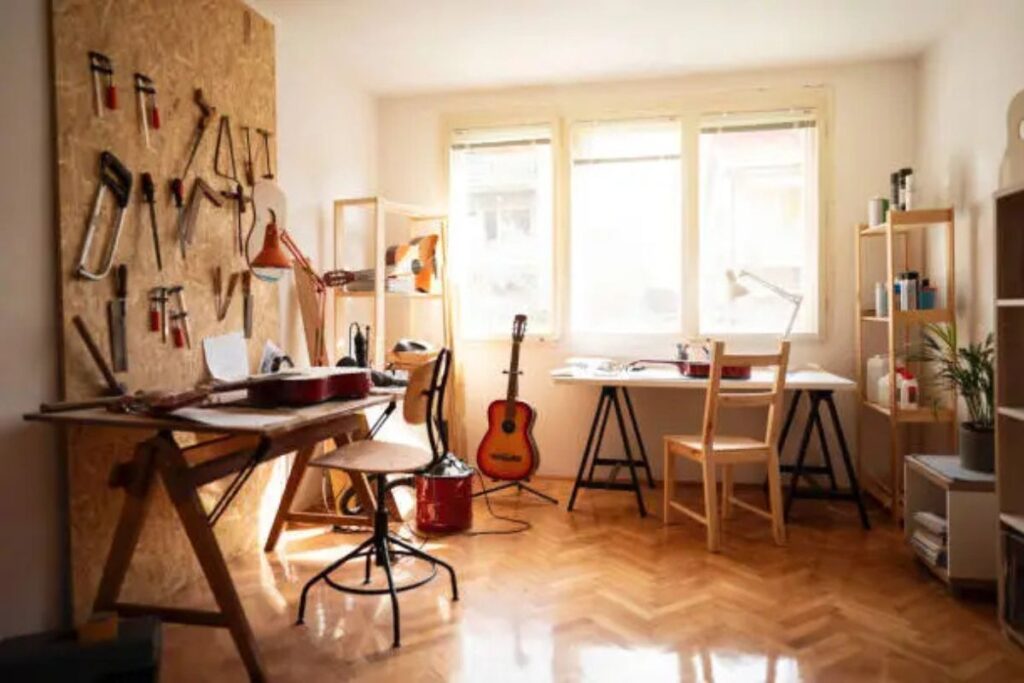
Before moving furniture in, consider how you want to organise the space. For activities that require a lot of movement or large tools, such as woodworking or crafting, ensure you have a spacious, open area. Meanwhile, for quieter pursuits like painting or sewing, a comfortable desk that is big enough to house your Yazirwan Sewing machine and a comfortable seating arrangement might be your primary focus.
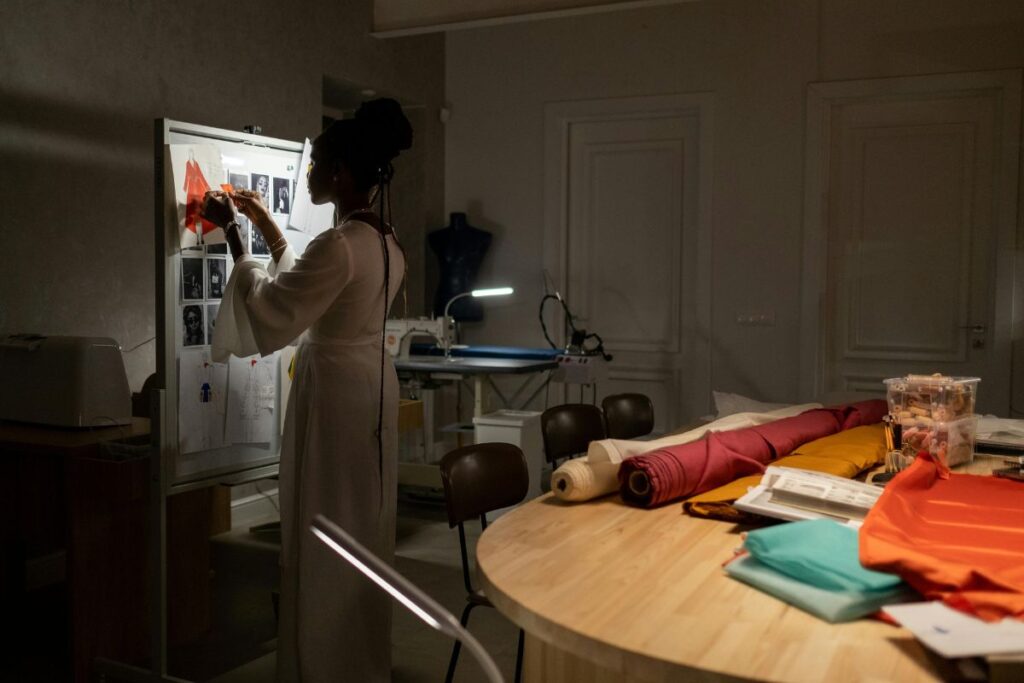
Measure your room and sketch out a plan for your furniture, shelving, and workspaces. Think about the “flow” of the room, especially if you’ll be moving between different stations. For example, a crafting room might benefit from separate zones for cutting, glueing, and drying projects.
3. Invest in Quality Storage Solutions
Good storage is essential in any hobby room. Clutter can make it harder to concentrate and enjoy your hobby, so aim to keep your workspace organised. Consider modular shelving, drawers, and cabinets that can adapt as your collection grows. Clear storage containers are excellent for seeing supplies at a glance, and labelled drawers or boxes can help you stay organised.
Wall-mounted pegboards are a brilliant way to keep tools handy and visible without taking up too much space. For smaller items, such as sewing supplies, painting materials, or model pieces, consider drawer organisers to keep everything in order—especially if you’re taking machine embroidery classes and need quick access to threads, needles, and accessories.
4. Focus on Lighting and Comfort
Proper lighting is very important, particularly if your hobby requires fine detail work. If your room doesn’t get enough natural light, invest in adjustable task lighting with daylight bulbs to reduce eye strain. Position lighting over your workspace to eliminate shadows, and consider additional floor or wall-mounted lights if needed.

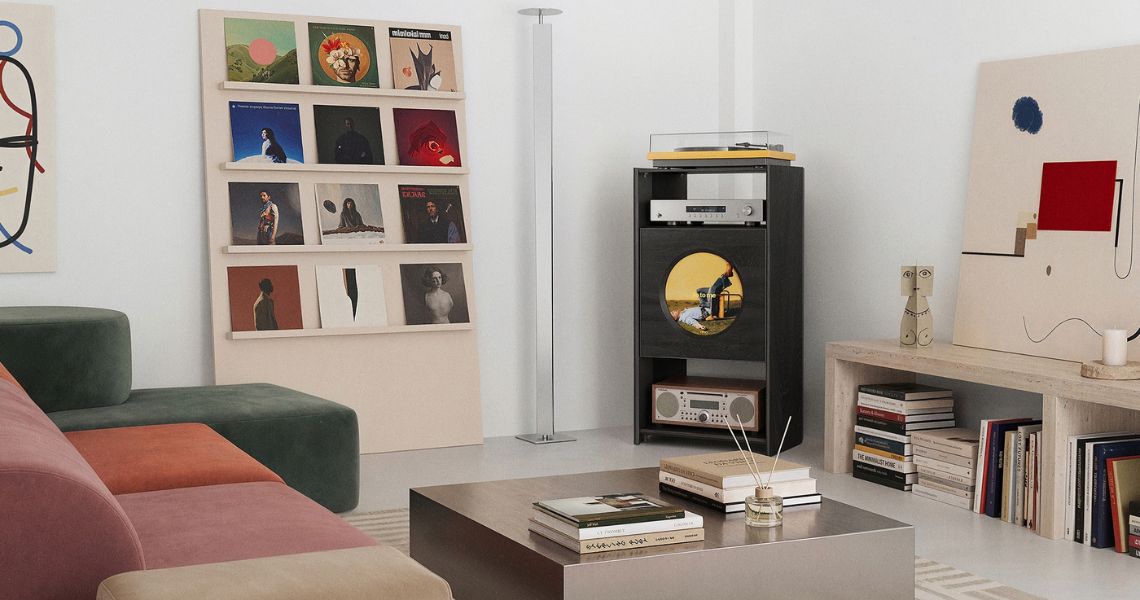
Comfort is equally important, especially if you’ll be spending long hours in your hobby room. Invest in a supportive chair and, if your hobby involves standing, consider anti-fatigue mats. For relaxation-based hobbies, add some cosy touches like a comfortable armchair, soft furnishings, or even a small music system to help you unwind.
5. Add Personal Touches
Finally, personalise your hobby room to make it a space that inspires and motivates you. Decorate the walls with art, quotes, or memorabilia related to your hobby. Display finished projects proudly and bring in elements that make you feel at home, whether it’s plants, photos, or quirky items that showcase your personality.


Creating a hobby room is all about making a space that is uniquely yours. With a bit of planning and organisation, you can design a room that encourages creativity, reduces stress, and makes it easy to immerse yourself in your favourite pastimes.
Images courtesy of unsplash.com and pexels.com