Pop art was more than just a vibrant art movement of the 1950s and ‘60s, it was a complete cultural reset. Bursting with bold colours, commercial references, and celebrity culture, it turned everyday imagery into artistic masterpieces that capture the eyes (and souls) and many!
This revolutionary style didn’t just challenge traditional fine art, but it changed the way people viewed the world around them – it made an impact! At the heart of it all were a handful of daring, innovative artists who pushed boundaries with pop art and made modern art more accessible to the masses.
In this article, we’ll explore the most influential pop art icons and how their work shaped the art world we know today. Keep reading to find out more.
1) Andy Warhol
No conversation about pop art is complete without the impressive collection by Andy Warhol. Famed for his Campbell’s Soup Cans and Marilyn Monroe portraits, Warhol was a master of blending commercialism with creativity. He challenged ideas of originality, celebrity, and mass production, turning the mundane into the iconic.
His studio, The Factory, based in New York, became a creative hub for artists, musicians, and actors alike. Warhol’s art remains endlessly fascinating for both its captivating visuals and the deep thinking behind it.
2) Roy Lichtenstein
Roy Lichtenstein took comic book panels and elevated them to gallery status. His bold, dotted brushwork and speech bubble compositions mirrored the printing style of commercial comics while cleverly critiquing mass media and consumer culture.
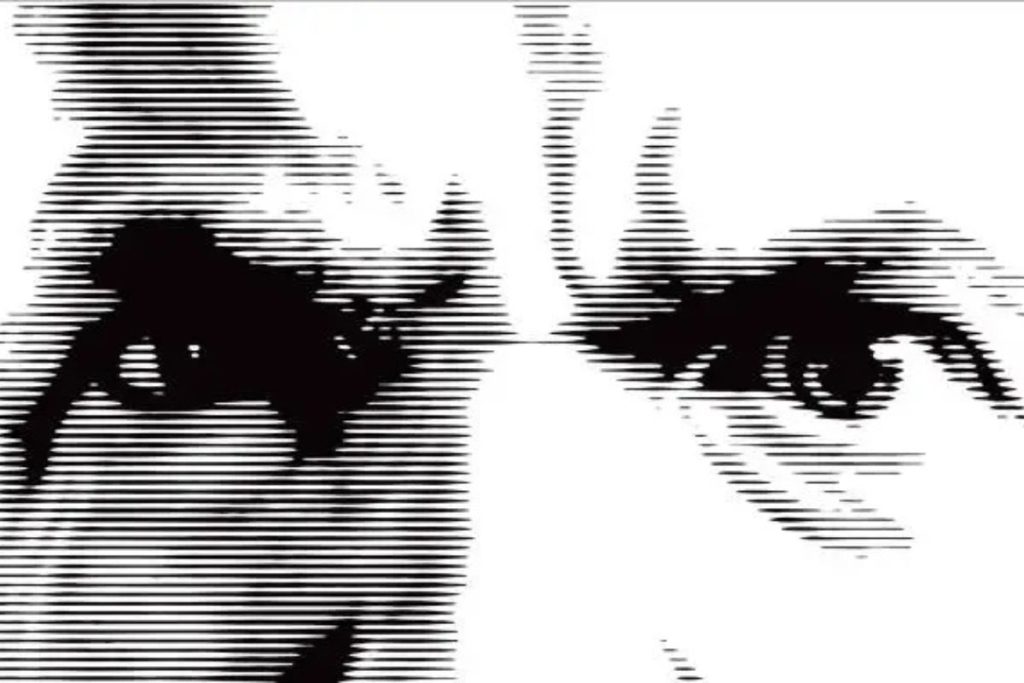
Works like Whaam! and Drowning Girl remain some of the most recognisable pieces of pop art to this day. Lichtenstein reminded us that even low-brow or overlooked visual culture could carry deep artistic merit.
3) Keith Haring
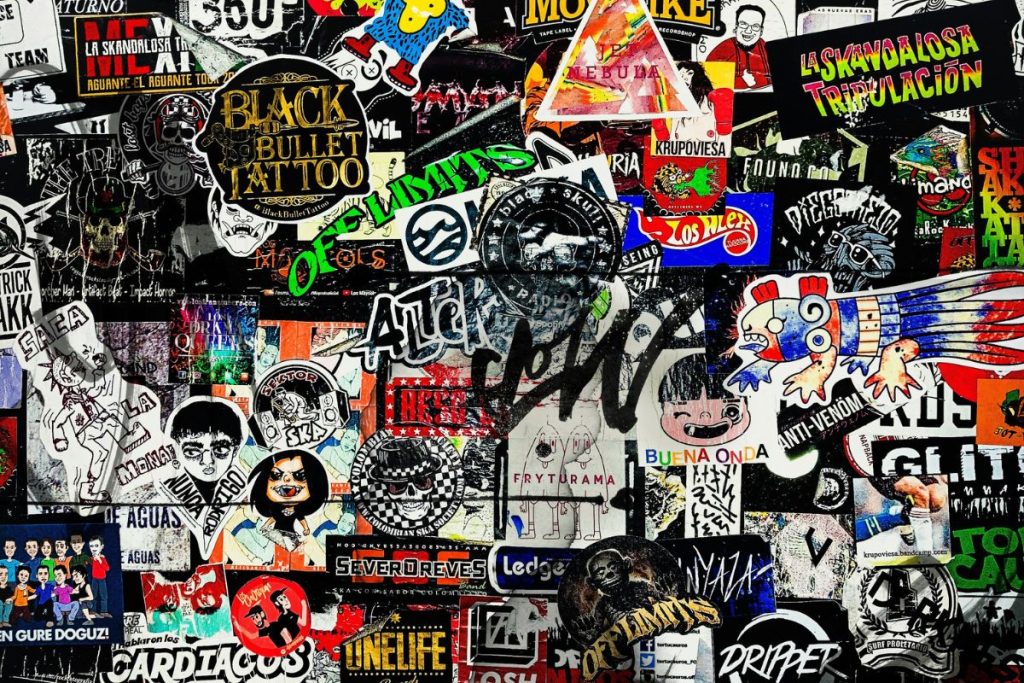
Keith Haring brought pop art to the streets. His signature figures, outlined in thick black strokes, filled with vibrant colour, originated from graffiti-style chalk drawings in New York City subways. His work often carried powerful social and political messages, from anti-apartheid to AIDS awareness.
What set Haring apart was his belief that art should be for everyone, not just gallery-goers. His energy, activism, and commitment to community still inspire artists and activists today.
4) David Hockney
While not always labelled strictly as pop art, David Hockney’s early work embraced many of the movement’s core themes: consumerism, vibrant palettes, and stylised representation. His A Bigger Splash and Los Angeles pool scenes are iconic.
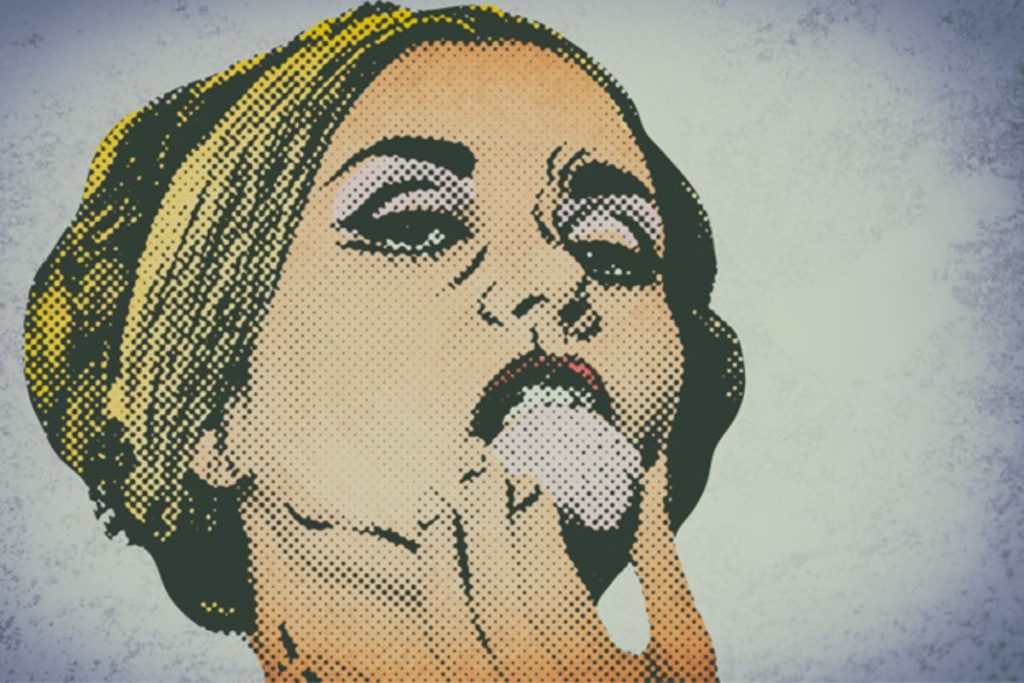
Unlike Warhol or Lichtenstein, Hockney infused more of his personal life and emotional nuance into his work, blurring the lines between pop art and personal storytelling.
5) Richard Hamilton
Often credited with creating one of the first true pop art collages, Richard Hamilton’s Just What Is It That Makes Today’s Homes So Different, So Appealing? encapsulated the entire movement in a single piece. With cut-outs of bodybuilders, vacuum cleaners, and TV sets, Hamilton critiqued post-war consumerism while celebrating its aesthetic.
His work was both playful and profound, which proves its potential to be critical, clever, and complex.
Learn More About Modern Art And Influential Pop Artists

Pop art was never just about bold colours and familiar imagery, but it was a creative rebellion. These artists used their work to question tradition, embrace popular culture, and blur the lines between high and low art. From Warhol’s fascination with fame to Haring’s socially charged murals, each voice brought something bold, personal, and lasting to the movement.
Pop art is deep, and whether you’re exploring it for the first time or taking a look at it with fresh eyes, you’re bound to learn something new about the stories behind these iconic artists. Their impact continues to shape the art world and how we view the everyday, decades later.
Images courtesy of unsplash.com, pexels.com and Canva.com