For years, Korean skincare was closely associated with the famous 10-step routine: an elaborate sequence of cleansers, essences, toners, serums, sheet masks and moisturisers that turned everyday skincare into something approaching a ritual.
But Korean skincare and beauty has never really been about hitting a particular number of steps. Its appeal lies more in thoughtful product selection, gentle layering and a strong focus on hydration, skin comfort and consistency.
As more people explore Korean skincare products in the UK, the conversation is shifting away from rigid routines and towards a more flexible approach. Instead of filling the bathroom shelf for the sake of it, skincare lovers are becoming more selective about ingredients, textures and formulas that genuinely suit their skin and lifestyle.
The 10-Step Routine Was Always More Flexible Than It Looked
The 10-step Korean skincare routine became an international phenomenon because it introduced many people to concepts that had previously received less attention in Western beauty culture.
Double cleansing, essences, lightweight hydration, sheet masks and layering products from thinner to thicker textures all became closely associated with K-beauty.

Yet treating ten steps as a fixed formula misses much of the original appeal. Different skin types call for different approaches. Someone with dry skin may enjoy several hydrating layers, while oily or combination skin might feel more comfortable with a streamlined routine.
More steps do not automatically mean better results. What matters more is whether each product has a useful role and whether the overall routine remains comfortable and manageable.
What a More Thoughtful Routine Looks Like
Rather than counting products, it can be more useful to think about what each stage contributes.
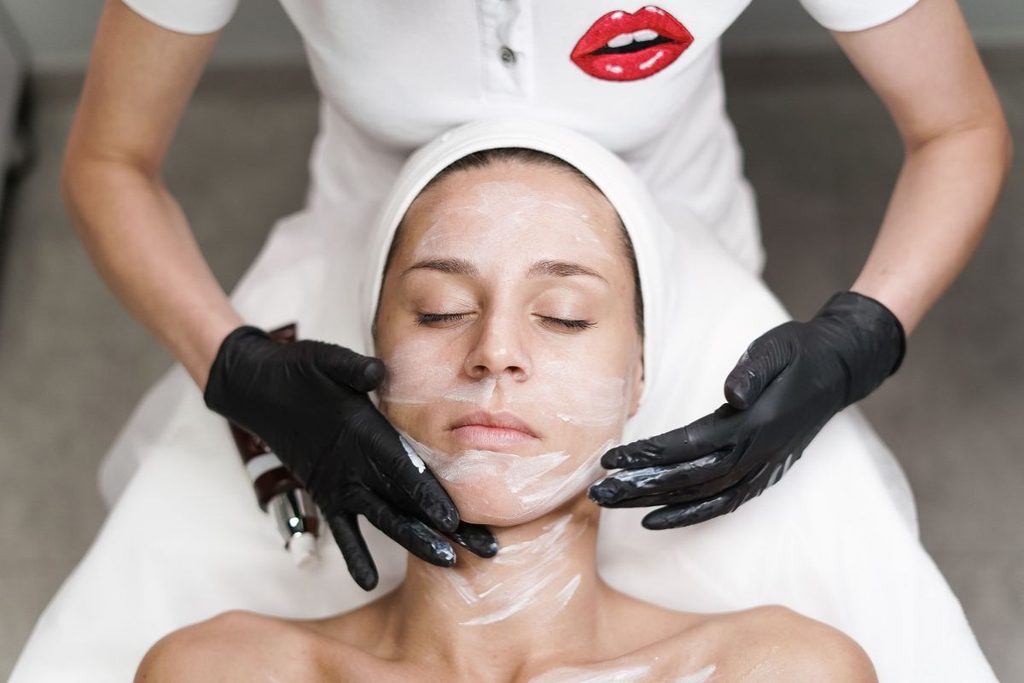
- Cleanse with purpose: remove makeup, sunscreen, excess oil and everyday impurities without leaving the skin feeling unnecessarily stripped.
- Add hydration where needed: toners, essences and serums can introduce lighter layers of moisture without relying entirely on heavier creams.
- Choose targeted products carefully: treatments can be selected according to concerns such as dryness, uneven-looking tone, visible texture or excess oil.
- Finish with protection: daytime routines should leave room for sunscreen rather than becoming overloaded with unnecessary layers.
This approach creates a routine that feels considered rather than simply long.
Choosing Products Around Your Skin’s Needs
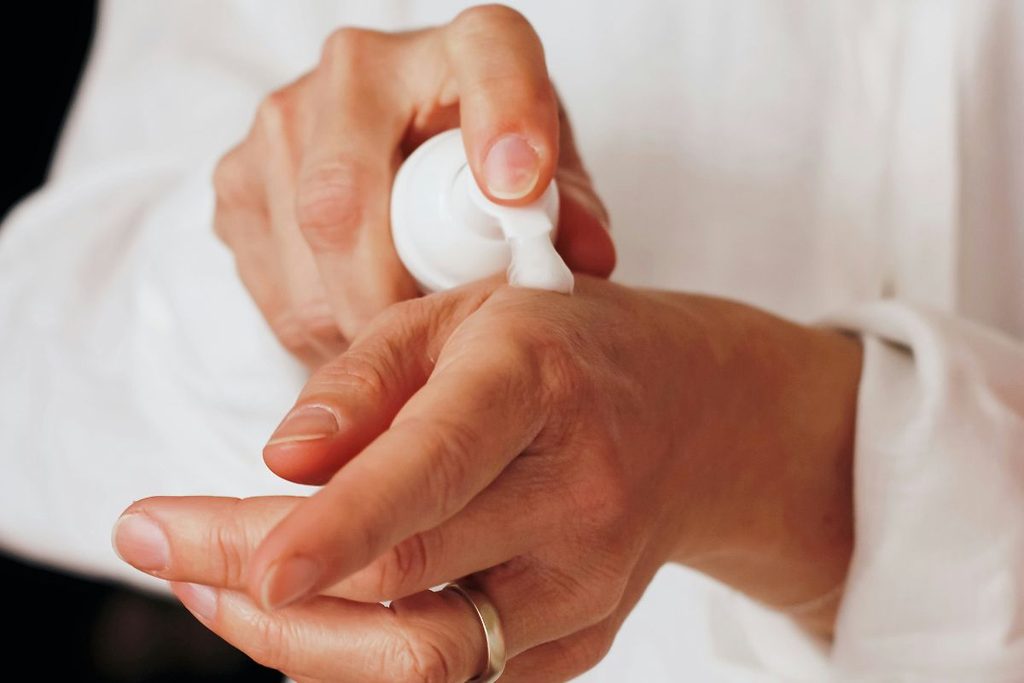
Modern Korean beauty has become increasingly focused on products designed around particular concerns and preferences.
The growing variety of Medicube skincare products, for example, reflects how broad K-beauty has become, spanning serums, creams, cleansing products, treatment pads and skincare devices.
That choice can be useful, but it does not mean every product belongs in every routine. Introducing products individually makes it easier to judge how they feel on the skin and whether they add something worthwhile.
This matters particularly when using active ingredients or more specialised treatments. If several new products are introduced at once, it can become difficult to identify which one is helping, which is unnecessary, or which may be causing irritation.
Why Ingredients Matter More Than Extra Steps
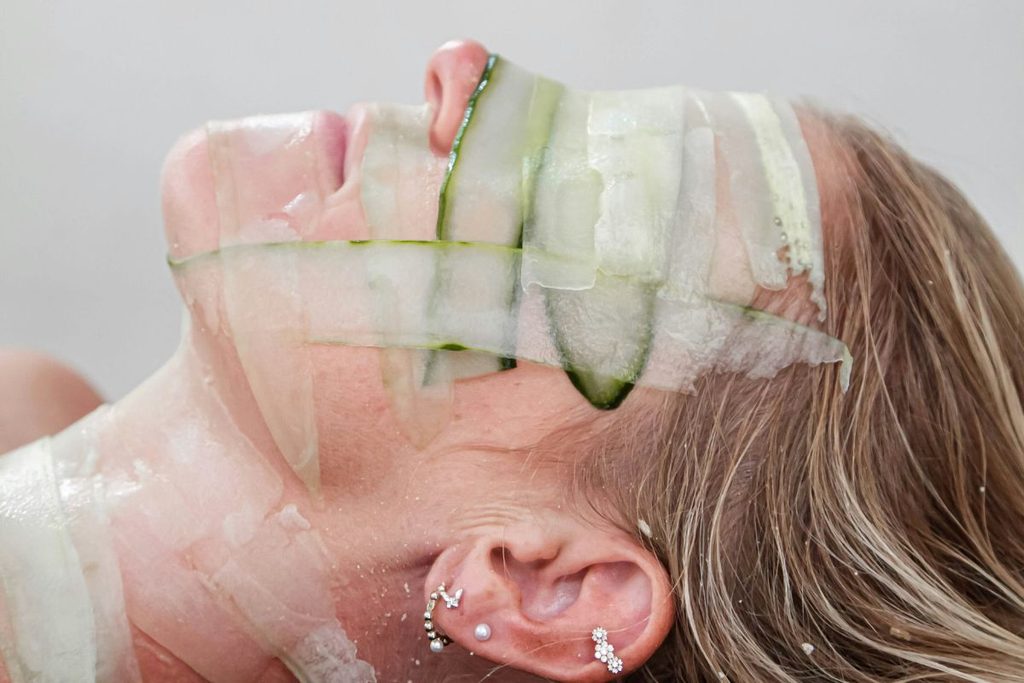
As K-beauty has grown internationally, skincare users have also become more ingredient-conscious.
Centella asiatica is frequently incorporated into formulas designed with soothing and hydration in mind, while niacinamide commonly appears in products intended to support a more even-looking complexion. Hyaluronic acid is widely used for hydration, while ceramides play an important role in supporting the skin barrier.
Understanding the purpose of an ingredient can be more useful than simply following whatever happens to be trending online.
A few practical questions can help:
- What is the product designed to do?
- Does it duplicate something already in the routine?
- Is the texture suitable for your skin type and preferences?
- Can it be introduced gradually rather than alongside several new products?
No individual ingredient can guarantee flawless skin. Genetics, hormones, environment, lifestyle and other factors all influence how skin looks and feels, so skincare is best viewed as supportive rather than as a guaranteed fix.
Sun Protection Still Deserves a Permanent Place

Simplifying a routine does not mean removing the fundamentals.
K-beauty has helped popularise sunscreens with lightweight textures designed to sit comfortably alongside other skincare products. The growing range of Korean sunscreen products includes creams, gels, serums and fluid formulations suited to different preferences.
Texture matters because a sunscreen that feels comfortable is generally easier to incorporate consistently. It also needs to work alongside moisturiser, makeup and the rest of the morning routine without feeling unnecessarily heavy.
For many skincare lovers, that makes SPF a far more useful final step than adding another serum simply because a routine feels incomplete.
A Better Routine Is One You Can Actually Maintain
The evolution of K-beauty is showing that thoughtful skincare does not have to be elaborate.
For one person, a cleanser, moisturiser and daytime SPF may be enough. Someone else may enjoy adding an essence, serum or mask because those products suit their skin and make the routine more enjoyable.
The important thing is that each step has a reason to be there.
Skincare can still be playful, relaxing and expressive without becoming an obligation. Everybody’s skin is different, and there is no universal route to a healthy-looking glow. A well-built routine is simply one that feels comfortable, suits your lifestyle and contains products you genuinely want to keep using.
Images courtesy of unsplash.com and pexels.com