In today’s retail outlets, hygiene expectations have risen sharply in recent years. Customers are often more discerning and the appearance and cleanliness of a space can influence how a brand is perceived. Among the many hygiene measures required, upholstery steam cleaning is often overlooked, despite its importance.
As retailers seek to provide a safe and welcoming environment, professional upholstery steam cleaning is emerging as a key service that supports customer trust, staff wellbeing and operational standards.
The Changing Face of Retail Hygiene Expectations
Consumer priorities have shifted significantly in recent years, with hygiene now regarded as a core aspect of the customer experience, certainly when compared to shopping online. As a result, retailers are expected to maintain visibly clean premises and this includes soft furnishings such as seating areas, fitting room benches and upholstered display elements. These features are high-contact surfaces that accumulate dirt, bacteria and allergens over time.
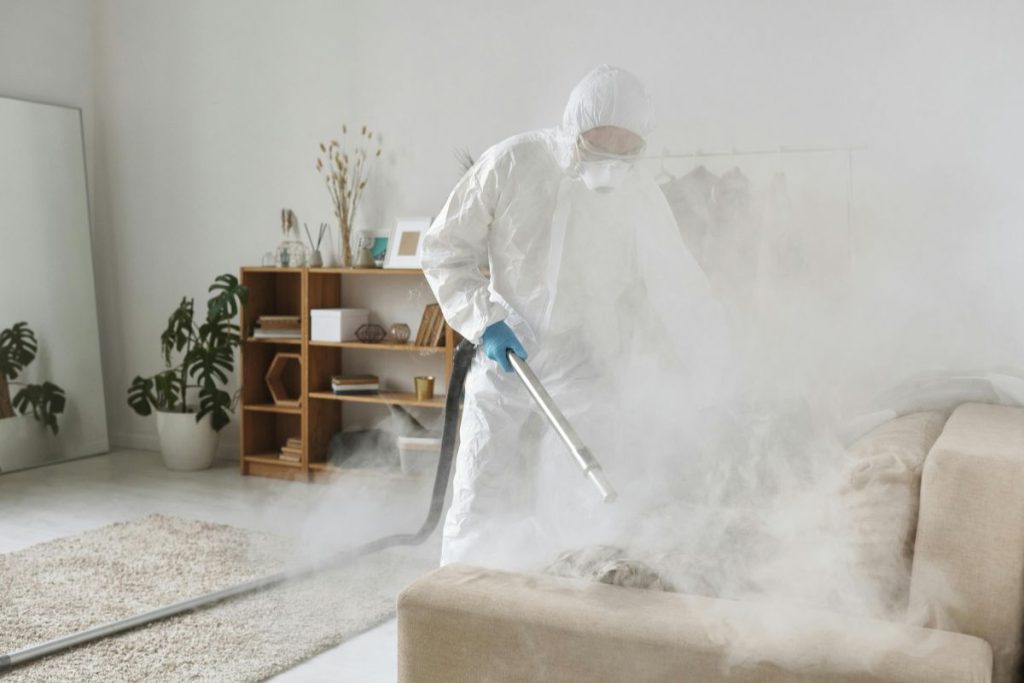
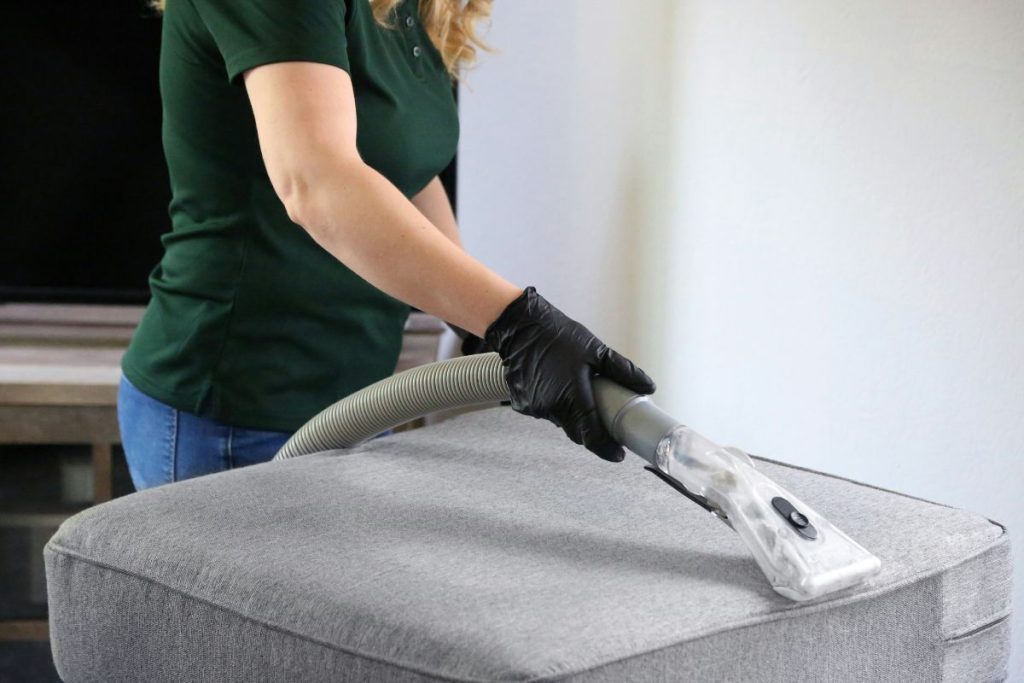
Unlike hard surfaces, upholstery cannot simply be wiped down between uses. Fabrics absorb dust, sweat, airborne particles and spills, making them potential reservoirs for pathogens. This creates both a visual and a hygiene issue, particularly in busy or high-end retail settings. Upholstery steam cleaning addresses this by deep-cleaning fabric at a fibre level, providing reassurance to customers and fulfilling a critical role in modern hygiene protocols.
Why Upholstery Requires Specialist Cleaning
Upholstered surfaces in retail spaces are subject to intense and varied use. Waiting areas, lounges and staff break rooms experience constant footfall and repeated contact, which leads to embedded grime and odours. Regular vacuuming only addresses superficial dirt, leaving microbes and allergens to build up in the underlying fabric.
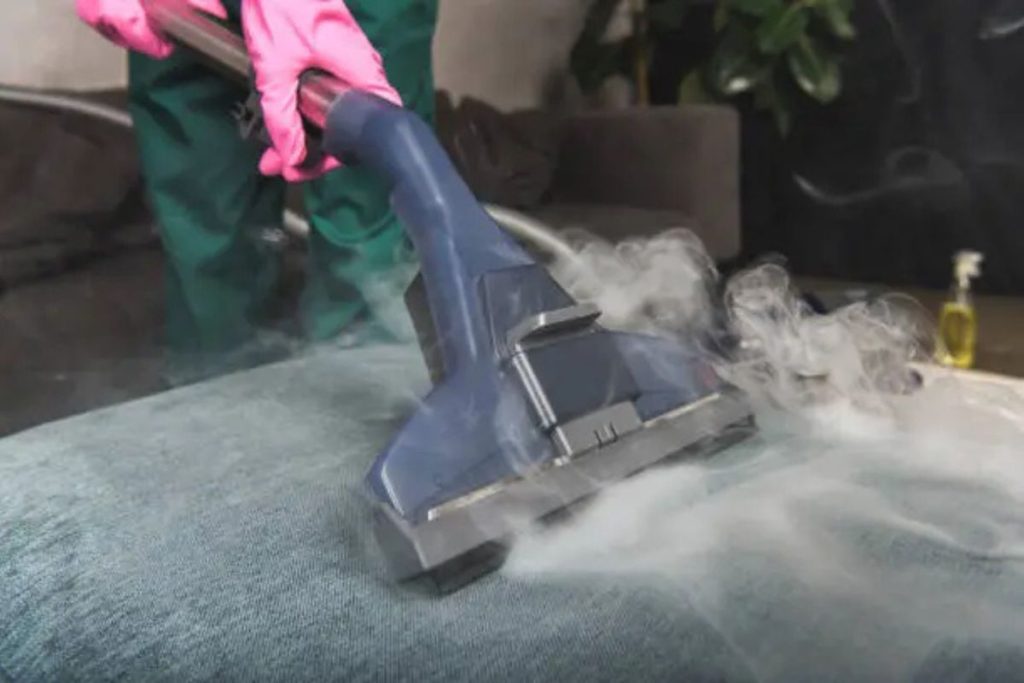
When delivered as a professional retail cleaning service, steaming is an effective solution because it cleans deeply without the need for harsh chemicals. High-temperature steam penetrates fabric to lift dirt, kill bacteria and neutralise odours. Conducted by trained professionals, the process will be assessed to ensure it is safe for the materials it will be used on. Such professional checks also help to ensure faster drying times are achieved compared to traditional wet cleaning methods. This is especially important in retail spaces where downtime must be kept to a minimum, of course.
Professional upholstery steam cleaning also helps preserve the appearance and longevity of furnishings. Incorrect cleaning methods can damage fabric fibres, discolour upholstery or leave behind residues that attract further dirt. Specialist steam equipment, matched with expertise, ensures that all work is carried out to a high standard with minimal disruption to daily operations.
Steam Cleaning vs Other Upholstery Methods
While there are several methods for cleaning upholstery, steam cleaning remains one of the most effective, especially in commercial environments. Shampooing and foam-based methods can leave moisture and chemical residues behind, potentially damaging fabrics or creating an environment where mould and odours thrive. Spot cleaning is suitable for small stains but does not address deep-seated grime or sanitisation needs.
On the other hand, steam cleaning offers a deeper and more uniform clean. It uses minimal water and requires no harsh chemicals, making it a safer and more sustainable choice for retail businesses. With proper ventilation and professional technique, drying times are short, which reduces disruption and allows the space to be reopened quickly.
Even better from a retail perspective, steam cleaning supports more frequent maintenance. This is especially beneficial in high-traffic areas, where aesthetic presentation and hygiene must be maintained consistently. With the correct service intervals, upholstery can remain fresh, clean and inviting year-round, especially when it is conducted as part of a wider commercial cleaning package.
High-Traffic Retail Areas That Benefit Most
Certain areas in retail environments are particularly prone to upholstery hygiene issues. Customer-facing zones, such as waiting areas, lounges and coffee stations, contain sofas, armchairs or fabric-covered benches that are used by hundreds of individuals daily. These are critical hygiene points that require routine cleaning.
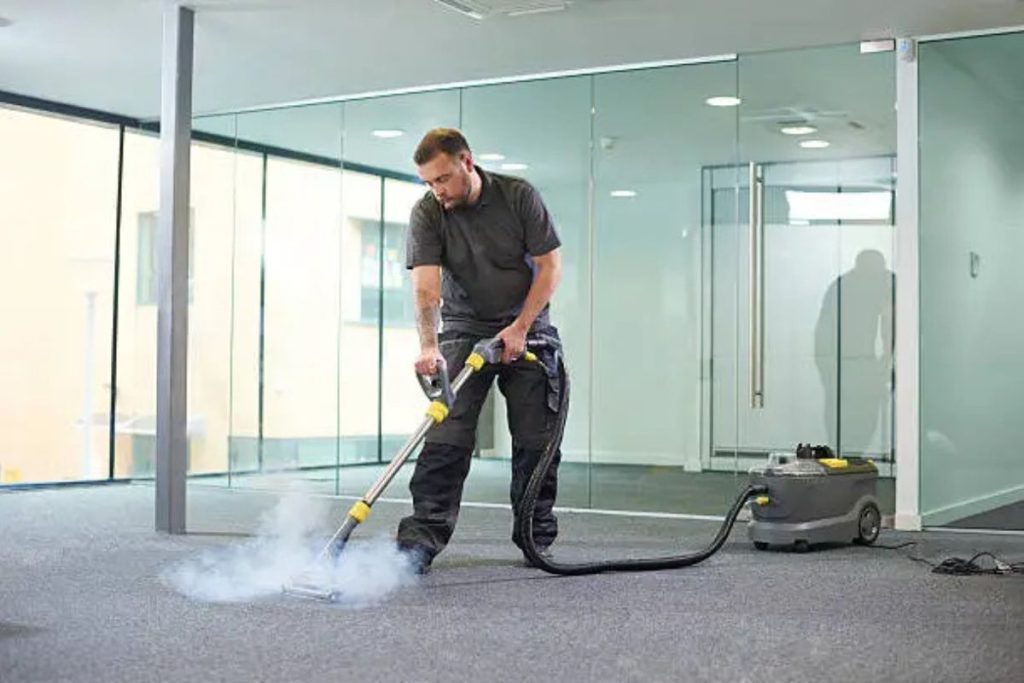
Fitting rooms also present challenges. Soft seating, curtains and upholstered panels see constant use and often in poorly ventilated spaces. Steam cleaning helps to sanitise these elements thoroughly without resorting to invasive or time-consuming refurbishment.
Behind the scenes, staff rooms, changing areas and office seating can also benefit. While not seen by customers, these spaces influence staff morale and wellbeing. Clean, odour-free break rooms contribute to a healthier and more pleasant working environment, reducing the risk of cross-contamination and absenteeism.
Even mobile display units and pop-up retail setups, which frequently use upholstered elements for branding or layout, can accumulate grime quickly. Routine steam cleaning ensures these fixtures remain fresh, presentable and ready for use.
Supporting Compliance, Brand Image and Staff Wellbeing
Clean upholstery contributes to more than just visual appeal. In many retail contexts, particularly food retail or concessions within hospitality venues, hygiene standards must meet regulatory benchmarks. Upholstery that is visibly dirty or emits odours may draw attention from environmental health officers or fail to meet internal audit requirements.
From a brand perspective, clean soft furnishings project professionalism, attention to detail and care for customer experience. In premium retail environments, these factors contribute directly to customer loyalty and perceived value. No matter the fit-out or décor, unclean upholstery can detract from an otherwise pristine store or showroom.
Of course, staff wellbeing is also an important consideration that should not be overlooked. Team members using unclean or poorly maintained furnishings may face reduced comfort and increased exposure to allergens or bacteria. Providing a clean, hygienic working space helps retain staff, reduces sick days and supports overall morale. In short, it can boost productivity.
Conclusion
In summary, steam cleaning upholstery is no longer a low priority for retail operators. It is a front-line hygiene measure that supports brand presentation, regulatory compliance and workplace wellbeing. In a competitive landscape where customers judge by appearances and experience, ensuring that all elements of the retail space, including soft furnishings, are properly maintained is more important than ever. Professional upholstery steam cleaning offers a practical, efficient and effective solution for retailers and shop managers who want to meet today’s heightened hygiene standards with confidence.
Images courtesy of unsplash.com, pexels.com and freepix.com