For any woman aspiring to be the head-turner, the one entering a room and making a statement, her makeup or facial treatment need to be on point. A scenario where foundation catches on a dry patch beside your nose is not acceptable.
For event-ready skin, it’s not about picking the strongest facial on the menu. It’s about finding the treatment that best suits your face, and gives you the time to recover and be ready for your event.
The Pre-Event Dilemma: Maximum Radiance with Zero Recovery Time
At the beauty center Limassol, there’s ample choice and opportunity with aesthetic technologies that cover a wide range of needs and wants. You can choose a 30-minute Hydrafacial Signature or a 60-minute Platinum session that includes LED light and lymphatic drainage. What you need to communicate to the practitioner in order to make the event in the best shape possible is two things: when the photographs begin and when your makeup artist needs you in the chair. The second piece of information is the one that determines how much time your skin really has to recover.
The truth of the matter is that the appetite for procedures that fit around ordinary life and work schedules has risen in the past couple of years. The International Society of Aesthetic Plastic Surgery estimated that plastic surgeons performed 20.5 million nonsurgical procedures worldwide in 2024, compared with 17.4 million surgical ones. The nonsurgical total includes injectables and other procedures with varying recovery times.
Why Aggressive Treatments Should Be Avoided Before Big Occasions
Planning and organizing a facial treatment is as important as the treatment itself. For instance, seven to ten days before a wedding is a poor time to experiment with a deep chemical peel or ablative laser resurfacing. Both intentionally injure the skin to provoke cell renewal. While the outer barrier heals, skin may initially feel tender, visibly shed or retain a pink or red colour known as post-inflammatory erythema. After laser resurfacing, peeling can begin five to seven days after treatment.
Even a manual extraction can leave a small, easy to see mark where the professional applied pressure. With an important event approaching, ask for gentler suction and skip extractions on reactive areas. If sunburn or a rash is already making your cheeks sore, postponing the facial is a better option than trying to correct the redness just before the event.
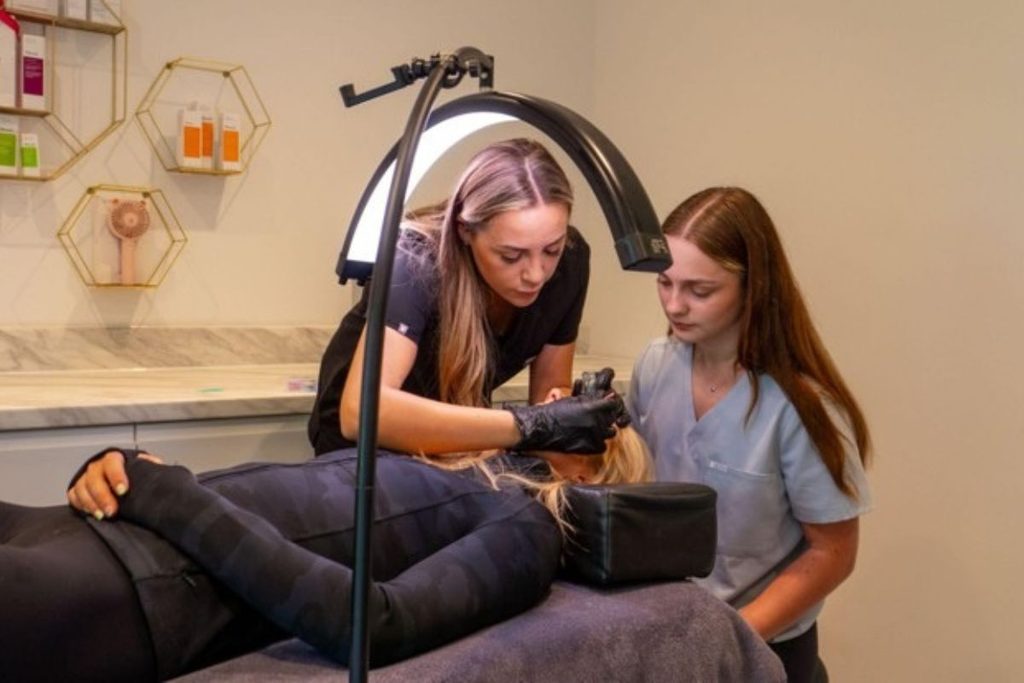
The Top In-Clinic Protocols for an Instant Glass-Skin Finish
The phrase “glass skin glow” has been in trend the past couple of years and it’s used to describe how light reflects off a smooth, moisturised surface, making the face seem Instagram-filtered. Below are some of the best treatments and protocols for immediate glass-skin finish:
| Protocol | What happens during the appointment | When to book |
| Hydro-dermabrasion (Hydrafacial) | A vortex tip combines fluid and suction for exfoliation and deep cleansing. The professional can follow up with a serum containing antioxidants or peptides, depending on each specific formula. | 24–48 hours before If you know you can tolerate it. Agree on the strength of the exfoliation and whether to include extractions. |
| Needle-free infusion (Dermadrop TDA) | A pressurised oxygen stream uses a selected serum, such as a hyaluronic acid formula, without injuring the skin. The immediate goal is a softer, more hydrated skin. | 1–2 days before If you’re talking about a familiar formula. Tell the practitioner if the products you use sting around your nose or eyes. |
| LED phototherapy and gentle lymphatic facial massage | Red LED uses selected light wavelengths. While gentle massage therapy can temporarily soften the appearance of puffiness, visible collagen changes take longer, and usually need multiple visits. | On the day Only if you have tried and know you can tolerate the same session before. Allow time for any flushing to settle before makeup. |
If you’re going for facial rejuvenation before a milestone birthday or a corporate dinner, choose the treatment that addresses the issue you noticed at your makeup trial. A fluid foundation may sit more evenly once dry patches feel supple. Check when the professional recommends applying cosmetics, particularly if the treatment session included exfoliation.
Destination Glow: Pre-Event Preparation in Coastal Limassol
If you’re getting ready for a wedding in Cyprus, count the days backwards from the first occasion you want to look your best at. That might be the welcome drinks on Friday rather than the ceremony on Saturday. If you expect to spend Friday morning swimming and the afternoon outdoors, you need to relay this information to the clinic before making any bookings of appointments. Aftercare often calls for avoiding heat or sun and it’s something you need to consider very carefully if you want the optimum results.
The global facial aesthetics market has given travellers around the globe an extensive list of treatment options to choose from. Here are three questions to narrow it down quickly:
- What will actually touch my skin?
- How might it look two hours later?
- Which part of the session would you leave out if I flare up?
The answers to these questions are far more important than finding the quickest, flashiest treatment to book.
There’s also a place and pleasure in assigning an hour between the appointment and the celebrations, to have lunch in the shade, and let the treatment products settle in. If your cheeks already have the gloss you wanted, tell your makeup artist so they can adjust accordingly. They can leave those areas alone and concentrate on the places where coverage matters to you.
Maintaining Your Event-Ready Complexion Beyond the Night
After the last photograph of the event, take off your makeup with a familiar gentle cleanser and smooth on a fragrance-free moisturiser while the skin is still slightly damp. Follow the clinic’s consultation about reusing exfoliating products. In the morning, use broad-spectrum SPF 30 or higher before heading outdoors, and apply often during the day, especially after swimming.
One of the most practical personal care tips that’s often overlooked, is to remember and trust what has traditionally worked for you in the past. Make a note of the serum, and the cream and how your skin felt the following day. By the next event, you’ll know whether you need a full hour or a shorter appointment would do.
Images supplied