Have you ever wished you could change something about your smile without having to undergo extensive dental treatment? Perhaps you have a chipped tooth, a small gap, or some discolouration that whitening hasn’t managed to fix.
Composite veneers could be an option worth exploring, offering a way to improve the appearance of your teeth without making major changes to their natural structure. However, before booking an appointment, it’s worth understanding what the treatment involves, how long the results might last and what you can realistically expect.
What Exactly Are Composite Veneers?
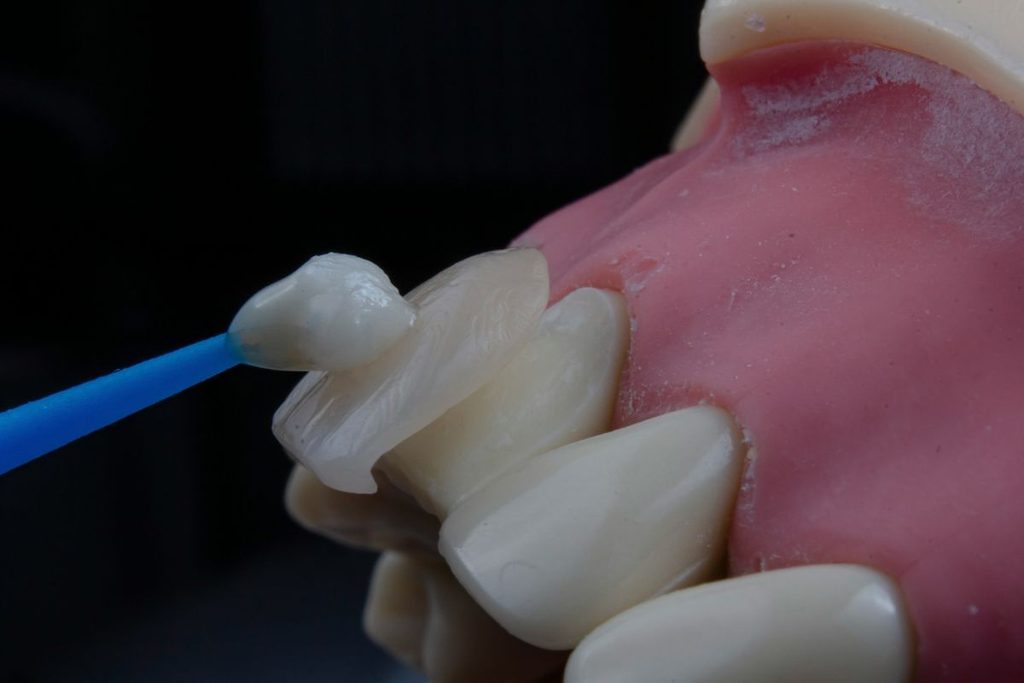
Composite veneers are thin layers of tooth-coloured resin applied directly to the front surface of your teeth. Your dentist carefully shapes and polishes the material to create a natural-looking finish that complements your smile. Unlike porcelain veneers, which are usually manufactured in a dental laboratory, composite veneers can often be completed during a single appointment. This makes them an appealing option if you’re looking for a relatively quick cosmetic improvement.
What Can Composite Veneers Actually Fix?
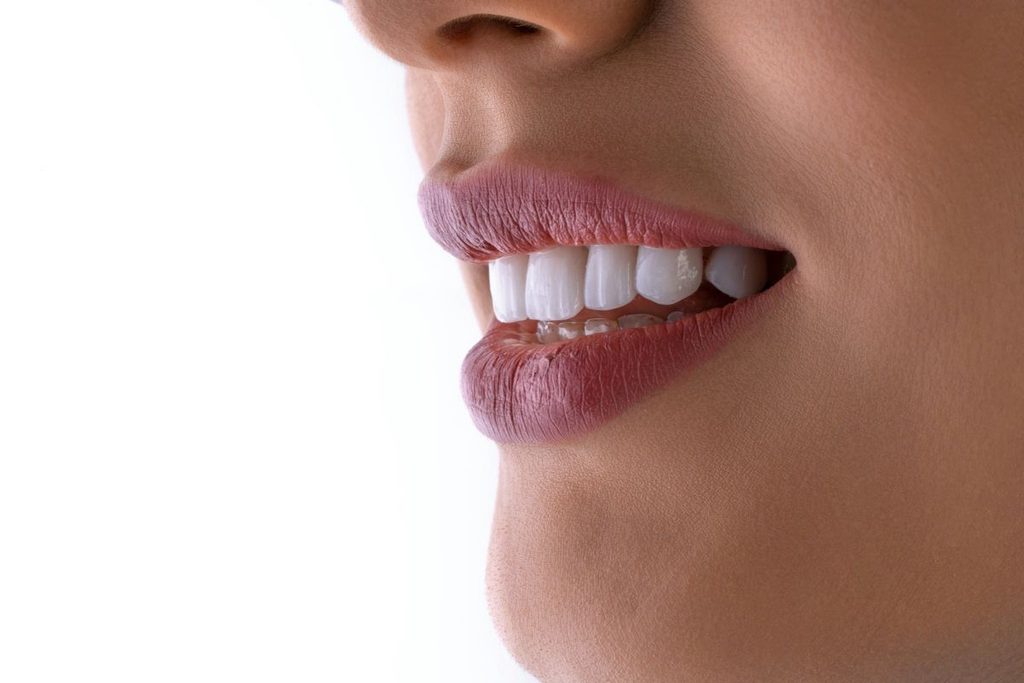
One of the biggest advantages of composite veneers is their versatility. They can help improve several cosmetic concerns, including chipped or uneven teeth, small gaps, minor misalignment, and certain types of discolouration. However, they’re not suitable for every dental issue. Significant crowding, bite problems, or underlying oral health concerns may require alternative treatments. If you’re thinking about composite veneers, booking an appointment with an experienced dentist will help you understand whether they’re the right option for your teeth and the results you’d like to achieve.
How Long Do Composite Veneers Last?
Although they can create impressive results, they’re not permanent. They typically last around five to seven years, although their lifespan varies depending on your habits, oral hygiene, and how well they’re maintained. The composite material is also more susceptible to staining and chipping than porcelain. Drinking lots of coffee or tea, smoking, and biting hard objects can all affect their appearance over time. Fortunately, minor damage can often be repaired without replacing the entire veneer.
Will Your Natural Teeth Be Affected?
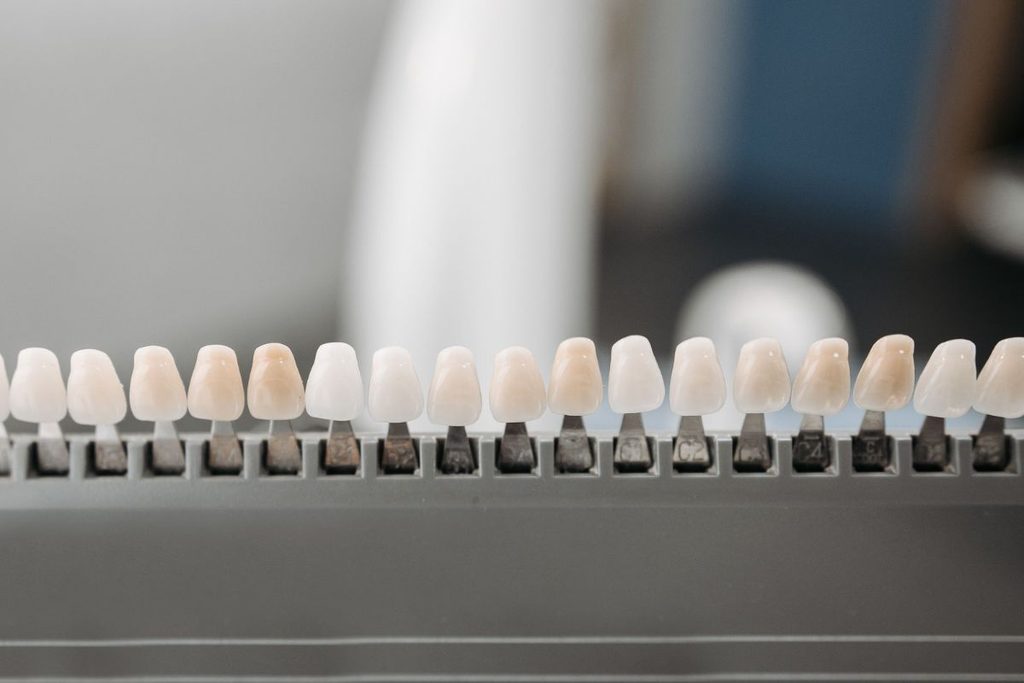
Another important consideration is what happens to your existing teeth during treatment. Composite veneers are generally considered a minimally invasive cosmetic option because they often require little or no removal of natural enamel. However, some preparation may be necessary depending on your teeth and the desired outcome. It’s also worth remembering that not every treatment is completely reversible, especially if enamel has been removed. Your dentist should explain exactly what’s involved before you make a decision.
How Do You Look After Composite Veneers?
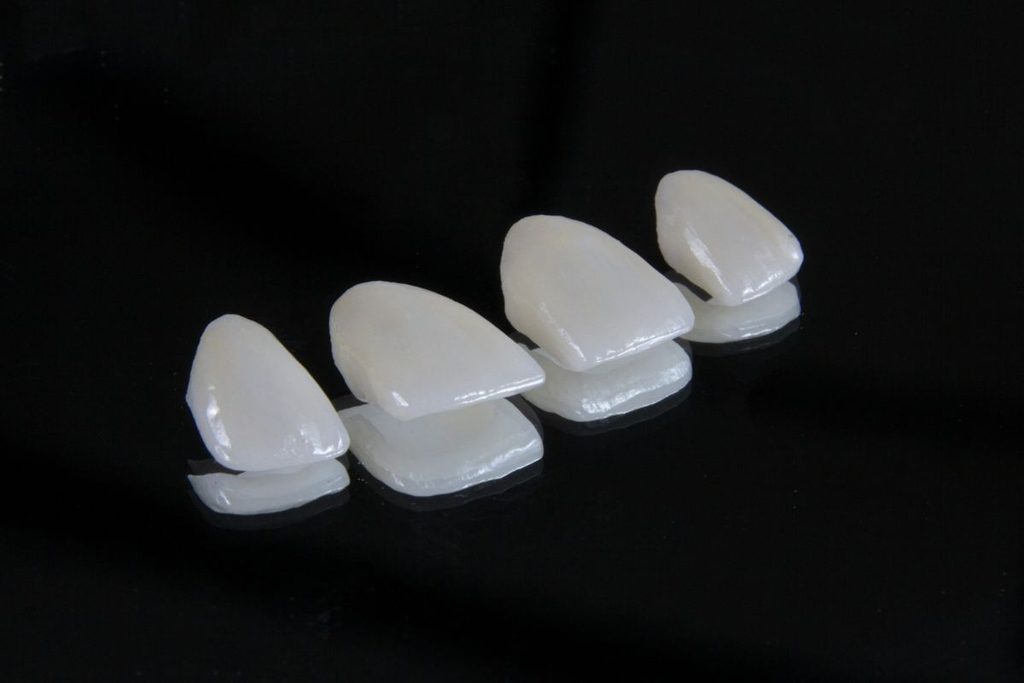
Looking after composite veneers doesn’t require an entirely new dental routine, but a few everyday habits can make a difference. Brushing twice daily, cleaning between your teeth, and attending regular dental appointments will help maintain your oral health. You should also avoid using your teeth to open packaging or bite particularly hard objects. Professional polishing may occasionally be recommended to maintain their appearance.
Are Composite Veneers Right For You?
Composite veneers can be an effective way to refresh your smile, particularly if you’re hoping to address relatively minor cosmetic concerns. However, it’s important to approach treatment with realistic expectations rather than assuming the results will last forever.
Taking the time to discuss your goals, budget, and dental health with a qualified dentist will help you make an informed choice and decide whether they are the right option for your smile.
Images courtesy of unsplash.com and pexels.com