The dental industry is entering a new era: one defined by digital transformation with smarter workflows and elevated patient expectations. As technology continues to advance at an unprecedented pace, future-ready dental practices will be those that embrace innovation while maintaining a strong focus on clinical excellence and patient-centered care.
The next decade will fundamentally reshape how treatments are delivered, how teams operate, and how dental practices grow.
Going Digital in Diagnostics
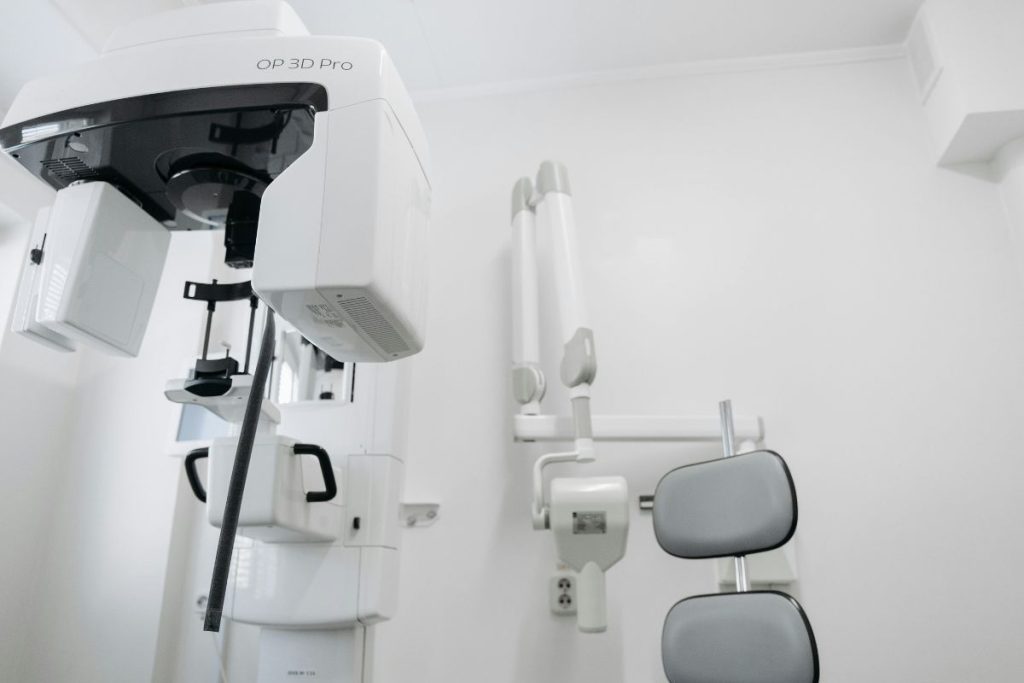
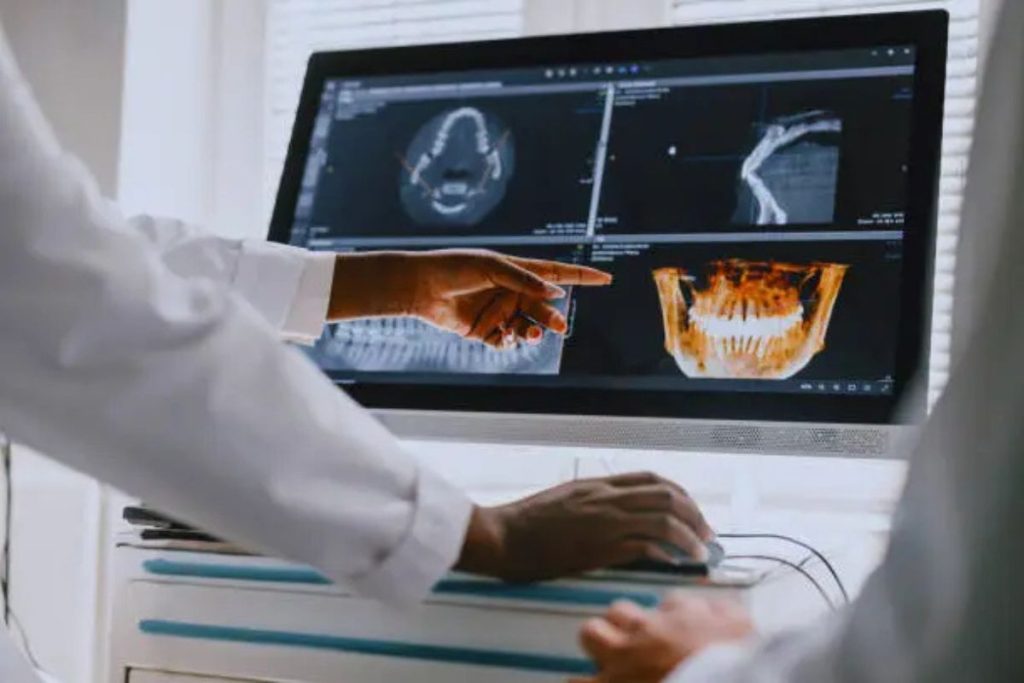
One of the most significant drivers of change is the shift toward fully digital diagnostics and data-driven decision-making. Tools such as high-resolution intraoral scanners, digital radiography, and cone-beam CT systems are rapidly replacing analog methods. These technologies not only improve clinical accuracy but also streamline the patient journey by reducing appointment times and eliminating repeat procedures caused by outdated impression techniques. As digital imaging becomes the new standard, dentists are better equipped to diagnose early, plan more precisely, and communicate findings more clearly. This transparency builds trust, boosts treatment acceptance, and enhances the overall patient experience.
AI in Dentistry


Artificial intelligence will also play a transformative role in the future of dental practices. AI-powered software can assist in identifying early signs of decay, tracking disease progression, and improving the predictability of restorative and orthodontic planning. While these tools will not replace clinical judgment, they will act as powerful assistants, providing fast, objective assessments that complement the expertise of dental professionals. Over time, AI is likely to become a routine part of diagnostics, case planning, and even administrative functions such as scheduling, charting, and patient recall systems.
Digital Manufacturing Technologies


Digital manufacturing technologies represent another frontier that will reshape the way practices operate. CAD/CAM systems and 3D printers continue to expand what is possible inside the clinic, enabling same-day crowns, custom surgical guides, precise aligners, and a wide range of prosthetic solutions produced with remarkable speed and accuracy.
For many practices, however, the most efficient and cost-effective model remains a hybrid approach: combining in-house capabilities with a trusted external partner that specialises in digital workflows. Working with an advanced digital laboratory, such as the one available at godigital-dental.com, allows practices to outsource complex or time-intensive cases while maintaining the benefits of seamless digital integration. This type of partnership supports consistent quality, predictable outcomes, and improved turnaround times, all of which are essential in a competitive and fast-moving dental landscape.
Operational Efficiency
Beyond clinical improvements, the future of dental practices will also emphasise operational efficiency. Cloud-based management platforms, digital charting, automated patient communication tools, and virtual collaboration channels are redefining how teams coordinate care. These systems create more streamlined workflows, reduce administrative burdens, and support better continuity between clinicians, specialists, and laboratories. As practices adopt more integrated digital ecosystems, they will see improvements not only in productivity but also in financial performance and patient retention.
To Wrap Up

As the industry continues to evolve, those who invest thoughtfully in digital transformation will be best positioned to thrive in the modern era of dental excellence. Ultimately, the future of dentistry belongs to practices that are innovative, flexible, and deeply committed to elevating patient care.
Images courtesy of unsplash.com and pexels.com and freepix.com