Home batteries used to be something only keen early adopters talked about. Now they come up at the school gate, in neighbourhood groups and whenever energy bills land on the doormat.
For busy families, the appeal of batteries is simple. Store cheaper or free electricity when it is available, then use it in the evening when the kettle, oven, washing machine and tablets are all running at once. Before buying one, though, it helps to understand how they work and whether your household is a good fit.
What a Home Battery Actually Does
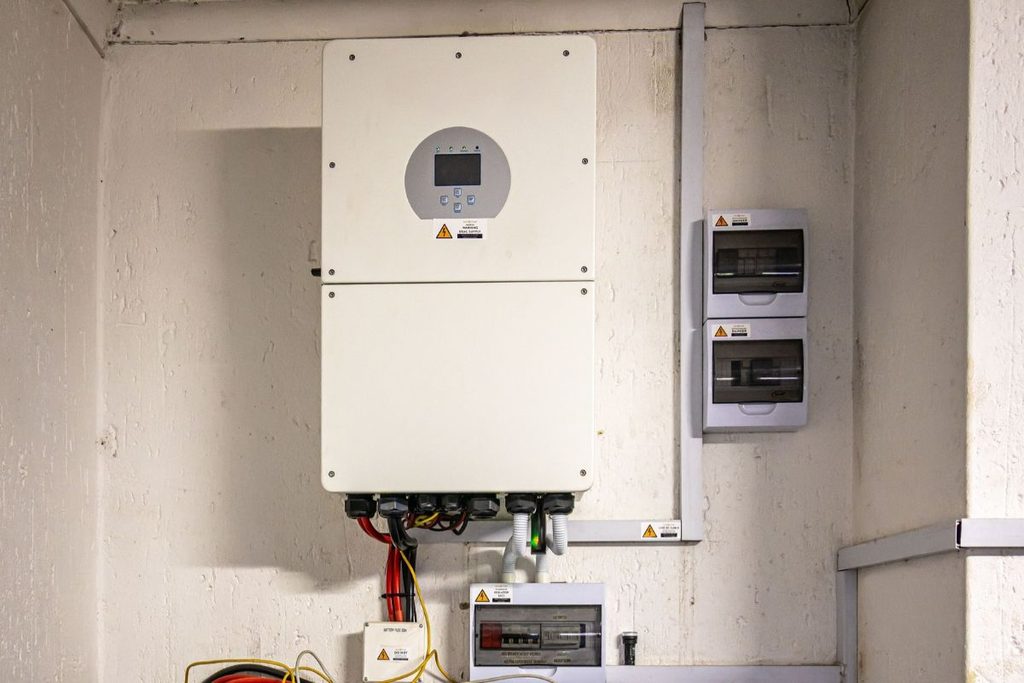
A home battery is a large rechargeable unit, usually lithium-ion, that stores electricity for later use. It is normally mounted on a wall in a garage, utility room or outside, and connected to your consumer unit through an inverter.
If you have solar panels, the battery stores daytime surplus that would otherwise be exported to the grid. Without solar, it can still charge from the grid overnight on a cheaper time-of-use tariff and discharge during the more expensive daytime and evening hours.
Most systems come with an app that shows when the battery is charging, how full it is and how much electricity you are drawing from the grid.
Is Your Household a Good Match?
Batteries tend to suit homes where electricity use peaks in the late afternoon and evening, which describes a lot of families. They also make more sense where there is a big gap between peak and off-peak rates.
They suit you less well if your daytime use already soaks up most of your solar output, or if you are on a flat-rate tariff and do not want to change. Looking at a year of your own usage data, available from your supplier or smart meter, is a much better guide than any general rule.
Sizing and Specifications in Plain English
Battery brochures are full of figures, but only a handful really matter for most households:
- usable capacity in kWh, which is how much energy you can actually draw on
- power output in kW, which affects how many appliances it can run at once
- round-trip efficiency, meaning how much energy is lost between charging and use
- warranty length and the minimum capacity guaranteed at the end of it
A bigger battery is not automatically better. If it rarely fills or rarely empties, you have paid for capacity you never use. Modular systems, which let you add capacity later, can be a sensible middle ground for growing families whose needs may change.
Choosing a Brand and an Installer
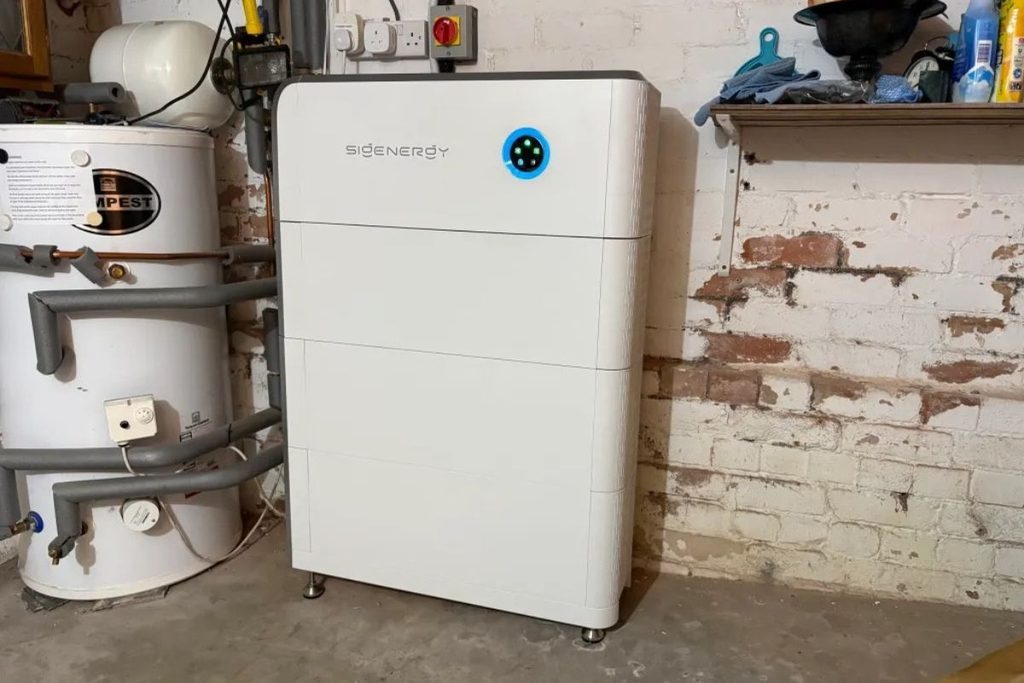
There are several well-known battery brands in the UK, and each has its strengths. Some are better suited to retrofitting alongside existing solar, while others work best as part of a complete new system with a matching hybrid inverter.
Reading reviews from people who fit these systems every week can be more useful than glossy marketing. If you are weighing up the newer modular options, for example, it is worth reading an installer’s honest take on Sigenergy home batteries, since it covers practical points like cold-weather performance and long-term support.
Whichever brand you choose, use an installer certified under the Microgeneration Certification Scheme (MCS) or a comparable scheme, and make sure all electrical work is properly certified. Your installer should also handle the notification to your local network operator.
Costs, Savings and Payback

Prices vary widely depending on capacity, brand and whether you already have a compatible inverter. Treat any payback figure with care, because it relies on assumptions about future tariffs and your own habits.
Ask each installer to show how they calculated savings, using your real usage data where possible. Check whether the quote includes any consumer unit or wiring upgrades, as older electrics sometimes need work before a battery can be connected safely.
It is also worth asking about the current VAT position on battery installations, as relief on energy-saving materials has been extended to cover them in recent years, and the rules can change.
Safety and Practical Points for Family Homes
Modern batteries are designed with built-in protection, but location still matters. Manufacturers set limits on temperature, ventilation and clearance, and many are not suitable for bedrooms, escape routes or tight cupboards.
Think about where little hands can reach and where bikes, scooters and sports kit are stored. A garage wall is often ideal, provided it does not get too cold in winter, as very low temperatures can reduce performance.
Let your home insurer know about the installation, and keep the commissioning paperwork somewhere safe.
Final Thoughts
A home battery can make a real difference to how your family uses energy, especially alongside solar panels and a smart tariff. It is not the right answer for every household, though, and the numbers depend heavily on how and when you use electricity.
Take time to understand your usage, compare a few options and ask installers plenty of questions. A well-sized system from a reputable installer should serve your home reliably for many years.
Images courtesy of unsplash.com and pexels.com. One image supplied