If you’re not well-versed in the idea of renewable technologies, it can be hard to tell whether the term actually holds weight, or whether separate things like solar and heat pumps are simply ‘lumped together’ under one umbrella term for no other reason than they’re all more energy efficient. Otherwise, they can feel like separate conversations.
After all, a few years ago, they were separate conversations. You’d talk to one company about solar panels, another about battery storage, and a third about replacing the boiler with a heat pump. Each one had its own quote, its own installation date, its own set of scaffolding. Now, however, homeowners are starting to treat all of it as one project, because that’s how the technology actually works best.
How the three technologies actually work together

Solar panels generate electricity during the day, while a battery stores whatever the panels produce that isn’t being used in real time, so it’s available later, in the evening, overnight, whenever the grid would otherwise be charging peak rates. It’s easy to underestimate the power of these two technologies working in tandem since, without a battery, homeowners can only take advantage of their solar panels during daylight hours. With solar panels as efficient as they are these days, that means a huge amount of surplus energy wasted and immediately sold into the grid for a nominal sum, when it could be stored-up for use overnight.
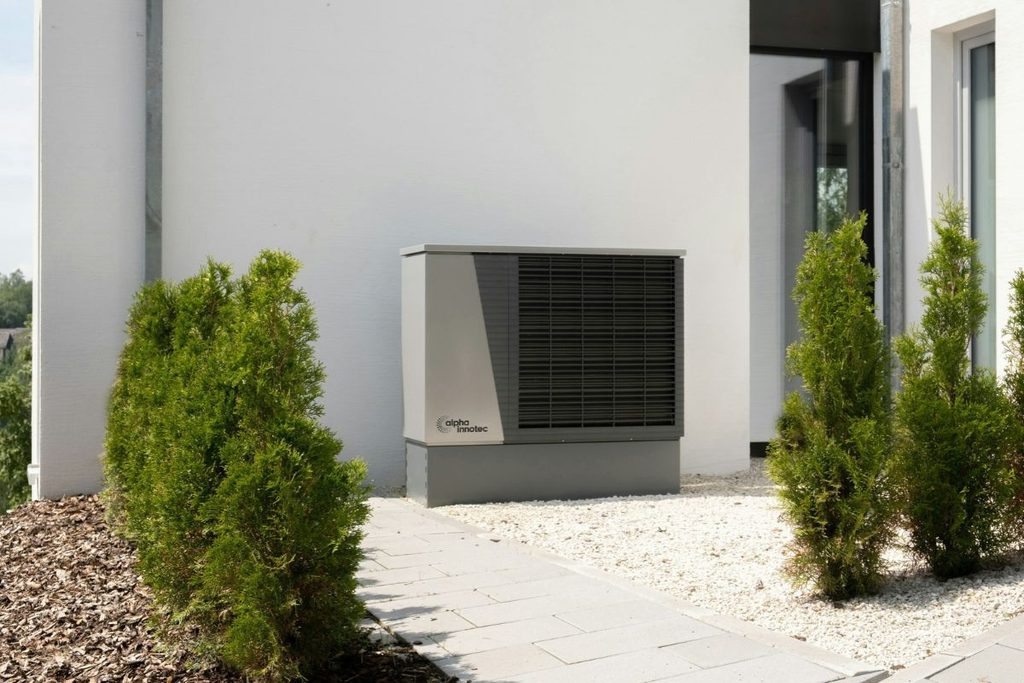
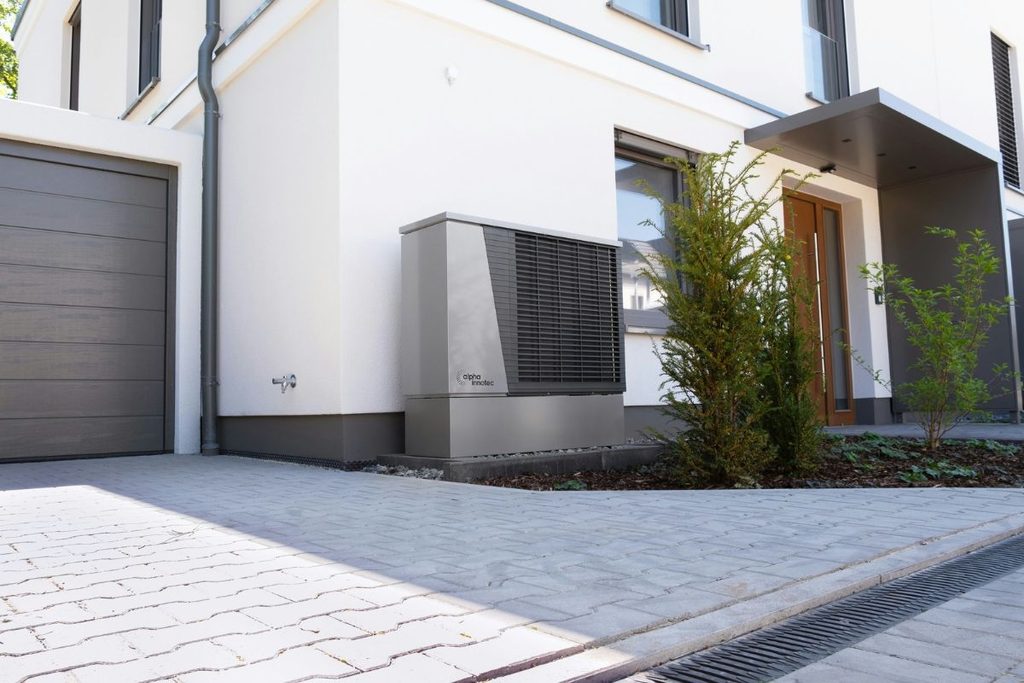
The third piece element? Throughout the day and night, a heat pump can run on that free, renewable electricity to heat the home and the hot water.
Each technology represents a separate piece of a puzzle. You can have a heat pump without solar, and you can have solar without a battery, but, together, they make a home that is far more resilient and far less dependent on global supply chains and energy prices. You can find out more about each renewable energy service from GSM.
Why doing it all at once makes more sense than adding bits over time
Research from the Energy Saving Trust found that households running all three technologies on the right tariff achieve the largest reductions in energy bills of any setup they tested. Combining a heat pump, battery and solar panels can cut bills by upwards of £800 a year, and estimates from Good Energy put that figure closer to £1,500 for a three-bedroom house with a 10-panel system, 10kWh battery and 8kW heat pump.
Of course, it’s worth being aware that the payback period varies depending on the property and the tariff. Still, the direction is clear: a home running on an integrated system of renewable technologies is like an insurance policy against unknown factors, such as energy shortages and rising costs for fuel.
Doing it as a single install rather than three separate projects saves homeowners time, money, and complications that can arise if the installations are staggered. Working with a reputable company that specialises in renewable systems is key.
Images supplied. Feature image courtesy of unsplash.com