Winter is hard on outdoor spaces. Months of rain, frost and falling leaves leave patios slippery, fences tired and lawns looking sorry for themselves. The good news is that a little work in late winter and early spring makes a huge difference, and you will be ready to enjoy the garden the moment the weather turns.
This checklist covers the jobs that matter most, roughly in the order worth tackling them, when getting your garden ready for spring.
Start With a Proper Clear-Up
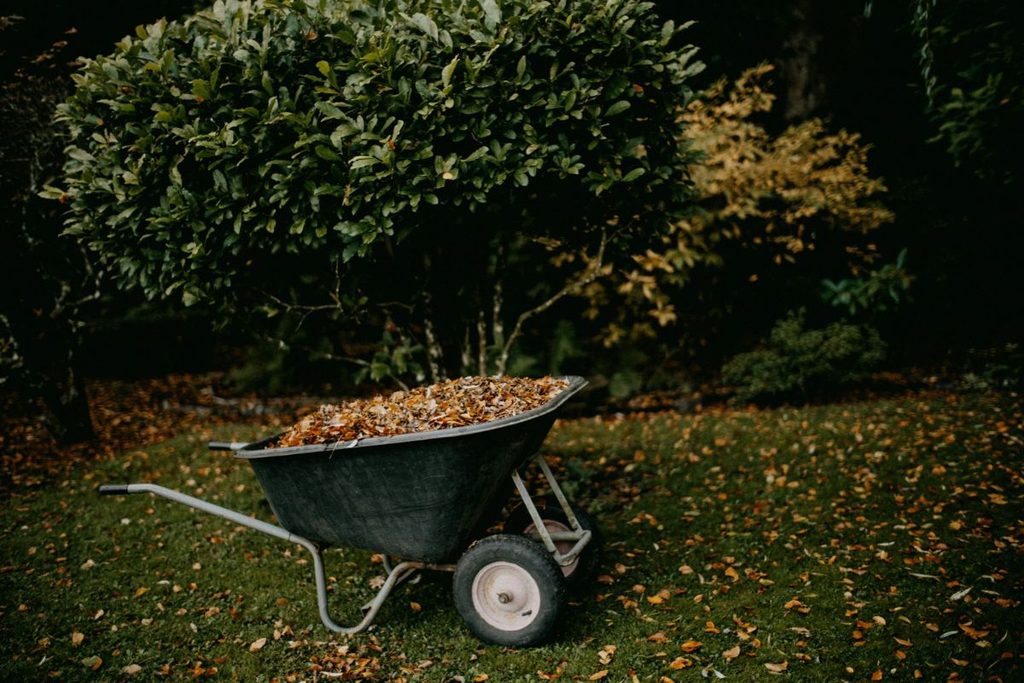
Before anything else, clear away what winter has left behind. Rake up soggy leaves from lawns and borders, as they block light and encourage moss. Pick up fallen twigs and branches, and empty any pots that have collected standing water.

Check gutters and downpipes while you are at it. Blocked gutters overflow onto walls and paths, which causes damp patches and green streaks that are much harder to deal with later. A quick clear now saves a lot of trouble.
Check Fences, Sheds and Gates
Strong winds can loosen fence panels and posts without you noticing. Walk the boundary and give each panel a gentle push. Anything that moves more than it should is worth fixing before spring growth makes it harder to reach.
Look at shed roofs for lifted felt and at gates for sagging hinges. A dry, mild day is ideal for applying a coat of wood treatment, which protects timber through the wetter months and freshens up its colour at the same time.
Bring Hard Surfaces Back to Life


Patios, driveways and paths take the brunt of winter. Algae, moss and black spot thrive in damp, shady conditions, and by spring many surfaces have turned green or grey. Apart from looking tired, they can become genuinely slippery, which is a real risk for children and older visitors.
A stiff brush and some warm soapy water will deal with light dirt. For heavier build-up, many homeowners bring in a local specialist such as St Albans Jet Washing, who can clean block paving, natural stone and resin without damaging the joints or the surface. Different materials need different pressures and treatments, so it pays to use someone who knows the difference.
Once surfaces are clean, check for loose slabs or gaps in the jointing. Refilling joints with fresh sand or a suitable compound helps stop weeds coming back and keeps everything stable underfoot.
Give the Lawn a Head Start
Resist the urge to mow too early. Wait until the grass is actively growing and the ground is not waterlogged, then start with the blades set high. Cutting too short in early spring weakens the grass and gives moss and weeds a chance to take over.
If the lawn is patchy, a light scarify to remove dead material, followed by overseeding in mild weather, will help it thicken up. Aerating compacted areas with a garden fork lets water and air reach the roots, which is especially useful on heavy clay soils common across much of the south east.
Prepare Beds and Borders
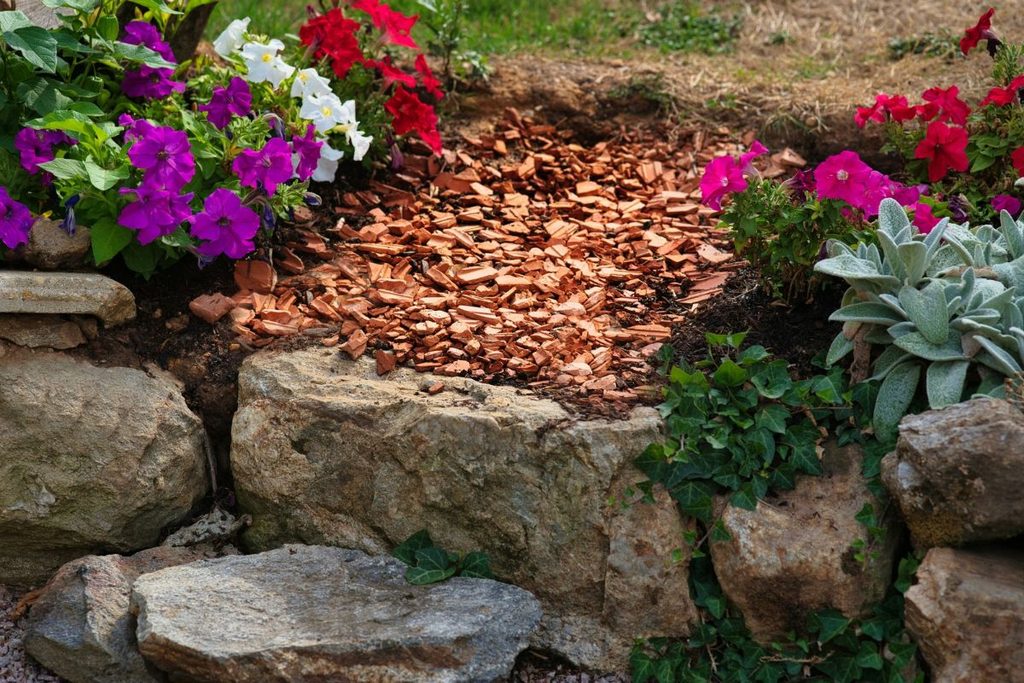
Cut back dead growth from perennials, leaving a few seed heads if you want to support birds a little longer. Pull out weeds while they are small and the soil is soft, as they come up far more easily now than in midsummer.
A layer of mulch, such as well-rotted compost or bark, helps lock in moisture, keeps weeds down and improves the soil over time. Spread it a few centimetres deep, keeping it clear of plant stems.
This is also a good time to plan what you want to plant. A quick sketch of the garden and a list of gaps makes a trip to the garden centre far more productive.
Clean and Tidy Garden Furniture
Furniture that has spent winter outside will usually need a good clean. Wash plastic and metal pieces with warm soapy water and check for rust or loose fixings. Wooden furniture benefits from a light sand and a coat of oil or stain once it has dried out.
Cushions and covers should be washed and aired before they go back out. Storing them indoors when not in use will help them last much longer.
Think About Lighting and Safety

As evenings get longer, you will spend more time outside after dark. When getting your garden ready for spring, check that outdoor lights work and that paths and steps are clearly lit. Solar lights are an easy, low-cost option for borders and pathways.
Clean, well-lit surfaces make a garden safer as well as more inviting, particularly for steps and sloping paths that can become slippery after rain.
Final Thoughts
A garden does not need a full makeover to look its best in spring. Tackling a few key jobs, from clearing gutters to cleaning tired paving, makes the whole space feel fresher and more welcoming.
Spread the work over a few weekends, focus on the areas you use most, and you will be ready to enjoy every sunny afternoon the season brings.
Images courtesy of unsplash.com and pexels.com