Pop-up shops rarely have the luxury of permanent fixtures, generous floor space or long installation periods. Their displays need to be practical, easy to position and suitable for campaigns that may only run for a few days or weeks.
Printed foamex board can help create a recognisable retail environment without requiring major structural changes. The choice of material, thickness, size and finish all influence how well these displays work in a temporary setting.
Building a Display Around a Temporary Layout
A pop-up shop layout can change considerably between locations. A display designed for a shopping centre unit may need adjustments before it can be used at a market stall, exhibition space or short-term retail installation.
This makes lightweight display materials useful. They can be positioned on walls, mounted on suitable fixtures or incorporated into freestanding display arrangements, depending on the installation method. 3mm foamex board is particularly relevant for smaller promotional panels where easy handling and straightforward mounting are important.
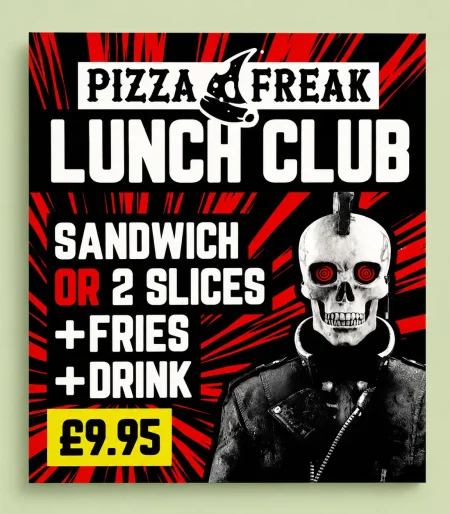
Typical applications include:
- Product information panels beside individual ranges.
- Printed price boards near checkout areas.
- Directional signs for temporary retail spaces.
- Promotional graphics behind display counters.
- Branded panels for product launches.
The main consideration is the relationship between the board size and its intended support. Smaller panels are generally easier to handle and position, while larger pieces need more careful planning to prevent excessive flexing.
Matching Board Thickness to Display Size
Thickness is not simply a matter of choosing the strongest available option. A display’s dimensions, mounting arrangement and expected use should influence the decision.
For compact signs and smaller promotional graphics, thinner boards can provide a lightweight solution. They are suitable for wall-mounted, framed or post-mounted displays when the dimensions and support are appropriate.
For larger panels, a thicker material may offer a more rigid structure. 5mm Foamex Board can be useful for wider promotional graphics, exhibition panels and point-of-sale displays that need additional support. The final stability still depends on the board dimensions and installation method.
When a Campaign Needs More Structural Support
Some retail campaigns involve larger graphics, wider product displays or panels that remain in place for longer periods. In these situations, the additional rigidity of a thicker board can help maintain a neater appearance across a wider surface.
This distinction matters when planning displays that need to look consistent throughout a campaign. A large panel attached to an unsuitable support may bend or become difficult to position neatly. Choosing the appropriate thickness helps avoid treating every display as if it has the same structural requirements.
Making Campaign Changes Without Rebuilding the Shop
A temporary retail space often needs to communicate different messages over a short period. A launch promotion might be followed by a seasonal offer, a product demonstration or a clearance campaign. Replacing the entire display structure each time can create unnecessary work.
A more flexible approach is to separate the permanent parts of the layout from the graphics that change. For example, shelving, counters and display stands can remain in position while printed promotional panels are replaced as the campaign develops.
Smaller 3mm foamex board panels can be useful for these changeable elements. Their lighter construction makes them easier to handle when the display dimensions and mounting method are suitable. Retailers can prepare separate artwork for different promotions and use the same general display arrangement across multiple campaigns.
Choosing Finishes for Different Retail Environments
The finish affects both the appearance and practical use of a printed board. Strong overhead lighting, shop windows and illuminated displays can create glare, making some designs harder to read.
Matt lamination offers a softer surface that can help reduce reflections. Gloss lamination creates a brighter, high-shine appearance that can make colours stand out. For displays likely to experience regular contact, the intended use should also influence the finishing choice.
The artwork itself should remain clear and uncluttered, with headings, prices and promotional details given enough space. A visually busy design can lose its impact when viewed from a distance or surrounded by other retail graphics.
Planning Artwork for Repeated Use
Retail campaigns often involve several versions of the same design. A business might need different prices, product names, locations or promotional dates while keeping the overall visual identity consistent.
Preparing artwork in a reusable format can make these changes easier to manage. Important details include:
- Setting the artwork to the final board dimensions.
- Keeping text and logos away from the cutting edges.
- Using high-resolution images for the intended print size.
- Checking colour consistency across multiple designs.
- Supplying the correct bleed and print-ready file format.
For printed boards, artwork is commonly prepared in CMYK with a resolution of at least 300 dpi. A minimum 3mm bleed is also specified for the products discussed here. These details help reduce avoidable layout issues during production.
Selecting Materials for Different Campaign Requirements
Not every display needs the same specification. A small information panel, a large promotional backdrop and a frequently moved product sign each have different practical demands. The choice should reflect the dimensions, mounting method, handling frequency and expected display period.
A thinner option is generally suitable for smaller, lightweight graphics, while a thicker panel provides additional rigidity where required. 5mm Foamex Board can therefore be considered for applications where a more substantial display surface is needed. Neither thickness automatically suits every installation, so the supporting structure and display environment remain important considerations.
Conclusion
Temporary retail displays work best when their materials are selected around the actual demands of the space and campaign. The right balance of weight, rigidity, finish and artwork preparation can make installation and future updates more manageable. For businesses planning printed boards for pop-up shops, promotional spaces and changing retail campaigns, Foamex Printing Company provides printing solutions for a range of display requirements.
Author Bio: Nimesh Kerai
Nimesh Kerai is the Printing Expert at Foamex Printing Company, London. He has been in the printing industry for quite a few years, which reflects in the skill with which he executes each project. He has played a significant role in the company’s reputation as one of the highest-quality foamex printers in the vicinity. He often shares his far-reaching industry knowledge with curious readers through engaging blogs.
Images courtesy of unsplash.com and pexels.com. Some images supplied