Café tables often serve several purposes beyond providing a place to sit. Customers use them to check menus, compare options, read special offers and decide whether to order another drink or something to eat. However, limited space can make it difficult to display all this information without overcrowding the table.
Well-planned tabletop displays in a café provide a practical way to communicate useful details while keeping the dining area organised and comfortable.
Give Every Table a Purpose Beyond Seating
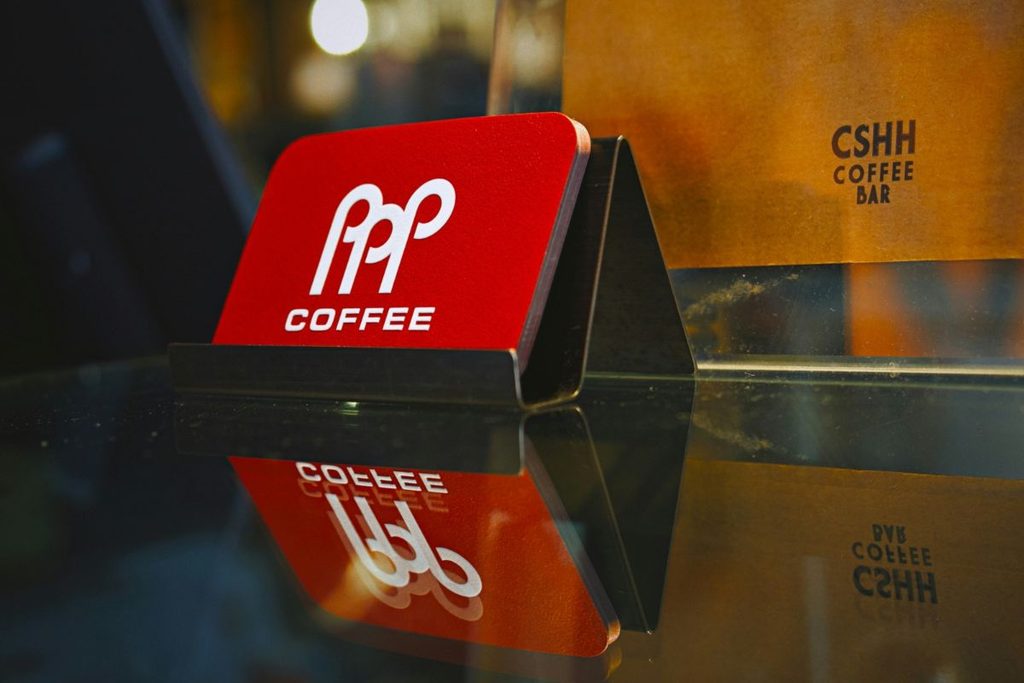
In a busy café, printed information does not always need to be concentrated around the till or displayed on a large noticeboard. Tabletop communication places relevant messages directly in front of customers while they are seated.
A small display can highlight information such as:
- Seasonal drinks and limited-time menu additions.
- Breakfast, lunch or afternoon snack combinations.
- Allergen information and dietary options.
- Loyalty schemes and repeat-visit offers.
- QR codes for digital menus or ordering.
The key is to keep each display focused. Trying to communicate every offer, menu item and announcement at once can make the information difficult to process. A single message with a clear heading and a short explanation is generally more effective than a crowded collection of text.
Why Three-Sided Displays Suit Compact Café Tables
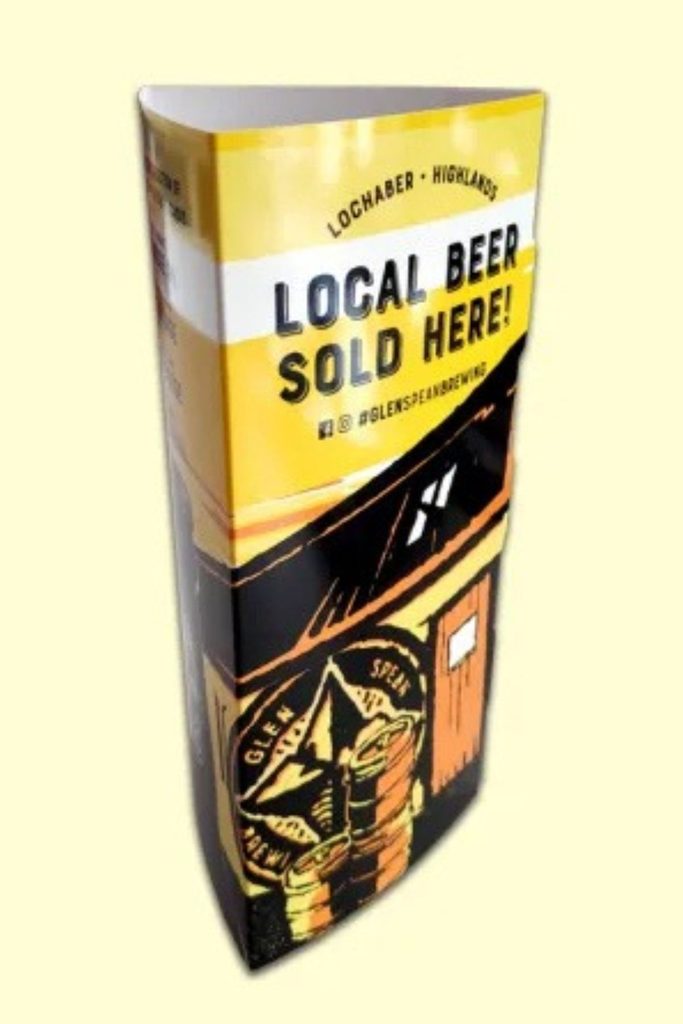
Tabletop displays need to be visible without taking up too much room. A three-sided format offers a useful balance because customers can view different panels from various seating positions. Triangle Table Talkers are particularly suitable for shared tables, window seating and smaller café layouts. Their triangular construction allows three printed surfaces to carry separate messages. For instance, one panel could introduce a seasonal drink, another could promote a breakfast option, and the third could display a QR code. This arrangement reduces the need for several separate signs. Instead of placing individual cards across a table, one compact display can communicate different pieces of information.
Planning the Three Panels
Each side should have a distinct purpose. Repeating the same message across all three panels wastes valuable print space, while unrelated information can make the display feel confusing.
A practical arrangement could include:
- Main panel: The featured product, offer or announcement.
- Second panel: Supporting details, such as ingredients or pricing.
- Third panel: A QR code, social media information or another relevant message.
The design should also account for how customers approach and use the table. Important information needs to remain readable from a normal seated position.
Organising Café Information Without Creating Clutter
A café may need to communicate more than its main menu. Opening hours, collection instructions, promotional messages and service information can all compete for attention.
Using different display formats for different purposes helps maintain order. Tabletop signs can carry messages relevant to seated customers, while counter displays can focus on ordering, payment or collection information.
The size of the printed material matters too. A display that looks attractive on a computer screen may become difficult to read when reduced to a small printed format. Large headings, sufficient spacing and a limited amount of copy help prevent this problem.
Triangle Table Talkers can also be useful when the same information needs to reach customers sitting on different sides of a table. Their three-panel construction provides multiple viewing angles without requiring a larger footprint.
Connect Table Displays With Shelf and Counter Promotions

Cafés that sell packaged coffee, biscuits, snacks, sauces or merchandise often have small retail sections alongside their food and drink service. These areas need clear product information, but placing additional tabletop signs near every item can make counters and shelves look crowded.
Shelf-edge communication offers a more organised alternative. Shelf edge strips can identify product categories, display prices or draw attention to selected items along the front of a shelf. This keeps information close to the product rather than taking up additional display space.
For packaged products, shelf information can also help customers distinguish between different varieties, sizes or flavours. Consistent typography and a simple layout make the retail area easier to navigate.
Shelf edge strips are designed to fit into compatible shelf-edge holders, allowing printed information to be changed without relying on adhesive labels. This can be useful when prices, product ranges or promotional messages change regularly.
Make Seasonal Menu Changes Easier to Manage
Café menus often change with the seasons, ingredient availability and customer demand. A new cold drink range may appear during warmer months, while hot beverages and comfort-food options become more prominent during colder weather.
Printed tabletop displays can support these changes without requiring a complete redesign of the main menu. A café can update a limited number of promotional messages while keeping its core menu in place.
The production format also affects how easily displays can be stored and prepared. Triangle-shaped table displays can be supplied flat and assembled when required, which can help businesses manage storage when several designs are being used throughout the year.
When planning seasonal artwork, it is worth considering whether the same design will remain relevant for several weeks or whether it needs frequent replacement. Longer-running messages can justify more detailed artwork, whereas short promotions benefit from straightforward designs that are easy to update.
Keep Printed Displays Readable and Practical

Lighting conditions, table finishes and surrounding décor all influence how a printed display looks in a café. Gloss finishes can create reflections under strong lighting, while matt finishes may provide a more subdued appearance. The choice should reflect the environment in which the display will be used.
Material selection is equally important. Card-based displays offer a practical option for temporary or regularly changing promotions. The artwork should be prepared at the correct dimensions, with text and important design elements positioned safely within the printable area.
Shelf edge strips require similar attention to layout. Since they are viewed from close range, text should remain legible at the intended viewing distance. Product names, prices and short promotional messages should be prioritised over lengthy descriptions.
A consistent visual style across tabletop, counter and shelf displays can make the café feel more organised. Matching colours, typefaces and image treatments help customers recognise related messages without making every sign identical.
Conclusion
Good café signage is not simply about adding more printed material. It is about placing relevant information where customers can use it, while keeping tables, counters and shelves comfortable to navigate. A thoughtful combination of compact tabletop displays and clear shelf communication can support promotions, seasonal updates and everyday service. For businesses planning practical printed display materials, VC Print offers formats suited to different point-of-sale requirements.
Author Name: Nimesh Kerai
Serving as the Head of Printing at VC Print, Nimesh Kerai is a distinguished expert in the field. His remarkable technical skills, combined with his keen awareness of the latest advertising trends, have propelled the company to notable success. Over the years, Nimesh has gathered a wealth of knowledge, which he frequently imparts through engaging and informative blog posts.
https://www.linkedin.com/company/vital-concept-ltd
Images courtesy of unsplash.com and pexels.com. Some images supplied