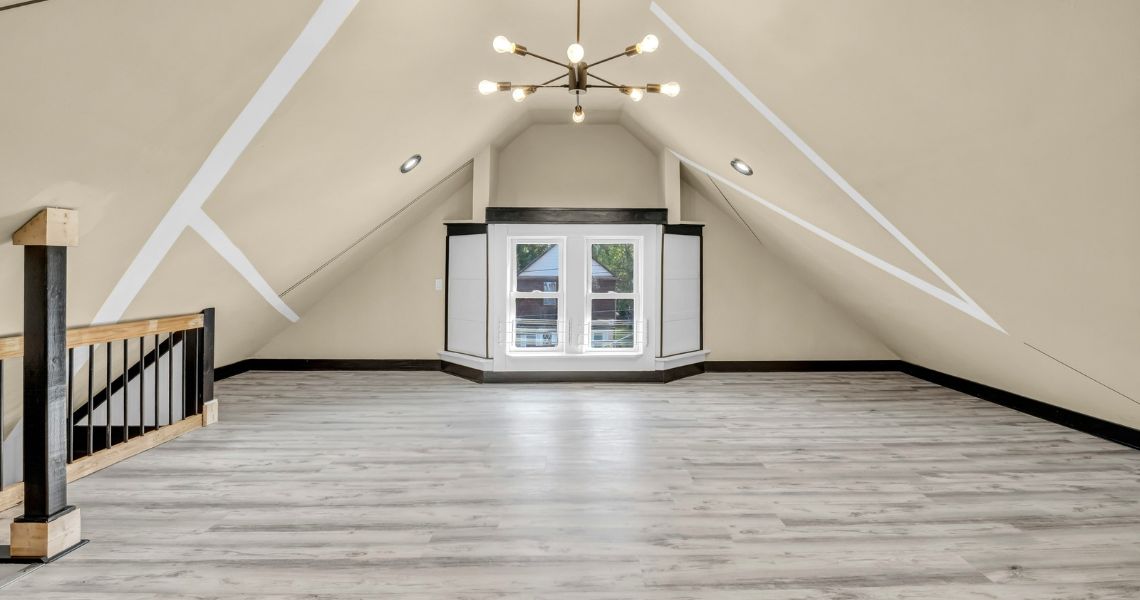
Property marketing involves more than online listings, professional photography and virtual viewings. Physical signage still plays an important part in attracting attention from people who live, work or travel near a property.
A well-positioned board can make a listing visible throughout the local area, provide essential information and reinforce an estate agency’s branding. However, the effectiveness of outdoor property marketing and advertising depends on more than the printed design. The supporting structure, placement and condition of the display also matter.
Why Physical Property Advertising Still Matters
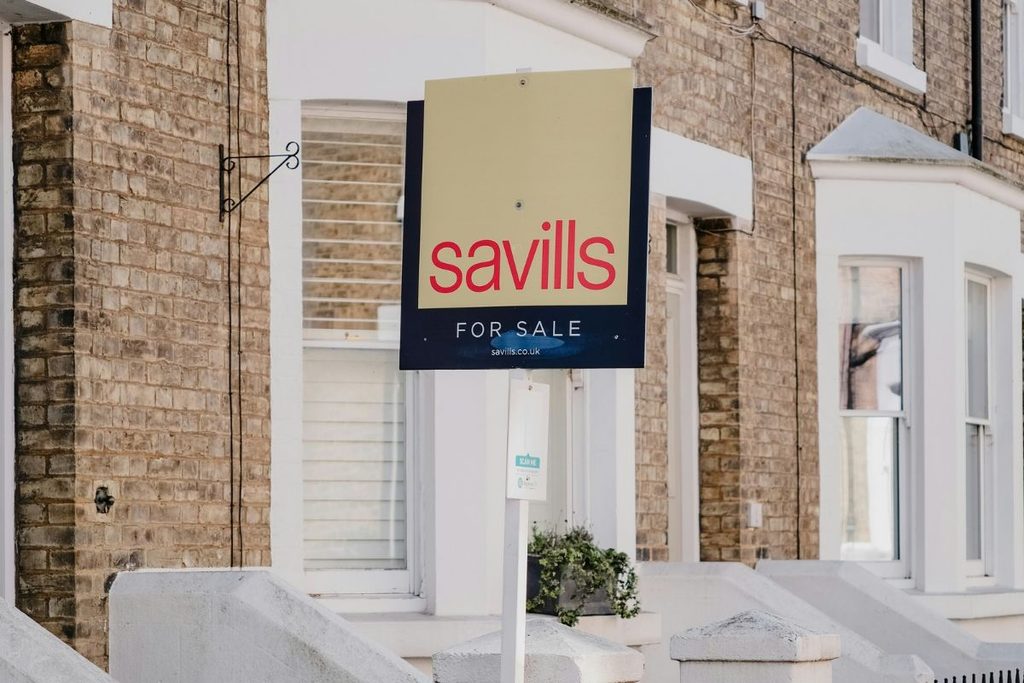
A property board provides immediate visibility without requiring someone to search through online listings. It communicates that a property is available, recently sold or being offered for rent. This is particularly useful in residential neighbourhoods where potential buyers may already be familiar with the area.
Unlike digital advertisements, physical displays remain visible to people passing the property during their everyday journeys. They can also generate awareness among neighbours, visitors and local residents who may know someone looking to move nearby.
For estate agencies, consistent signage helps establish recognition across different streets and property developments. Repeated use of the same colours, typography and logo creates a recognisable visual identity.
Choosing the Right Support for Outdoor Displays
The printed panel is only one part of a property advertising setup. Its supporting structure determines how it is positioned, how securely it is fitted and whether it remains properly displayed outdoors. Wooden posts are commonly used to support traditional property boards. Their straightforward construction makes them suitable for T-board and flag-board arrangements, although the installation method differs between the two.
A T-board uses a central opening through which the post passes, allowing the printed panel to sit across the top. A flag board, by comparison, is attached to the side of the post. This second arrangement can be useful where a property has limited space near a wall, boundary or pavement. The dimensions and condition of the post should match the board and installation requirements. A poorly fitted support can cause the panel to lean, rotate or become unstable, particularly when exposed to strong winds.
Understanding the Relationship Between Board and Post Design
The choice of board format should be considered before ordering the supporting structure. A T-board and a flag board are not interchangeable simply because they advertise the same property. T-boards are often used where there is sufficient space for a centrally supported display. Flag boards can be more practical for properties with narrower frontages or restricted positioning options.
The physical dimensions also influence the final appearance. A board that is too large for its support may look unbalanced, while a smaller panel can become difficult to read from passing vehicles. Estate agent signs commonly use 4mm fluted Correx, a lightweight polypropylene material suitable for temporary outdoor advertising. Its construction makes it easier to handle than many rigid alternatives, while full-colour printing allows agencies to display branding and property information clearly.
Positioning Signs for Better Street Visibility
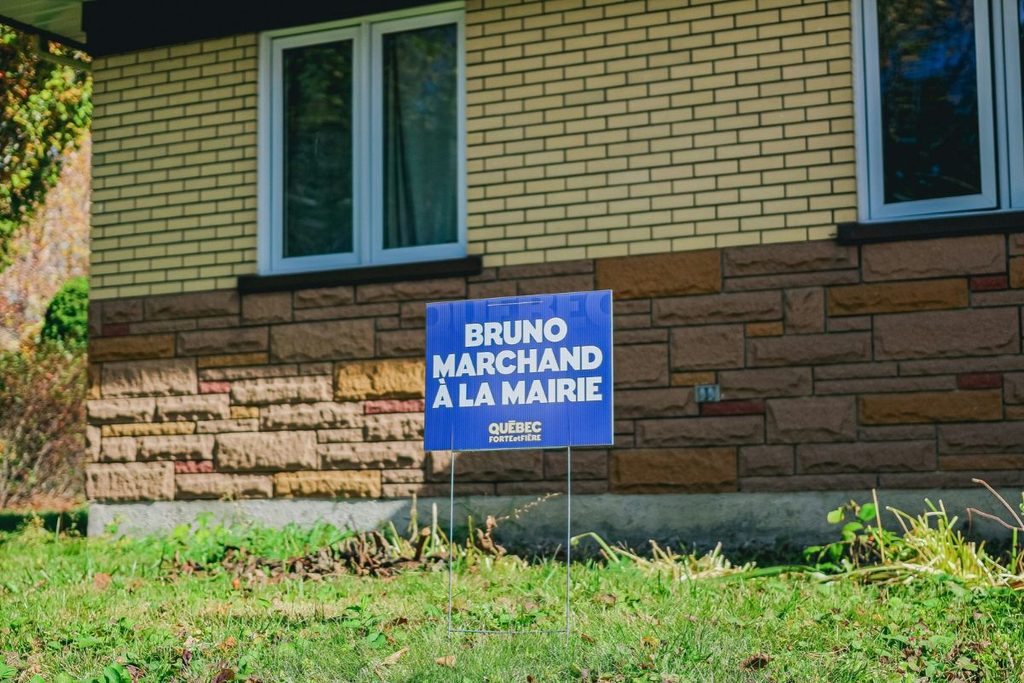
Even a professionally printed board can be ineffective if it is positioned poorly. Visibility depends on the property’s surroundings, the direction of pedestrian and vehicle movement, nearby obstructions and the distance from which the message needs to be read.
A few practical considerations influence placement:
- Viewing direction: Position the board so that its main message faces approaching pedestrians or traffic.
- Obstructions: Trees, parked vehicles, boundary walls and other street furniture can block important information.
- Reading distance: Keep the agency name, property status and contact details sufficiently large.
- Property boundaries: Ensure the installation does not obstruct pavements, entrances or public access.
- Local restrictions: Check applicable advertising regulations and planning requirements before installation.
The objective is to make the property information noticeable without creating an obstruction or compromising the surrounding environment.
Updating Property Status Without Replacing the Main Board
A property’s marketing status can change several times during the sales or letting process. It may move from available to under offer, sold subject to contract or let agreed. Replacing the complete display every time this happens can increase printing requirements and create unnecessary waste. Removable status slips provide a more practical alternative. These smaller printed panels can be added to the main board when an update is needed.
For example, a standard board can remain in place while a separate slip communicates that an offer has been accepted. Once the transaction progresses, the message can be changed again. This approach keeps the original agency branding and property information intact while allowing the status to remain current.
Maintaining Consistency Across Multiple Property Listings
Agencies managing several properties need property marketing signage that looks consistent across different locations. Differences in colour, logo placement or typography can weaken brand recognition, particularly when boards are displayed within the same neighbourhood.
Maintaining approved artwork files helps ensure that replacement orders match existing displays. It is also useful to keep commonly used status messages and standard board dimensions recorded for future orders.
Estate agent signs should communicate their main message quickly. Too much text, small contact details or competing graphic elements can make the display difficult to understand from a distance. A clear hierarchy, with the agency identity and property status given priority, generally produces a more effective layout.
Considering Installation, Weather and Maintenance
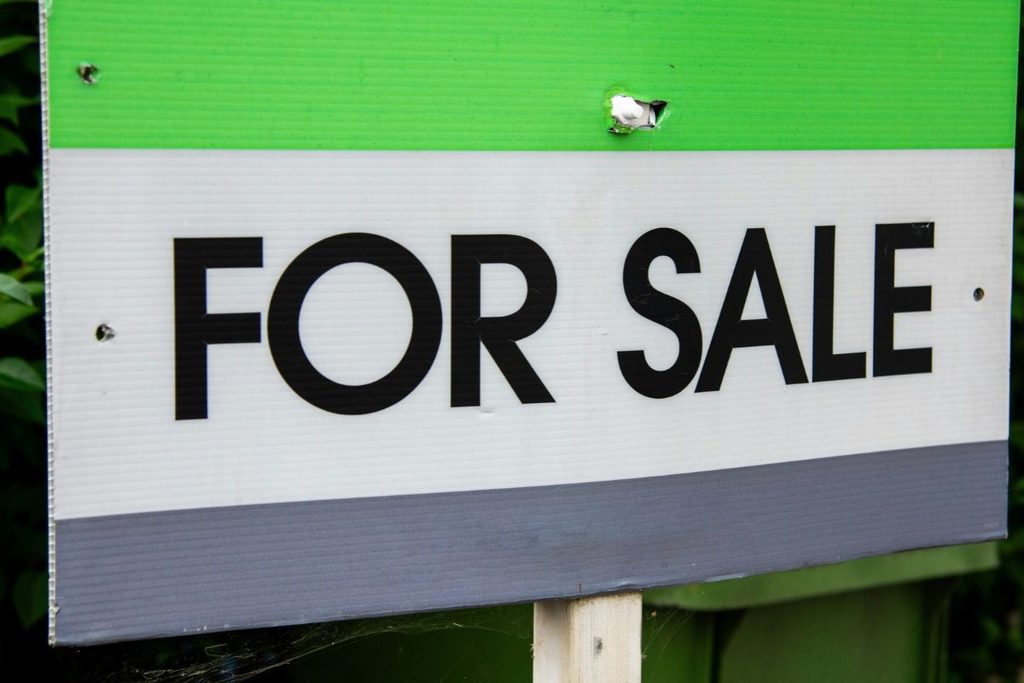
Outdoor displays are exposed to changing weather conditions, including rain, wind and direct sunlight. The board material, printing process and supporting structure all contribute to how well the installation performs.
Regular checks can identify loose fittings, leaning posts, damaged panels or faded graphics. These issues affect both the appearance and readability of the advertisement. Wooden posts should also be checked for signs of splitting, warping or deterioration. Their condition matters because even a well-printed panel cannot perform properly if its support is unstable.
Property signage must also comply with relevant advertising regulations. In England, estate agency boards are subject to specific conditions under the Town and Country Planning (Control of Advertisements) Regulations 2007, including restrictions relating to their display and removal. Requirements should be checked for the relevant property and local authority.
Conclusion
Physical property marketing and advertising remains a useful part of local marketing when the printed board, support structure and placement work together. Clear messaging, suitable materials and regular maintenance help keep displays professional throughout a property’s marketing period. For agencies requiring printed property boards and compatible display products, Board Printing Company provides options for different estate agency signage requirements.
Author Name: Nimesh Kerai
Nimesh Kerai, the Head of Printing at the Board Printing Company, is a seasoned professional. His immaculate technical proficiency and habit of staying current with the advertising trends have helped the company reach impressive heights in the industry. He has amassed extensive knowledge throughout his career and often shares it with the general public in the form of intriguing and useful blog posts.
https://www.linkedin.com/company/board-printing
Images courtesy of unsplash.com and pexels.com