A home sauna is a big purchase, and most of the decisions that matter are made before it arrives. The right one gets used several times a week for years. The wrong one ends up as an expensive cupboard.
Here is what to check before you buy a home sauna.
1. Traditional or infrared
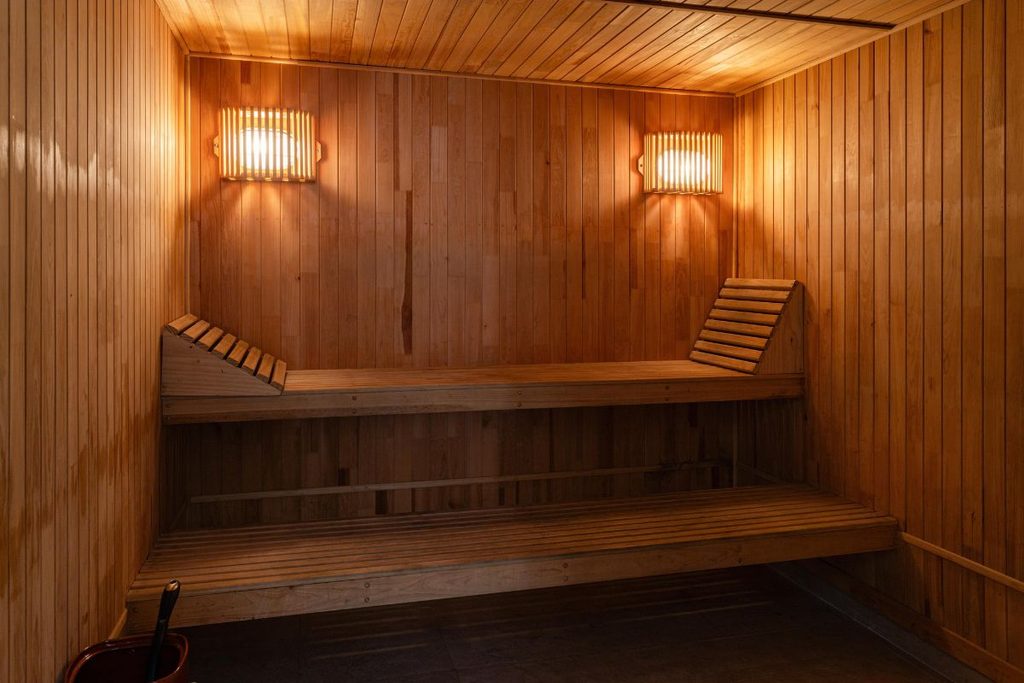
This is the first decision, and it shapes all the others.
A traditional sauna heats the air with a stove and a bed of stones. It is a dry heat of around 70 to 90°C, and you add steam when you want it by ladling water onto the stones. The Finns call that burst of steam löyly. An infrared sauna uses panels that warm you directly rather than heating the room. It runs cooler, at around 45 to 60°C, and there is no steam.
Neither is better. If you want the classic Finnish experience, dry heat with steam on demand, go traditional. If you want a gentle warm-up at the end of the day, infrared suits you better.
2. Indoors or in the garden
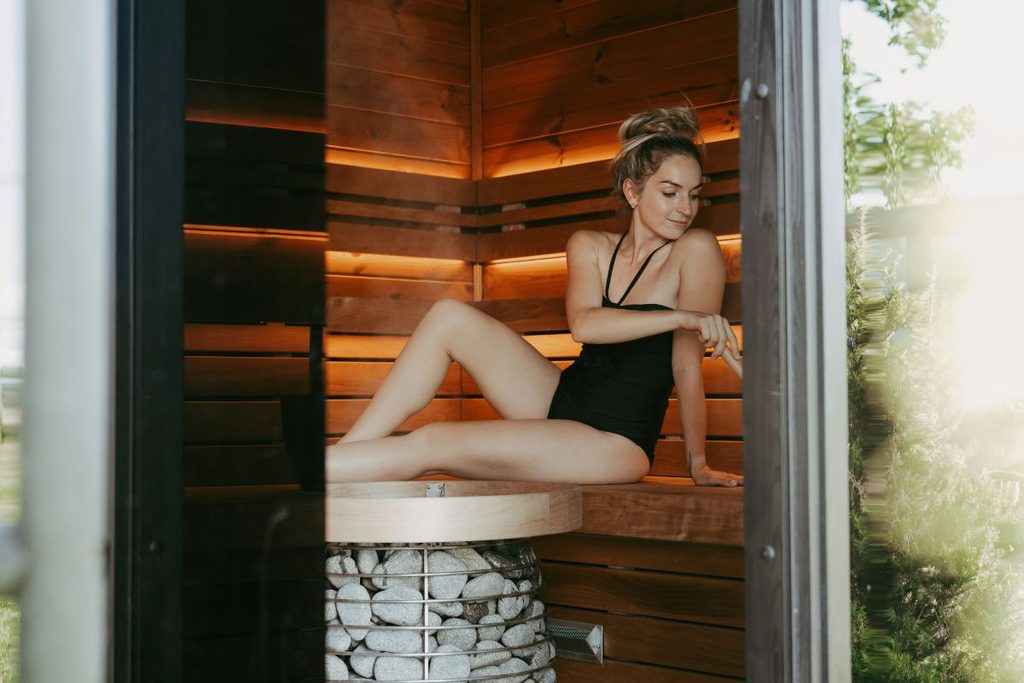
An indoor sauna can fit a spare room, a large bathroom, a converted cellar or a garage. An outdoor garden sauna keeps the heat and humidity out of the house and gives you fresh air to cool off in between rounds. Outdoor models are built differently, with weatherproof roofs and thicker timber, so decide on the setting before you compare models.
3. Size
Buy for how you will use it most of the time, not for the one evening a year you have guests. Most home saunas are used by one or two people, and a smaller room heats faster and costs less to run. A four to six person sauna makes sense for a household that will use it together.
Measure the space, including the headroom. A sauna also needs clearance around it for ventilation and access.
4. The timber
The wood does a lot of work. It has to cope with heat, steam and constant changes in temperature without warping, cracking or getting too hot to sit on. Thermally modified timber, such as thermo-treated aspen or spruce, has been heated during manufacture so it holds its shape and resists moisture. Look for smooth, knot-free benches. Knots hold heat and can leak resin.
5. The heater
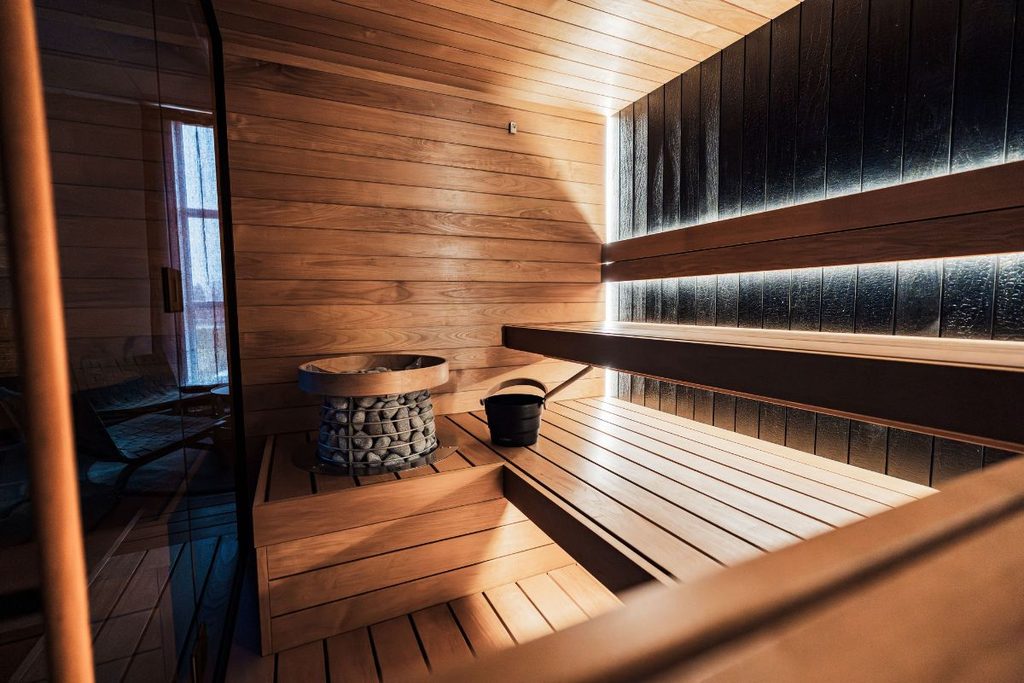
Ask who makes the heater and how big it is. Output is measured in kilowatts and should match the size of the room. Too small and the sauna never gets properly hot. Too big and it heats unevenly. Finnish brands such as Harvia have been making sauna heaters for decades, and a well-known make is easier to get parts and servicing for.
If you like the idea of a real fire, some outdoor saunas can take a wood burning stove instead of an electric heater.
6. Power and installation
Most traditional sauna heaters need their own electrical supply, fitted by a qualified electrician. Some small infrared saunas run from a standard socket, but check before you order. For a garden sauna you also need a firm, level base and a way to get power out to it.
Ask the retailer who builds it. Some kits are designed to be assembled at home, and some stockists will build it for you.
7. Controls
Basic saunas have a dial on the heater. Many now offer a wall panel or an app, so you can set the temperature, schedule a heat-up and have the sauna ready when you get home. If the sauna is at the bottom of the garden, that is worth a lot on a cold evening.
8. Try one first
Brochures and photos only tell you so much. Sitting in a sauna for ten minutes tells you whether the bench height suits you, how quickly the room heats and how the timber feels. Look for a brand with showrooms or stockists near you. Hekla’s home saunas, for example, are sold through independent UK stockists, so you can try a traditional, infrared or outdoor model before you choose.
The short version
Decide on the type of heat and the setting first, then size, timber and heater. Check the power and installation before you order, not after. And try before you buy. A sauna that suits the way you live is one you will actually use.
Images courtesy of unsplash.com and pexels.com