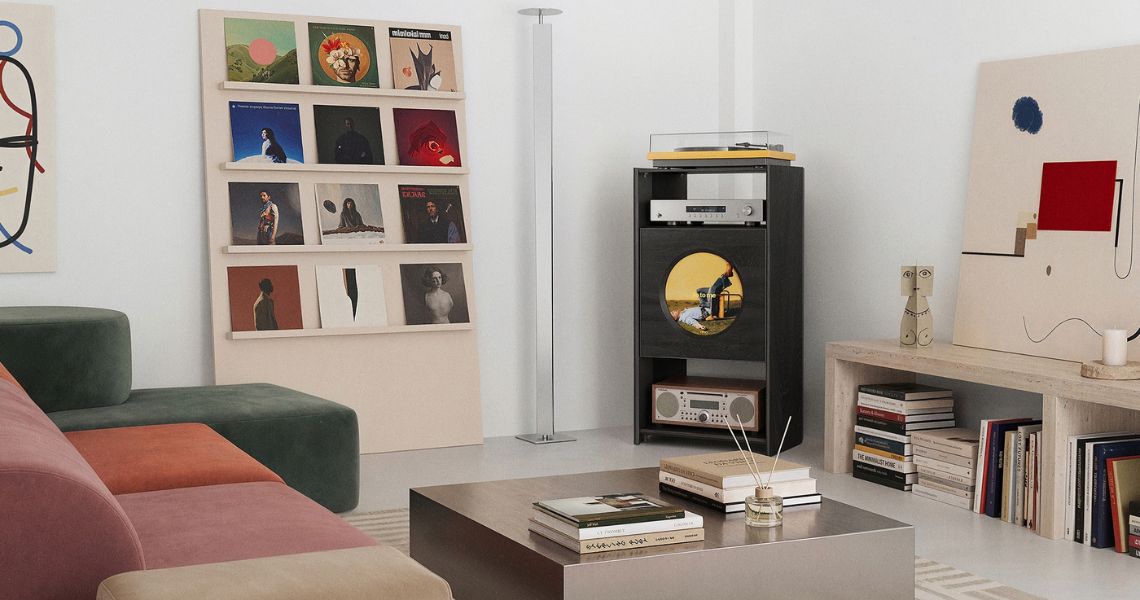
Your home environment directly influences how you start your morning, focus during the day, and relax in the evening. Dark, enclosed living spaces often feel restrictive, making daily routines feel sluggish and uninspiring.
Integrating abundant daylight into main living areas fundamentally changes how your indoor architecture feels and functions. Prioritizing clear overhead sunshine allows you to create welcoming, uplifting spaces in to your home design, that blend indoor comfort with the natural outdoors.
How Does Overhead Sunlight Transform Everyday Living Spaces?
Sunlight entering from above penetrates deeper into floor plans than traditional wall windows ever can. Overhead roof openings distribute soft illumination across broad surfaces, eliminating harsh shadows and illuminating dark corners without relying on artificial electric fixtures during daytime hours.
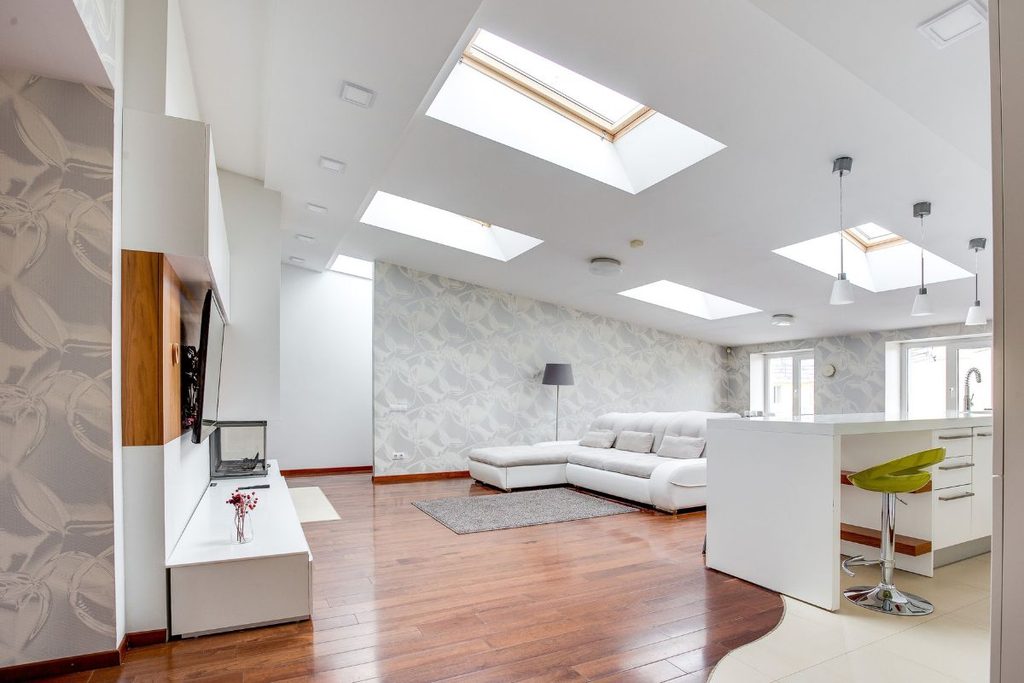
Living rooms, kitchens, and shared family areas instantly feel larger when illuminated from above. Broad daylight highlights architectural details, expands visual depth, and transforms quiet seating corners into warm zones where family members naturally gather to read, work, or converse.
Designing your main floor plan around top-lit skylights as part of your home design, creates a fluid connection to changing weather outside. Watching cloud movement or shifting sunlight across your floorboards brings outdoor beauty directly into your daily routine, grounding your indoor life in natural outdoor rhythms.
Why Should You Prioritize Natural Daylight Over Artificial Lighting?
Artificial lighting provides necessary nighttime illumination, but standard electric bulbs lack the dynamic color spectrum of natural sunshine. Standard interior light bulbs project static tones that can fatigue your eyes over long working sessions at home desks or kitchen tables.
Sunlight continuously shifts in color temperature and strength from early morning through late afternoon. This subtle progression gives your eyes a full spectrum of natural light, helping reduce visual strain during detailed tasks like reading, cooking, or managing household paperwork.
Relying on abundant overhead light reduces your dependence on electric lamps throughout daylight hours. Lowering daytime electricity use trims monthly power consumption while filling your home with clean, natural brightness that synthetic lighting simply cannot replicate.
How Do Maintained Roof Windows Protect Indoor Climate Comfort?
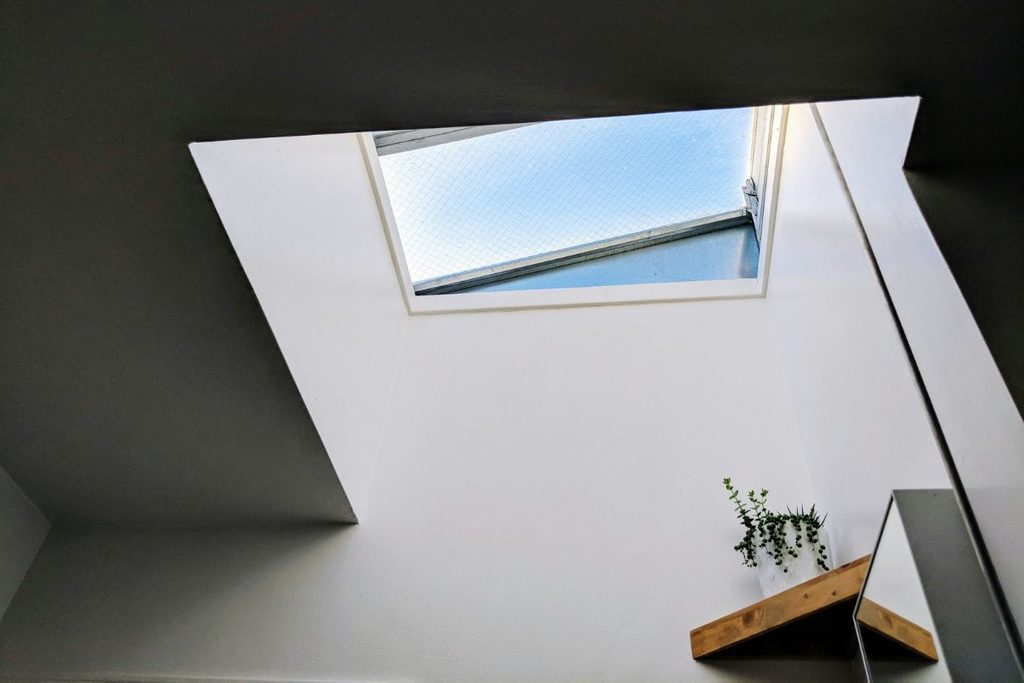
Glazed roof openings offer unmatched access to sky views and sunlight throughout changing seasons. Weathered seals or misaligned frames can let unwanted chill enter your rooms during colder months, which is why reaching out to certified Velux repair engineers guarantees that your overhead glazing remains leak-free, draft-free, and operating smoothly year-round. Consistent care keeps your interior temperature stable without placing excess strain on heating systems.
Roof glazing functions as a direct shield against wind, rain, and fluctuating outdoor temperatures. Timely inspections stop minor moisture seepage before water damage spreads into surrounding drywall, timber frames, or ceiling plaster in high-value living areas.
Smoothly opening skylights allow stale indoor air to escape through upper ceilings while drawing fresh air through lower windows. Operating these features regularly encourages natural stack ventilation, cooling your living spaces during warm afternoons without active air conditioning.
What Role Do Bright Spaces Play in Personal Health and Wellness?
Bright living environments influence your circadian biology far beyond mere visual aesthetic appeal. Natural daylight exposure reinforces your internal master clock, signaling to your body when to stay alert and active during working hours.
Research compiled in PubMed Central indicates that natural light acts as a primary environmental stimulus for regulating human circadian rhythms, sleep quality, daily mood, cognitive function, and physical wellness. Spending daytime hours in well-lit rooms promotes restful sleep cycles once nighttime arrives.
Generous daylight supports mental focus and emotional balance during demanding remote work schedules. Working near top-lit spaces lifts your energy levels naturally, helping you maintain consistent daily focus without relying constantly on additional caffeine or artificial stimulants.
Designing Balanced Interiors Around Natural Overhead Light

Placing furniture strategically around roof glazing helps you maximize every hour of natural sunshine. Position reading armchairs, study desks, and main dining tables directly beneath top-lit zones to take full advantage of clear overhead illumination without adding floor lamps, all good to know for your home design.
Integrating smart design choices allows you to manage glare while keeping rooms bright throughout changing seasons. Consider these core layout strategies when upgrading your living quarters:
- Position light furniture wisely: Direct main seating areas toward daylight entries without forcing occupants to face direct midday sun head-on.
- Select reflective wall shades: Paint interior walls in soft off-white tones to bounce sunlight deeper into adjacent corridors and adjoining rooms.
- Install adjustable window blinds: Attach fitted ceiling blinds so you can modulate incoming daylight intensity during peak afternoon hours.
Pairing natural overhead light with balanced wall paint shades creates an open atmosphere, this should always be part of your home design plans. Soft neutral wall tones reflect incoming daylight across adjoining rooms, turning formerly shadowed hallways into pleasant, brightly lit pathways through your home.
Preventing Drafts and Thermal Loss in Glazed Roof Features
Large glass surfaces bring extraordinary light into living spaces, but uninsulated framing can allow indoor heat to escape during cold winter months. Unchecked thermal leaks force heating equipment to run continuously, raising energy costs unnecessarily.
Data from the University of Michigan Center for Sustainable Systems highlights that residential buildings realize significant energy savings when proper insulation reduces necessary space heating and cooling demands. Inspecting frame insulation around skylights prevents costly heat escape through ceiling structures.
Checking rubber seals, hinges, and flashing kits keeps weather elements outside where they belong. Proper sealing preserves comfortable room temperatures while protecting window mechanisms against moisture accumulation, corrosion, and seal breakdown.
Maintaining Skylight Systems for Long-Term Home Efficiency

Routine skylight care extends the operational lifespan of your glazed overhead features significantly. Clearing autumn leaves, dirt, and roof debris from surrounding drainage channels allows rainwater to flow freely away from frame borders.
Checking opening handles, mechanical hinges, and remote sensors guarantees that motorized or manual roof windows operate without friction. Regular lubrication of moving parts prevents mechanical binding, protecting opening mechanisms from premature wear.
Scheduling professional maintenance checks every few years keeps small mechanical flaws from turning into expensive ceiling repairs. Proactive care preserves light clarity, thermal insulation, and weather resistance for decades of comfortable living.
Maximizing natural daylight transforms standard living quarters into bright, inviting sanctuaries that support daily wellness and energy efficiency. Well-maintained roof windows invite abundant sunshine while protecting your home against thermal loss and weather elements.
Investing in routine upkeep guarantees your glazed features deliver clear views and stable room temperatures every season. Bright, well-insulated spaces help you build a comfortable lifestyle grounded in light and outdoor connection.
Images courtesy of unsplash.com and pexels.com.