Iodine has a strange place in nutrition. It is one of the few minerals almost everyone has heard of in connection with the thyroid, yet it is also one of the most misunderstood. Some people take large amounts convinced it will fix a sluggish thyroid, others avoid it entirely, and many have no idea whether they get enough or too much. The truth sits between the extremes, and getting it right matters, because the thyroid is unusually sensitive to how much iodine it receives.
Iodine is genuinely essential: the thyroid cannot make its hormones without it. But more is not better, and the assumptions people carry about iodine often do more harm than good. This guide explains what iodine actually does, the mistakes people commonly make, and how to think sensibly about getting the right amount. It is general information, not medical advice, so anyone with a thyroid condition should speak to a healthcare professional before changing anything.
This guide covers:
• What iodine actually does for your thyroid
• The common mistakes people make with iodine
• How to think about getting the right amount
What iodine does for the thyroid
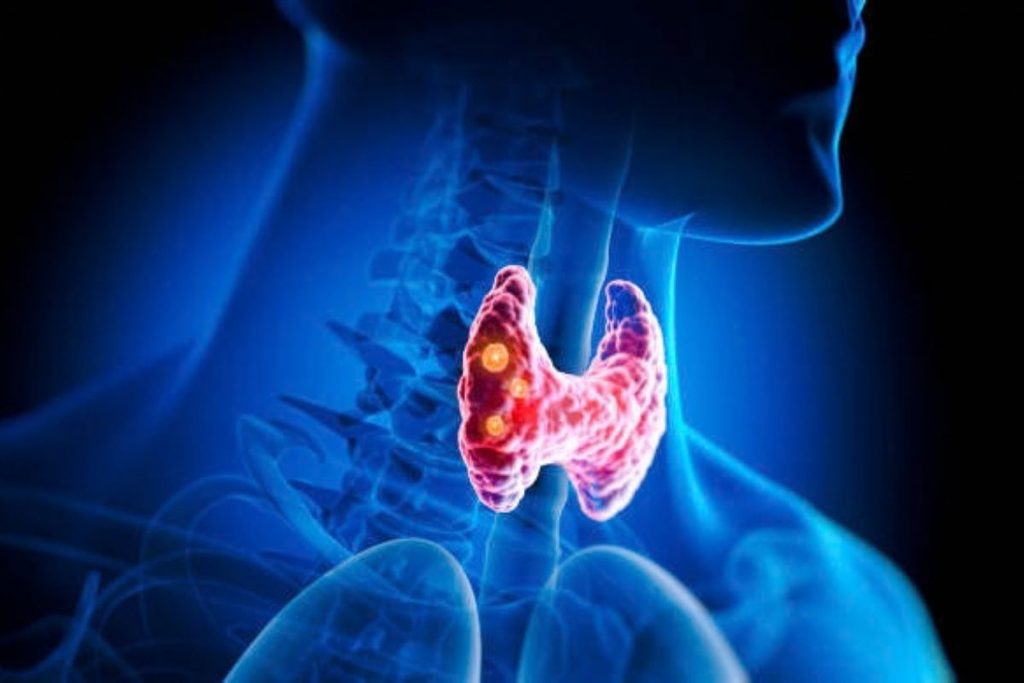
To understand the mistakes, start with the basic role iodine plays. The thyroid, a small gland in the neck, uses iodine as a raw material to build its hormones, and those hormones influence a remarkable range of the body’s functions.
The thyroid combines iodine with an amino acid to produce two hormones, commonly known as T3 and T4, which regulate metabolism, energy, temperature, and more. Without enough iodine, it cannot make enough of these hormones, which is why iodine deficiency has historically caused thyroid problems. This is the kernel of truth behind iodine’s reputation: it really is essential, and the thyroid really does depend on it. The mistakes begin when people stretch that truth too far.
What most people get wrong
The single biggest misconception about iodine is that if some is essential, more must be better. It is wrong in a way that matters, because the thyroid is sensitive to excess iodine as well as to shortage.
Both too little and too much iodine can disrupt thyroid function. Too little leaves the thyroid short of raw material, while too much can push it the other way and cause its own problems. The thyroid works best within a fairly narrow range, not at the extremes. A second mistake is assuming you are deficient without any real basis, when in many developed countries iodized salt, dairy and seafood mean most people get enough from diet alone. A third is treating iodine as a fix for thyroid symptoms that may have nothing to do with it. The theme across all three is the same: iodine is not a case where more equals better, and guessing can backfire.
The form matters: liquid versus tablets

If you and a healthcare professional decide a supplement makes sense, the form is worth thinking about, because it affects both how the iodine is absorbed and how precisely you can control the amount. Liquids and tablets genuinely differ here.
A liquid has a head start on a tablet in one respect: it does not have to disintegrate before the body can take it up. The argument that a liquid iodine supplement absorbs faster than tablets rests on that difference, since a dissolved mineral is ready to be absorbed while a tablet must first break down in the gut. Just as importantly for iodine, a liquid taken by the drop lets you measure the exact amount, which a fixed-dose tablet cannot. Given how sensitive the thyroid is to quantity, that control is not a minor convenience, it is part of using iodine responsibly.
Choosing an iodine supplement your thyroid can use
Beyond the form, the type of iodine matters, since not every source is equally usable by the body. Choosing well means looking at what the supplement contains and whether it lets you match the amount to your needs.
The body uses certain forms of iodine readily, and potassium iodide is a well-established, bioavailable one the thyroid can put to work. Part of choosing an iodine supplement your thyroid can actually use is checking that it provides iodine in a usable form and lets you control the dose rather than committing you to a large fixed amount. A supplement that delivers a sensible, adjustable quantity of a usable form fits how the thyroid works far better than a mega-dose product built on the more-is-better myth.
How much iodine do you actually need
With the misconceptions cleared away, the question of quantity is straightforward, and the numbers are reassuringly modest. The thyroid needs a small, steady supply, not a flood.
For most adults, the recommended daily intake is modest and is often met through diet alone in countries that use iodized salt. Pregnant and breastfeeding women need more, since iodine is important for fetal development, which is one situation where supplementation is commonly advised. At the other end, there is a clear upper limit above which the risk of thyroid problems rises, so more is emphatically not better. The sensible approach is to aim for adequacy rather than excess, account for your diet before adding a supplement, and get personal guidance from a healthcare professional, especially if you are pregnant, take thyroid medication, or have a thyroid condition. Iodine rewards precision, not enthusiasm.
Myth versus reality
The gap between what people believe about iodine and what is true is where most of the trouble starts. This is how the common myths line up against reality.
| Common belief | The reality |
| More iodine is always better | Both too little and too much disrupt the thyroid |
| Everyone is iodine deficient | Many people get enough from diet alone |
| Iodine fixes any thyroid issue | Many thyroid problems are unrelated to iodine |
| Any iodine supplement will do | Form, dose control and usability all matter |
The through-line is that iodine calls for balance and accuracy, not the blunt instrument of a large dose.
What the experts say
The case for moderation reflects established guidance. According to the American Thyroid Association, the recommended daily allowance for iodine in adults is modest, the typical diet in developed countries generally provides enough, and intake above the tolerable upper limit is not recommended because it may cause thyroid dysfunction. That is the whole argument in one place: iodine is essential, most people already get an adequate amount, and pushing well beyond what the body needs carries real risk. It is a nutrient to get right, not to maximize, which is exactly what most people get wrong.
Getting iodine right
Iodine deserves its reputation as essential for the thyroid, but that reputation is where the misunderstandings begin. The thyroid needs iodine to make its hormones, and it needs the right amount, not the largest one, because it is as sensitive to excess as it is to shortage.
Getting iodine right means understanding what it does, resisting the more-is-better instinct, accounting for what your diet already provides, and, if you do supplement, choosing a usable form in a dose you can control. Above all, it means treating iodine as the precise nutrient it is and involving a healthcare professional in any decision, particularly if your thyroid is already a concern. Do that, and iodine becomes what it should be: a quiet, essential support rather than a risk dressed up as a cure.
Frequently asked questions

Why does the thyroid need iodine? The thyroid uses iodine as a raw material to build its hormones, commonly known as T3 and T4, which regulate metabolism, energy and temperature among other functions. Without enough iodine, the thyroid cannot produce enough of these hormones, which is why iodine has long been linked to thyroid health.
Is more iodine better for the thyroid? No, and this is the most common mistake. The thyroid is sensitive to excess iodine as well as to shortage, and too much can disrupt its function just as too little can. It works best within a fairly narrow range, so the goal is an adequate amount, not the largest possible one.
Do most people need an iodine supplement? Not necessarily. In countries that use iodized salt, many people get enough iodine from diet through salt, dairy and seafood. Some groups may benefit from a supplement, and needs are higher in pregnancy, but assuming you are deficient without a real basis is a common error. A healthcare professional can help you decide.
Does a liquid iodine supplement work better than tablets? A liquid has one clear advantage: it does not have to disintegrate before the body can absorb it, and a dissolved mineral is ready to be taken up. Just as useful for iodine, a liquid taken by the drop lets you control the exact amount, which matters given how sensitive the thyroid is to quantity.
Can too much iodine cause thyroid problems? Yes. Excess iodine can disrupt thyroid function and, above the recommended upper limit, may cause thyroid dysfunction. This is why iodine should be taken with care, and why anyone with a thyroid condition or on thyroid medication should consult a healthcare professional first.
How do I choose a good iodine supplement? Look for a usable form of iodine, such as potassium iodide, and a product that lets you control the dose rather than locking you into a large fixed amount. Because the thyroid is sensitive to quantity, dose control matters more than a high number, and professional guidance helps you match it to your needs.
Images courtesy of unsplash.com and pexels.com