As new UK research links self-guided woodland walks with lower anxiety and greater social connection, the Lithuanian capital is bringing the Japanese practice into its urban forests, only minutes from the UNESCO-listed Old Town.
Vilnius, the European capital surrounded by forests, has just mapped 10 forest-bathing routes that turn a city break into a nature retreat, without leaving the capital, only minutes from the UNESCO-listed Baroque Old Town.
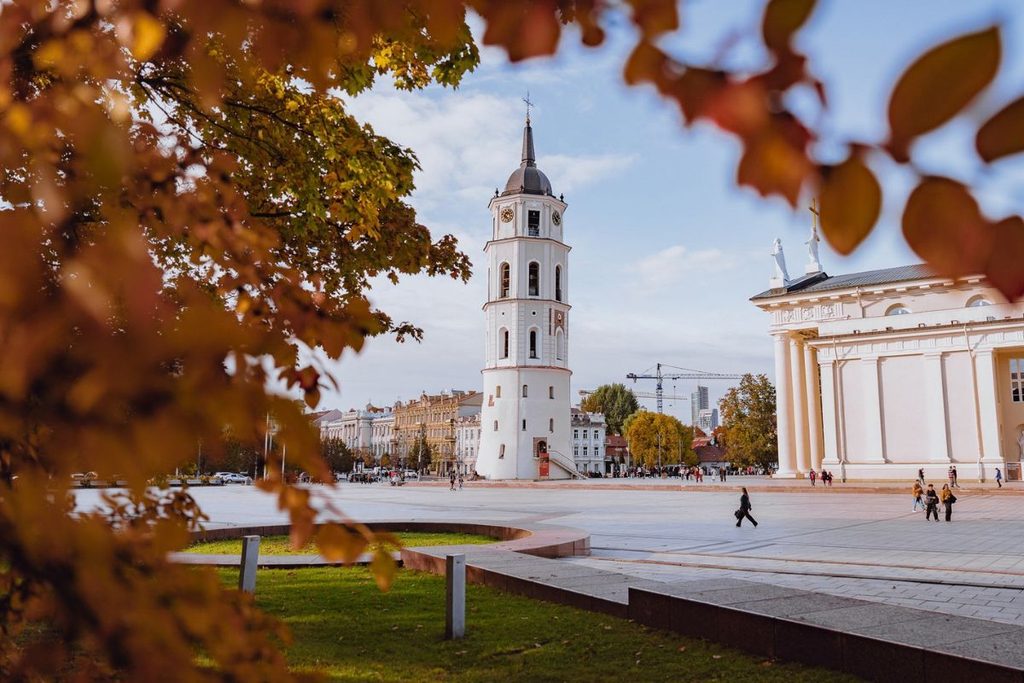
Named European Green Capital in 2025, Vilnius recently launched the routes and invites visitors to experience its forests independently, at their own pace.
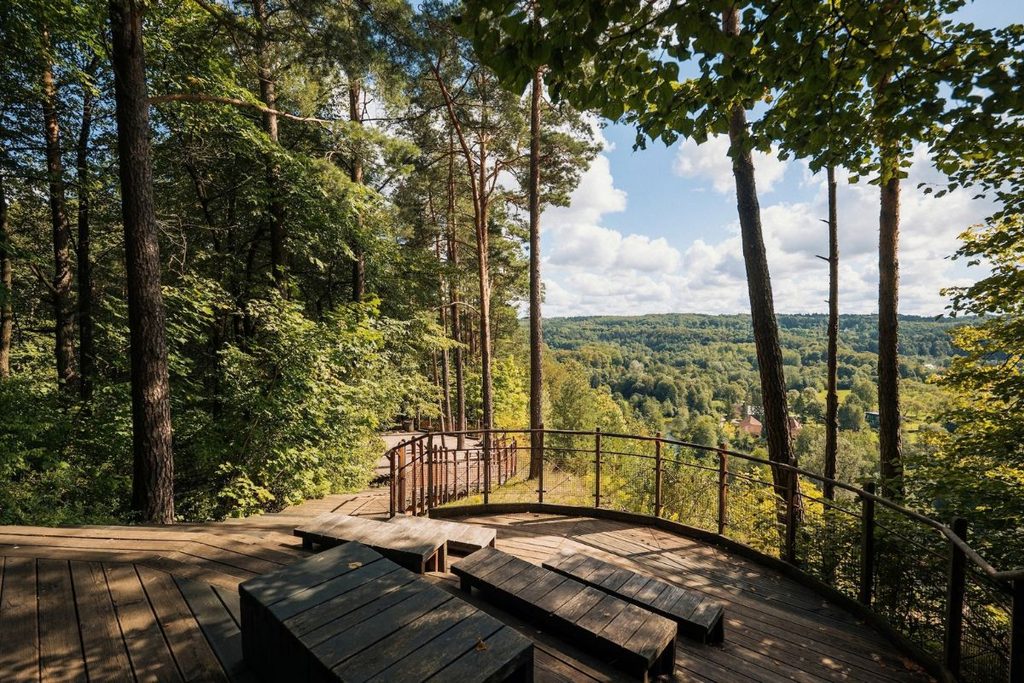
“What makes Vilnius unusual is that forest bathing does not require leaving the capital. With 61% covered in greenery and protected landscapes woven right through the city, nature is already part of the urban experience,” says Egle Girdzijauskaitė, Head of Communication at Go Vilnius. “The new routes are only around 2-4 km long, but the idea is not to rush through them. We encourage visitors to spend two to three hours wandering through the forest, touching tree bark, sitting by the water, listening to the birds, and noticing the small details they might normally walk straight past.”
The idea comes at a time when forest bathing is moving beyond a wellness trend in the UK. New research found that visitors to Forestry England’s self-led wellbeing trails reported a 31% decrease in anxiety, a 38% decrease in rumination and a 20% increase in social connection after a single walk. The green practice is also entering the UK’s public-health system. More than 8,500 people were referred to nature-based activities through the NHS Green Social Prescribing programme, and has even been embraced by the Princess of Wales as part of her own approach to wellness.
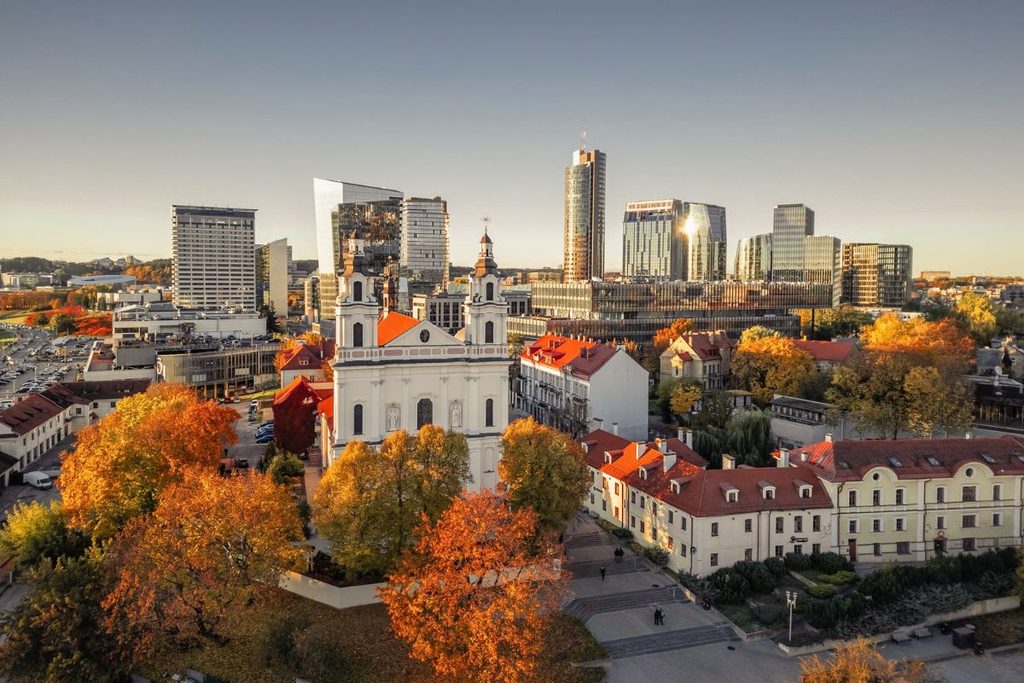
“Shinrin-yoku, or forest bathing, originated in Japan, but spending time in the forest cycling or camping has long been part of everyday life in Lithuania,” says Liudas Basiulis, forest therapy facilitator and forest-bathing route specialist. “The difference is in how you experience it: slowing down, paying attention to what you can see, hear and feel, rather than simply walking through the forest. In Vilnius, that means noticing everything from around 81 bird species in its protected green spaces to wild salmon returning from the Baltic Sea each year to spawn in the clean, oxygen-rich Vilnelė River.”
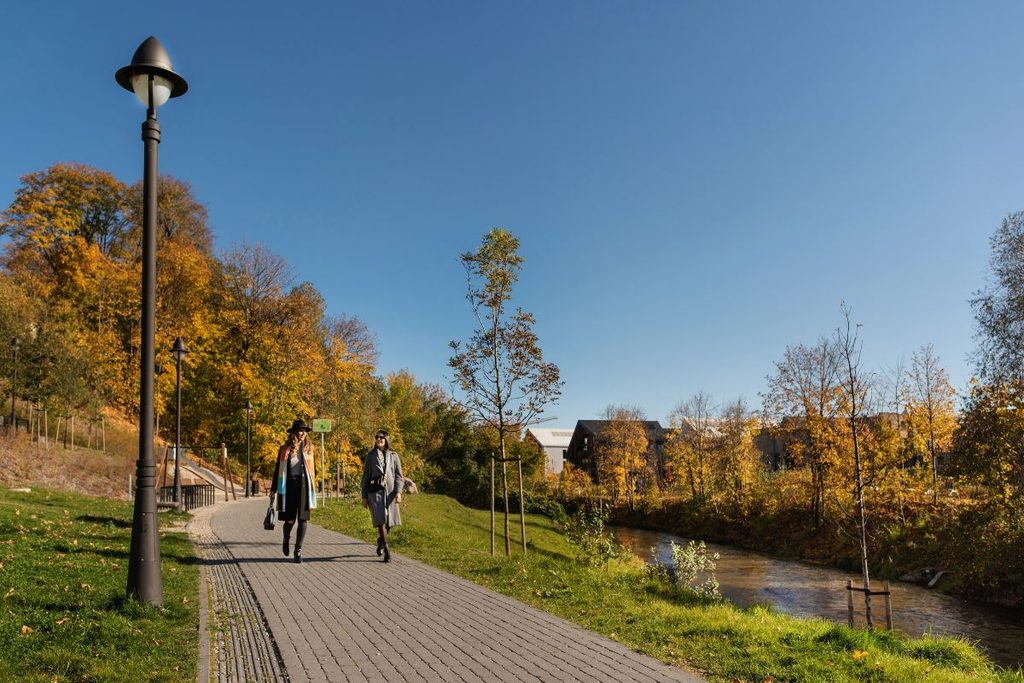
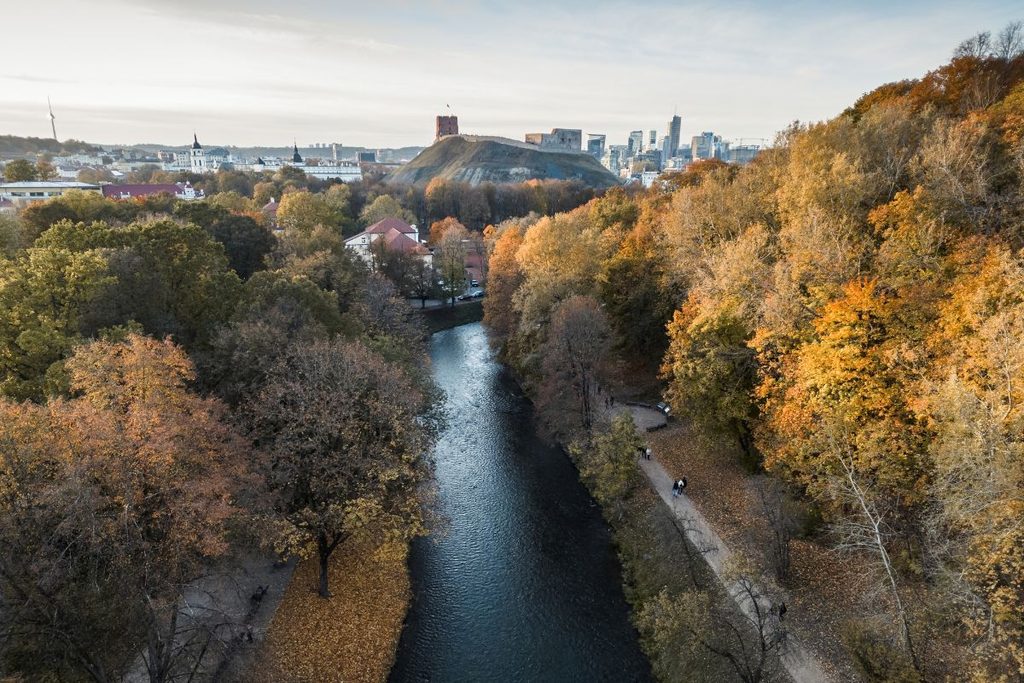
The new trails, 3 of them translated into English, leverage this natural advantage, leading visitors through glacier-shaped hills and ravines surrounding the 65-meter-high Pūčkoriai Exposure in Pavilniai Regional Park, just 5 km from the Old Town. Another route through the woodland also hides remnants of the city’s 20th-century defence system, including Polish trenches and a reinforced-concrete bunker. Many of these natural sites can be explored along the city’s 100 km circular hiking trail.
Three forest-bathing routes, recently unveiled in Vilnius:
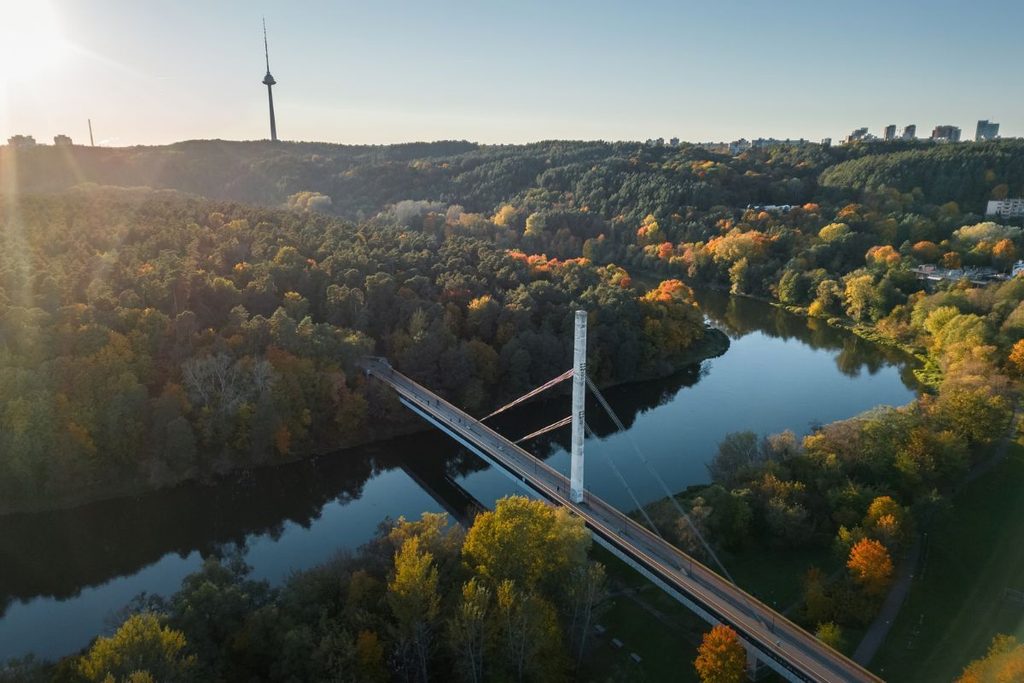
The Ravines of Kalnų Park. The closest of the three routes to the historic centre of Vilnius begins near Dailės akademija (Art Academy, Maironio st. 6), around a seven-minute walk from Cathedral Square. From there, the route descends into the Vilnia Valley, formed by the fast-flowing Vilnia River in the city center, through the wooded ravines of Kalnų Park (Hill Park, where the monumental Hill of Three Crosses sits). The route includes steep sections, making it more of a sensory woodland experience than a conventional city stroll. However, the view of the city’s landscape is worth the incline.
Karoliniškės Landscape Reserve. The route begins around 30 minutes by public transport from central Vilnius, near the TV Tower (Sausio 13-osios st. 10) at the Plikakalnis outcrop, a 58-meter-high natural monument overlooking the Neris River valley. From its viewing platform, the forest opens onto sweeping views of the river, Vingis Park and Vilnius, before the route drops back into a landscape of steep wooded hills, deep erosion gullies and old oak trees. Along the way, the landscape shifts between steep wooded slopes, deep ravines, and old oak trees, with views stretching towards the Neris River and ancient Vingis Park.
Verkiai Regional Park. Starting at Žaliųjų Ežerų st. 3, this approximately 2.5 km route leads into the forests of Verkiai Regional Park, with the 18th century neoclassical Verkiai Palace, and steeper sections along the way. From Cathedral Square, the starting point takes roughly 40 minutes to reach by public transport. The route begins close to the Green Lakes area, one of the capital’s larger and exceptional natural landscapes, where visitors can enjoy Blue Flag-certified sandy shore beaches.
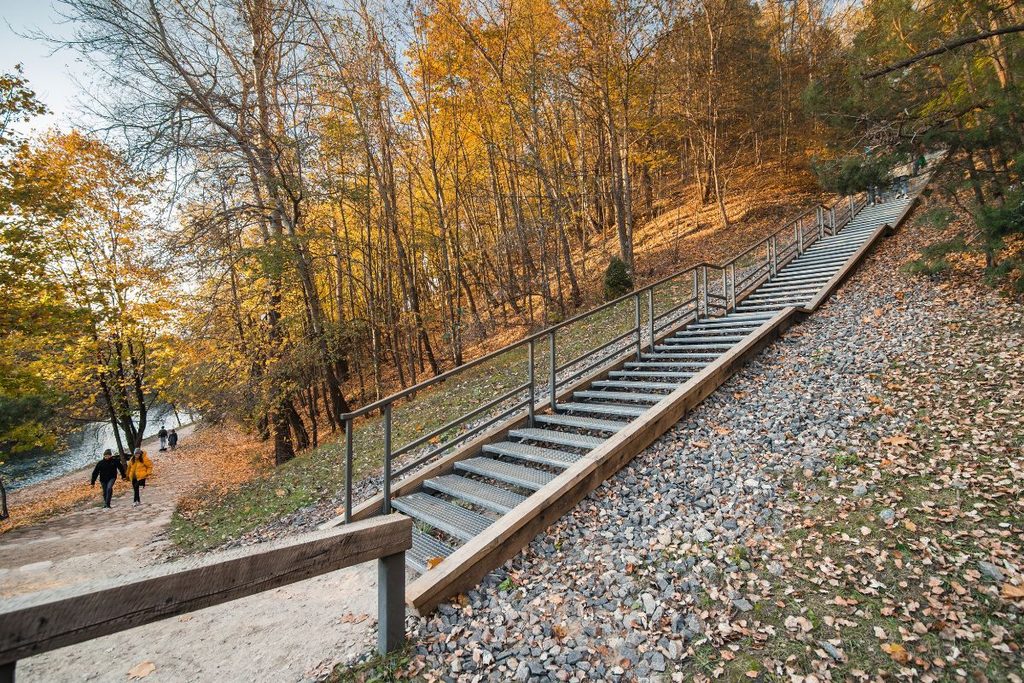
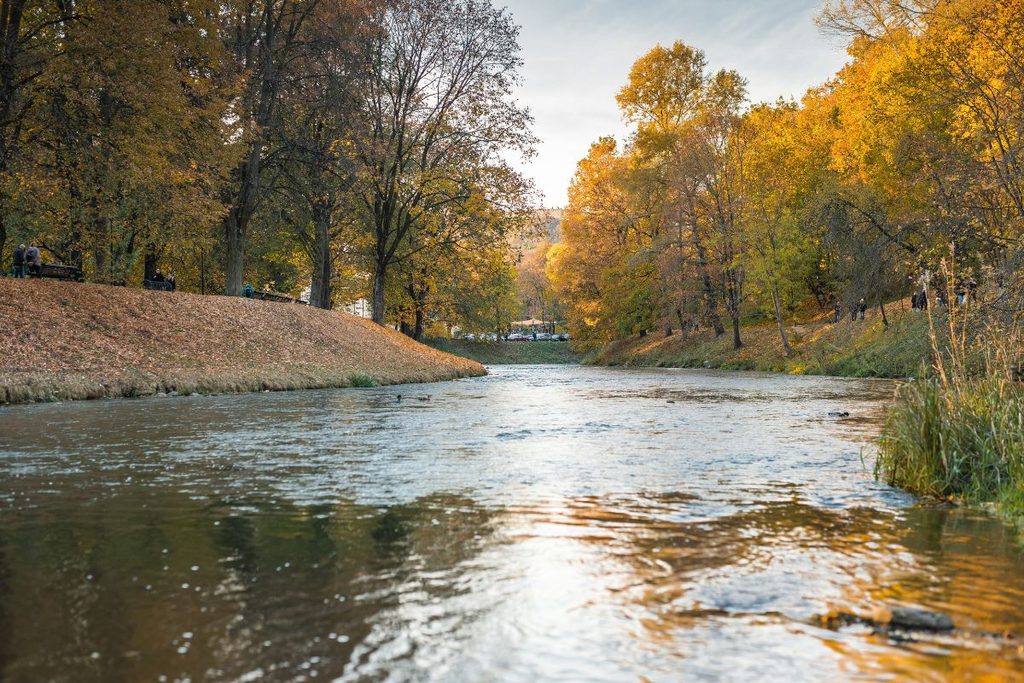
The forest-bathing routes are available through the city-backed capital’s experience guide Neakivaizdinis Vilnius initiative, with maps, directions and coordinates for visitors to follow independently.
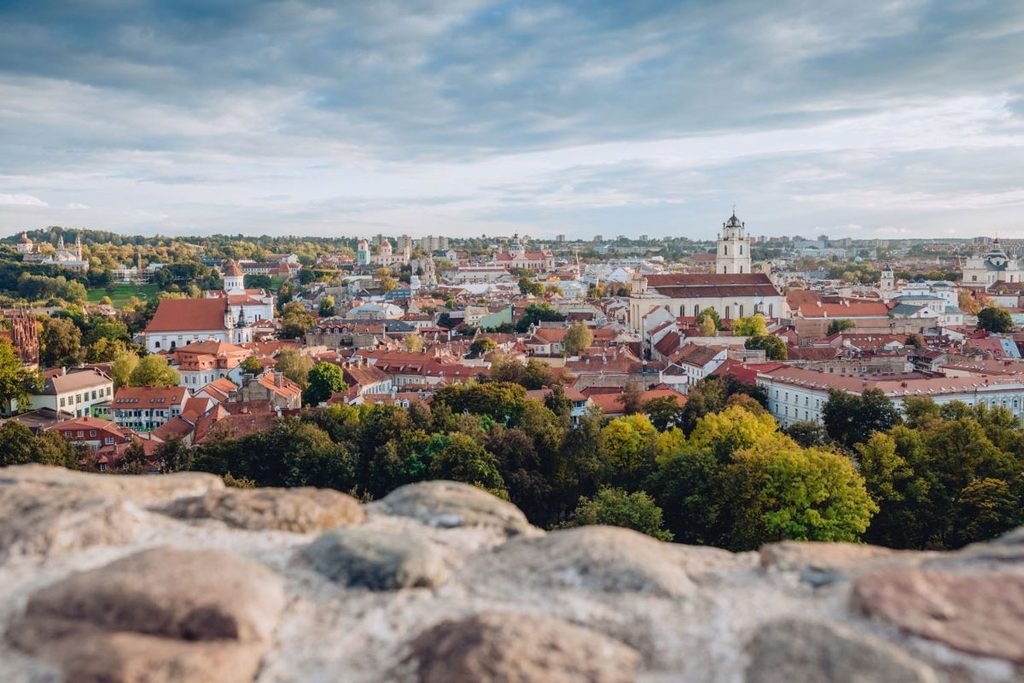
For UK travellers, the combination makes Vilnius an alternative to a traditional countryside wellness break: the city can be reached directly from London in less than 3 hours with flights, while the Old Town and forests can form part of the same weekend itinerary.
Images supplied by Go Vilnius