A Malaysian home has to put up with a lot throughout the year: humid air, oily wok sessions, festive weekends with twenty guests, thin ceilings and a management office with strong views on drilling hours.
Renovation ideas are forming around exactly those pressures, and six of them are worth knowing about before you call a contractor.
Earthy Colours Taking Over Walls
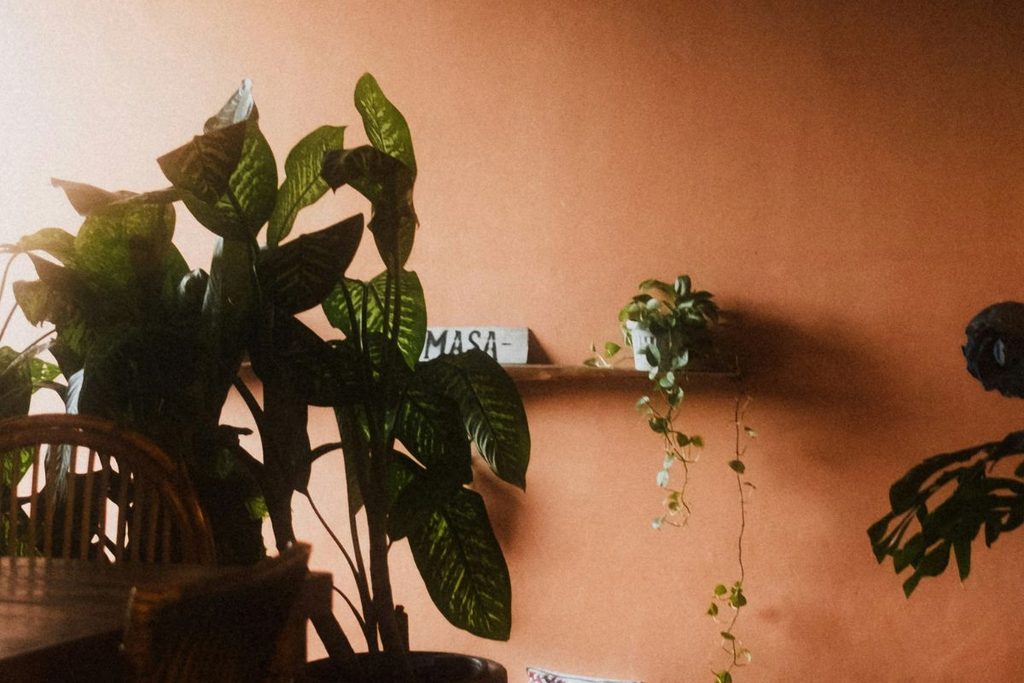
Walk through any paint showroom in Klang Valley, and you’ll notice the grey shelf has shrunk. Terracotta, olive, oat and a dusty clay pink have taken its place, and even people who painted everything white for a decade are trying a single green wall.
Some of it is mood, since these shades sit well beside rattan, timber and linen, the materials Japandi-style furniture is made from. Some of it is practical, because humid air leaves a dull film on pale paint that earthy colours simply hide.
Brush a large sample onto the wall and leave it for three days before buying any tins. Morning light and lamp light can make one colour look like two.
Flooring Laid Over Old Tiles
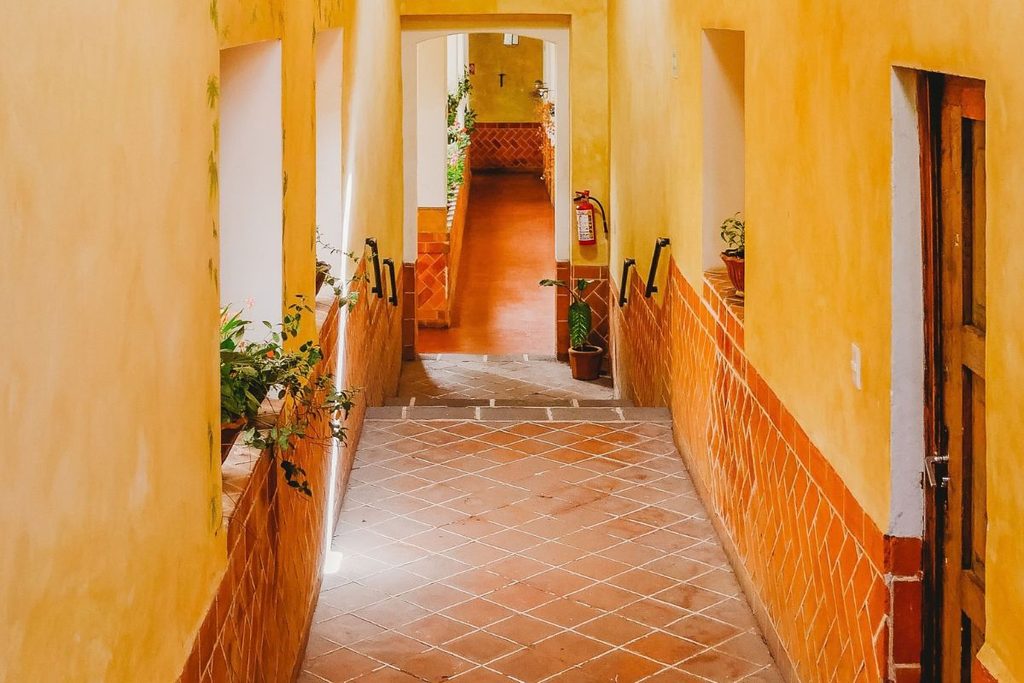
Ask a contractor what they dread most and many will say tile removal. Hammering, dust that finds its way into the wardrobes, and a skip bin that somebody has to pay for. Condo offices make it harder with limited working hours and deposits held against damage. So a lot of owners now ask whether the new floor renovation can just go on top of the old one.
Some thin coverings, including certain ranges of vinyl flooring Malaysia, are made to be laid this way, provided the tiles underneath are flat, dry and firmly stuck. Deep grout lines should be filled first, or they print through over time. Every manufacturer sets its own rules, so read the installation guide before agreeing to anything, and get the management office’s approval in writing.
Kitchens Split by Cooking Style
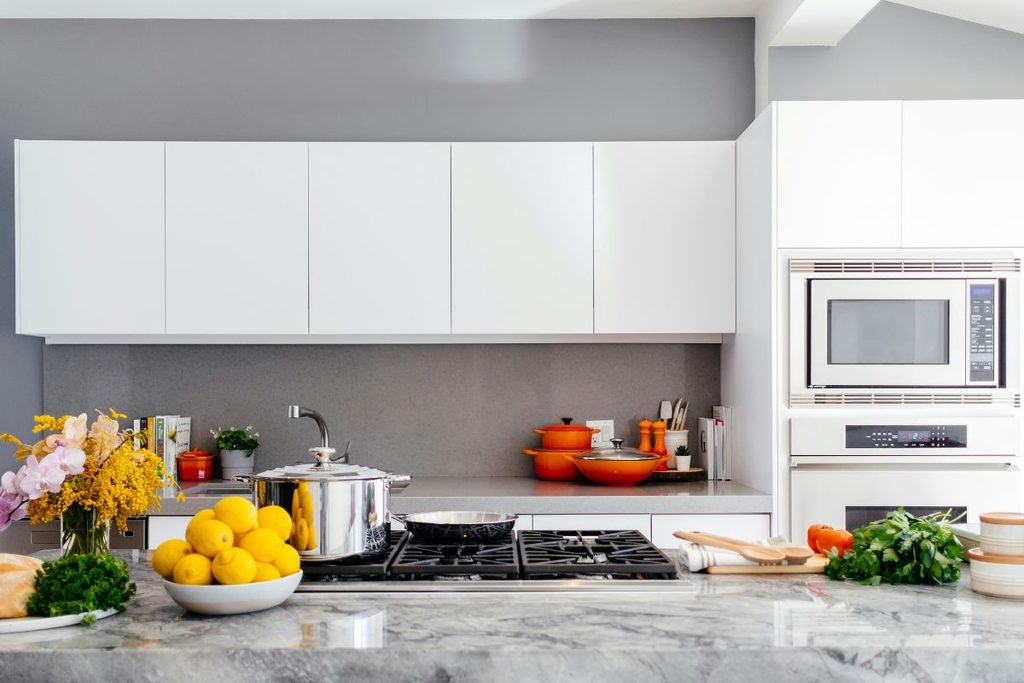
Sambal does not care about your kitchen design. Oil travels, smoke lingers, and the smell finds the curtains. That is why wet and dry kitchens are still going strong, and why smart renovators put money into the unglamorous bits of the wet side first. An extractor that vents outside rather than recirculating, cabinet boards that resist moisture, a sink deep enough for the big kuali.
The dry kitchen is where the pretty things go, like an induction hob, open shelves and a coffee corner. Quartz or sintered stone counters cope with hot pots and stains far better than laminate, though they cost more and need a proper measuring visit before anything is cut.
Built-In Storage for Small Homes
Small units teach you to resent empty space that isn’t useful. Owners are ordering carpentry that runs to the ceiling, beds with deep drawers underneath and shoe cabinets built into the entrance wall so slippers stop spreading across the corridor. Even the odd gap beside a fridge can take a slim pull-out rack.
Custom joinery has one catch, and it is moisture. Ordinary plywood swells in humid rooms, and cheap laminate edges peel. Ask the carpenter exactly which board and finish they plan to use in your renovation, and request one sample drawer before they build the whole set. A twenty-minute chat at that stage can save you from replacing cabinets in three years.
Passive Cooling and Greenery
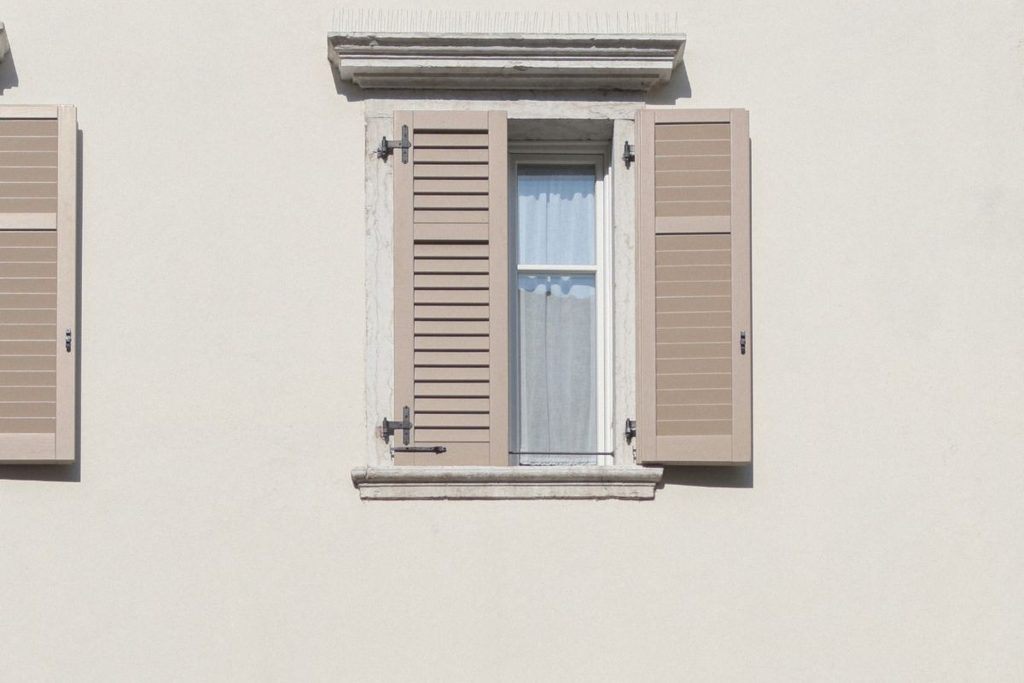
Air conditioners eat electricity, and nobody enjoys the bill. So attention has turned to how the house handles heat before the compressor even starts. Louvred windows on opposite walls let a breeze pass through instead of pooling in a corner. Ceiling fans still beat most gadgets on cost. Leafy plants on a balcony shade the glass, and a fixed screen outside a west-facing window cuts afternoon glare noticeably. Top-floor owners look at roof insulation or reflective paint, since a ceiling under a hot roof keeps radiating warmth well into the night. None of this replaces cooling, but every hour the aircon stays off is money kept.
Rooms That Switch Roles

Picture a study that turns into a bedroom at night, or a sofa bed that hosts an aunt for two weeks every year. Rooms are being asked to change jobs, and older parents moving in is a major driver. A bedroom on the ground floor saves them the stairs. Wider doorways, lever handles and a few grab rails cost little when fitted early, and a great deal when added after a fall. Sliding partitions and fold-down desks help too. Just plan the outlets and lighting for the second purpose as well as the first, because that is where most people slip up.
Conclusion
Most of these renovation trends solve small, daily annoyances such as heat, clutter, cooking smells and strict building rules. Pick the two that irritate you most and spend there first. Style usually sorts itself out afterwards. A good renovation rarely uses every idea on the list, and the calmest homes tend to be the ones where the owner stopped adding things.
Images courtesy of unsplash.com and pexels.com.