Hospitality operations face rising energy expenses every month. Keeping commercial kitchens, guest laundries, and heating systems supplied with hot water demands constant power. Unseen mineral buildup inside boilers and water lines drives up utility bills silently.
Business owners who tackle hard water early secure huge reductions in ongoing operational costs. Taking proactive steps transforms daily facility management into a streamlined, cost-effective effort. Implementing targeted scale control measures protects valuable appliances and keeps monthly overhead and energy bills predictable.
The Hidden Cost Of Scale In Commercial Kitchens
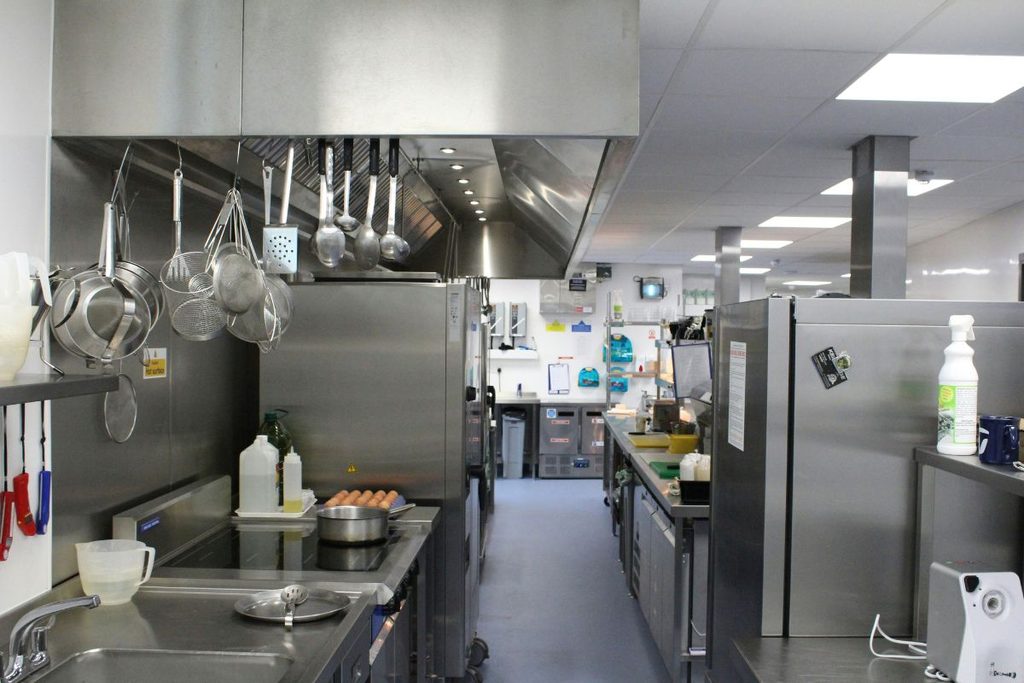
Commercial kitchens consume high volumes of hot water for cooking, sanitation, and dishwashing. Hard water minerals settle on internal boiler walls and heating coils whenever water gets heated.
Official records from safety inspectors highlight that a scale layer just 1/8 inch thick can cause up to a 20 to 25 percent loss in heating efficiency. That extra workload translates directly into inflated monthly utility expenses.
Thick mineral layers act as thermal insulation between the burner flame and the water supply. Heating systems must burn far more fuel to reach standard operating temperatures. Facility teams face rising energy bills alongside increased mechanical strain on critical components.
Investing In Commercial Softeners For Real Savings
Running a commercial kitchen or hotel requires heavy reliance on clean hot water every single hour. Many property managers choose high-capacity commercial water softeners to protect their water lines before severe mineral buildup takes root. This targeted defense keeps pipe interiors clear and maintains steady water pressure across the facility. It reduces maintenance overhead and keeps daily utility expenses predictable.
Conditioned water prevents scale from crusting over heating coils in dishwashers and boilers. Staff spend far less time scrubbing fixtures or clearing out heating elements during regular shifts.
Kitchen equipment runs smoother, uses less electricity, and delivers consistent thermal performance. Initial hardware investments pay off through lower monthly power bills and reduced plumbing maintenance.
Removing hard minerals protects expensive plumbing infrastructure across multi-story buildings. Smooth pipe walls maintain optimal flow without forcing pumps to draw excess electricity. Facility operators enjoy lower energy bills and reliable hot water delivery day after day.
Why Commercial Water Heating Efficiency Drops Fast
Constant heating cycles accelerate hard water mineral precipitation inside commercial storage tanks. Minerals quickly coat heating elements, forcing burners to run longer to heat liquid.
- Continuous heating cycles speed up crust formation on heating elements.
- Trapped thermal energy strains internal heat exchangers and boilers.
- Restricted supply pipes lower fluid flow rates across commercial appliances.
Overworked hardware breaks down frequently, creating surprise downtime for busy venues. Managers end up spending money on sudden emergency callouts and early hardware replacements. Thermal efficiency drops steadily as scale layers thicken month after month.
System maintenance becomes far more complicated when mineral crusts lock up internal valves. Cleaning crews spend hours descaling parts that should operate cleanly without manual intervention. Controlling water quality stops this decline before power consumption spikes uncontrollably.
How Limescale Destroys Heavy Machinery And Heating Elements
Dishwashers, combi ovens, and commercial coffee machines rely on clean heating coils to function. Hard water leaves thick mineral residue on these sensitive parts, choking off heat transfer.
Guidance from energy management programs suggests installing water softening units that regenerate based on actual supply hardness and daily consumption demand. Smart systems avoid wasting brine or water during low-occupancy periods.
Unprotected machinery faces rapid internal decay as scale buildup traps extreme heat. Overheated elements burn out prematurely, forcing costly component swaps or full machine replacements. Operating clean, scale-free equipment guarantees predictable energy usage across every shift. Venues avoid catastrophic hardware failures during peak business hours.
Smart Water Treatment Strategies For Hotels And Restaurants
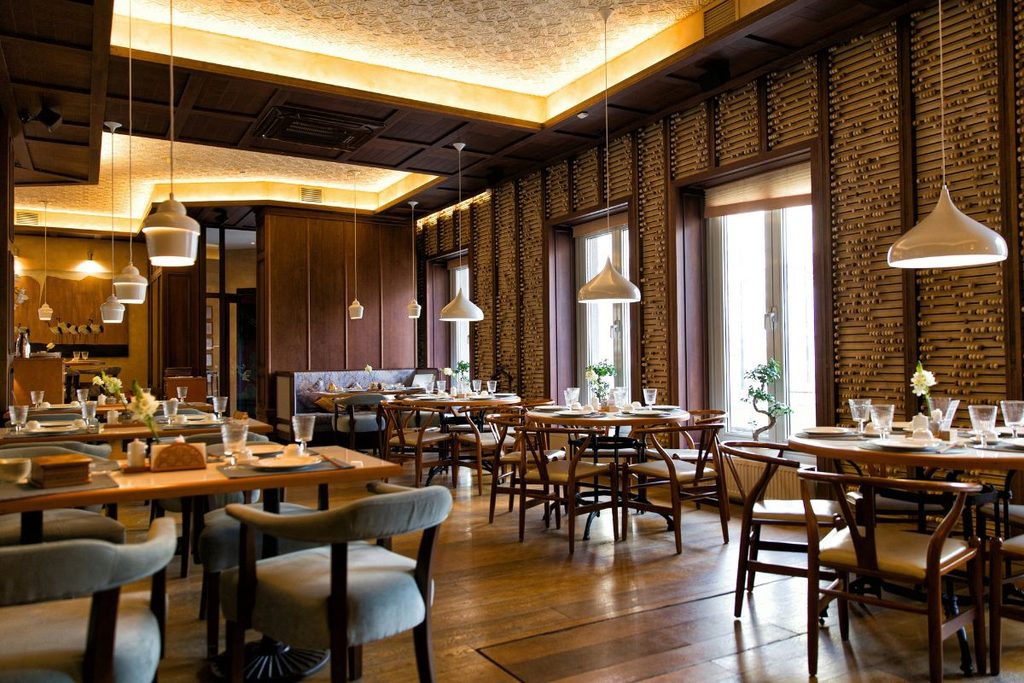
Hotels and restaurants require continuous water conditioning to keep facilities running smoothly. Industry plumbing guidance notes that softeners target troublesome mineral content so future deposits form far more slowly. Fixtures remain clear, pipes stay open, and heating units maintain optimal transfer capacity over long operational periods.
Implementing proper conditioning methods changes how facilities handle routine energy control. Staff members spend less time descaling steam tables, ice machines, and commercial dishwashers. Equipment maintains high operational efficiency without requiring harsh chemical descalers. Facilities protect their capital investments and maintain lower utility budgets.
Custom water conditioning plans match the specific flow rates of busy hospitality venues. Automated monitoring systems check and maintain correct mineral balance throughout peak guest occupancy. Venues gain complete control over water quality and reduce total energy consumption.
Maximizing Utility Savings Across Daily Operations
Lowering facility bills requires looking at every water-dependent appliance in the building. Laundry operations, kitchen dishwashers, and room boilers all draw significant electrical power.
- Softened water allows detergent to work effectively at lower wash temperatures.
- Scale-free boilers reach desired heat settings in far less time.
- Unblocked pipe networks keep water pumps operating efficiently.
Lowering wash temperatures saves thousands of kilowatt-hours over a single operational year. Dishwashers clean dishes thoroughly on shorter cycles when mineral interference is eliminated.
Pumping systems draw less electrical current when pipe walls remain smooth and free of obstruction. Every department reaps direct financial benefits from targeted mineral management.
Consistent energy reductions free up capital for other property improvements. Managing water quality creates immediate savings across daily kitchen and laundry routines. Venues maintain high service standards and lower their environmental footprint.
Equipment Protection And Maintenance Routines
Proactive maintenance schedules keep water treatment hardware operating at full effectiveness. Facility staff must monitor salt levels, inspect brine tanks, and check flow meters regularly.
Routine checks prevent hard water from entering internal supply lines during peak operational hours. Consistent oversight secures equipment health and locks in low power consumption rates.
Coordinating water treatment checks alongside regular kitchen equipment servicing creates a strong preventative routine.

Staff members spot minor issues long before scale causes thermal efficiency drops. Venues maintain consistent service quality without experiencing unexpected energy price spikes. Strategic maintenance keeps utility expenditure low month after month.
Well-maintained systems deliver steady performance across decades of continuous service. Facility teams avoid emergency repairs and expensive utility surcharges through disciplined monitoring. Strategic water treatment remains a cornerstone of effective commercial facility management.
Venues that implement continuous softening solutions see immediate drops in monthly energy expenditure. Lower energy bills, extended hardware lifespans, and reduced maintenance costs prove the value of sound mineral control. Smart water management remains one of the simplest pathways to long-term operational profitability.
Images courtesy of unsplash.com, pexels.com and Freepix.com