The British high street is changing, and so are our dining habits. More than ever, food lovers are looking for unique, flexible, and high-quality culinary experiences that fit their busy lives. This has led to a boom in mobile food businesses. From gourmet food trucks at festivals to artisan coffee carts on market days, taking a delicious concept on the road has never been more appealing. For aspiring food entrepreneurs, this shift is a fantastic chance to build a brand, connect with customers, and share a passion for food without the usual constraints of a traditional restaurant.
This guide will walk you through the essential steps to launching your own mobile food experiences venture, from creating a standout menu to making sure your business is built on a solid and secure foundation.
The Rise of Mobile Culinary Adventures
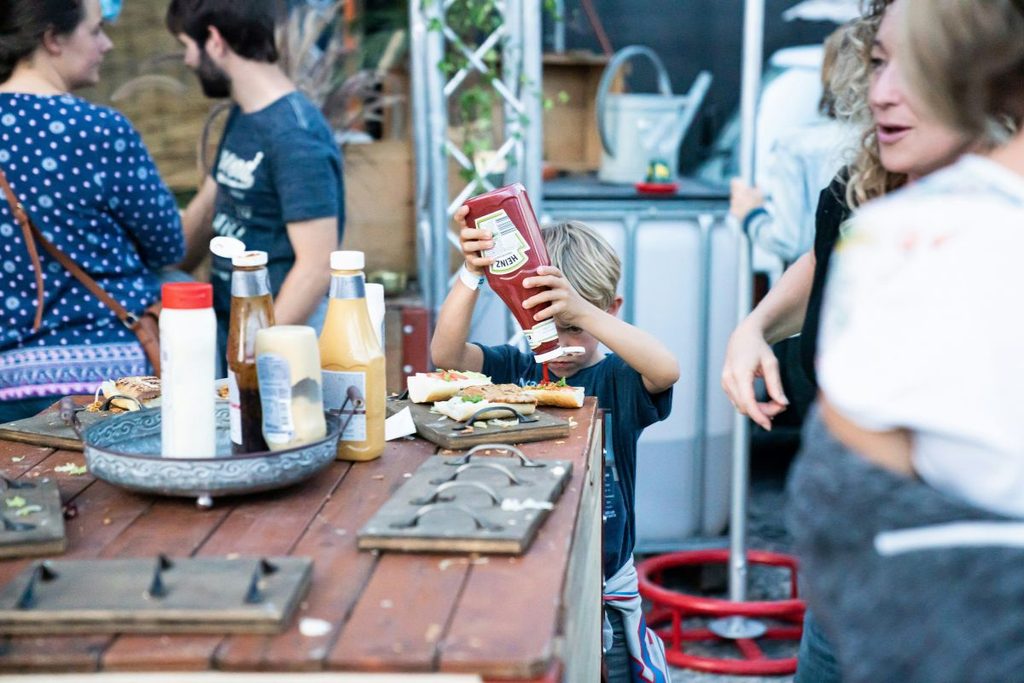
Mobile food businesses are popular for more than just convenience. They reflect a desire for authentic, handcrafted food experiences and a personal connection with the people who make it. Unlike a fixed restaurant, a mobile unit offers incredible flexibility. Owners can go where the customers are, whether that’s a bustling city centre, a weekend music festival, or a private corporate event. This agility significantly reduces the financial risks that come with a brick-and-mortar location.
What’s more, the mobile format is a great platform for creativity and experimentation. It encourages a focused menu that does one or two things exceptionally well, helping you build a reputation for a signature dish. This specialisation helps create a strong brand identity that customers remember and seek out. The entire operation becomes part of the experience; the visual appeal of the van, the sounds and smells of cooking, and the direct interaction with the chef all contribute to the charm of mobile dining. It’s a business model that turns a simple meal into an event, tapping into the growing consumer demand for memorable moments through food.
Protecting Your Culinary Journey
Before you serve your first customer, you need to make sure your business has a secure foundation. Operating a mobile catering unit comes with unique risks, from potential accidents involving your vehicle or equipment to issues related to the food you serve. Protecting your venture from the start isn’t just a formality; it’s a critical step that safeguards your finances, your reputation, and your future. Think about the busy environments you’ll operate in like markets, festivals, and crowded streets are full of people, and accidents can happen. A customer could trip over a cable, or a staff member could get a burn from cooking equipment.
Beyond physical accidents, you also need to think about liabilities related to your products. Even with the highest food safety standards, there’s always a risk of a customer having an adverse reaction or claiming food poisoning. These situations can lead to significant legal and financial problems. This is why comprehensive liability insurance for mobile caterers is an essential investment. This type of specialised cover typically includes:
- Public Liability: This protects you if a member of the public is injured or their property is damaged because of your business activities.
- Product Liability: This covers claims of illness or injury caused by the food or drink you sell.
- Employer’s Liability: This is a legal requirement if you have staff. It protects you against claims from employees who are injured or become ill at work.
Having the right insurance gives you the confidence to run your business, knowing you’re prepared for unexpected events.
Crafting Your Unique Mobile Menu
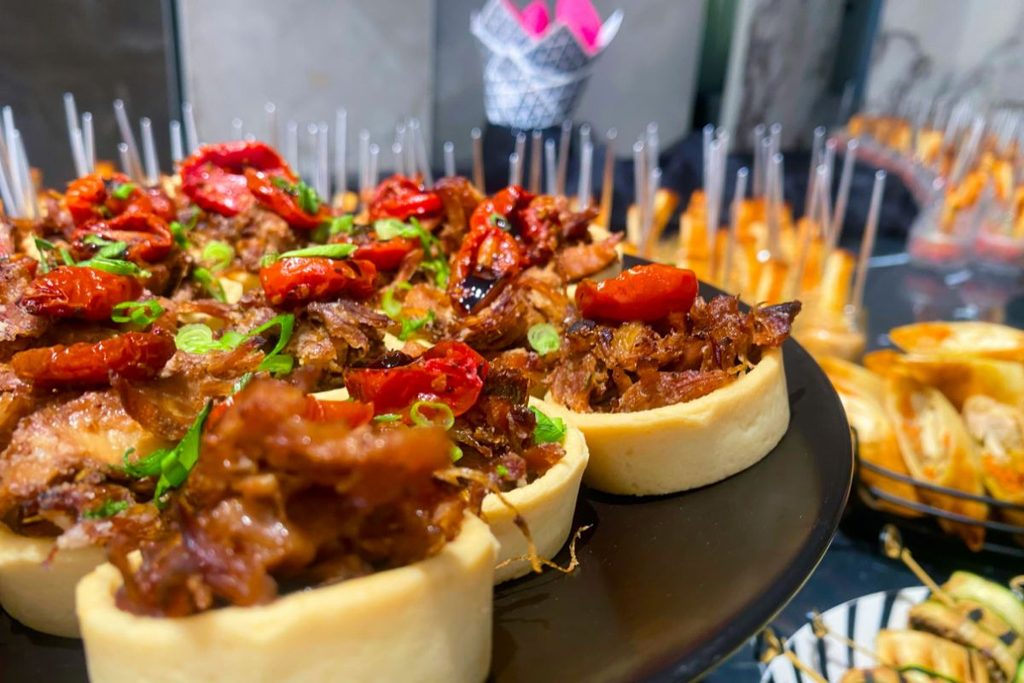
Your menu is the heart and soul of your mobile food business. It’s your main tool for attracting customers and building a loyal following. The key to a successful mobile menu is to find the sweet spot between creativity and practicality. A vast and complex menu might seem appealing, but it can be hard to pull off in a small space and can lead to long waiting times. Instead, focus on a niche concept and perfect it. Whether it’s authentic Neapolitan pizza, gourmet vegan burgers, or handcrafted ice cream, specialisation makes you memorable.
When developing your dishes, consider the limitations of a mobile kitchen. Your menu items should be:
- Quick to prepare: Aim for dishes that can be put together and served in minutes.
- Easy to eat on the go: Think about handheld items like tacos, wraps, or loaded fries.
- Consistent: Every customer should get the same high-quality product.
Staying aware of current menu innovation trends can give you inspiration, but always adapt them to fit your brand. Sourcing local and seasonal ingredients can also be a powerful selling point, adding a story to your food and supporting other local businesses. There are many exciting mobile food ideas that can be adapted for events or daily service food experiences, so take the time to research what works best for your vision and target audience.
Navigating Regulations for Mobile Setups
Once you have a concept and a menu, the next step is to understand the necessary legal and safety requirements. The world of mobile catering is governed by a range of regulations designed to protect both business owners and the public. Getting this right from the start will save you from potential fines and closures later on. The rules can vary depending on your local authority, so your first stop should always be your local council’s website.
Key areas you will need to research and comply with include:
- Business Registration: You must register your business with HMRC, deciding whether to operate as a sole trader, partnership, or limited company. You need to register your food business with your local authority at least 28 days before you start trading. This ensures standards are met for diverse dining scenes. You will also be inspected and given a food hygiene rating, which must be displayed. Staff should have appropriate food safety training.
- Street Trading Licence: To trade in most public places, you will need a licence from the local council. Some areas have restrictions or are prohibited, so check the specific rules for every location you plan to visit.
- Safety Certificates: Your vehicle and any onboard equipment must be safe. This includes getting annual Gas Safety certificates for any LPG appliances and making sure all electrical equipment is PAT tested.
Dealing with this administrative side might seem daunting, but it is a non-negotiable part of running a professional and trustworthy business.
Marketing Your Moving Feast
A fantastic product is only half the battle; you also need to let people know where to find you. For a mobile business, marketing is an ongoing activity that is crucial for attracting customers. Luckily, there are many effective and low-cost ways to create a buzz around your brand. Social media is your most powerful tool. A platform like Instagram is perfect for showcasing mouth-watering photos of your food, while X (formerly Twitter) and Facebook are ideal for posting your daily location and opening times.
Engage with your followers by running polls, asking for menu suggestions, and sharing behind-the-scenes content. This helps build a community around your brand, turning customers into fans. Don’t underestimate the power of in-person marketing, either. Collaborate with local event organisers, breweries, and office parks to secure regular, profitable pitches. A simple, well-designed A-board with your menu can do wonders to attract passers-by.
Finally, consider creating a basic website that tells your story, displays your menu, and features a calendar of your upcoming locations. Collecting customer email addresses for a newsletter is another great way to keep your audience informed about special offers and new menu items. Consistent and creative marketing ensures your moving feast never goes unnoticed.
Starting a mobile food business is an exciting venture that offers freedom, creativity, and the chance to connect directly with your community. By focusing on a unique concept, securing the right protections, and mastering your marketing, you can create unforgettable food experiences that keeps customers coming back for more.
Images courtesy of unsplash.com and pexels.com