The modern workplace has transformed far beyond the sterile cubicles and fluorescent lighting of decades past. Offices today reflect a deeper awareness of how surroundings influence productivity, creativity and overall wellbeing. For many professionals, the office has become a second home, a place where they spend nearly as many waking hours as their actual residences.
What changes an ordinary office into a space that feels welcoming and inspiring? Thoughtful design balances functionality with comfort. From natural light and biophilic elements to collaborative zones and quiet retreats, the most effective workplace respects the diverse needs of their occupants while building a sense of belonging.

The shift towards more homely office environments isn’t just about appearance. Research consistently shows that employees who feel comfortable in their workspace report higher job satisfaction, stronger team connections and greater loyalty to their organisations. As businesses in Manchester reimagine their physical spaces, creating a workplace that feels like home might be one of their smartest investments.
The Psychology Behind Homely Workplaces
Research shows thoughtful workplace design can reduce stress and support mental wellbeing. This happens through factors like natural light, acoustic comfort, and flexibility. Sustainable practices such as maximising daylight are now priorities for employee wellbeing.
These effects connect to ‘place attachment’, where emotional bonds form between people and spaces. Modern office trends show that design engaging multiple senses creates belonging. Employees seek both security and stimulation in their workplaces. The right design choices provide home comforts, making the workplace feel familiar. Working with fit out companies Manchester can help implement strategies that support this attachment.
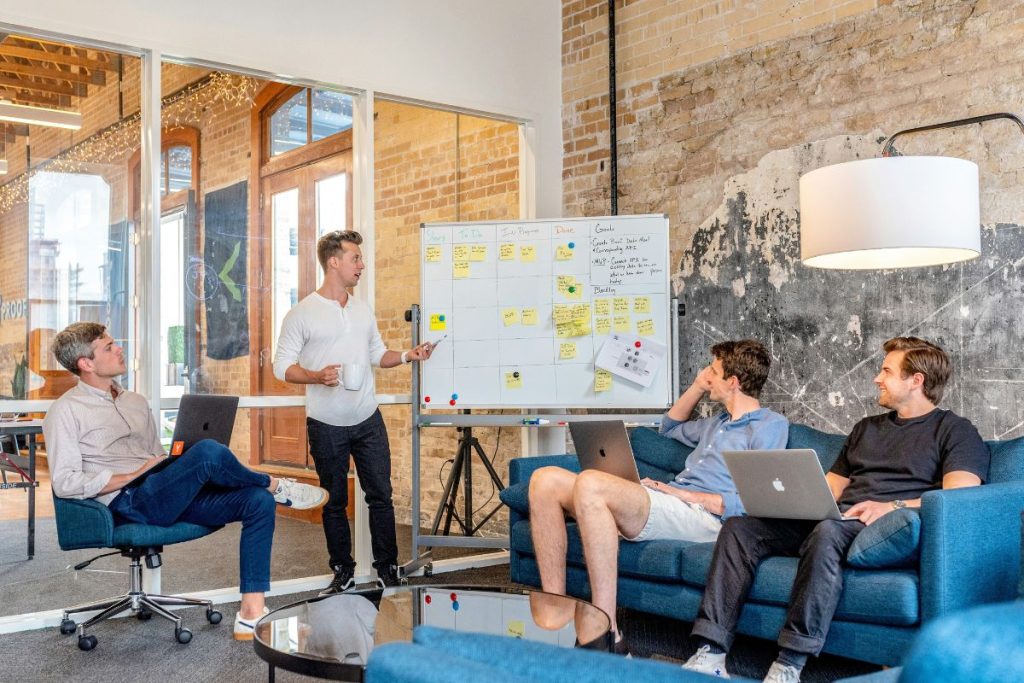
Remote and hybrid work have raised expectations for workplace comfort. Employees now seek amenities that match their home office experiences. This shift has pushed organisations to reconsider traditional office layouts to meet changing needs.
Well-designed workplaces contribute to better focus and satisfaction. Supportive design includes daylight, minimal noise, and comfortable furnishings. These elements impact employee performance and wellbeing. Many organisations see reduced stress levels and better collaboration after making these improvements.
Essential Elements That Make Offices Feel Like Home
Air quality has become one of the leading concerns for productive workplaces nowadays. Not only can good ventilation and air filtration help prevent the spread of illness in the workplace, but working with an AHU manufacturer to improve the airflow in your office could potentially help you see your workforce more alert and energetic. High levels of carbon dioxide and particulate matter in the air can have a direct impact on decision-making abilities, concentration, and even physical performance in more manual labour spaces.
Natural light remains a top factor for comfort and productivity. Maximising access to daylight helps employees maintain better energy and mood. This is especially important during darker UK winter months. Smart devices now optimise environmental comfort and support focus.
Biophilic design brings elements like living walls, plants and natural wood into modern offices. Natural elements improve air quality and mood, supporting productivity and wellbeing. Research shows that greenery and natural materials reduce stress and encourage positive mental health.
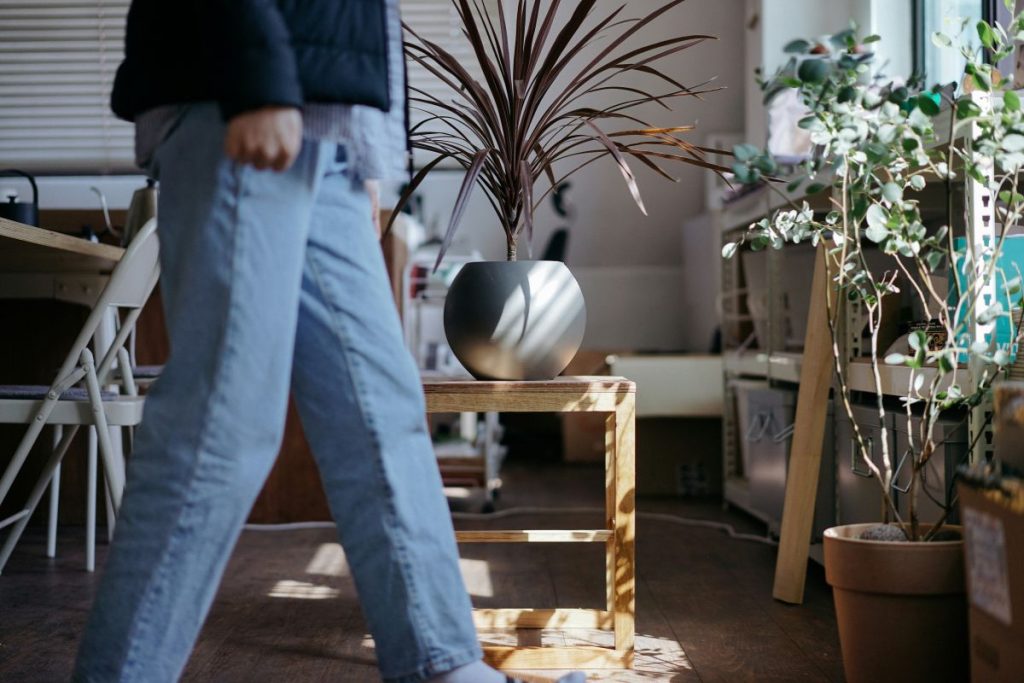
Comfortable breakout areas serve as the ‘living rooms’ of modern workplaces. They drive employee engagement through soft seating and ambient lighting. These spaces create relaxed settings for informal meetings. Manchester companies using these areas report better team interaction. Simple amenities such as a well-equipped kitchen, comfortable seating and a quality coffee machine can also make shared areas feel more welcoming and encourage people to spend time there.
Personalisation opportunities matter to employees. Allowing people to adjust their desks or display personal items encourages ownership. This strengthens satisfaction with the workplace. Unique decor helps create emotional bonds to the space, boosting engagement.
Environmental conditions affect both comfort and concentration. Effective ventilation, balanced heating and cooling, and acoustic control help staff focus. When managed properly, these factors support efficiency and wellbeing. When neglected, they quickly undermine comfort and productivity.
The Balance Between Professional and Comfortable
A welcoming office doesn’t need to feel like a lounge. Professional doesn’t have to mean cold. The best workplaces mix comfort, company style, and clear expectations. This might include private meeting rooms alongside sofa-filled corners for breaks.
What works in one business might not suit another. Law firms often choose smart desks, muted colours, and gentle lighting. Tech companies might use bright walls, beanbags, or group tables that encourage creativity.
Some companies make offices too relaxed, blurring work and downtime boundaries. Staff might struggle to focus or understand expectations. Getting the balance right means creating spaces where people feel at ease but still know they are at work.
Flexible Spaces for Modern Work Patterns
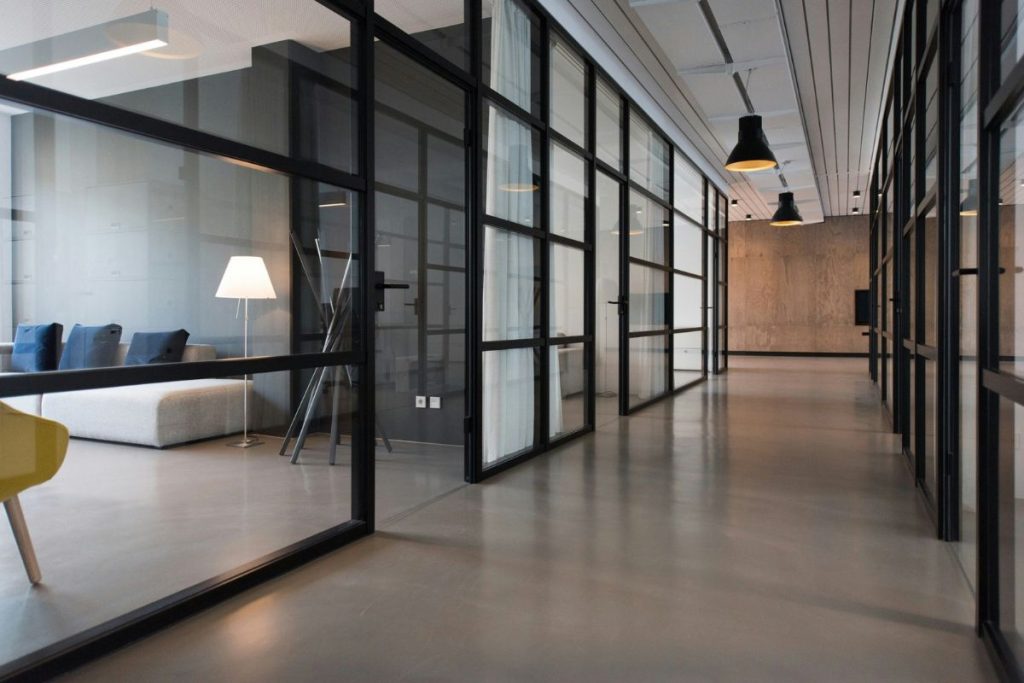
The Office for National Statistics confirms hybrid working is now standard in the UK. Over 24% of workers split time between home and office. This means workplace design must handle changing occupancy levels. Empty desks feel unwelcoming, while crowded spaces limit productivity.
Good planning helps offices adjust as staff presence changes. Modular furniture and adjustable workstations offer adaptability. Teams can scale spaces based on who is present. Modern offices need to support hot-desking and seamless technology integration.
Offices today accommodate various activities. Careful zoning separates quiet areas from open meeting spots. Comfortable meeting rooms support group projects. Soft benches, booths or phone pods help staff concentrate without distraction.
Social zones like kitchens or lounges allow colleagues to reconnect. This setup helps staff move between focused tasks and teamwork throughout the day. Both efficiency and team engagement improve as a result.
Larger workplaces often create ‘neighbourhoods’. Instead of uniform rows, business teams cluster together, building identity and belonging. Shared project spaces nearby let different departments interact naturally.
When Refurbishment Makes More Sense Than Relocation
Many businesses consider moving when their workspace no longer meets needs. However, refurbishment often provides a more cost-effective solution. Relocation typically costs 30-40% more than refurbishment when considering moving expenses and downtime.
Refurbishment offers sustainability advantages. Reusing structures reduces waste and requires fewer new materials. Companies in Manchester seeking green certifications can take practical steps to support their application.
These include using locally sourced, low-emission materials where possible. They also involve energy-efficient lighting and HVAC systems. Proper waste management with recycling during the project is equally important.
Auditors review evidence like energy-saving installations and sustainable procurement documentation. On-site recycling rates also matter. Companies actively share environmental commitments through these green building standards.
Phased refurbishment minimises business disruption. Work can be scheduled in sections, allowing operations to continue. This method maintains productivity while transforming the space gradually.
Several Manchester businesses have updated outdated offices through strategic refurbishment. These projects typically deliver renewed workspaces at 60-70% of relocation costs. They also maintain location advantages and business continuity.
Measuring the Impact of Homely Workplaces
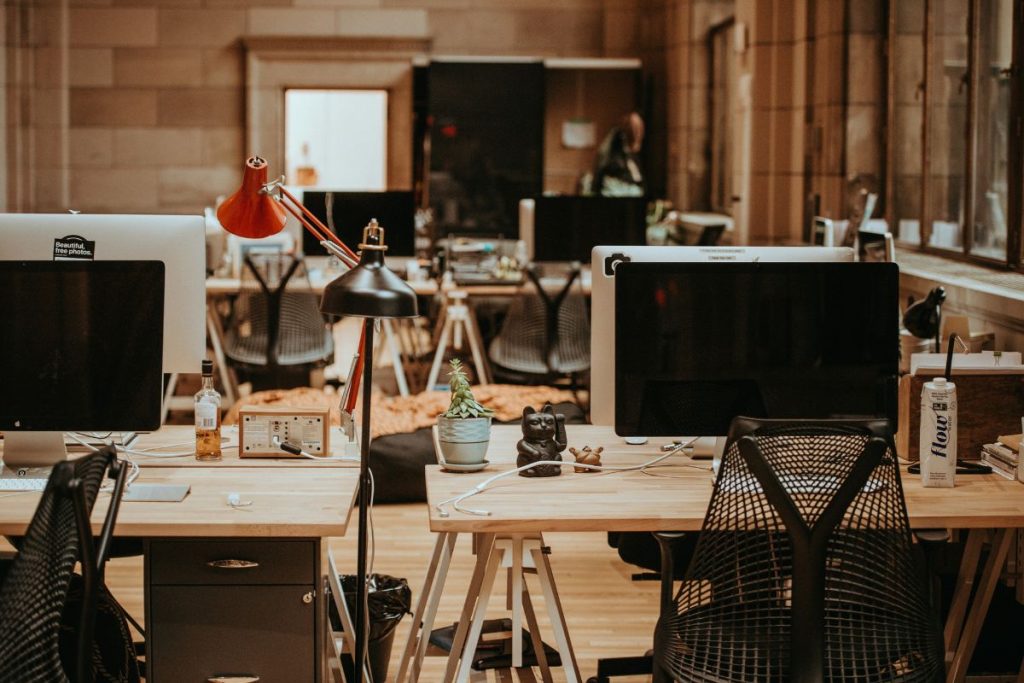
Key performance indicators for workplace satisfaction include regular surveys. These measure comfort, functionality, and employee attachment to the space. Many organisations conduct quarterly surveys to identify improvements and review design efforts.
Evidence shows well-designed offices contribute to higher job satisfaction and employee retention. While companies measure turnover differently, positive work environments often reduce employee churn.
Productivity measurement remains central. Better workplace conditions support greater focus and efficiency. Access to daylight, improved acoustics, and supportive furnishings make a difference. Biophilic design elements link to increased productivity and wellbeing.
Wellbeing assessments monitor staff comfort, stress levels, and sense of belonging. These evaluations enable rapid response to challenges. They allow adjustments to layout, amenities, or environmental controls.
When calculating return on investment, businesses consider both observable and less tangible benefits. Improved mood and team cohesion support creativity and brand reputation, alongside performance gains.
Many organisations see payback on workplace investment within a few years. Each improvement cycle can be tracked against survey data, productivity benchmarks, and retention metrics to ensure progress.
Creating a workplace that feels like home depends on psychology and practical business needs. When organisations invest in comfortable, flexible environments that support different work styles, they build employee satisfaction and engagement.
When these upgrades are applied, organisations often see growing employee satisfaction. Better design choices influence staff retention, teamwork and creativity as confirmed through workplace surveys and performance reviews.
Images courtesy of unsplash.com, pexels.com and Canva.com