Artificial intelligence has changed the way people create, share, and consume visual content. With a few prompts, anyone can generate images in seconds. Yet this shift may also be making original artworks more meaningful, not less. As digital images become easier to produce, the value of human-made, physical, and one-of-a-kind pieces could become even more attractive to collectors.
Original artworks is not a guaranteed financial return, and it should never be treated as a risk-free asset. However, for buyers who choose carefully, collect with patience, and protect their pieces properly, original artwork can offer cultural, emotional, and potentially financial value over time.
Why Original Art Matters More in the AI Era
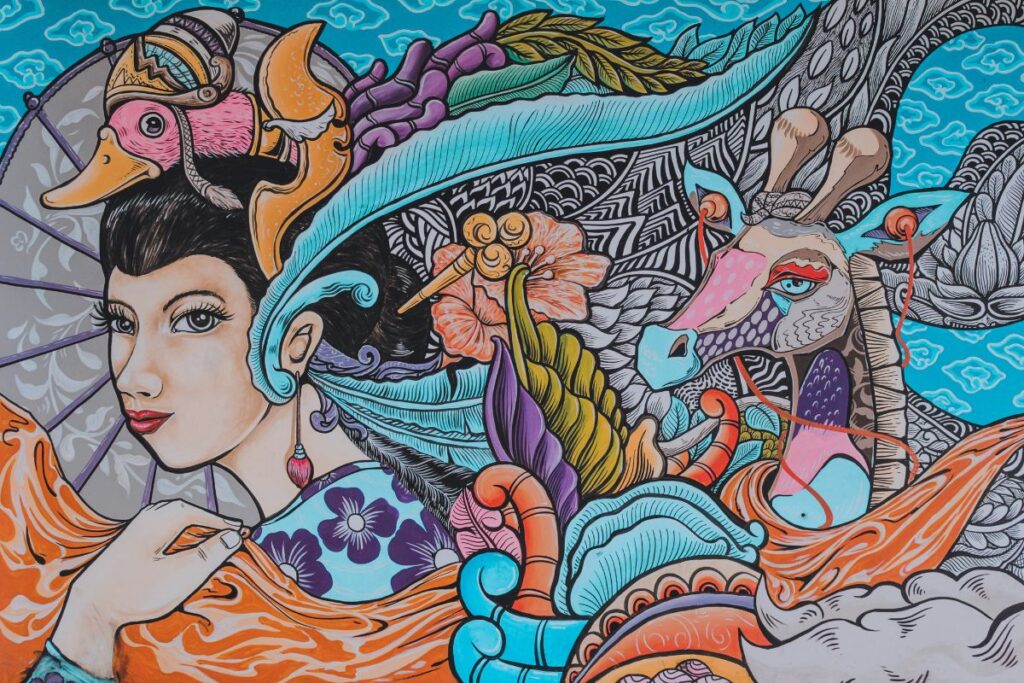
AI-generated images can be impressive, but they often lack the story, scarcity, provenance, and physical presence that collectors look for. An original painting, drawing, or mixed-media piece carries the artist’s hand, decisions, materials, technique, and creative journey.
Recent art market commentary has highlighted provenance, transparency, authentication, and long-term value as increasingly important themes for collectors in 2026. It has also suggested that AI may strengthen interest in verified human-made works by making authenticity more valuable.
For buyers looking to explore original artwork, local specialists such as Lorimer Art Gallery & Bespoke Framing can help connect people with pieces that suit their taste, space, and collecting goals.
How Original Artworks Can Become an Investment
1. Scarcity Creates Long-Term Appeal
One of the strongest arguments for original artwork is scarcity. A digital image can be copied endlessly, but an original artwork is usually unique. Even limited-edition prints have controlled numbers, while a one-off painting or drawing exists as a singular object.
Scarcity does not automatically guarantee value, but it can support demand when combined with quality, artist reputation, provenance, and collector interest. In an AI-driven world where visual content is abundant, uniqueness may become more desirable.
2. Provenance Helps Protect Value
Provenance is the documented history of an artwork. It may include the artist, gallery records, purchase receipts, exhibition history, certificates of authenticity, and previous ownership details.
Good provenance gives future buyers confidence. It helps prove that the artwork is genuine and provides context around its history. As AI tools become more advanced, documentation and authentication are likely to matter even more. AI is also being used in the art market to support provenance research, object identification, and collection management, although expert judgement remains essential.
Collectors should keep:
- Purchase receipts
- Artist information
- Certificates of authenticity
- Gallery correspondence
- Framing and conservation records
- Exhibition or catalogue references
These details can make a piece easier to value, insure, and resell.
3. Emerging Artists Can Offer Accessible Entry Points
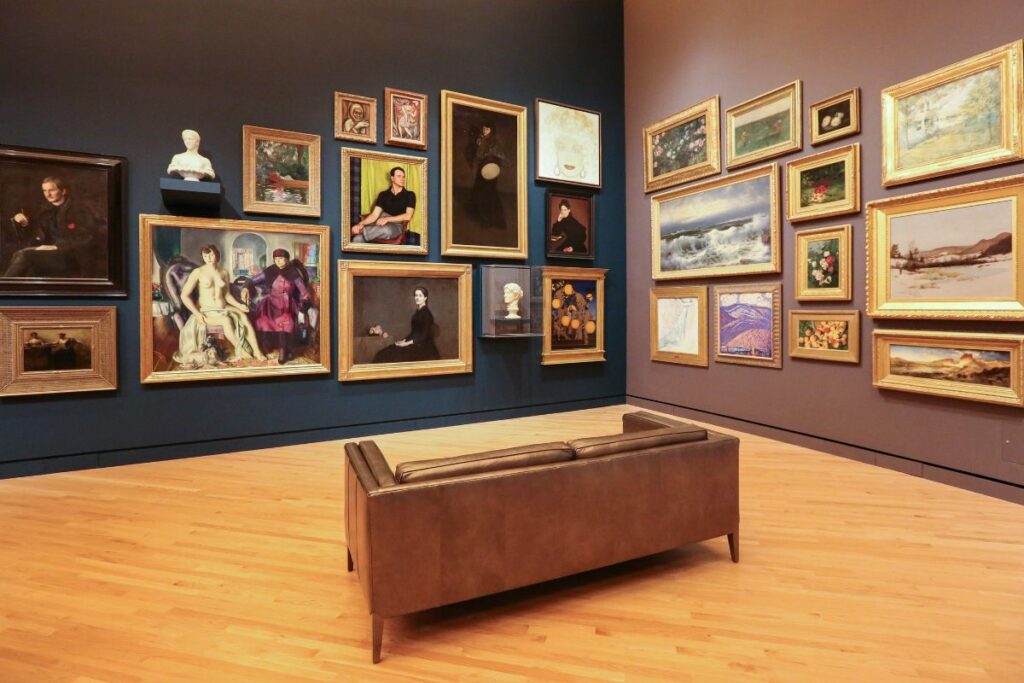
Not every art investment begins with famous names or major auction houses. Many collectors start by buying work from emerging or regional artists. This can be a more accessible way to build a meaningful collection while supporting living artists.
The key is to buy thoughtfully. Look at the artist’s consistency, exhibition history, style development, training, public profile, and whether their work feels distinctive. A piece should also be something you genuinely want to live with, because art markets can move slowly and unpredictably.
Buying original art should be guided by both passion and research.
4. Physical Presentation Can Influence Perceived Value
How an artwork is presented can affect how it is experienced and protected. Poor framing, low-quality mounts, unsuitable glass, or exposure to light and moisture can damage a piece over time.
Bespoke framing can help preserve artwork while enhancing its visual impact. The right frame, mount, and glazing can make a piece feel more refined, suitable for its environment, and better protected for the future.
For works on paper, conservation-quality materials are especially important. Acid-free mounts, UV-protective glazing, and careful handling can help reduce fading, staining, and deterioration.
5. Art Offers Value Beyond Price
Original art can be an investment in atmosphere, identity, wellbeing, and personal enjoyment. A carefully chosen piece can transform a home, start conversations, reflect personal taste, and become part of a family story.
This matters because art is not as liquid as stocks or savings. It may take time to sell, and prices can fluctuate. The most rewarding collectors often buy pieces they love first, then consider long-term value as an additional benefit.
What to Consider Before Buying Original Art
Research the Artist and Medium
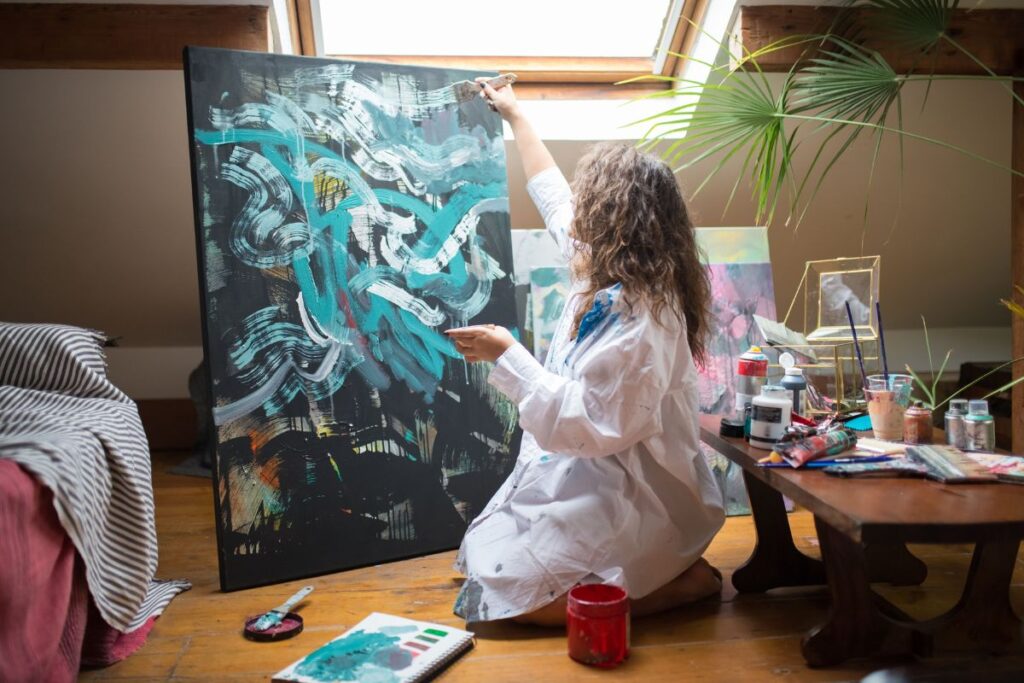
Understand who created the work, what materials were used, and how the piece fits into the artist’s wider practice. Oils, acrylics, watercolours, drawings, ceramics, and mixed-media works all have different care requirements.
Set a Sensible Budget
Decide what you are comfortable spending and avoid stretching beyond your means. Remember to factor in framing, insurance, delivery, and future conservation if needed.
Ask About Care and Display
Where you hang artwork matters. Avoid direct sunlight, damp areas, and places with extreme temperature changes. Good care helps protect both appearance and value.
FAQ
Is original art a good investment?
Original art can be a rewarding long-term purchase, but it is not guaranteed to increase in value. Buyers should consider quality, provenance, artist reputation, condition, and personal enjoyment.
Why might AI make original artwork more valuable?
As AI-generated images become more common, verified human-made artworks may stand out because of their scarcity, authenticity, physical presence, and connection to the artist.
What is provenance in art?
Provenance is the documented history of an artwork, including details such as the artist, purchase records, certificates, exhibitions, and ownership history.
Should I buy art from emerging artists?
Buying from emerging artists can be a good way to start collecting at a more accessible price point. It also allows buyers to support living artists and build a collection with personal meaning.
Does framing affect the value of artwork?
Good framing can help protect artwork and improve presentation. Poor framing may damage a piece over time, especially if unsuitable materials are used.
Conclusion
In a world where AI can generate images instantly, original artworks may become even more meaningful. Their value lies in scarcity, human creativity, provenance, presentation, and the emotional connection they create. While art should be bought with care rather than speculation alone, a well-chosen and properly preserved original piece can be a lasting investment in beauty, culture, and personal identity.
Images courtesy of unsplash.com and pexels.com