In construction, a near miss is more than a lucky escape. It is a warning sign that something in a process, site layout, behaviour, system, or control measure needs attention. While no one may have been injured, the conditions that caused the near miss could lead to a serious accident if they are ignored.
For construction businesses, near misses offer valuable opportunities to improve safety, reduce risk, and strengthen site culture. When handled properly, they help teams learn before harm occurs, rather than after an incident has already caused injury, delay, cost, or reputational damage.
Why Near Misses Matter in Construction
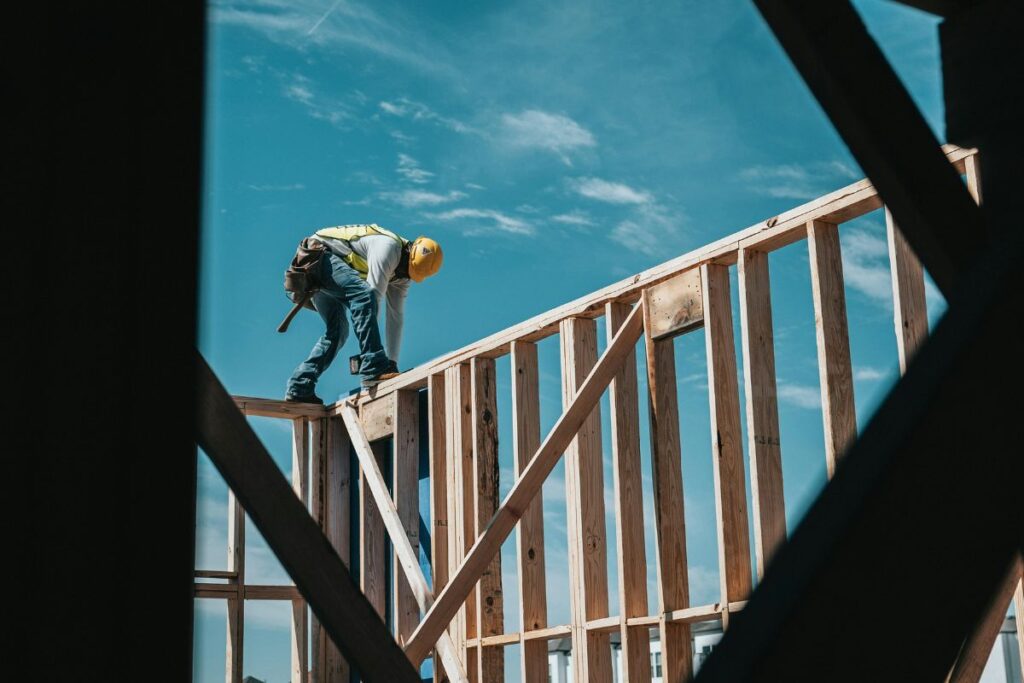
Construction sites are dynamic environments where people, plant, materials, subcontractors, and changing weather conditions all interact. This makes risk management essential. A dropped tool, unstable access route, reversing vehicle, unsecured load, or missing guardrail may not cause injury every time, but each example reveals a weakness that needs to be addressed.
Businesses that take near misses seriously can build safer working environments and stronger operational discipline. Working with experienced training providers such as Pragmatic Consulting can help construction and utilities businesses improve workforce skills, strengthen safety awareness, and support better practices on site.
5 Lessons Construction Businesses Can Learn from Near Misses
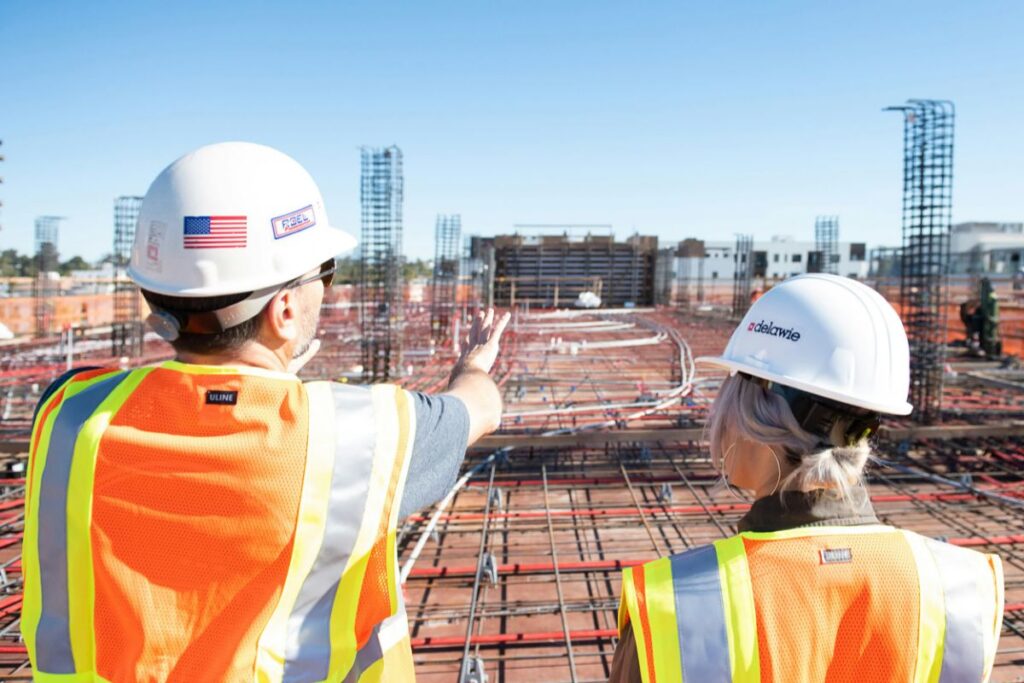
1. Small Warning Signs Can Reveal Bigger Problems
A near miss may seem minor at first, but it often points to a deeper issue. For example, if a worker almost trips over trailing cables, the real problem may not be the cable itself. It may be poor housekeeping, weak supervision, rushed work, unclear responsibilities, or a lack of suitable cable management.
Construction businesses should look beyond the immediate event and ask what allowed the hazard to exist. This helps prevent the same risk from appearing again in a slightly different form.
Common underlying causes may include:
- Poor site organisation
- Inadequate training
- Missing risk assessments
- Weak communication
- Lack of supervision
- Time pressure
- Incomplete maintenance checks
The value of a near miss comes from understanding the system behind it, not simply recording that it happened.
2. Reporting Culture Matters More Than Blame
Near misses are often underreported because workers fear blame, discipline, embarrassment, or extra paperwork. This is a major problem because unreported near misses leave hazards hidden.
A strong construction business should encourage people to report near misses openly. The message must be clear: reporting is not about getting someone into trouble. It is about preventing injury and improving the site for everyone. This is especially important when teams work around large equipment for construction, where identifying hazards early can help prevent serious incidents and improve overall jobsite safety.
Managers and supervisors can support better reporting by:
- Thanking workers who raise concerns
- Acting quickly on reported hazards
- Keeping forms simple and accessible
- Sharing what changed after a report
- Avoiding blame-focused investigations
- Leading by example on site
When workers see that reports lead to real improvements, they are more likely to speak up in future.
3. Near Misses Improve Risk Assessments and Method Statements
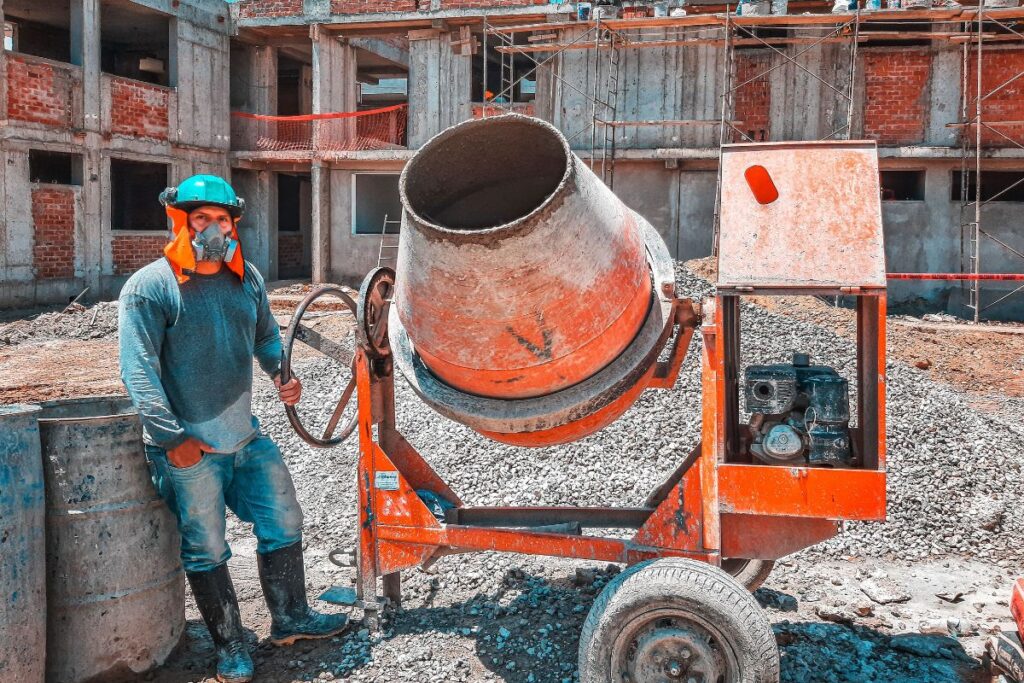
Risk assessments and method statements should not be static documents filed away after induction. They should reflect the reality of the site and be updated when conditions change.
Near misses provide practical evidence that a risk assessment may need reviewing. If a lifting operation nearly causes an incident, the lift plan, exclusion zone, communication method, or plant route may need to be improved. If workers nearly fall from height, access arrangements or edge protection may require urgent attention.
Near miss learning can improve:
- RAMS reviews
- Toolbox talks
- Site inductions
- Permit-to-work systems
- Traffic management plans
- Temporary works controls
- Emergency procedures
By feeding near miss findings back into safety documents, construction businesses make their controls more practical and relevant.
4. Communication Can Prevent Repeated Incidents
A near miss should not stay between the person who reported it and the safety manager. If the lesson is useful, it should be shared with the wider team quickly and clearly.
For example, if a subcontractor nearly strikes an underground service, other teams need to know before similar work continues. If materials fall from a poorly stacked area, everyone involved in deliveries, storage, and access routes should understand the issue.
Good communication may include:
- Short toolbox talks
- Safety alerts
- Supervisor briefings
- Noticeboard updates
- Photos of hazards and corrected controls
- Lessons learned meetings
The aim is not to overload workers with information. It is to make the lesson simple, timely, and relevant to the work being carried out.
5. Leadership Sets the Standard for Site Safety
Near miss management depends heavily on leadership. If directors, project managers, and supervisors treat near misses as paperwork, workers will do the same. If leaders treat them as valuable learning opportunities, safety culture improves.
Construction leaders should ask:
- Are near misses reviewed promptly?
- Do workers feel safe reporting concerns?
- Are corrective actions completed?
- Are repeat issues being tracked?
- Do supervisors have time to manage safety properly?
- Are lessons shared across projects?
A serious approach to near misses shows that safety is not just a legal obligation. It is part of professional project delivery, workforce protection, and business resilience.
How to Turn Near Misses into Action
Record the Details Clearly
A useful near miss report should include what happened, where it happened, who was involved, what conditions were present, and what could have happened if circumstances had been slightly different.
Identify the Root Cause
Do not stop at the visible hazard. Ask why it happened and whether the same weakness could affect other parts of the project.
Assign Corrective Actions
Every serious near miss should lead to clear actions, named responsibilities, and completion dates. Without follow-through, reporting loses credibility.
Review Trends Over Time
One near miss may seem isolated. Several similar reports may reveal a pattern. Tracking trends helps businesses focus attention where the risk is greatest.
FAQ
What is a near miss in construction?
A near miss is an unplanned event that could have caused injury, damage, or loss but did not. It is often a warning that existing controls need to be improved.
Why should construction businesses report near misses?
Reporting near misses helps identify hazards before they cause harm. It also supports better risk assessments, safer working practices, and stronger site communication.
How can companies encourage near miss reporting?
Companies can encourage reporting by avoiding blame, keeping the process simple, acting on reports quickly, and showing workers how their feedback leads to improvements.
Should near misses be investigated?
Yes. Serious or repeated near misses should be investigated to understand the root cause and prevent future incidents.
How do near misses improve health and safety performance?
Near misses provide real-world learning. They help businesses spot weaknesses, improve controls, update procedures, and prevent accidents before someone gets hurt.
Conclusion
Near misses should never be dismissed as harmless events. In construction, they are valuable signals that reveal where safety systems, behaviours, or controls need improvement. By learning from near misses, businesses can strengthen reporting culture, improve risk assessments, communicate lessons clearly, and show real leadership on site. The result is a safer, more organised, and more resilient construction business.
Images courtesy of unsplash.com and pexels.com