Pressure reveals character. That truth fits the event work ethic perfectly. Fast-moving events tempt weak teams into noise, panic, and frantic busyness that achieves little. Strong teams do the opposite. They slow reactions without slowing output. That distinction matters. Crowds shift, suppliers miss slots, weather turns rude, speakers run late, and technology misbehaves. None of this shocks seasoned crews because speed isn’t the enemy. Disorder is.
The best event teams know calm isn’t softness. It’s control under strain, sharpened by preparation and discipline.
Calm Starts Early
The public sees the polished surface. The real story starts earlier, in schedules, call sheets, contingency notes, radio plans, and clear chains of command. Great teams don’t worship spontaneity. They respect it, then cage it with structure. That is why the event staffing solutions you choose matter when the pace shifts from manageable to absurd. A rushed team without role clarity becomes a flock of pigeons. A prepared team becomes a machine, with human judgement at its centre. Everyone knows who handles guests, technical faults, the client, and security friction. Good planning refuses to give confusion a vacuum.
Noise Is not Leadership
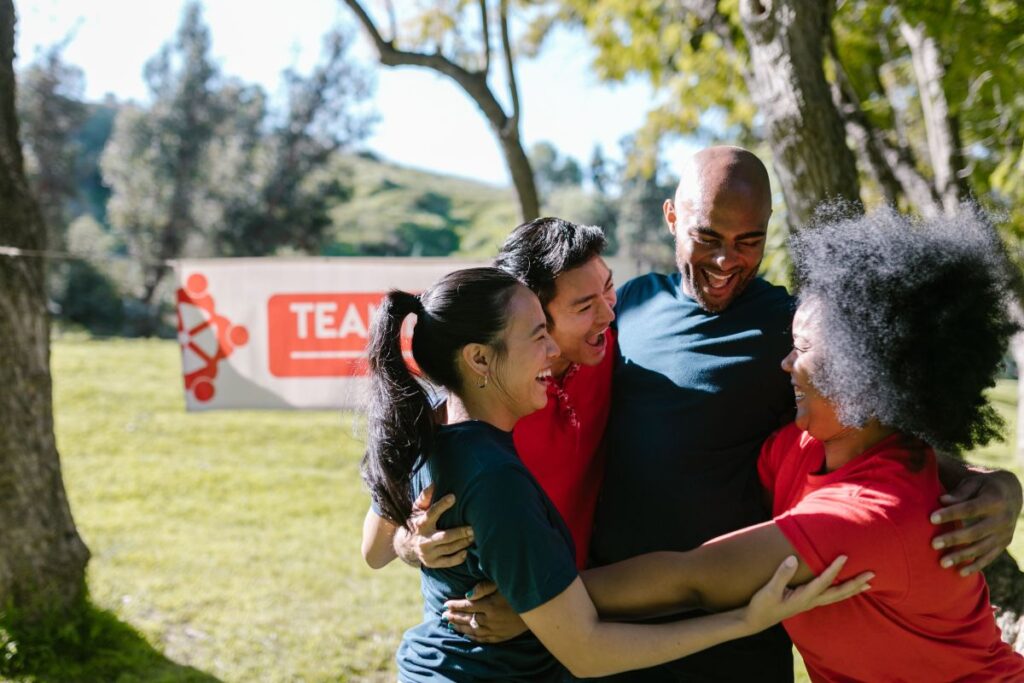
Some managers mistake volume for authority. A silly error. When timings compress, and five problems arrive at once, the room doesn’t need a theatre. It needs a mind that can rank threats in the right order. Great event leaders trim panic at the root. They speak plainly and issue short instructions. They don’t put themselves out to prove they care. That habit poisons teams fast. Staff copy the emotional weather around them. If the lead storms about, everyone tightens, errors multiply, and small issues swell into disasters. Calm leadership creates mental space. People think better inside it.
Routine Defeats Chaos
Excellent event operations have a disciplined streak. Repetition builds freedom. Check-in routines, briefing rituals, kit checks, escalation rules, fallback timings, and transport confirmations all build trust. Boring? Of course. Essential? Completely. Outsiders imagine glamour, lights, VIPs, and applause. Rubbish. Reliability comes from habits repeated until they feel dull. Dull systems rescue exciting moments. That is the secret. When everything accelerates, people don’t perform as well as management books claim. They fall back on their training. A team with good routines absorbs shocks because the basics keep running while attention shifts to the problem at hand.
Trust Moves Faster
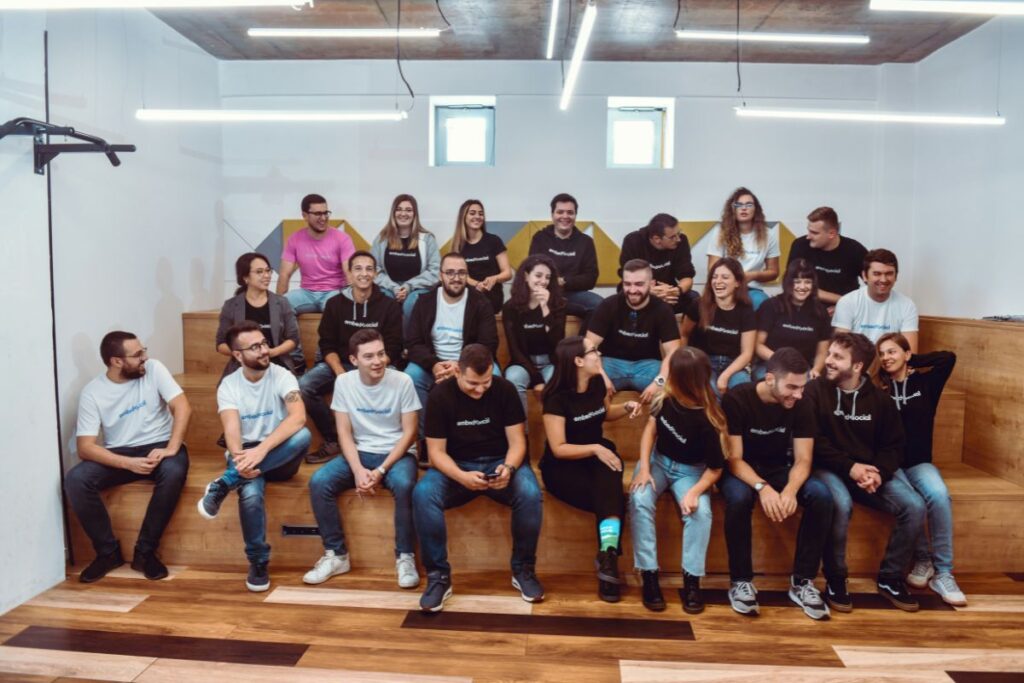
A team stays composed at speed only if its members trust one another’s competence. Trust, not friendship. That distinction matters. Warmth helps, yet affection without reliability is useless when a queue doubles, a courier vanishes, and a speaker demands a rewrite of the running order minutes before stage call. High-performing crews don’t waste time wondering whether a colleague can cope. They already know. That knowledge comes from standards, feedback, and blunt conversations that weaker workplaces avoid. Friction in training prevents collapse in public. Event teams need that seriousness if they expect grace under pressure.
Conclusion
What separates the best event teams from the merely busy isn’t superhuman composure or mystical talent for thriving on adrenaline. It’s a method. It’s preparation strong enough to survive disruption, leadership firm enough to quiet the room, routine solid enough to carry the basics, and trust deep enough to cut hesitation. Speed exposes every weakness with cruel honesty. That should cheer competent organisers, not frighten them. It means calm can be built, trained, measured, and expected. When the pace becomes savage, and the team still thinks clearly, real excellence is already on display.
Images courtesy of unsplash.com and pexels.com