County Durham is one of our favourite places to visit. There is so much to see and do, no matter what your age or interests, we guarantee one visit will not be enough.
Previously, we introduced you to the amazing Aukland Project, here, in one historic town, you experience two thousand years of local history. However, there is so much more to see in County Durham, it’s a place where you take your time, and truly soak it all in.
The magic began at the Auckland Project, from there, we moved on to Raby Castle and the Bowes Museum. Now we do love a castle and there are quite a few in the Northeast, however, this one is very different and rather special. Here’s why…
Raby Castle
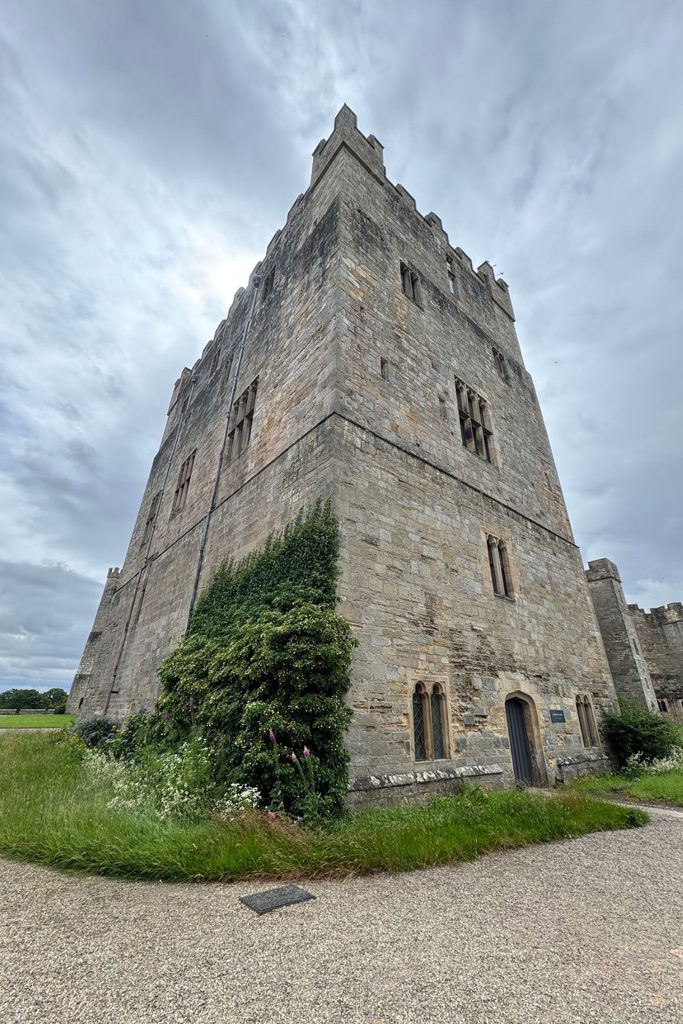
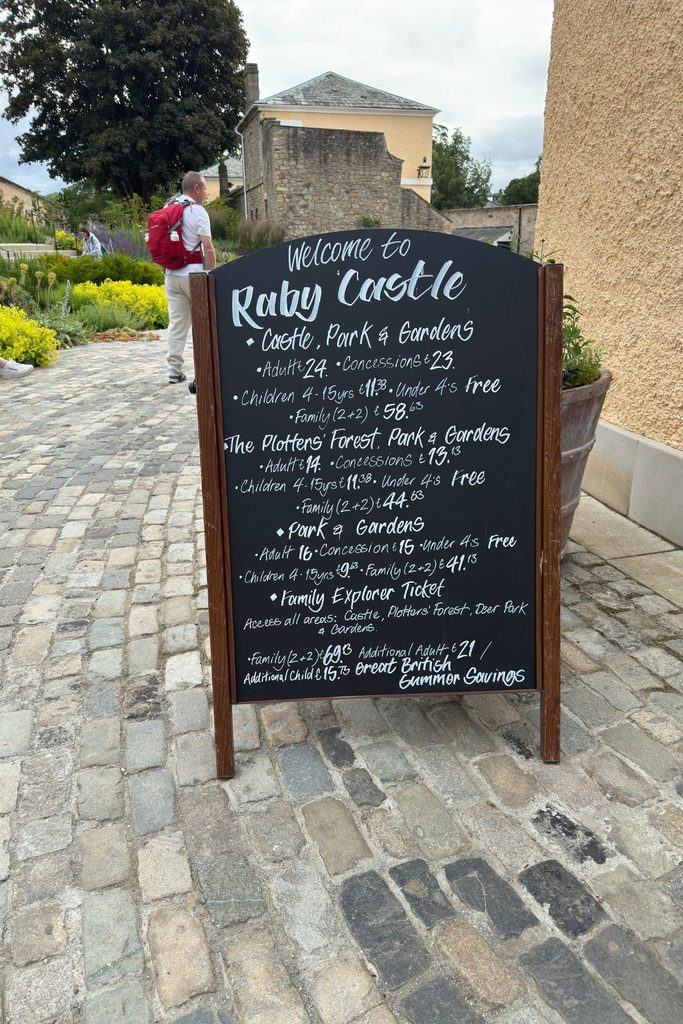
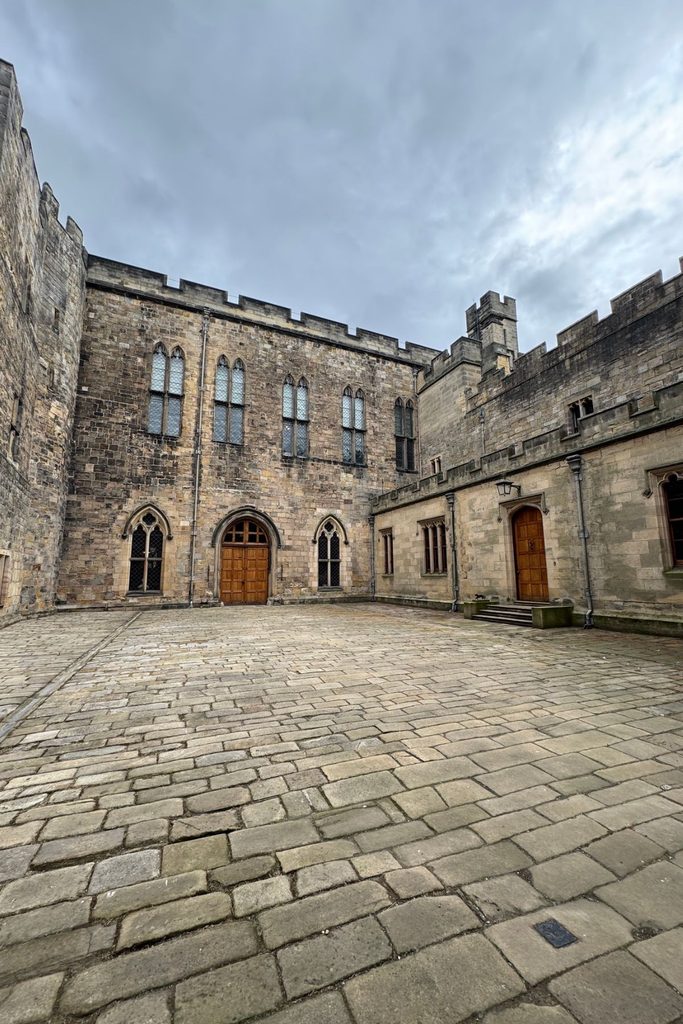
Raby is without doubt one of the most impressive intact castles in the North of England. Built in the 14th century by the powerful Neville family, it has a long history. Home to Cecily Neville, mother of two kings of England, it was also the scene of the plotting of the Rising of the North and a Parliamentary stronghold during the Civil War.
Much of the exterior with medieval towers, terrace and embattled walls date back to the 14th century, while the interior represents centuries of developments by the Vane family, from the Georgian period, to Victorian, to the present day.
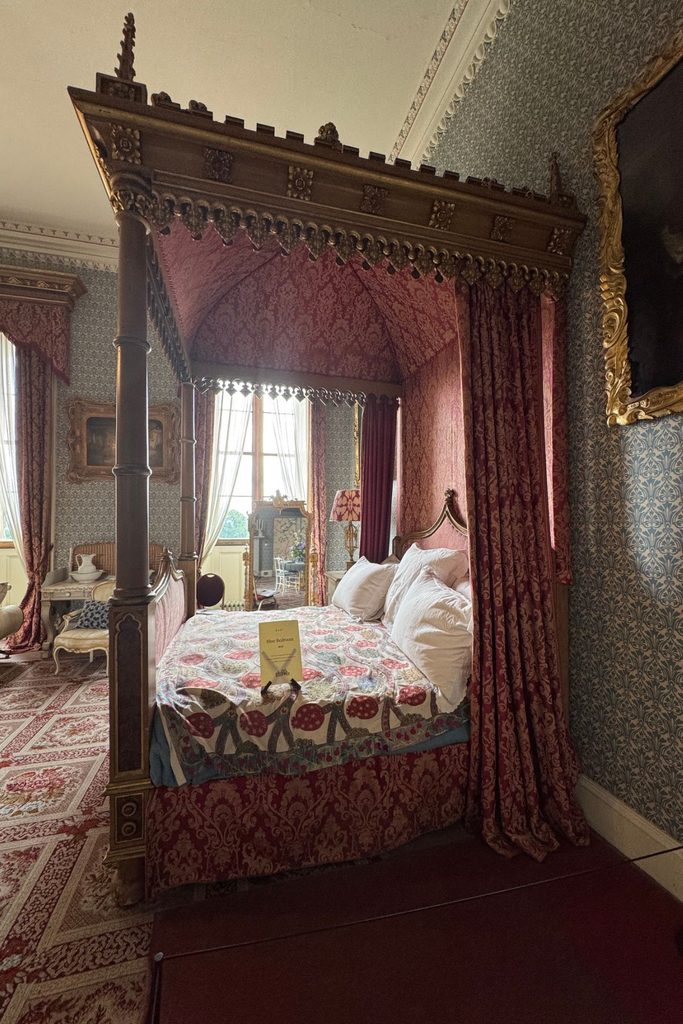
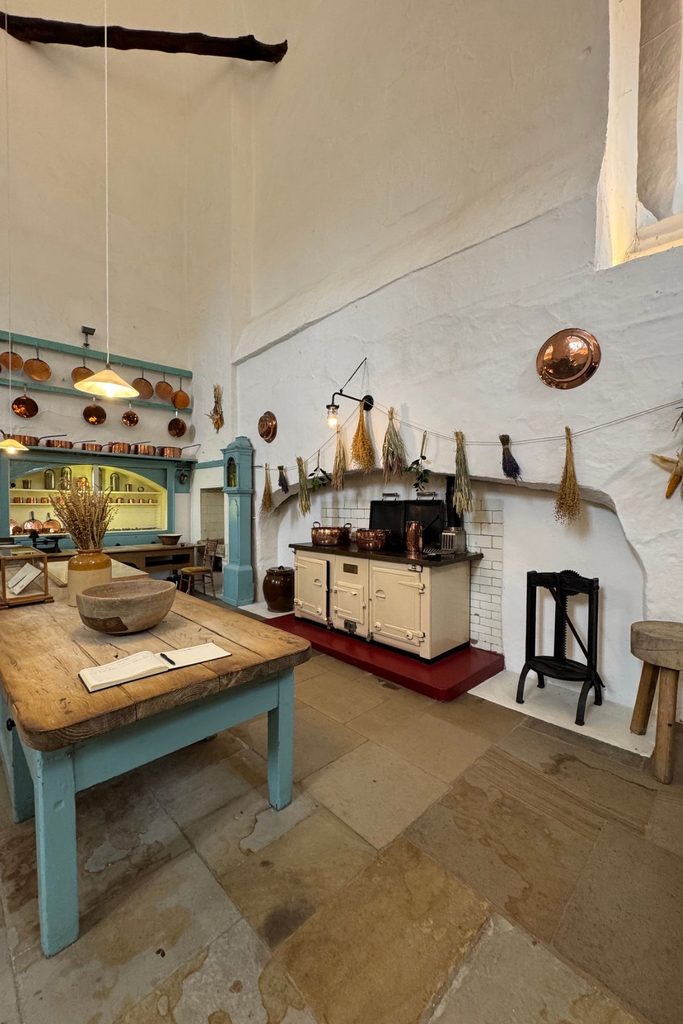
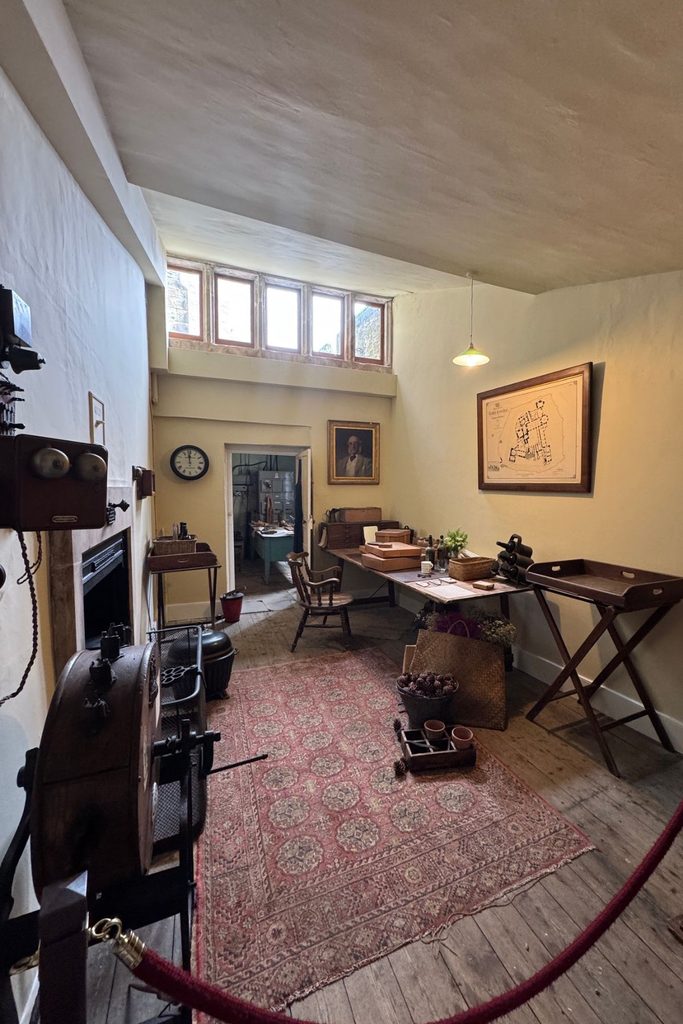
There is room after room of perfectly preserved furniture and period settings, with experts on hand to guide you through each era, with tales of the families who lived there. It is a fascinating journey through time, experiencing how they lived, worked, even what they ate.
Make sure you allow yourself enough time for this visit as in addition to this wonderful castle, there is a park and gardens with beautiful floral displays, a newly remodelled walled garden, a deer park, a hidden garden with an immersive experience, and the Plotters’ Forest Adventure Playground.
Yes, you will need a full day for Raby Castle, to be able to give the attention and appreciation it deserves.
No need to think about where to eat during your visit, you will be spoilt for choice. The Vinery, The Garage and The Plotters’ Pantry, once home to thriving grapevines, are historic buildings steeped in heritage. Today, honouring this legacy by carefully crafting delicious food with care and dedication, in collaboration with the estate’s skilled gardeners.
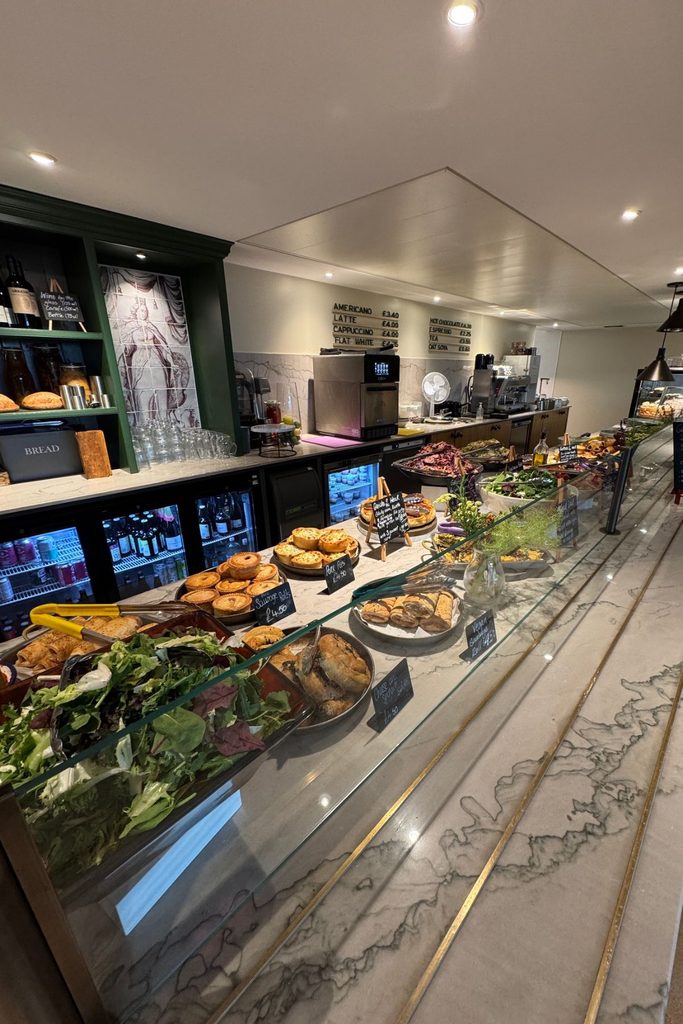
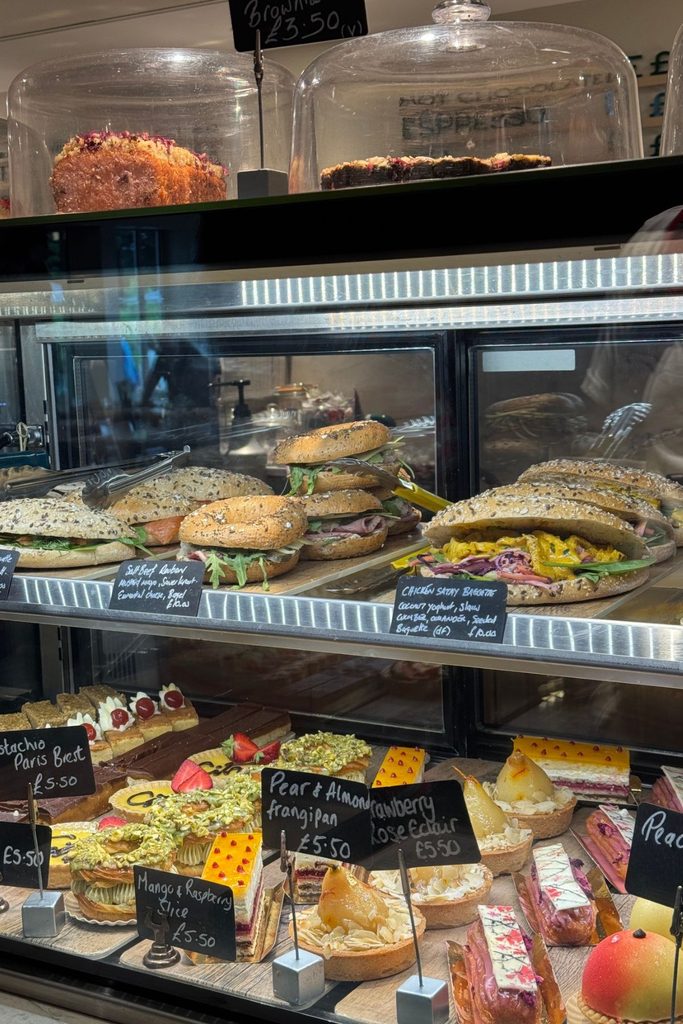
Whether you’re stopping for a leisurely lunch, warming up with a hot drink, or indulging in a decadent afternoon tea, everything is crafted with care.
Chefs work closely with Raby’s own gardeners and local producers to showcase the best of each season, from garden-fresh ingredients to homemade bakes, comforting classics, and imaginative dishes.
With such a choice of unique venues across the estate, Raby offers something for every appetite, and there’s no fear of going hungry!
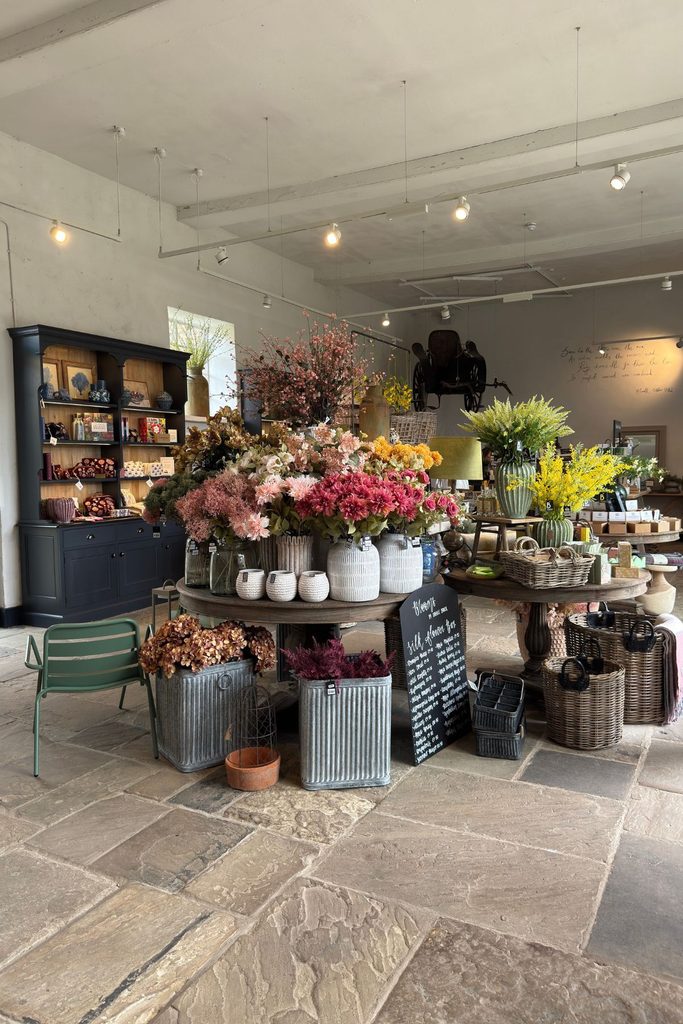
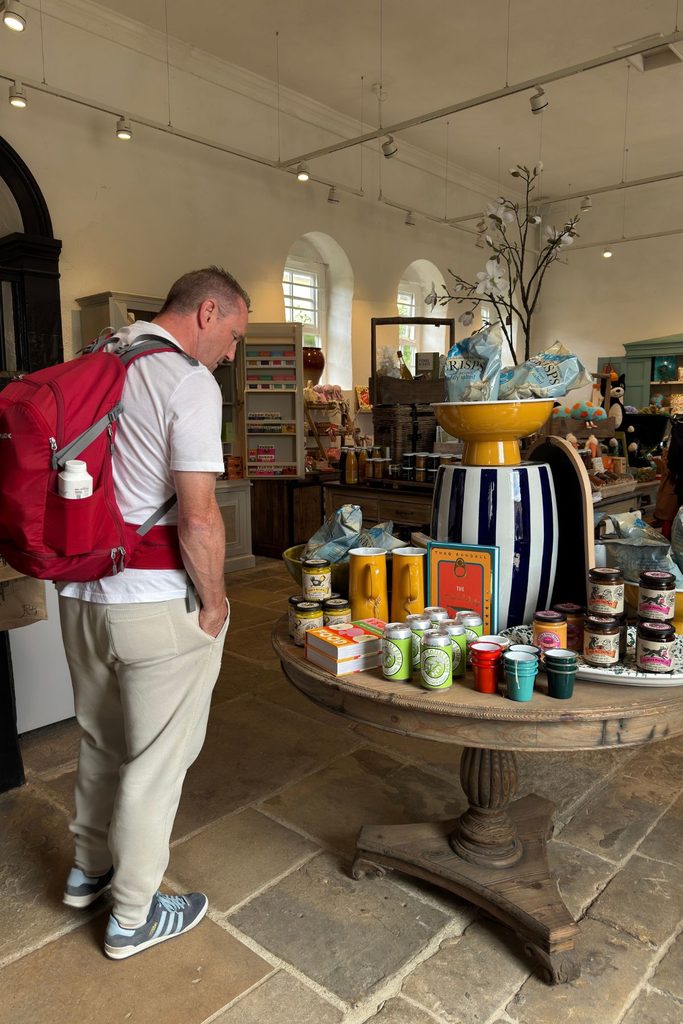
If you are in the mood for a little retail therapy, you will love popping into The Coach House. I know what you’re thinking; “retail therapy at an historic castle?”.
Well actually, yes. In this beautiful retail space, you will find a stunning curated selection of homeware, gifts, furniture and fashion, alongside reclaimed pieces from across the estate, and collaborations with some of the most sought-after brands in the country.
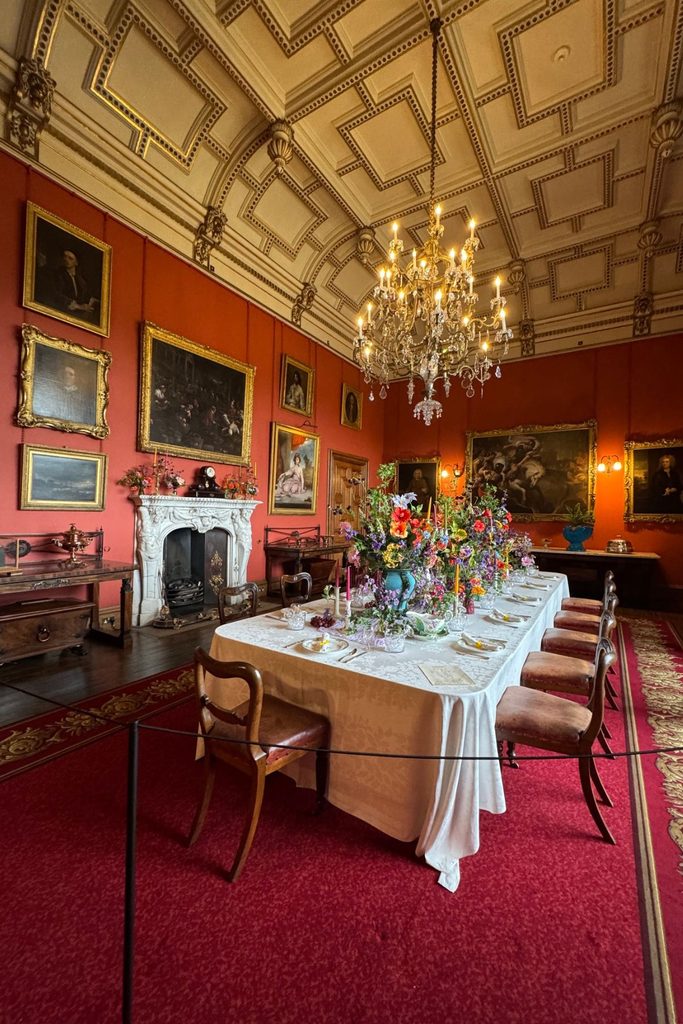
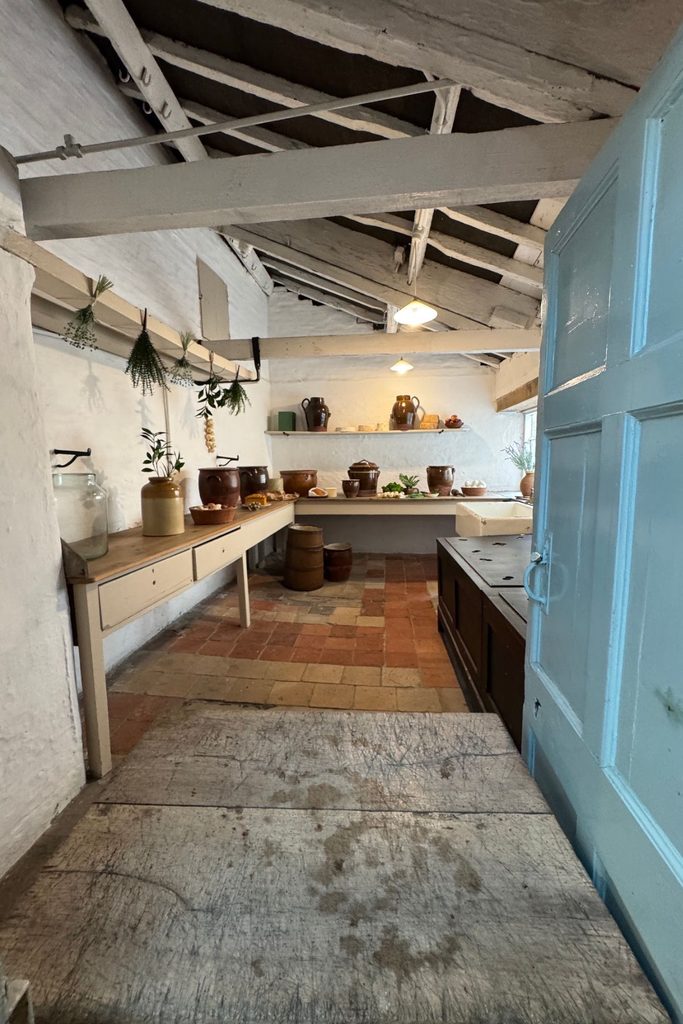
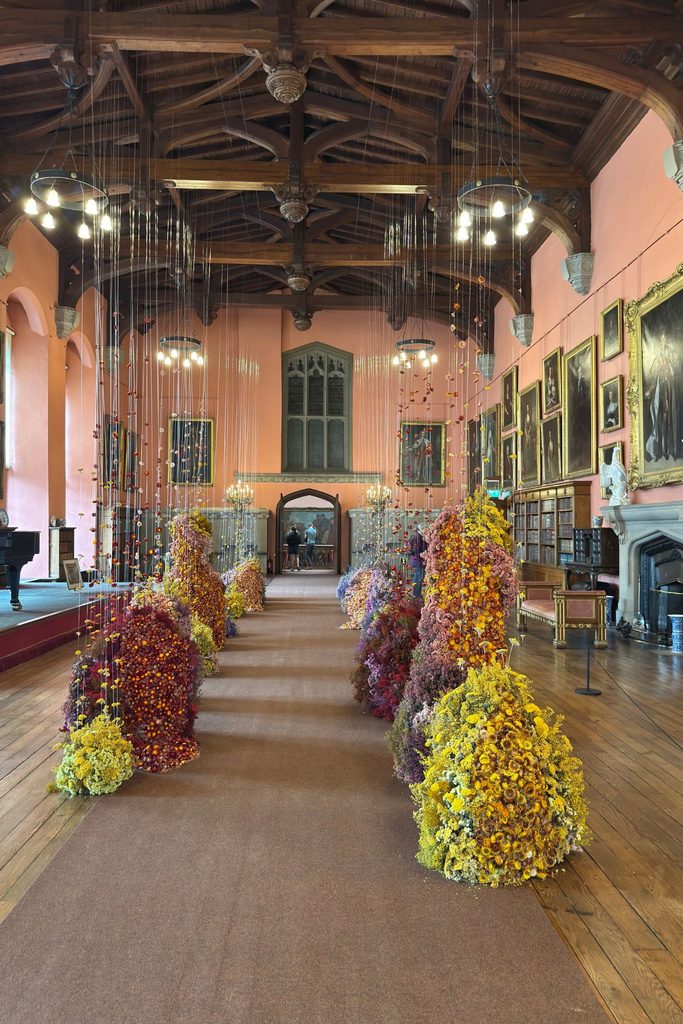
We consider this to be a stand-out attraction in County Durham, and one you must include in your next visit.
All in all, a trip to Raby Castle will be one you will remember for a very long time.
The Bowes Museum
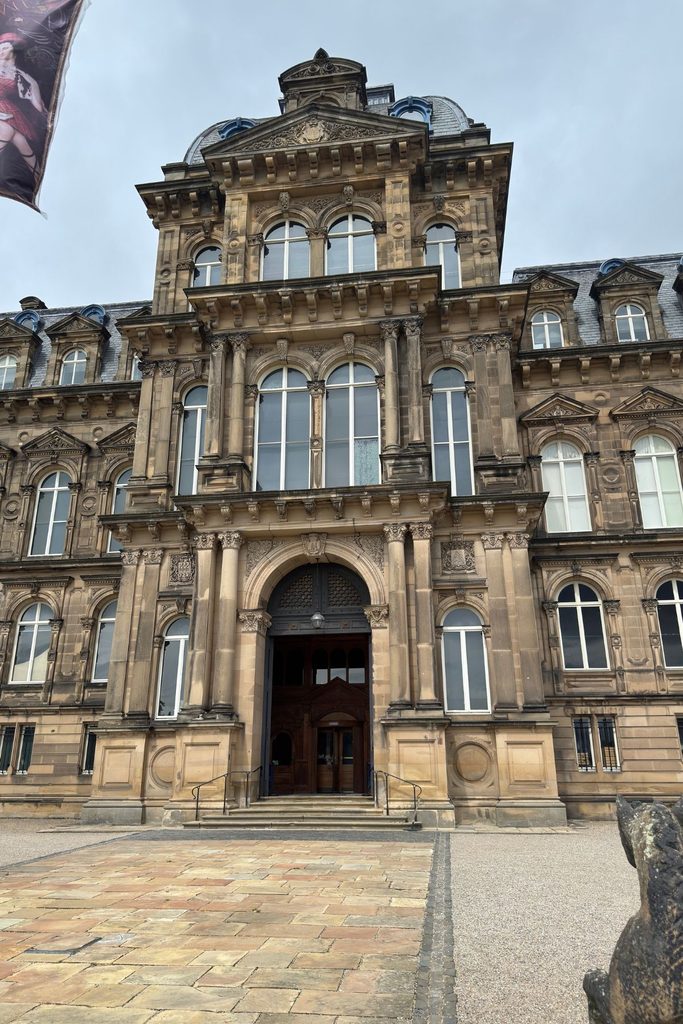
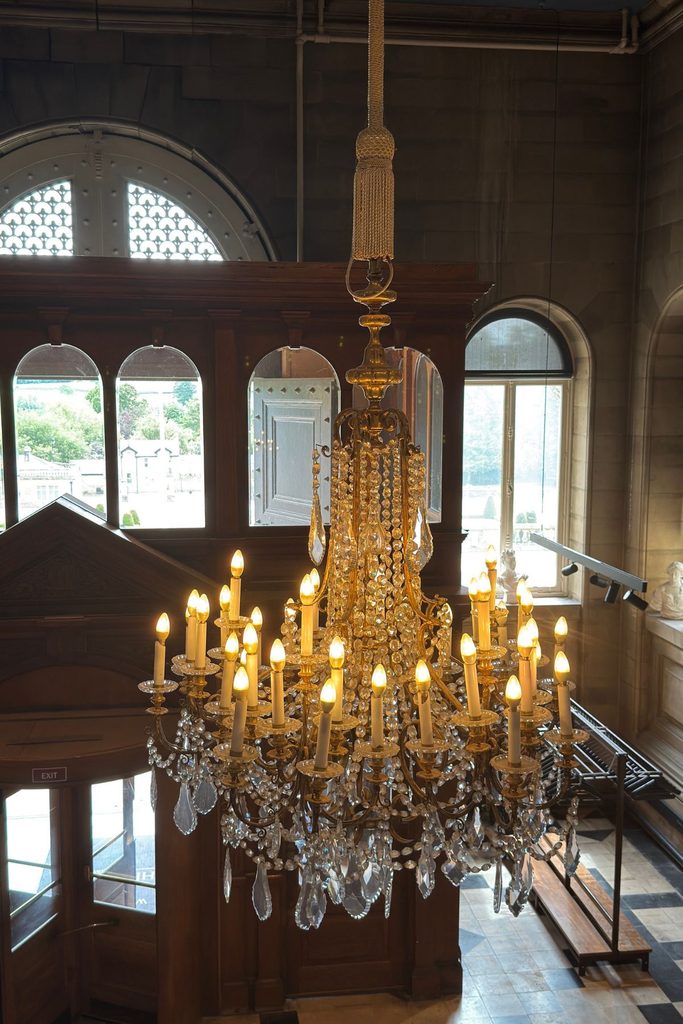
Standing proudly in the heart of Teesdale, The Bowes Museum is the vision of a pioneering woman, Joséphine Bowes and her husband John, and no trip to County Durham is complete without a visit.
Founded by Joséphine and John Bowes, The Bowes Museum reflects the couple’s passion for art and their vision to share it with the local community.
Joséphine Coffin Chevallier was the daughter of a clockmaker who lived and worked in Paris. John Bowes was a businessman and the son of the 10th Earl of Strathmore and Kinghorne, a distant ancestor to the late Queen Mother, Elizabeth Bowes-Lyon.
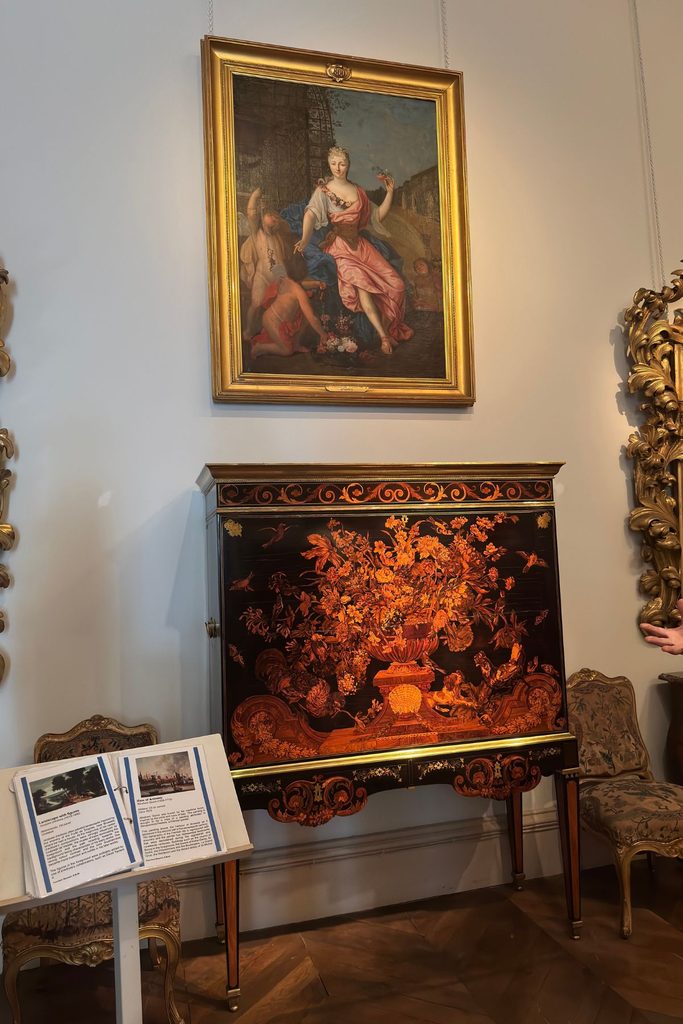
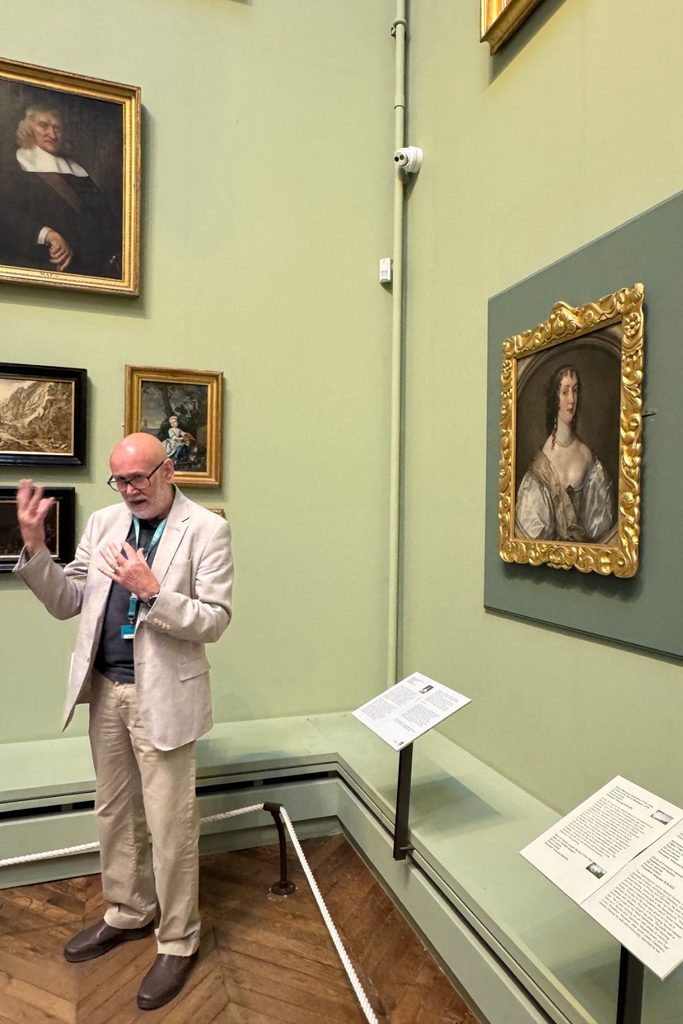
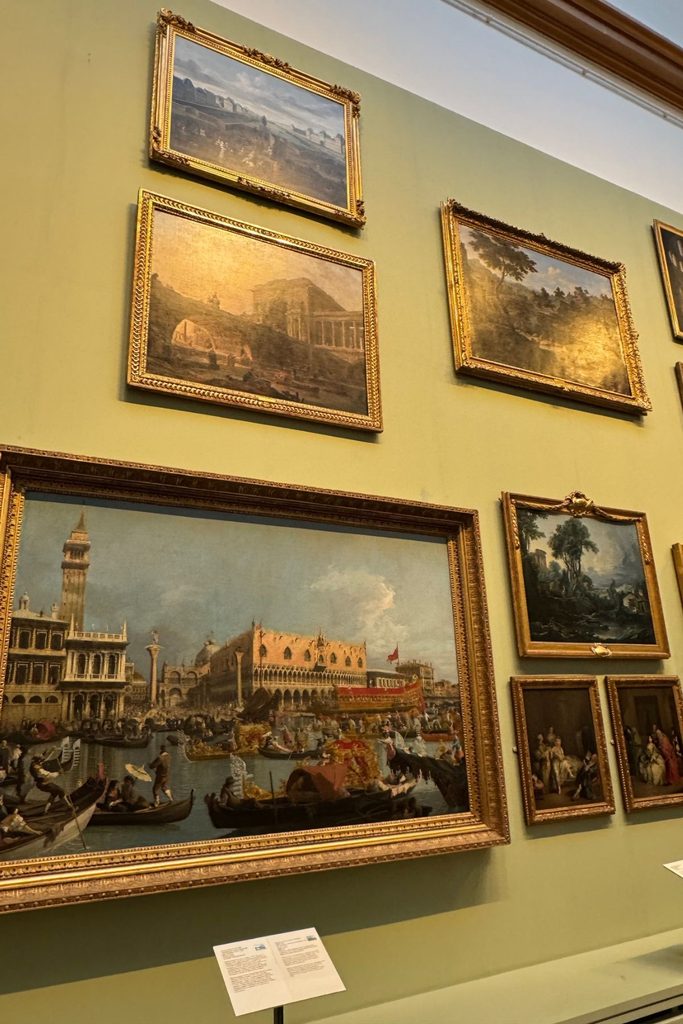
John Bowes moved to Paris in 1847 and bought the Théâtre Des Variétés in the Boulevard Montmartre, where he met Joséphine who was working as an actress under the stage name Mademoiselle Delorme. The couple had a shared interest in the arts, and married in 1852. John bought Chateau du Barry at Louveciennes as a wedding gift for Joséphine, which became their home in France. Joséphine became one of the great salon holders in Paris and a patron of the arts, known for commissioning plays and collecting art works before they became popular.
She was also a gifted artist, studying under Austrian painter Karl Josef Kuwasseg. Her work was exhibited on four occasions in the late 1860s at the Académie des Beaux-Arts Salon in Paris and once at the Royal Academy in London – a defining achievement for a woman of the time. There are over 55 works by Joséphine in the museum’s collection.
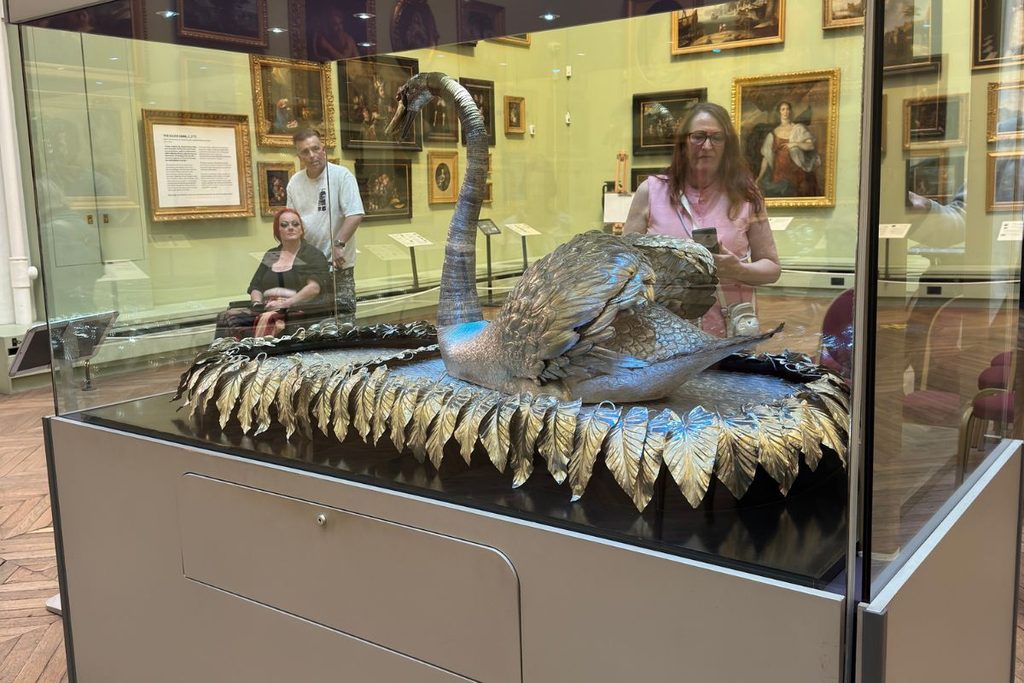
The Bowes’ collected over 15,000 objects for the museum, including the famous Silver Swan, but sadly, neither Joséphine nor John lived to see their museum open to the public in 1892.
Today, The Bowes Museum is a charity managed Grade 1 listed, accredited museum with 22 acres of Grade 2 listed parkland. As a forward-thinking museum of artists, designers and makers, and with a spirit of generosity and collaboration, its mission is centred around supporting and uplifting the North of England.
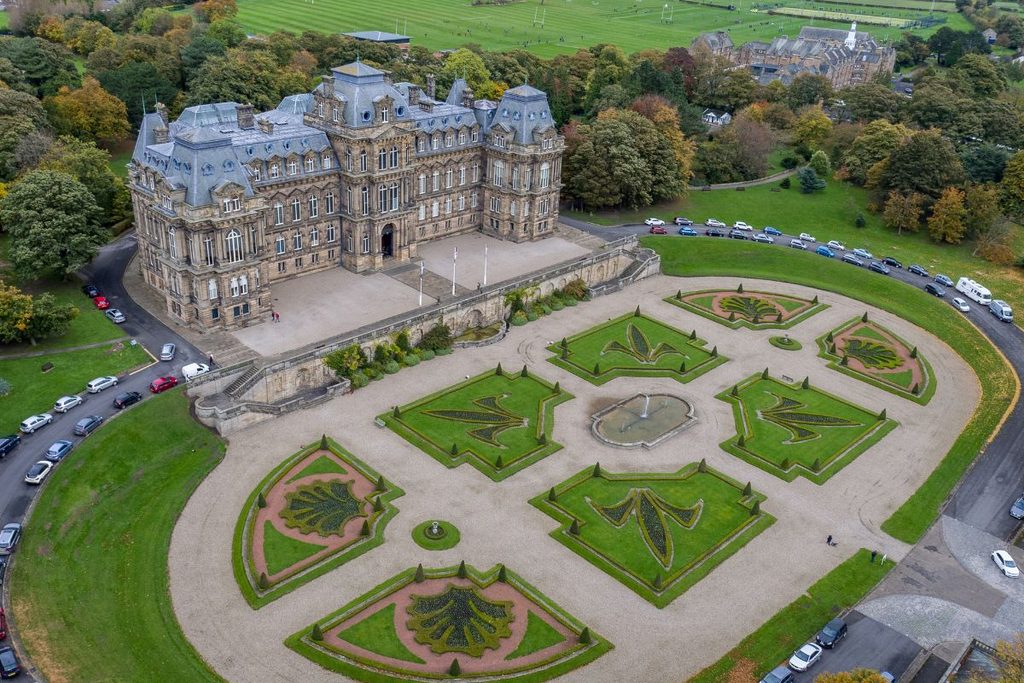
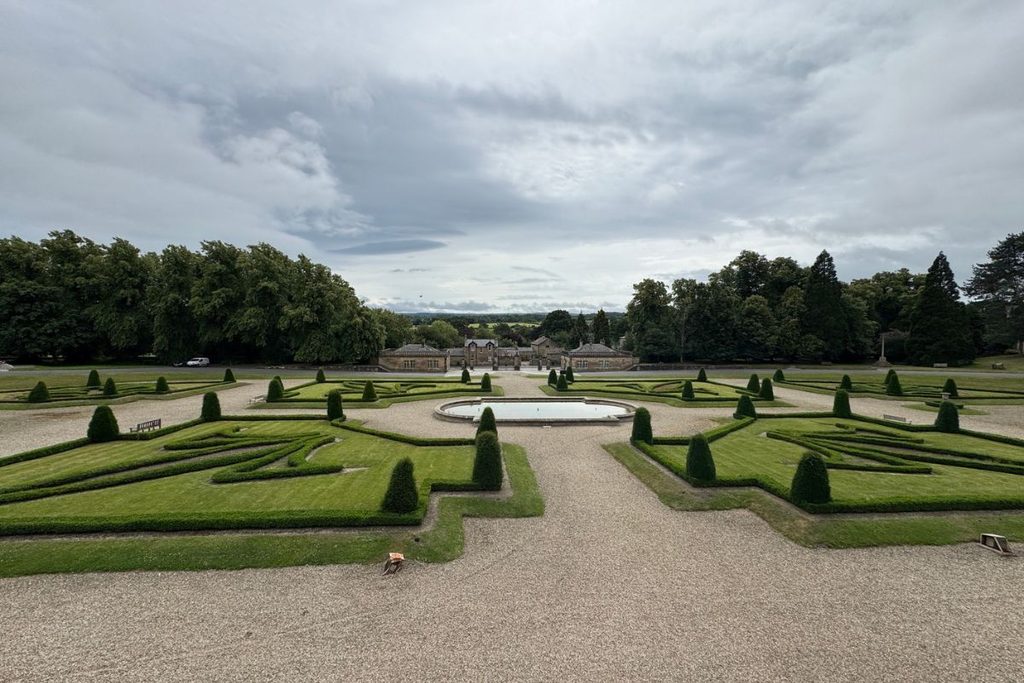
The museum continues to reflect the vision and spirit of Joséphine and John Bowes, with changing exhibitions and displays of the vast, internationally renowned collection of works.
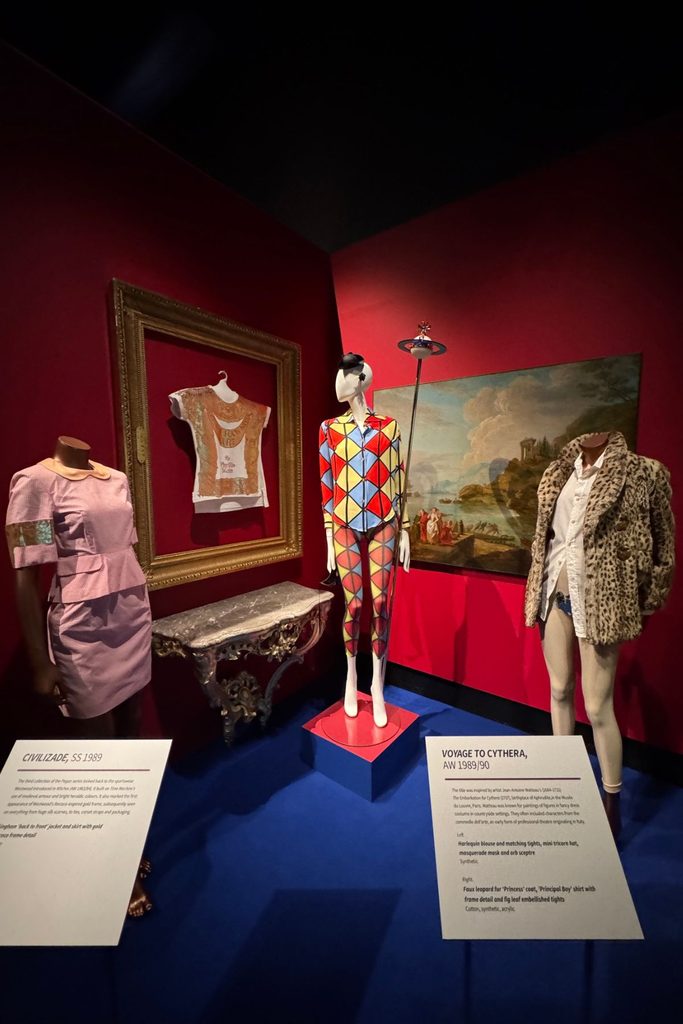
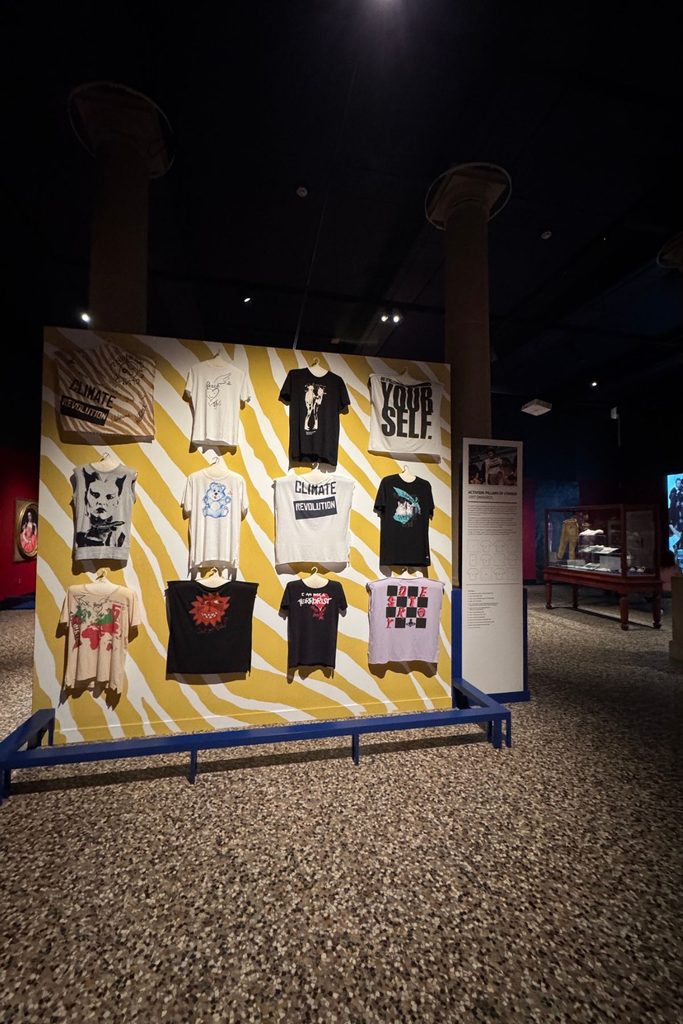
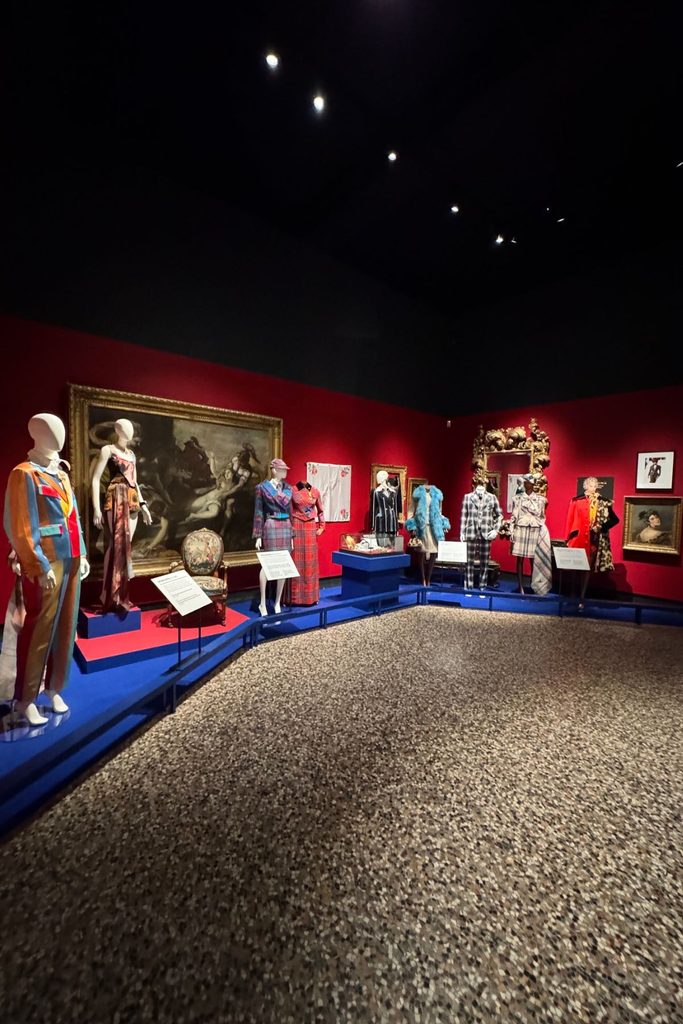
Our personal recommendation is to make sure you visit the Vivienne Westwood exhibition. Even if you are not interested in fashion, this exhibition details moments in time that evoke real memories spanning the early 1980s to 2000s.
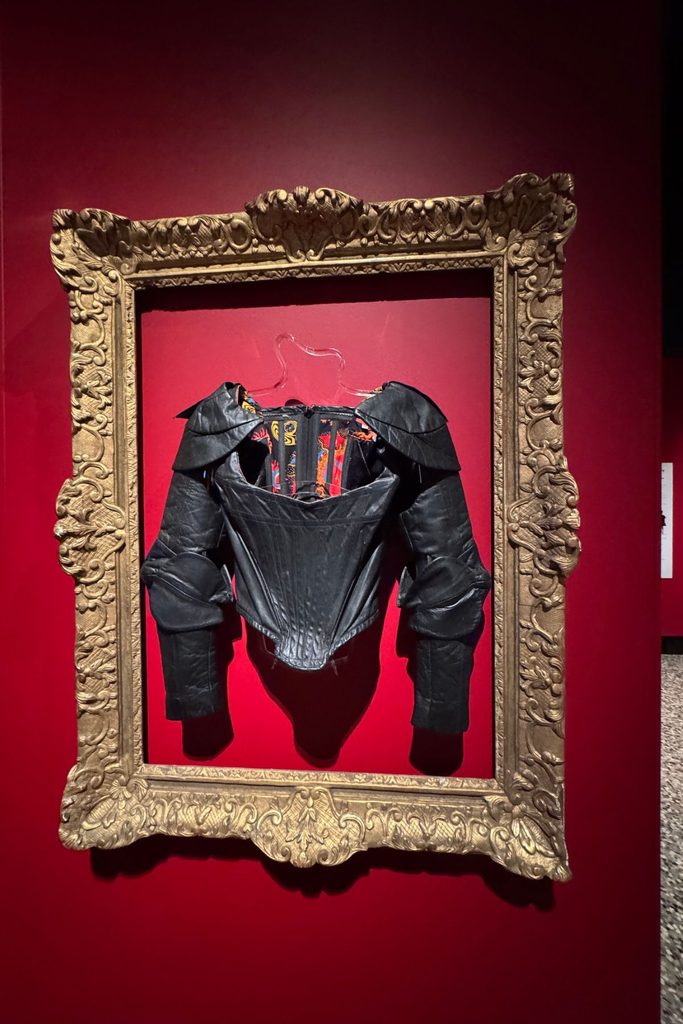
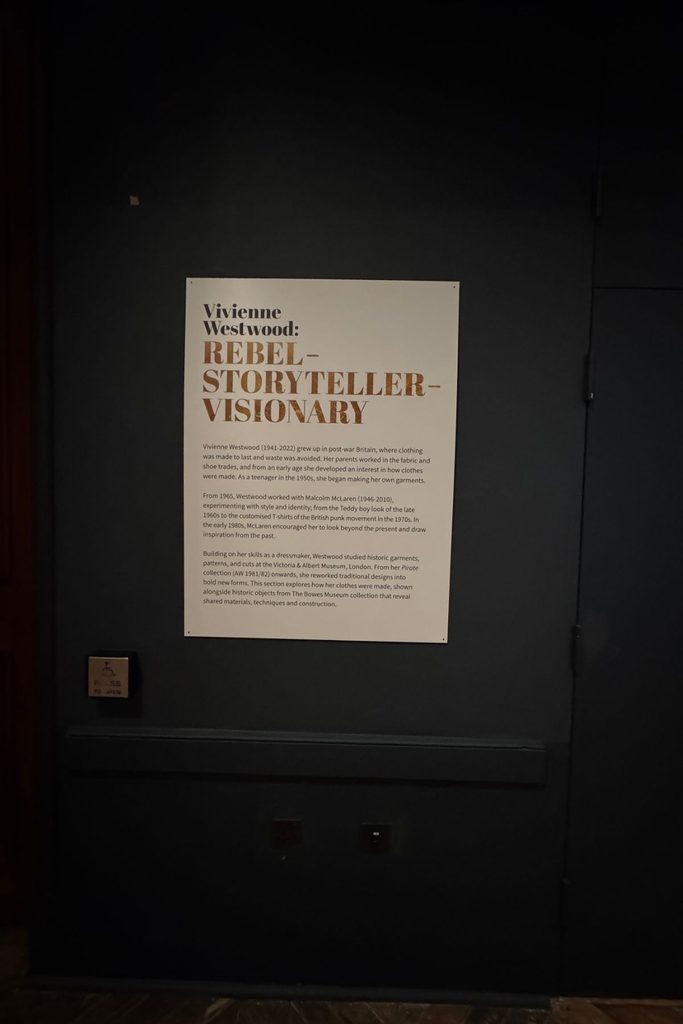
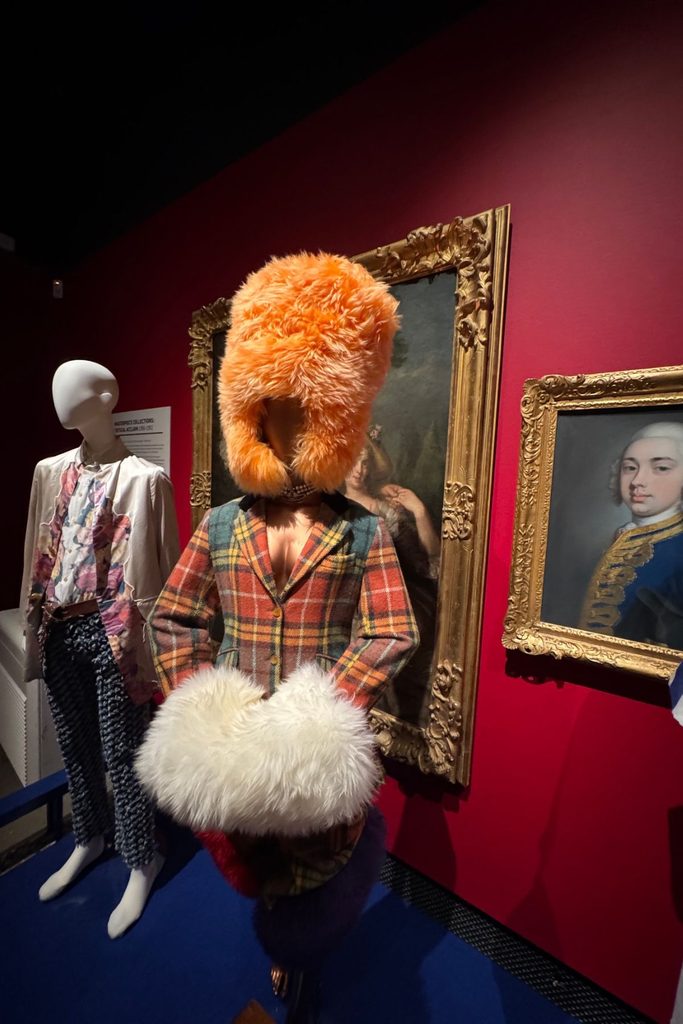
The show charts Westwood’s extraordinary journey following the rebellious energy of punk from her early partnership with Malcolm McLaren (1946–2010), to her reinvention of historical dress and couture in the 1980s and ’90s. This was our era and we loved reliving it!
Looking back, the woman was a genius!
You must also make sure you see The Silver Swan, the Museum’s most iconic object.
It’s a life-size replica of a female swan containing 2,000 moving parts, including 139 crystal rods, and 113 neck rings. Three clockwork mechanisms: one for the shimmering pool of glass with swimming silver fish; one for the musical tunes and one for the complex mechanism controlling the swan’s head and neck.
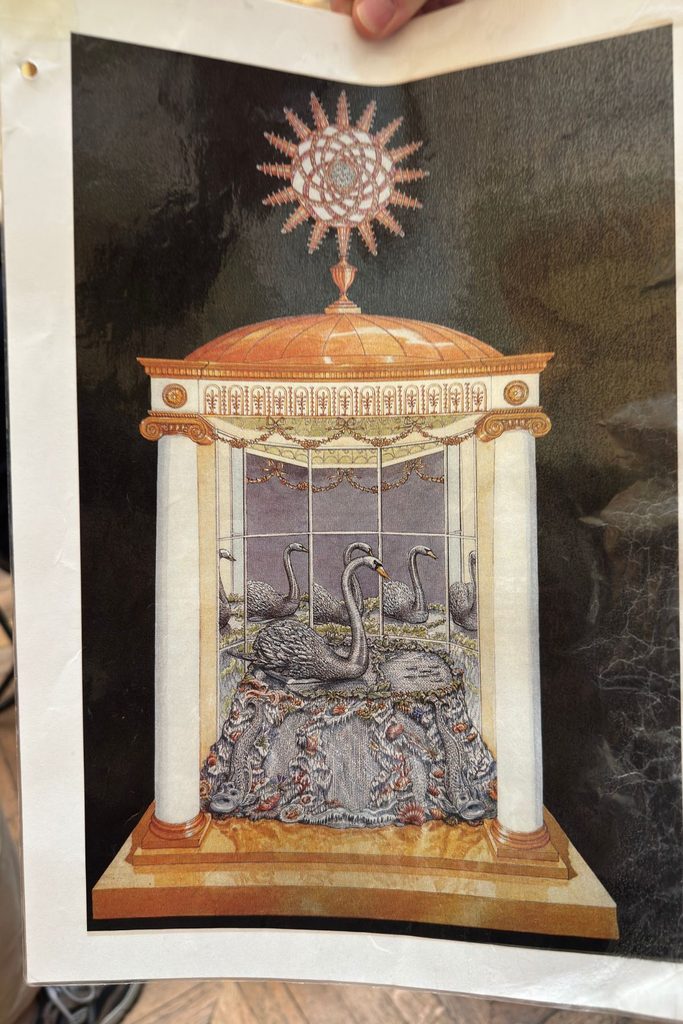
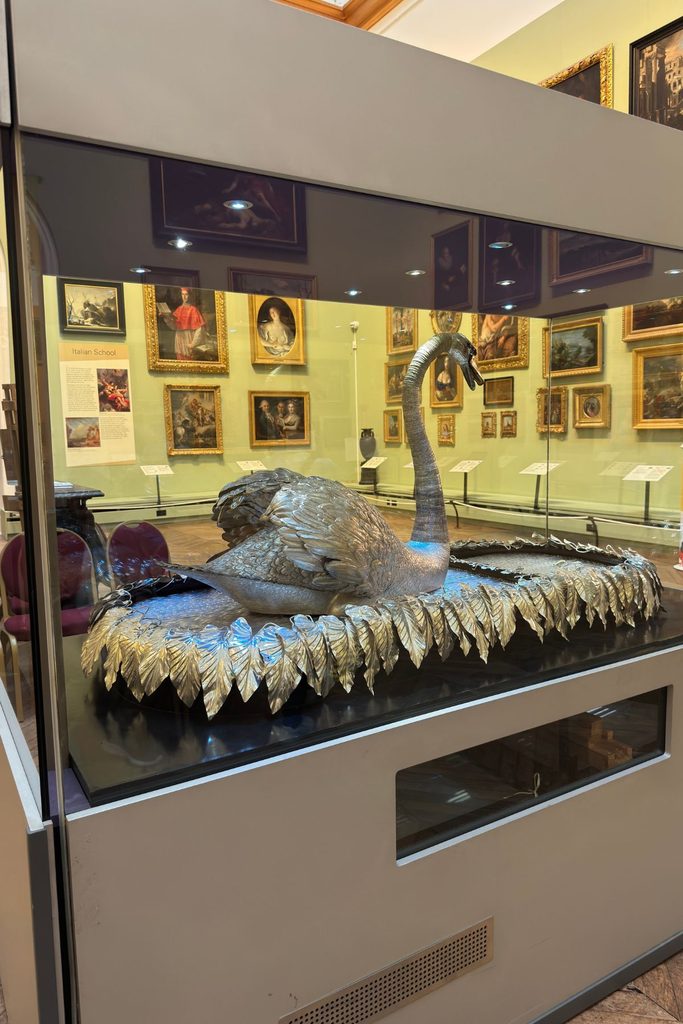
Daily performances of the movement of the swan ceased during lockdown, plus the automaton was in need of some ‘tender loving care’. However, the Silver Swan is once again wowing audiences with its daily 2pm performance, with an extra one at 11.45am during school holidays and bank holidays.
It is totally magical, and something we still talk about. Another magical experience.
I’ve said it before, I’m saying it again – County Durham keeps drawing us back. The magic is real – have you felt it yet?
Find out more at www.thisisdurham.com
Review and images by Angela Riches and Dave Riches
Some images supplied