Mount Everest lures thousands of adventure seekers from across the globe with its record-breaking heights and unmatched glacial landscapes. Taking the crown as the tallest mountain in the world, with soaring snow-capped peaks and magnificent wildlife species, Everest is a glowing focal point for trekkers seeking the expedition of a lifetime.
Scaling Mount Everest is by no means a simple feat, and neither is planning your trip there. What’s the best route to take? How do I acclimatise? When is the best time to visit? There are many factors to consider before you embark on your thrilling journey.
To help you make the most of your Everest adventure, we have created this step-by-step guide to walk you through the most crucial considerations. From seasonal changes to packing essentials, we have you covered.
Read on for our top tips and recommendations for the ultimate Everest experience.
Nepalese Culture
Situated on the border of Nepal and Tibet, Everest holds deep cultural and religious value to the communities that thrive in this region. Home to sacred sites like the Tengboche Monastery and Lama Tsho, the Himalayas have a strong spiritual significance dating back thousands of years.
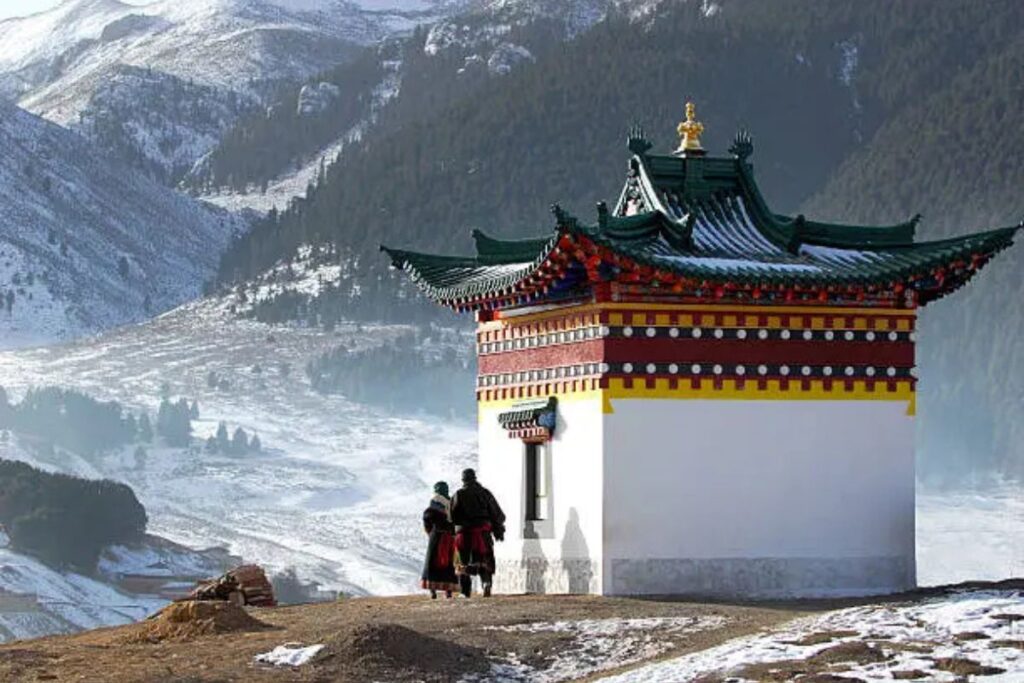
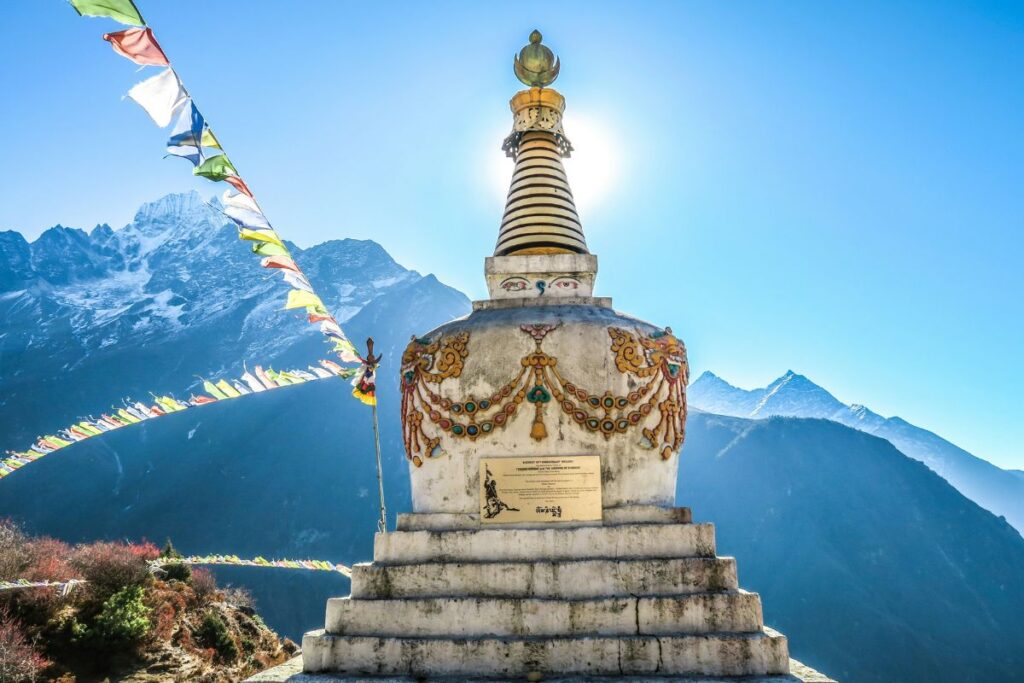
Sherpa communities are known for their warm hospitality and deeply rooted Buddhist customs. Blending ancient traditions with religious practices and communal life, Nepalese culture is both rich and diverse. Understanding Nepalese traditions and identity is important for those venturing into this region for an enriching experience.
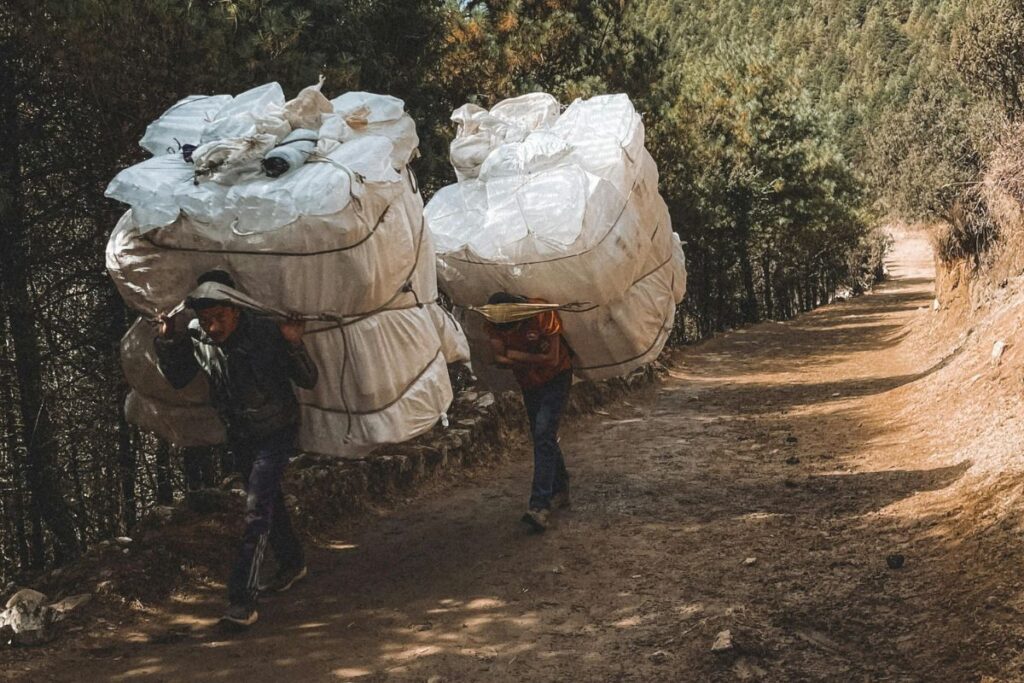
Many members of the Sherpa community are climbing companions, using their expert knowledge to help visitors navigate the difficult terrain. Engage with Sherpa guides by learning basic Nepali and Sherpa phrases to support communication.
Routes to Take
Everest offers many scenic routes that vary in difficulty and length. The most popular and accessible is the Everest base camp trek. Showcasing dramatic mountain views, traditional Sherpa villages and staggering glacial landscapes, this iconic journey takes around 12-14 days to complete and has excellent acclimatisation opportunities. On an Everest base camp trip, visitors will be stunned by the most majestic Himalayan vistas imaginable.

The Three Passes trek is a more challenging route that ventures over remote high-altitude passes. Taking almost three weeks to complete, this route is suited to experienced trekkers who can handle a more demanding terrain and offers panoramic views of Everest, Lhotse and Makalu.
The Gokyo Lakes trek is an alternative option for a less crowded yet equally stunning journey. Featuring serene glacial lakes and panoramic views of Everest’s peaks, this less strenuous route takes around 10-12 days to complete.
Acclimatisation
It’s important to ascend Mount Everest gradually to minimise altitude sickness. Focus on slow steady progression to higher altitudes to allow the body to adapt. With expert tour guides, you will be given acclimatisation training and supported throughout your journey.
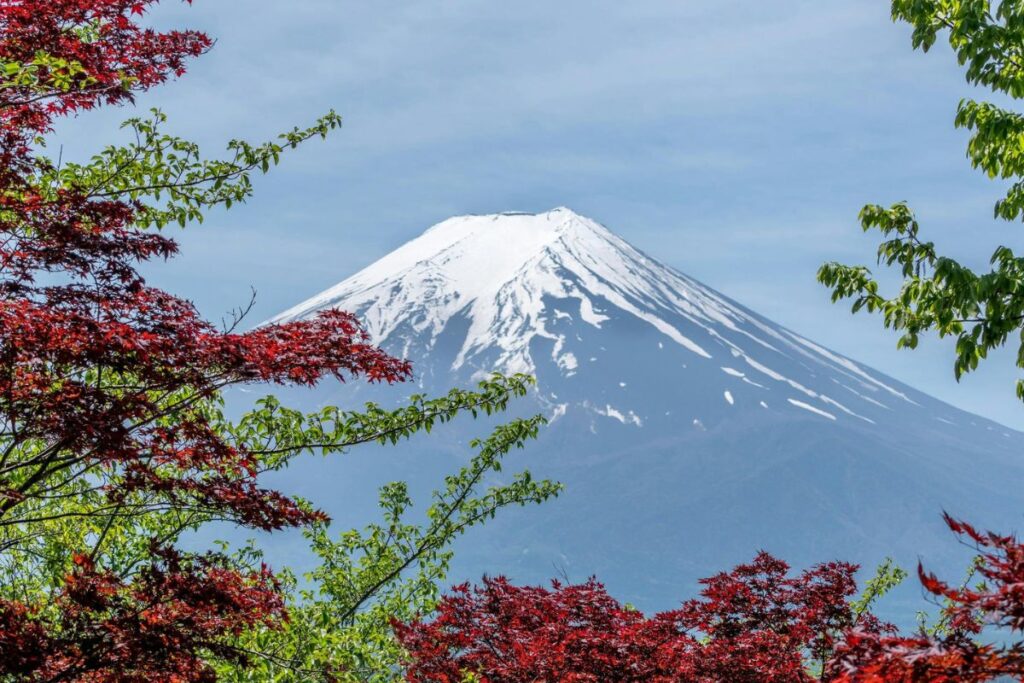
Incorporating rest days into your itinerary is a key strategy to ensure the body acclimates properly. The famous mountaineering phrase ‘climb high sleep low’ alludes to the process of gradually increasing elevation and allowing the body to recover by sleeping at lower altitudes.
To stay safe on your ascent, look out for signs of acute mountain sickness and notify your guide immediately, including headaches, nausea, fatigue and shortness of breath. To minimise symptoms, rest, hydration and gradual descent are important techniques.
Best Times To Visit
Spring is the peak trekking season on Everest. Between March and May, the weather is generally more stable with clearer skies and milder temperatures, ranging from 10°C at low altitudes to – 10°C at higher altitudes. Springtime offers unique opportunities for spotting wildlife, including the elusive snow leopard and magnificent golden eagle. It’s important to note that during the prime tourist seasons trails can be busier.

Autumn is also an ideal time to visit Everest, with crisp air, less rainfall and fewer crowds. Between September and November, the temperatures can range from 5°C to – 15°C which are stable conditions for trekking. In Autumn, however, the days are shorter and there are chances of snow. There are many festivities in Nepal during this season, offering unique cultural experiences on your Everest adventure.
The winter months are extremely harsh in the Himalayas. With temperatures dropping below -20°C, visibility is limited and hypothermia is a serious risk, so it is not recommended to visit between December and February.
What to Pack
Packing adequately is crucial to making your ascent as comfortable and safe as possible. Before embarking on your journey, here are some essential items to remember.

Essential clothing: Packing various layers is vital, including thermal base layers, inner jackets, and a waterproof outer shell.
Trekking Gear: Invest in a pair of high-quality hiking boots to protect your feet, trekking poles, weather-graded sleeping bags, and headlamps are also recommended.
Health and Safety Supplies: First-aid kits, altitude meditation, water purifying tablets and high-energy snacks are all important pieces of kit to ensure your safety.
Summary
To say that you’ve trekked through dramatic Himalayan landscapes, acclimatised to staggering altitudes and reached the summit of the world’s highest mountain, is a truly monumental achievement. Scaling Everest is by no means an easy feat; but for those who do take the leap, it is a magnificent experience that will leave you with unforgettable memories and a brilliant story to tell.
So, when you plan your Mount Everest adventure, consult this guide for tips and tricks that will support you on your journey.
Good luck and happy trekking!
Images courtesy of unsplash.com and pexels.com