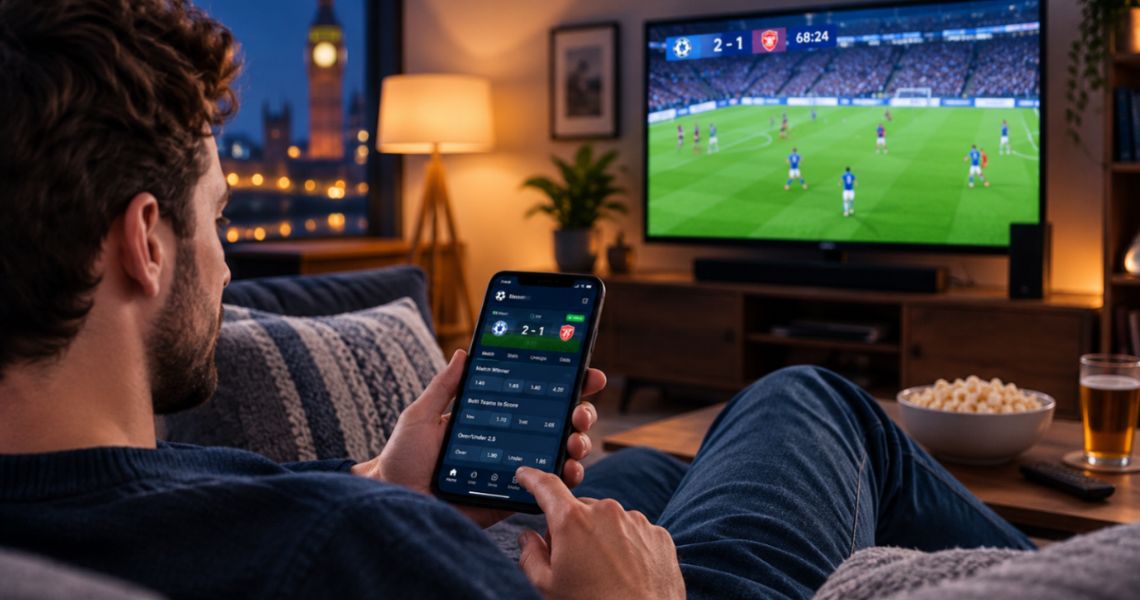
A modern head unit does more than play music. It connects your smartphone, provides navigation, handles calls, and gives you easier access to entertainment while you drive. In Australia, Apple CarPlay has become a key feature for drivers who want to bring familiar iPhone functions to their vehicle’s dashboard.
However, not every CarPlay head unit offers the same experience. Screen quality, connectivity, audio performance, installation compatibility, and everyday usability can vary significantly between models.
If you are upgrading your vehicle’s infotainment system in 2026, these are the features worth prioritising.
Wireless Apple CarPlay
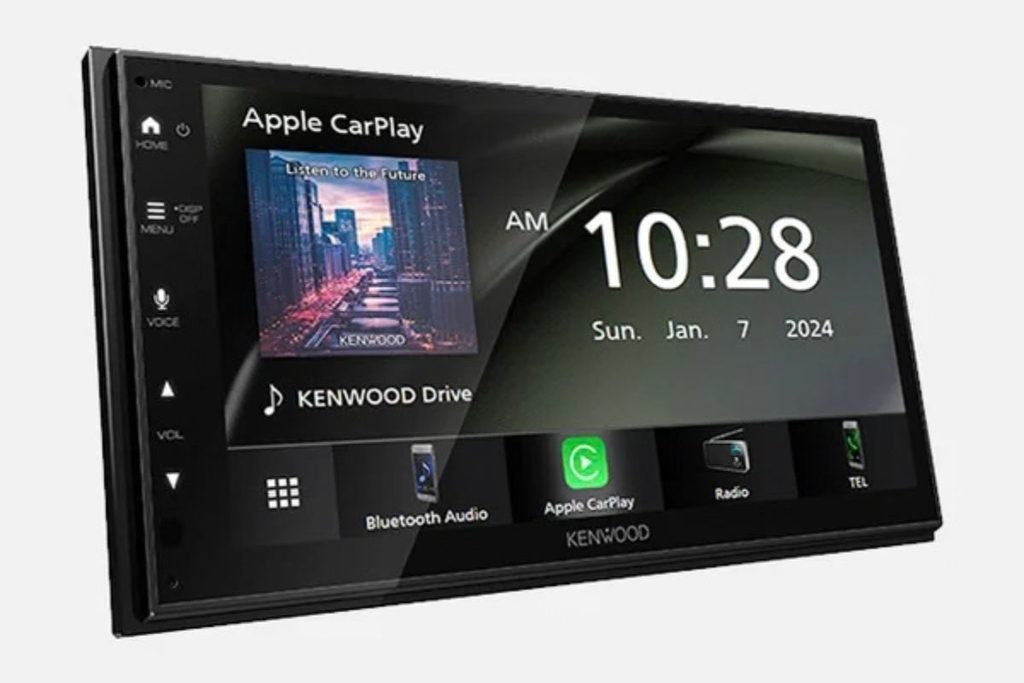
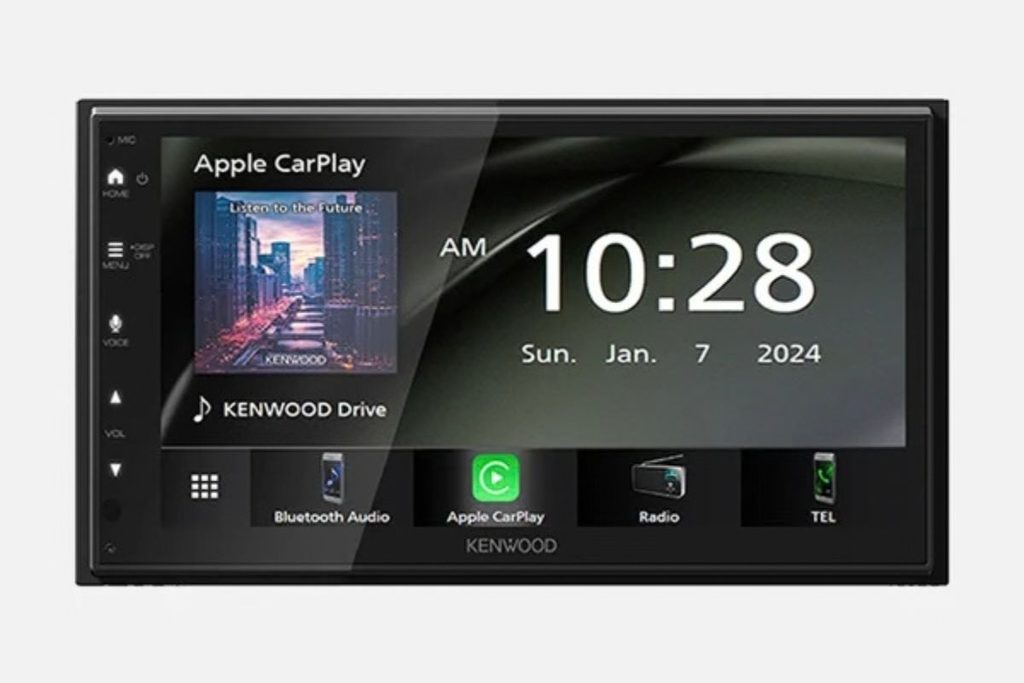
Wireless CarPlay is one of the most useful features to look for in a new head unit. It connects your iPhone without requiring a USB cable every time you get into the car.
Once you complete the initial pairing, your phone can connect automatically when you start the vehicle. This keeps the dashboard free from unnecessary cables and makes short trips more convenient.
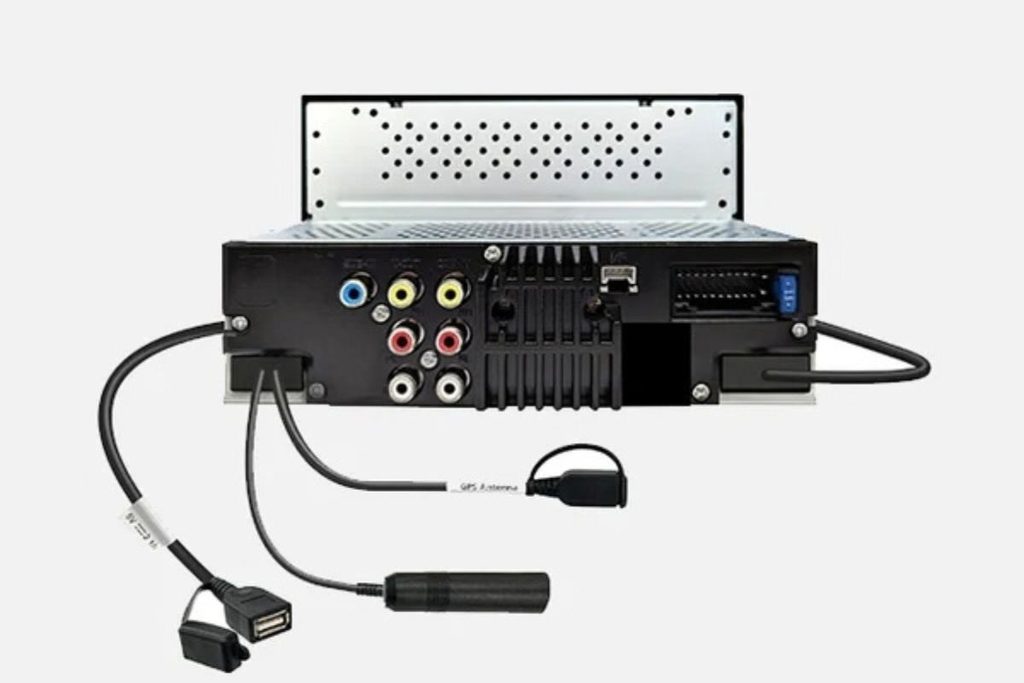
Wired CarPlay is still useful, particularly when you want to charge your phone while driving. Ideally, a head unit should support both wired and wireless connections.
Reliable Vehicle Integration
One of the most important features is often the least visible: compatibility with the vehicle’s electrical and electronic systems.
A quality installation can help retain relevant factory functions. Depending on the vehicle, this may include steering wheel controls, the factory reverse camera, amplifier and USB connections.
Before buying, check your vehicle’s exact make, model, and year. Compatibility can vary between vehicles, and some installations may require additional interfaces or adapters.
For Australian drivers looking for the best CarPlay head unit Australia has to offer, comparing vehicle compatibility, screen size, features, sound quality and installation requirements can help narrow down the right model.
A Responsive Touchscreen
The display is the part of the head unit you will interact with most often, so responsiveness matters.
A good touchscreen should register taps quickly and make it easy to navigate menus without repeated inputs. Capacitive screens generally provide a more familiar smartphone-like experience than older resistive displays.
Screen size is another consideration. A larger display can make navigation and media controls easier to view, but it should also suit the vehicle’s dashboard. A screen that looks impressive but obstructs controls or visibility is not necessarily an upgrade.
Resolution also matters. A sharp display makes maps, album artwork and other information easier to read.
Strong Smartphone Connectivity
CarPlay should be only one part of the head unit’s connectivity options.
Look for support for Bluetooth, USB connectivity and, where useful, Android Auto. Bluetooth lets you make hands-free calls and stream audio even when CarPlay isn’t in use.
Multiple USB ports can also be helpful. You can use one for wired CarPlay or charging while another supports additional devices.
Some newer units also offer features such as Wi-Fi connectivity and compatibility with additional smartphone functions. The right combination depends on how you use your phone in the car.
High-Quality Audio Processing
A head unit can have excellent smartphone integration and still produce disappointing sound.
For drivers focused on audio quality, a built-in digital processor (DSP) can provide more control over the sound. Features such as time alignment and adjustable crossover settings can then help fine-tune the system.
Preamp outputs are also important if you plan to install an external amplifier or upgrade the sound system later.
A good head unit should therefore provide enough audio control to work with both a standard factory speaker setup and a more advanced aftermarket system.
Compatibility With Steering Wheel Controls
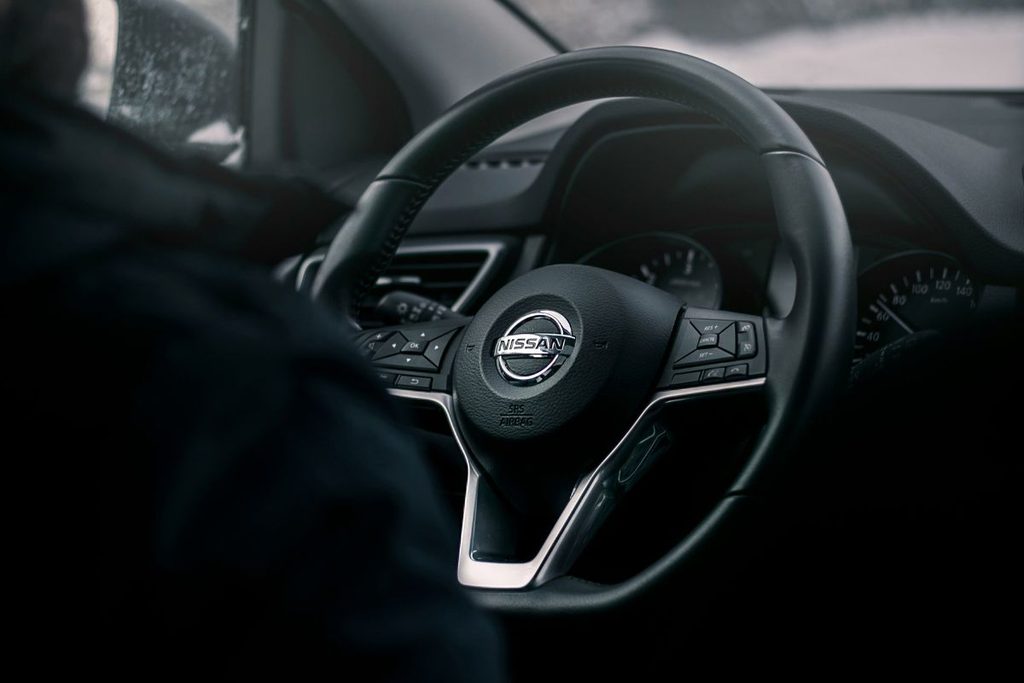
Steering wheel controls allow you to adjust volume, change tracks, and perform other functions without reaching toward the dashboard.
A replacement head unit should ideally retain these controls. Depending on the vehicle, you may need an additional steering wheel control interface during installation.
This is one reason to check compatibility before purchasing. The best head unit on paper may not be the best choice if it cannot integrate properly with your vehicle’s existing controls.
Reverse Camera and Parking Support
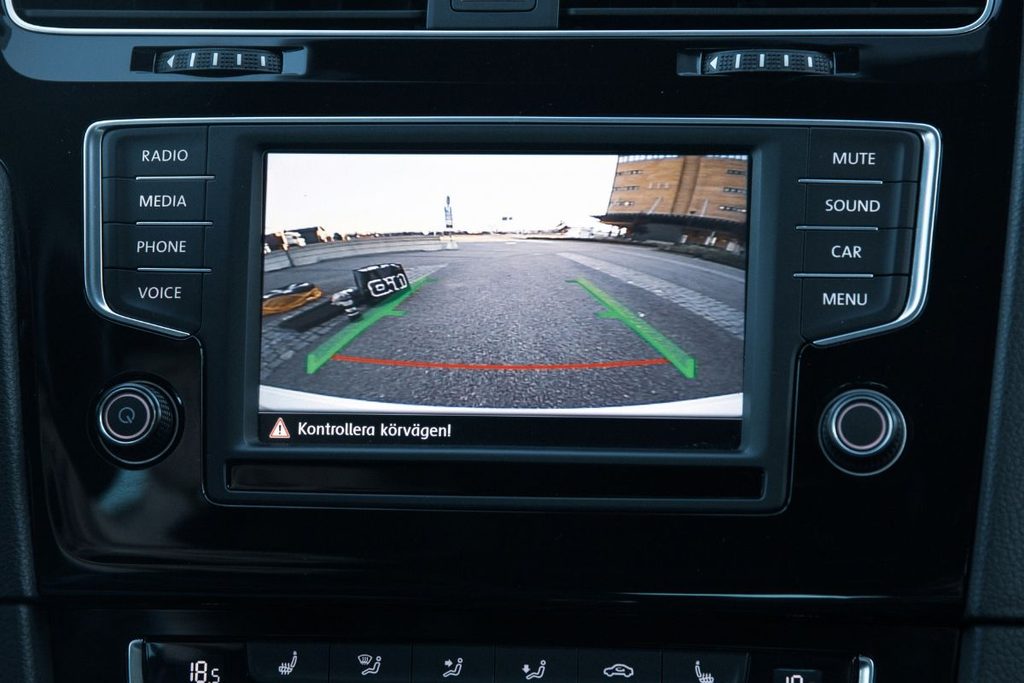
A head unit should make it easy to integrate a reverse camera.
When you shift the vehicle into reverse, the display can automatically switch to the camera feed, depending on the vehicle and installation.
A clear camera image can also make it easier to see obstacles when reversing, particularly in low-light conditions.
Some models also support additional cameras or parking-related functions. These can be useful for larger vehicles or drivers who want better visibility around the car.
If your vehicle already has a factory reverse camera, check whether the replacement head unit can retain it. An adapter may be necessary.
Conclusion
A suitable CarPlay head unit in 2026 is not necessarily the one with the biggest screen or the longest feature list. It should provide reliable smartphone connectivity, responsive performance, good audio controls, and good vehicle integration. So, choose a head unit that matches your vehicle and how you actually use it. A well-integrated system can make everyday driving more convenient without unnecessarily complicating the dashboard.
Images courtesy of unsplash.com and pexels.com. Some images supplied